How It Shows Up
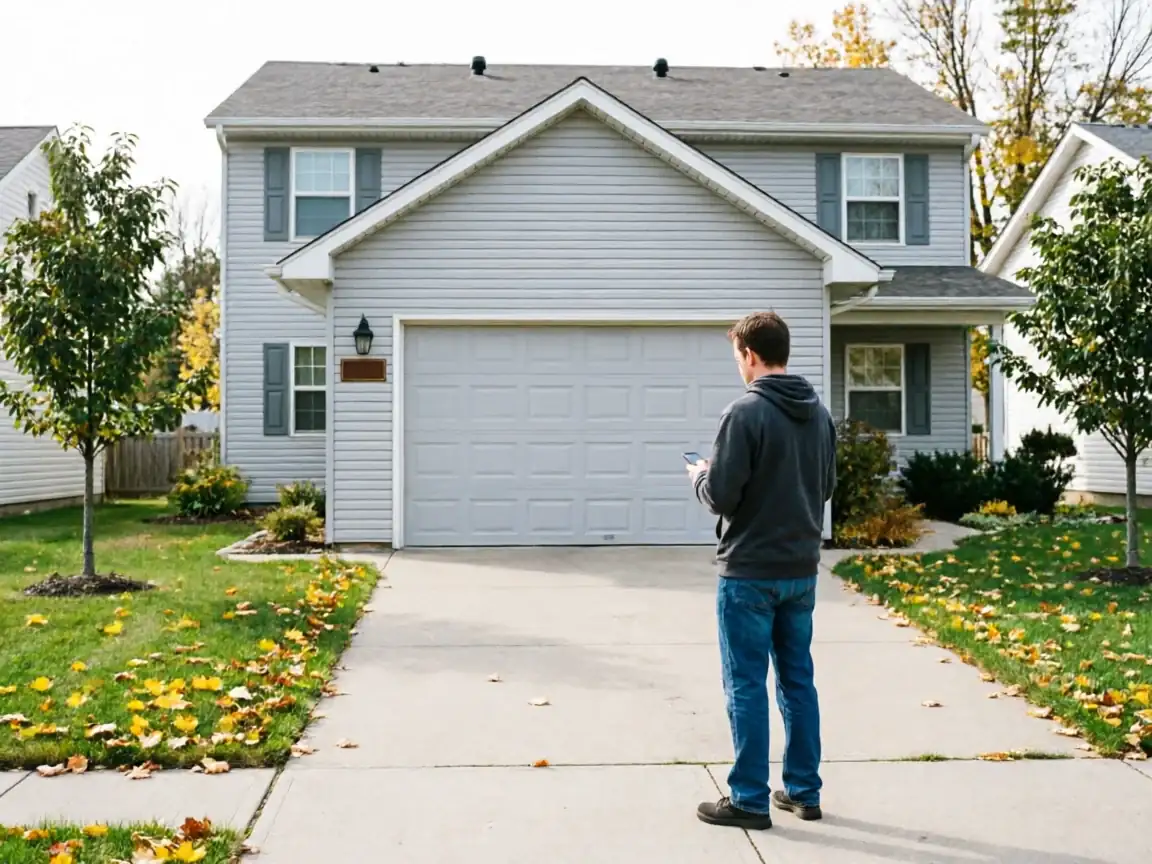
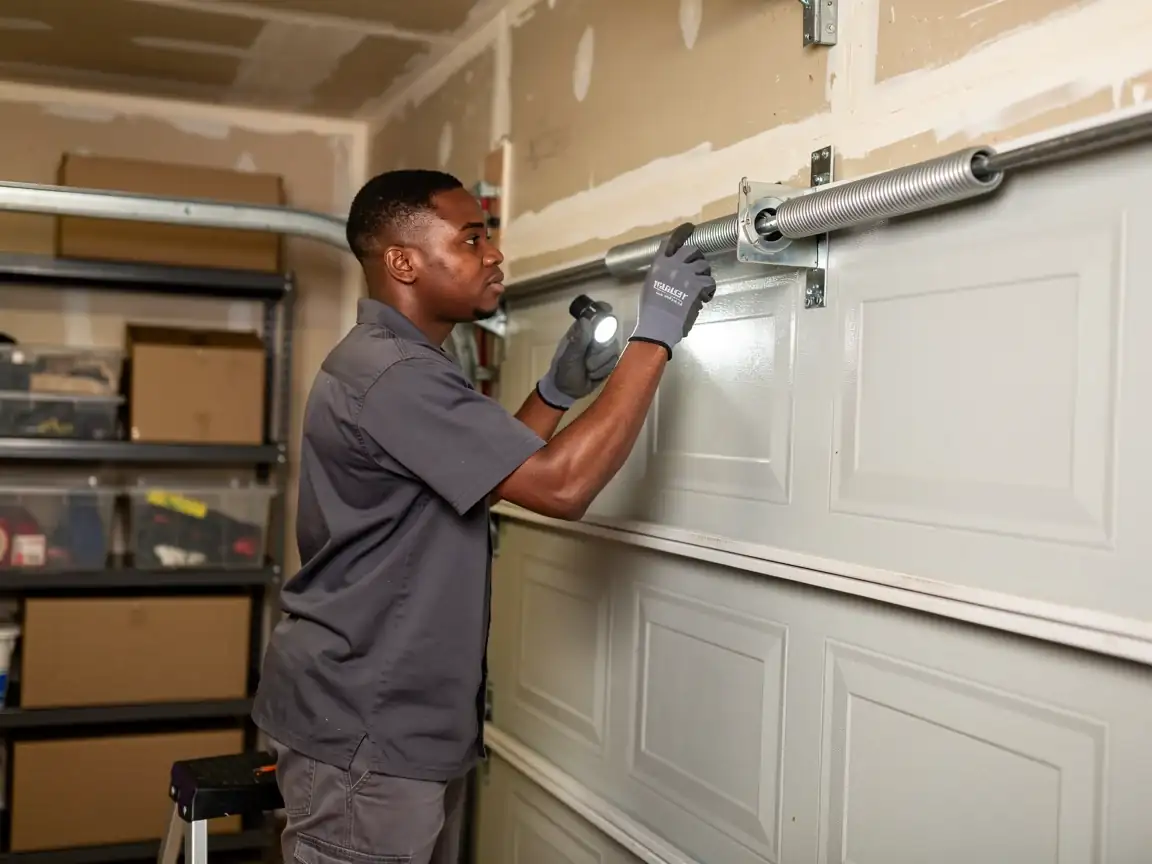
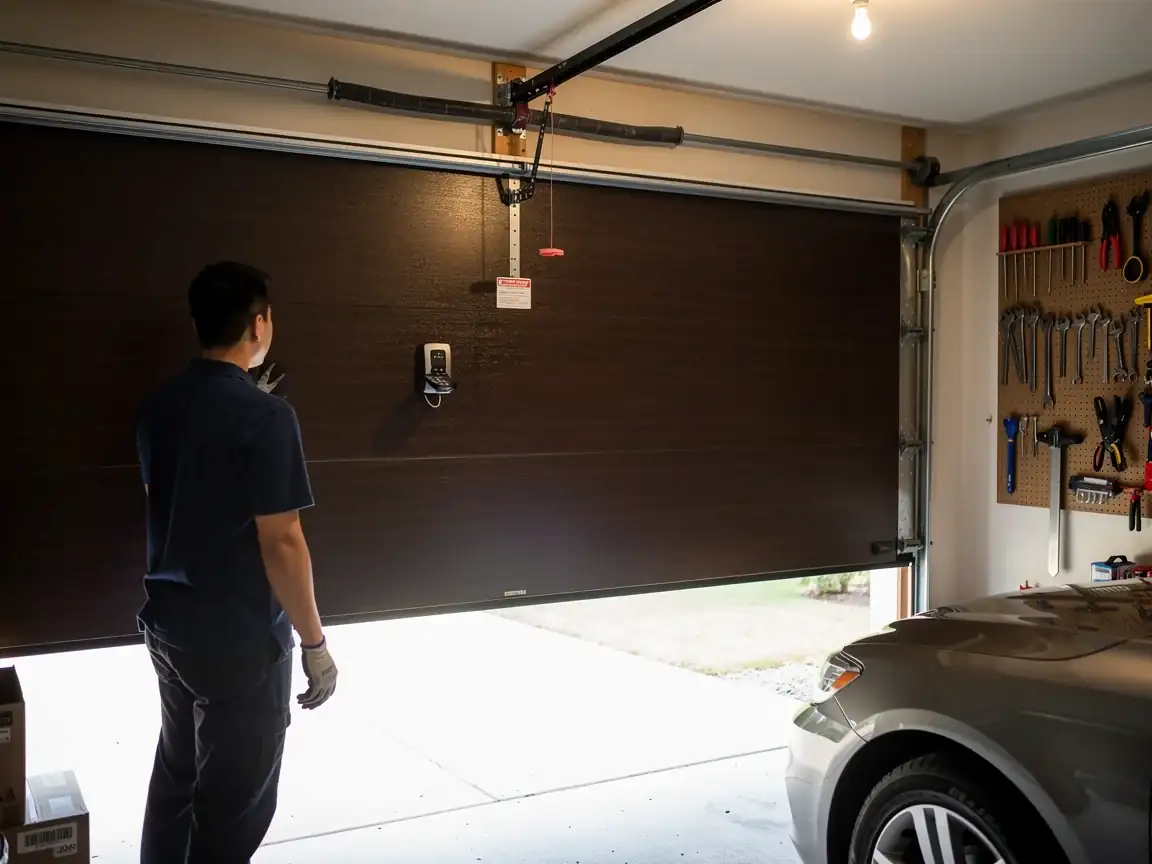
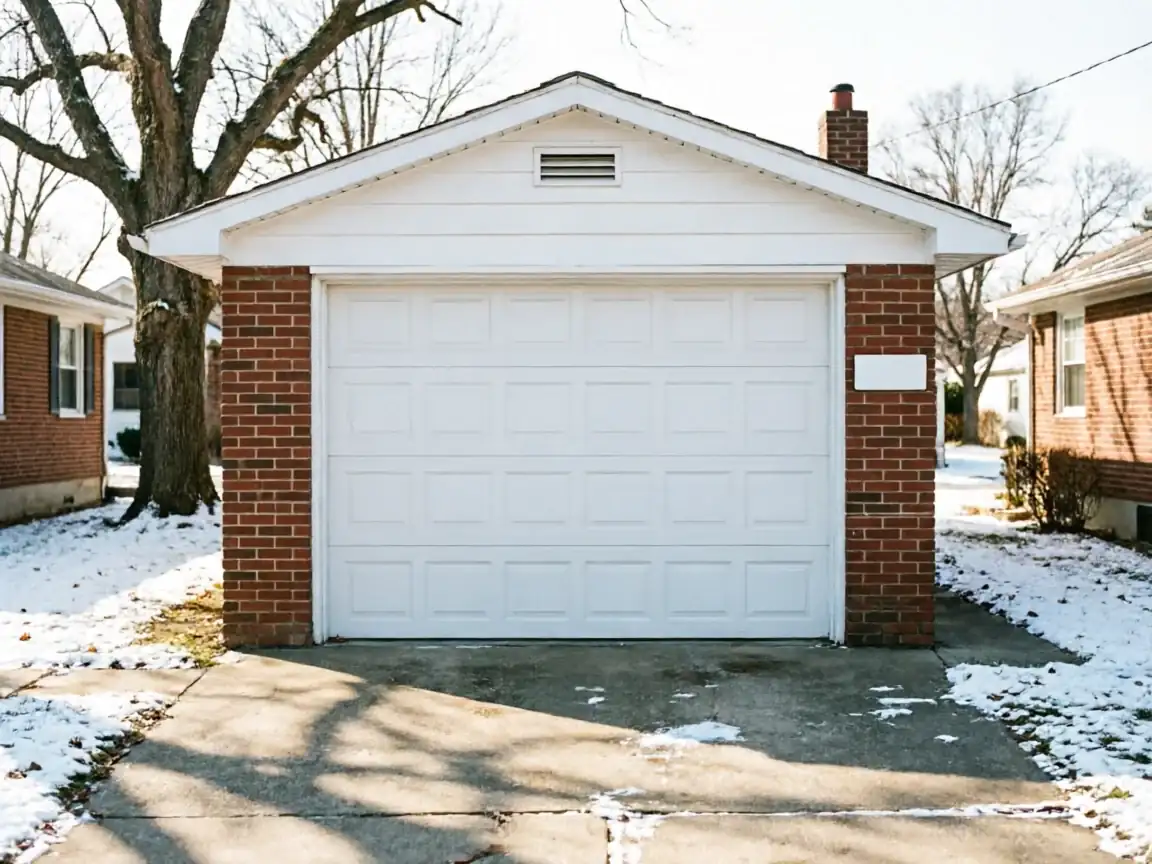
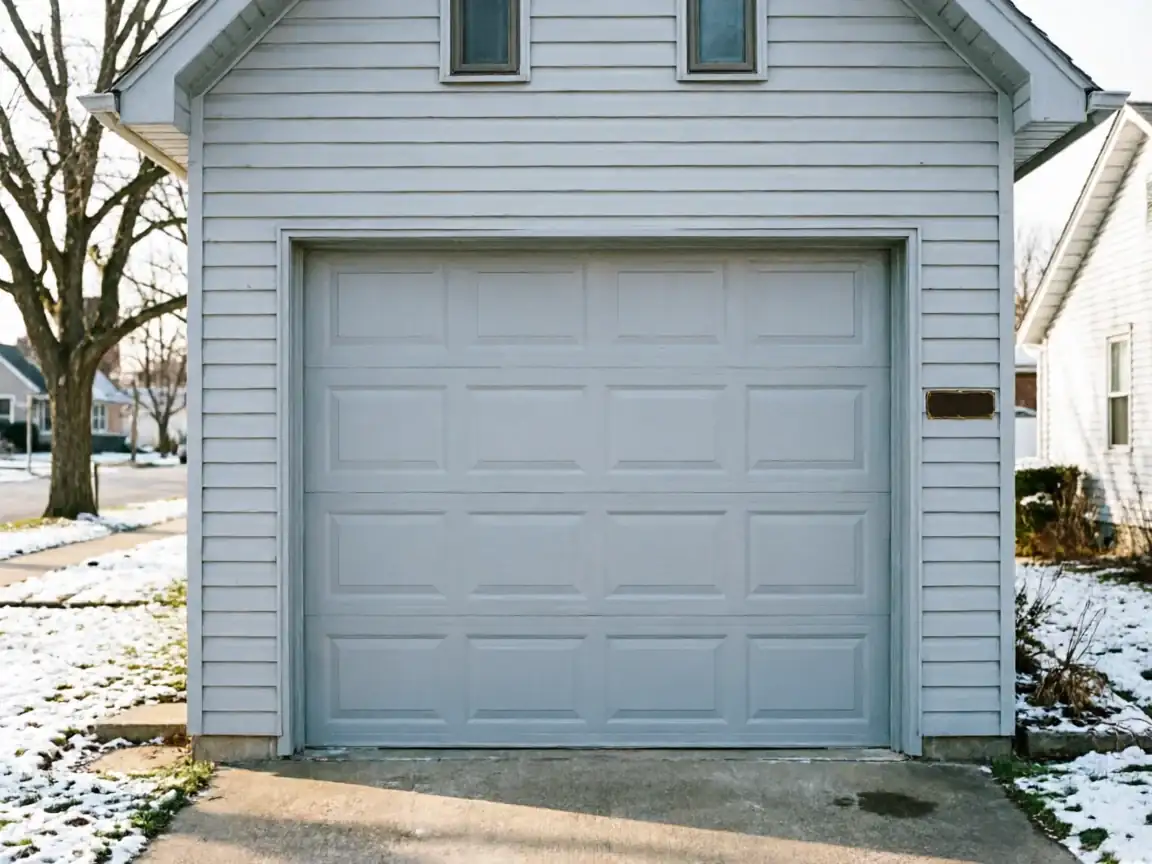
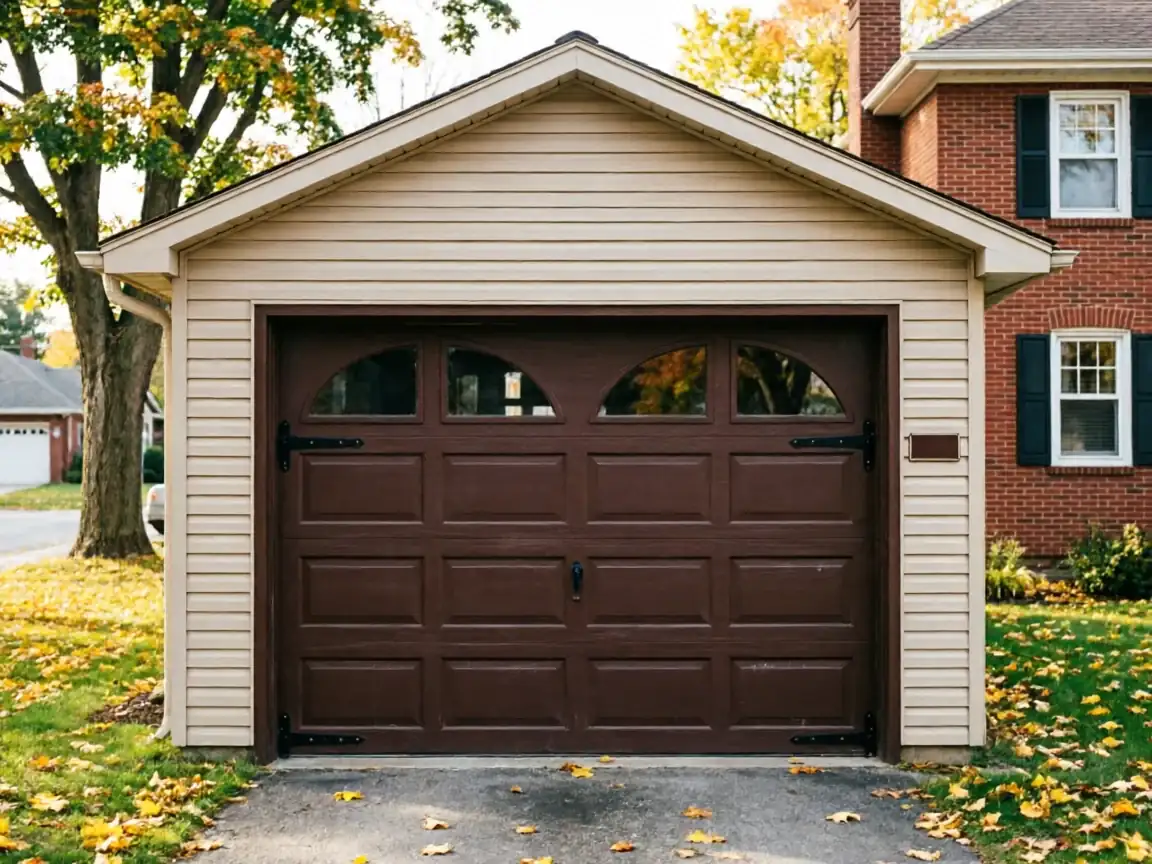
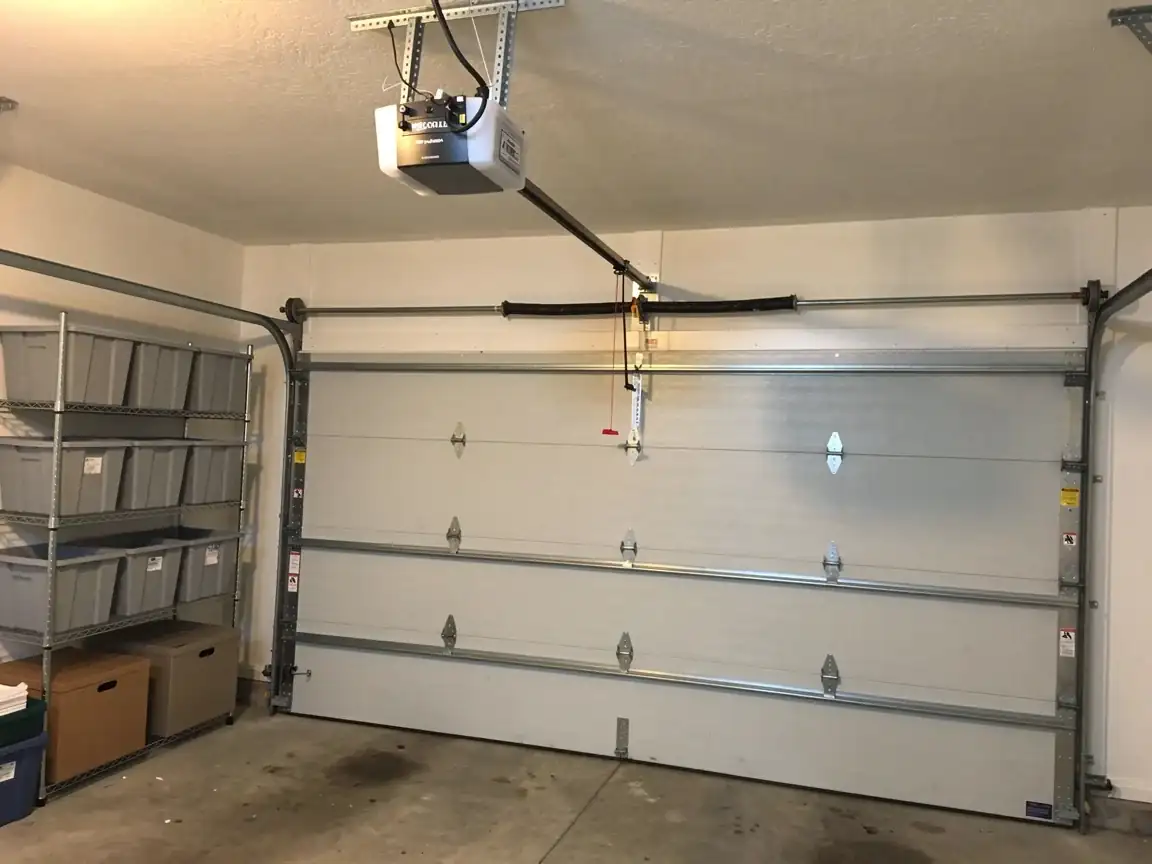
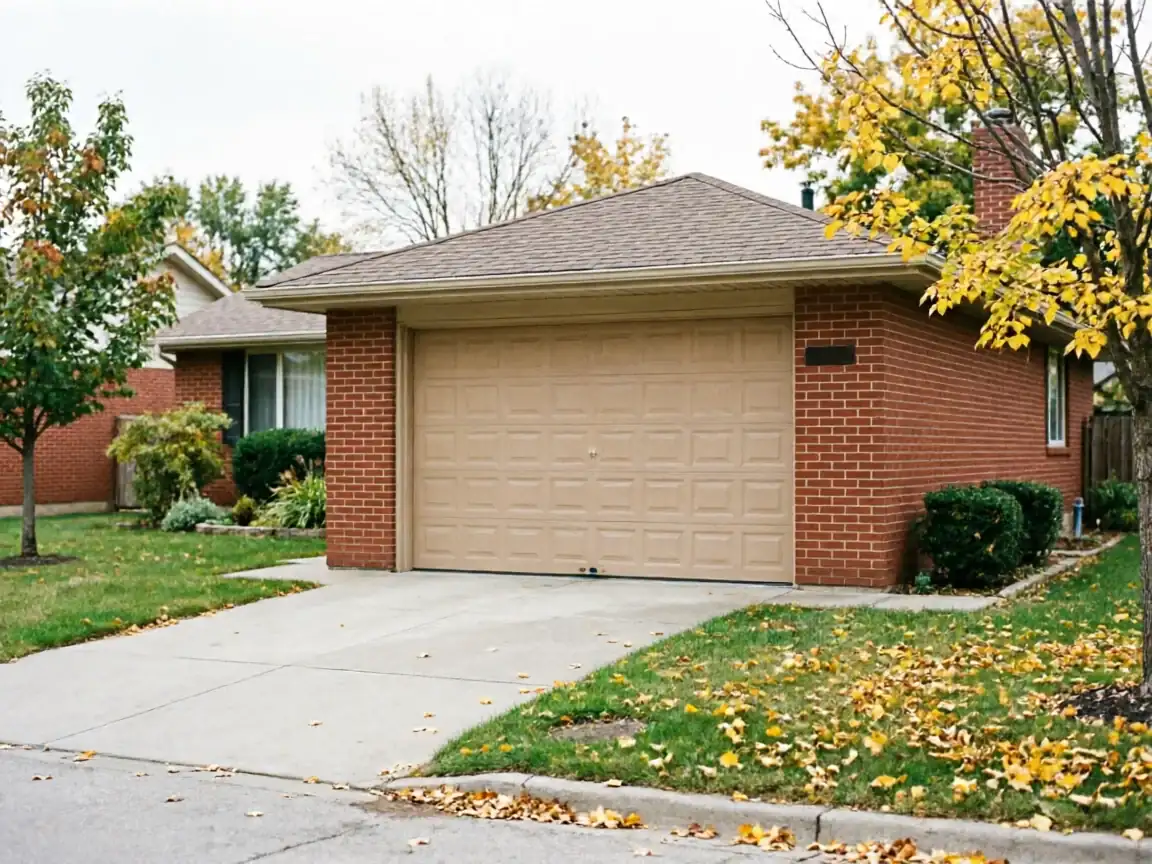
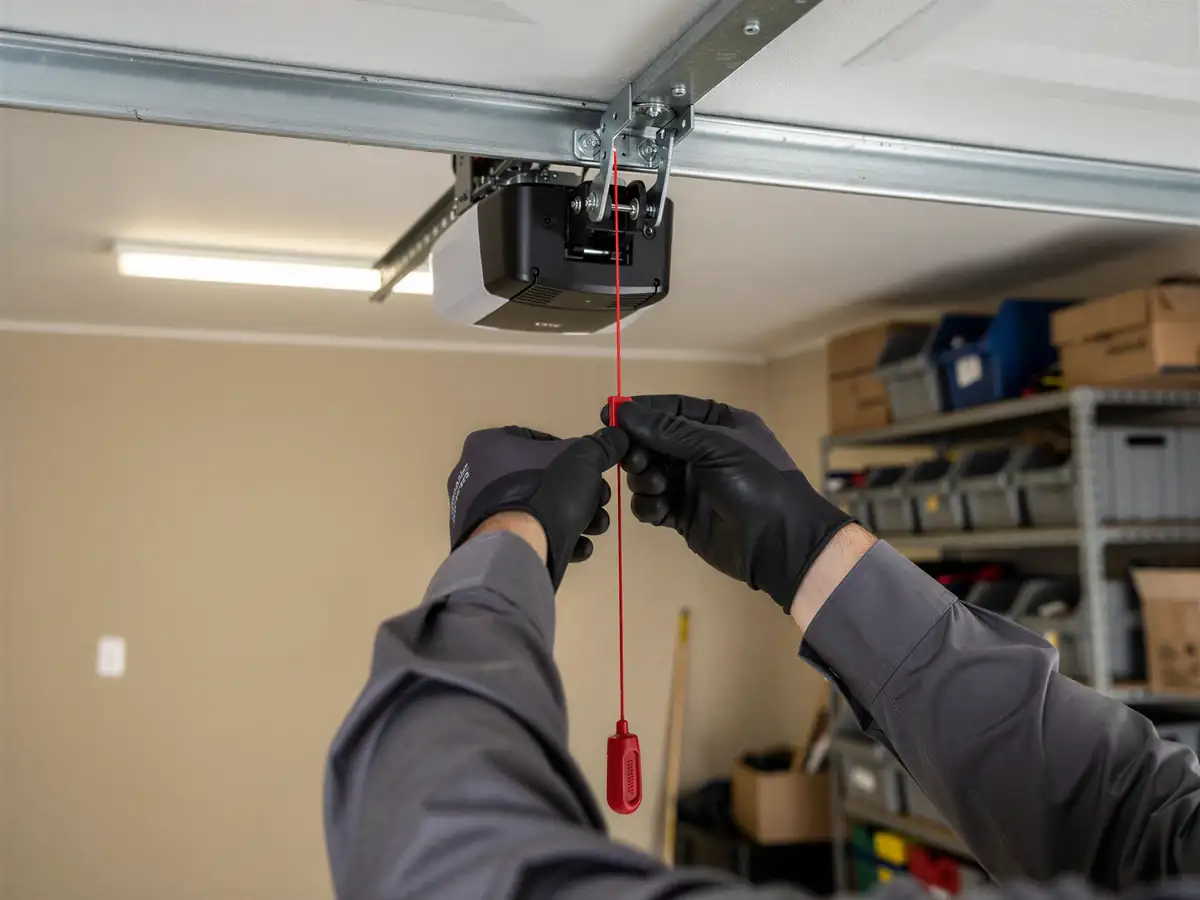
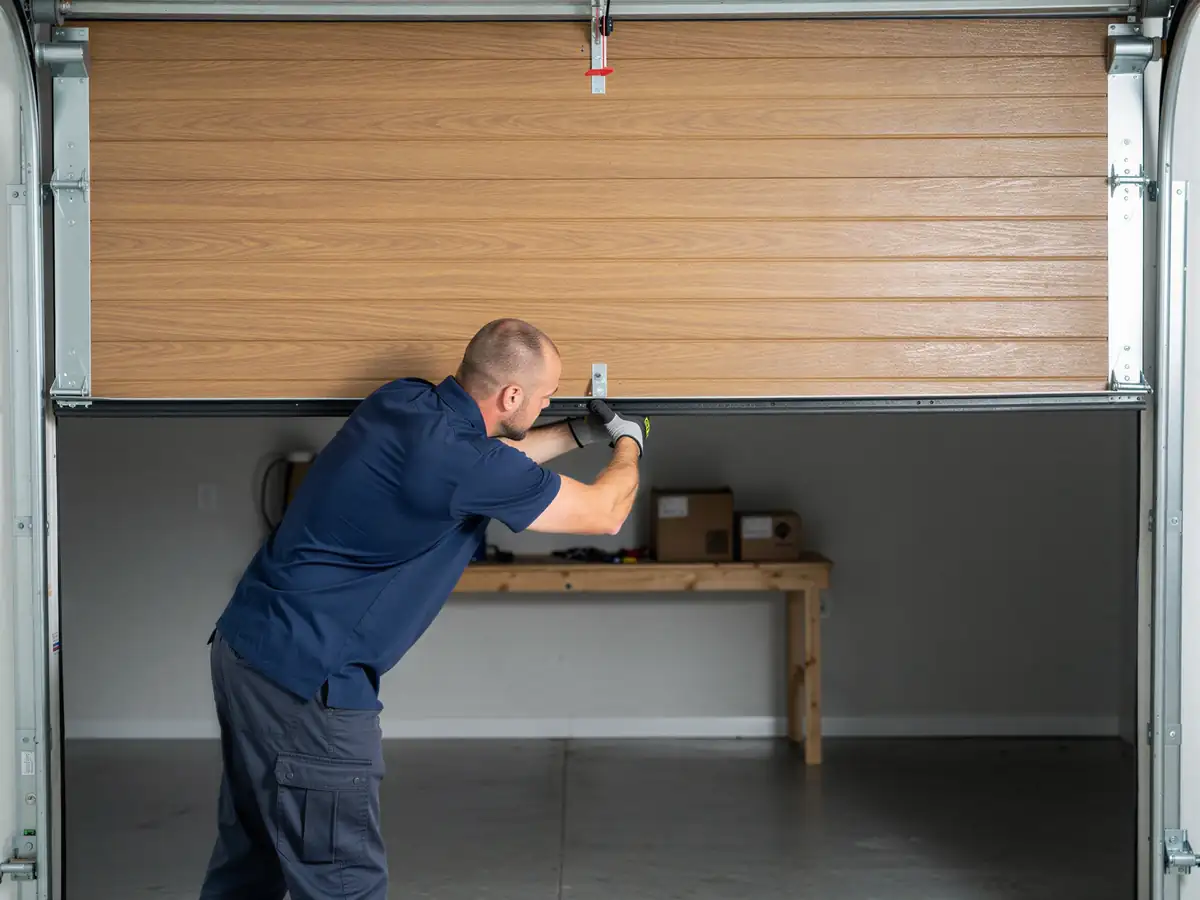
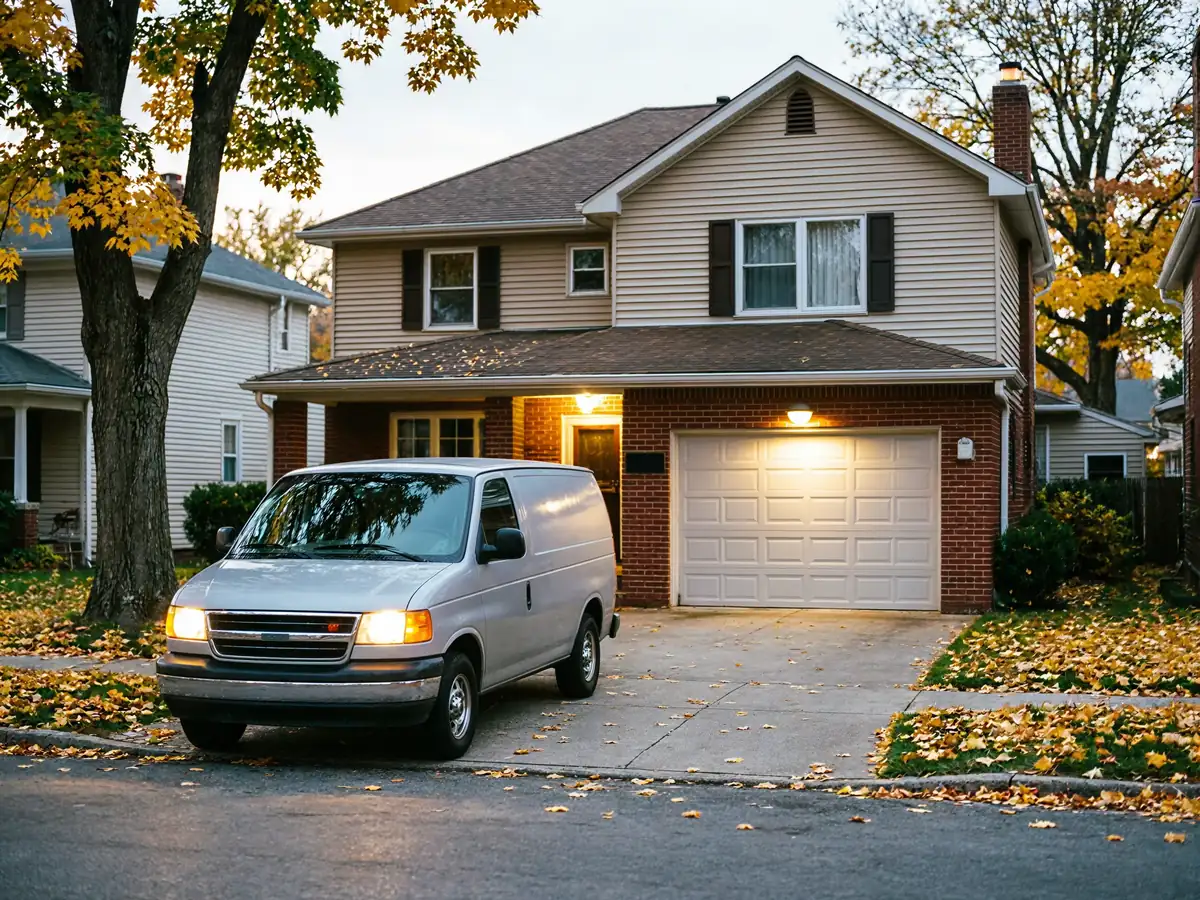
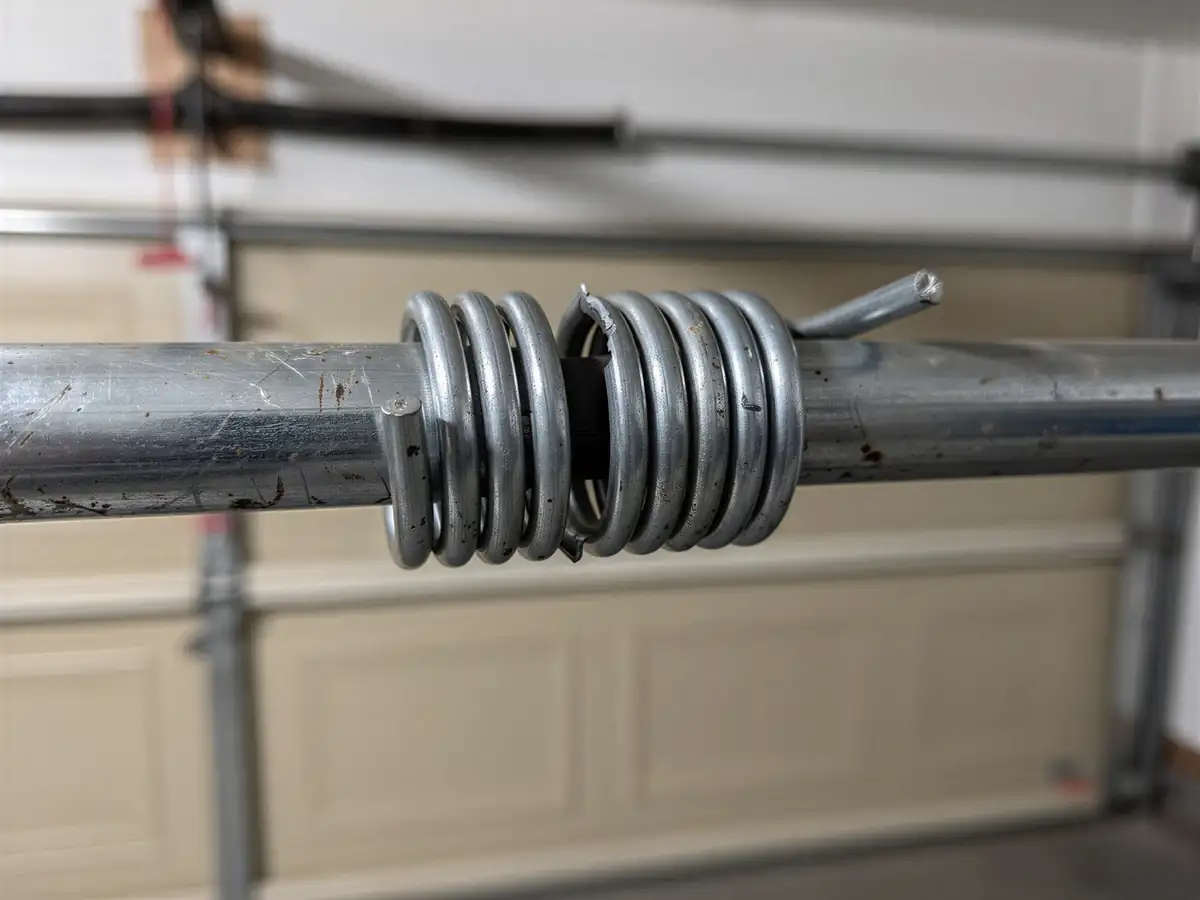
Most houses in Michigan Center went up around 1956, which puts the neighborhood squarely in the postwar build-out that ran from the late 1930s into the 1980s across this part of the service area. A door from that era was almost always a single-layer panel, lighter than anything made today, hung on a torsion spring sized for that lighter weight. Over sixty-some years those springs have cycled tens of thousands of times. The failure looks the same every time: the door won't lift past a foot or two, or it drops fast on the way down because the spring that was holding its weight has given out. Sometimes you hear the bang first - a torsion spring letting go sounds like a shotgun in a closed garage, and it usually happens on a cold morning when the steel is stiffest and least forgiving. If your opener strains and groans before it fails outright, that's the spring giving you warning before it finally snaps.
Why This Fails Locally
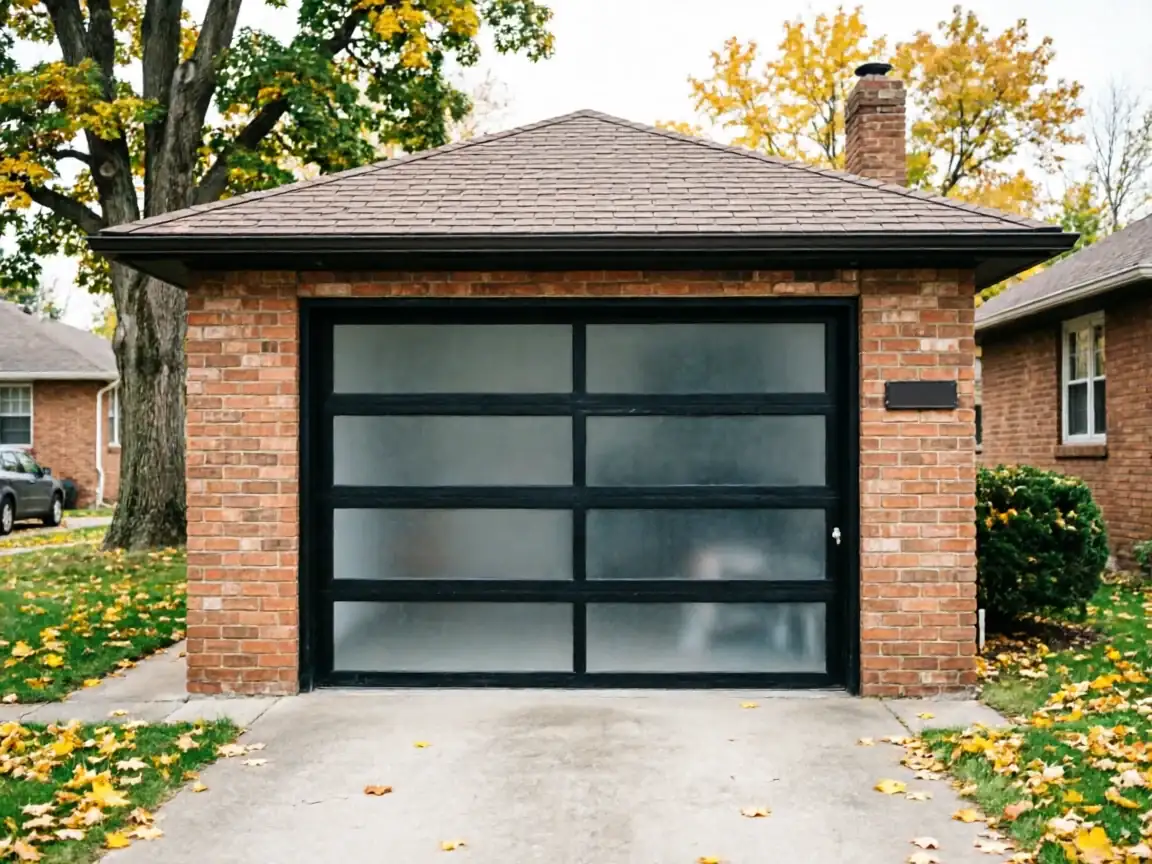
The service area sits in a cold-climate band with severe winter conditions, and torsion springs don't fail evenly across the year - cold steel loses flex, and a spring that's been slowly fatiguing all summer is far more likely to snap on a January morning than a July afternoon. That timing matters more in a neighborhood built in 1956 than in one built in 2005, because the older spring has already absorbed decades of that same cycle. Add to that a median household income of $68,114 here, a touch above the wider Jackson-area figure of $65,349 - which in practice means more of these houses have had at least one replacement door or opener installed since the original, and the spring hardware on the property may not match what the house's age would suggest. We check what's actually on the door before quoting, not what the build year implies.
The Complications
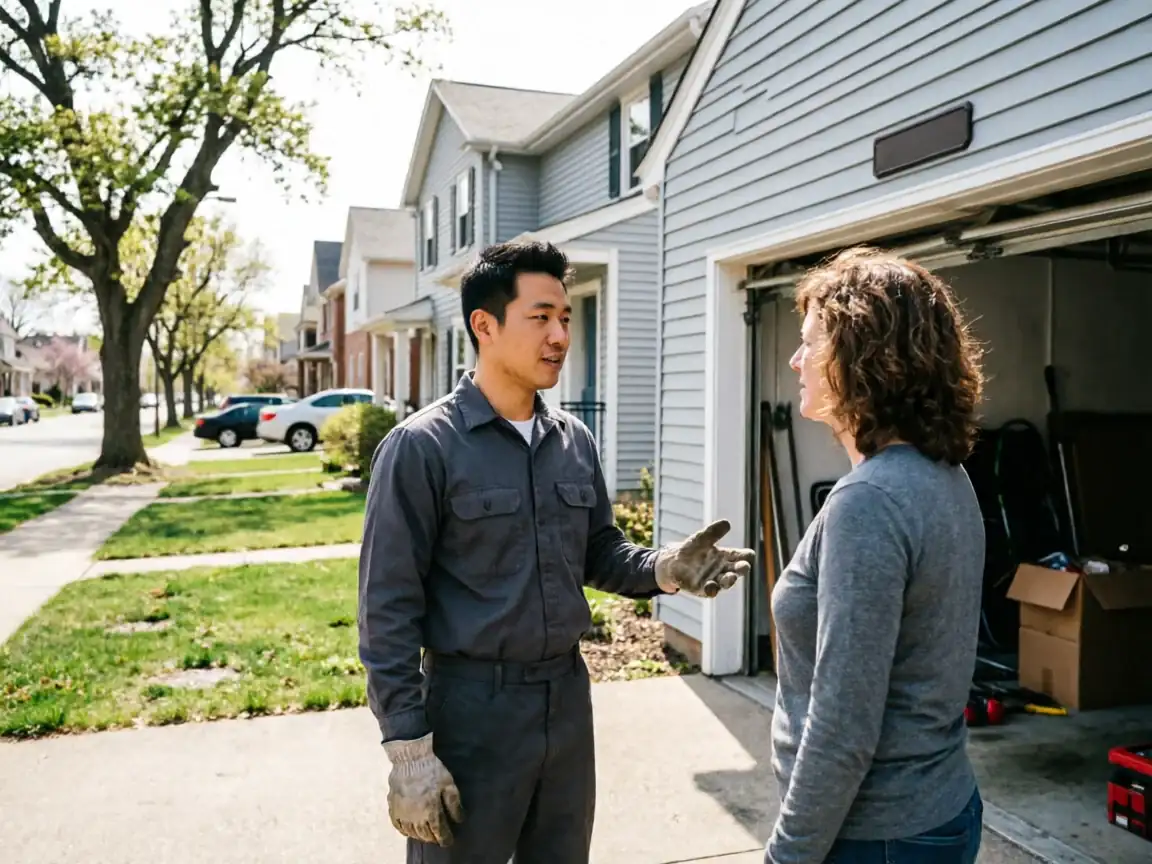
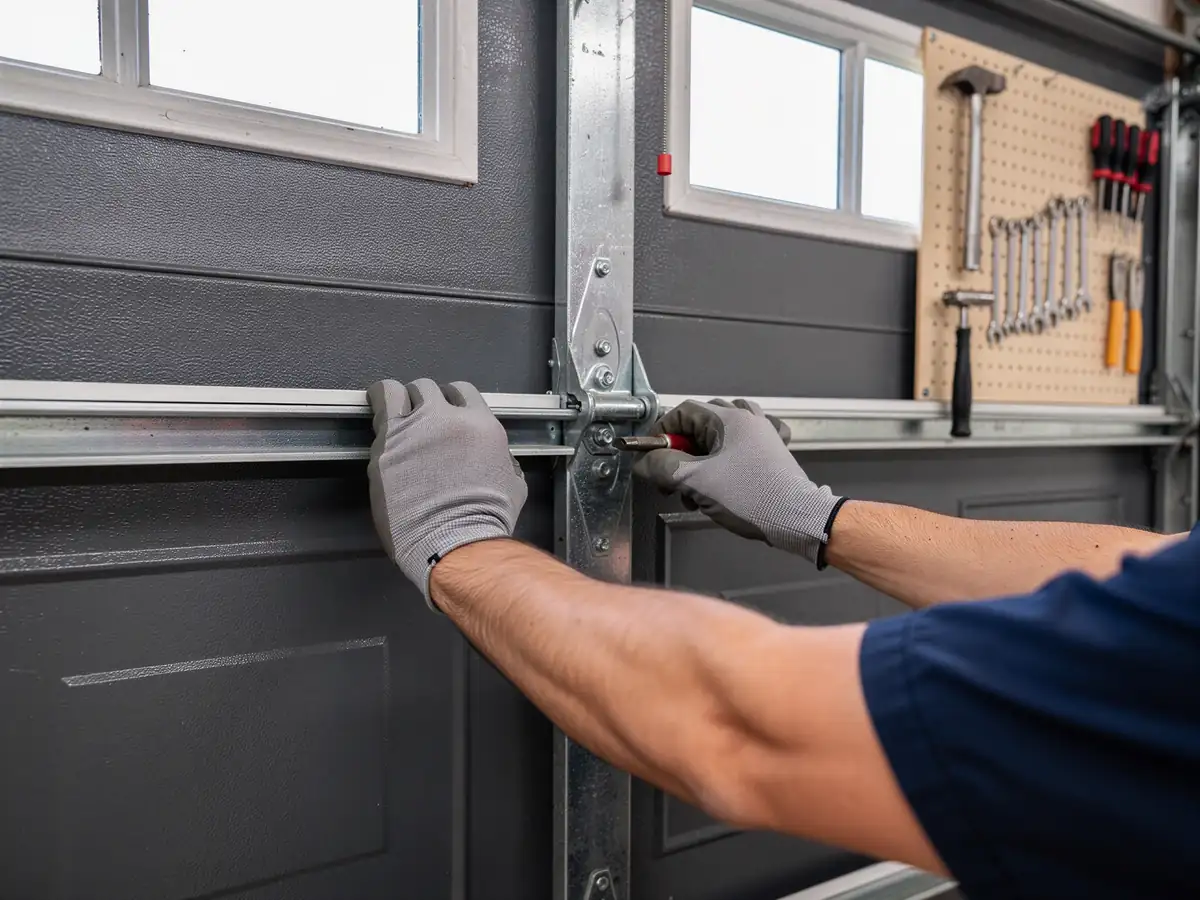
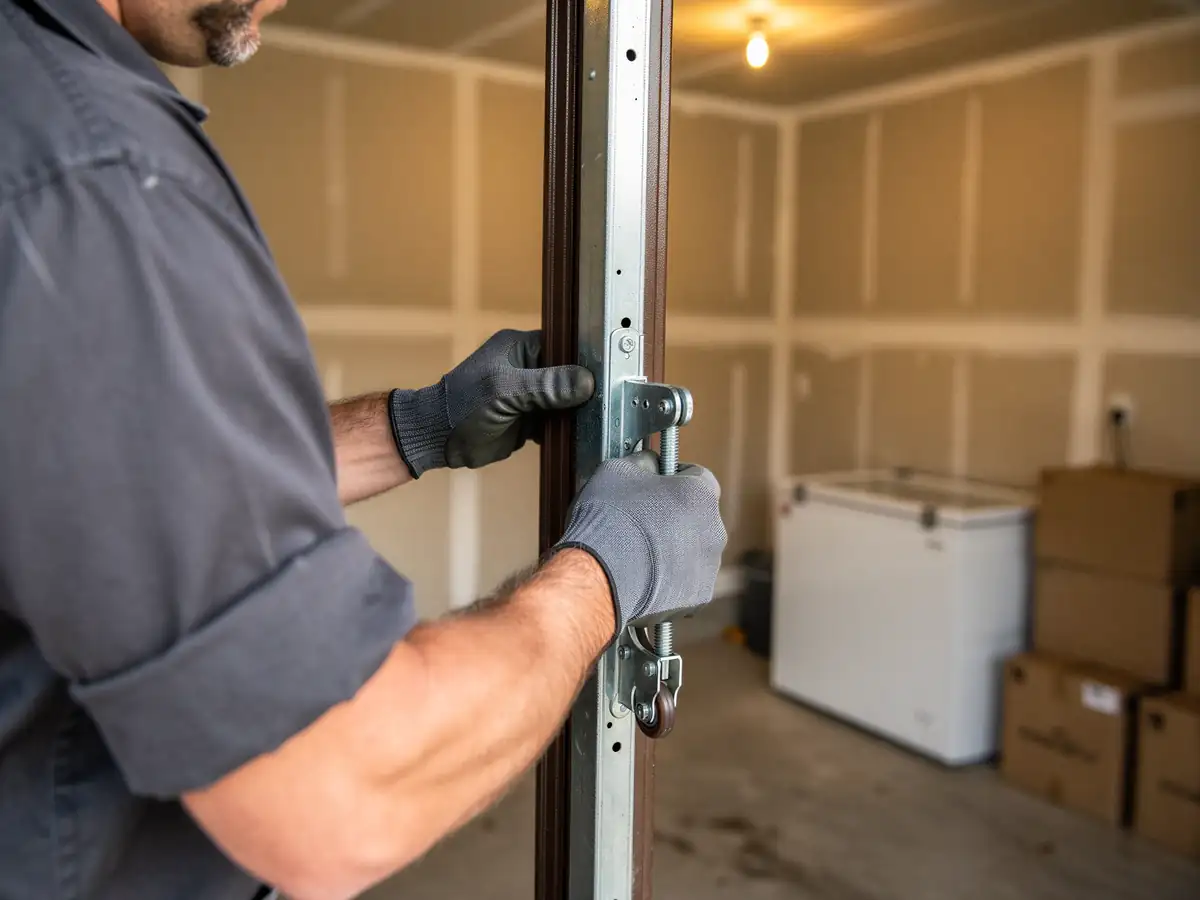
A two-car garage with a single wide door carries two torsion springs working together, and replacing only the one that broke is a mistake - the second one is usually close behind it and we don't recommend leaving it. On older doors, we sometimes find the drums, bearing plates, or center bracket worn enough that the spring isn't the only part failing, which changes the job from a straight swap into something closer to a hardware rebuild. We'll always tell you which situation you're in before we start. One honest limit: if the door itself is warped, rusted through, or the track has pulled away from the framing, a new spring won't fix the underlying problem, and we'd rather tell you that and talk about replacement than sell you a repair that won't hold.