Can You Do This Yourself
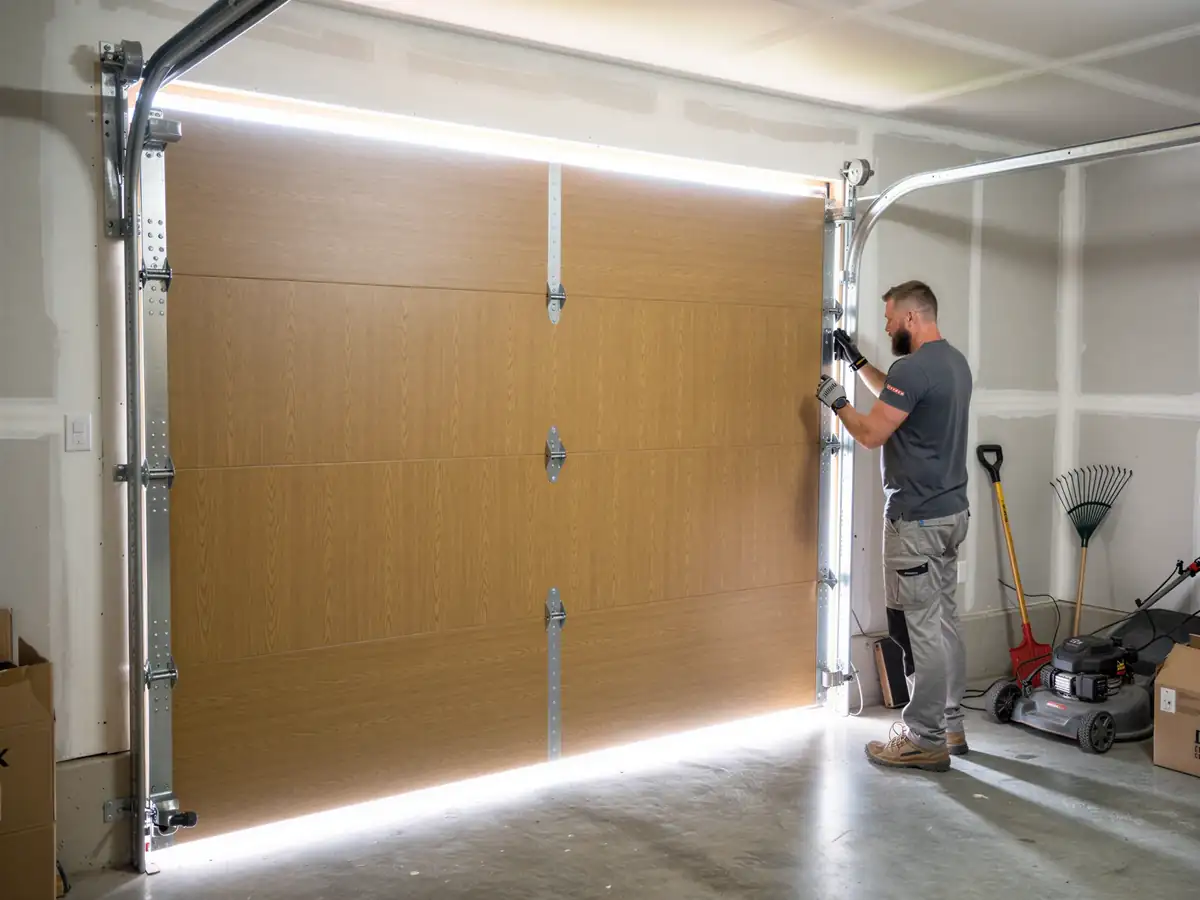
A lot of what goes wrong with a garage door looks simple from the driveway. A door that won't close all the way, a track that's bent, an opener that clicks but doesn't lift. Some of that you can handle: tightening loose hardware, cleaning a dirty photo-eye sensor, lubricating hinges and rollers. That's maintenance, not repair, and it's fine to do yourself.
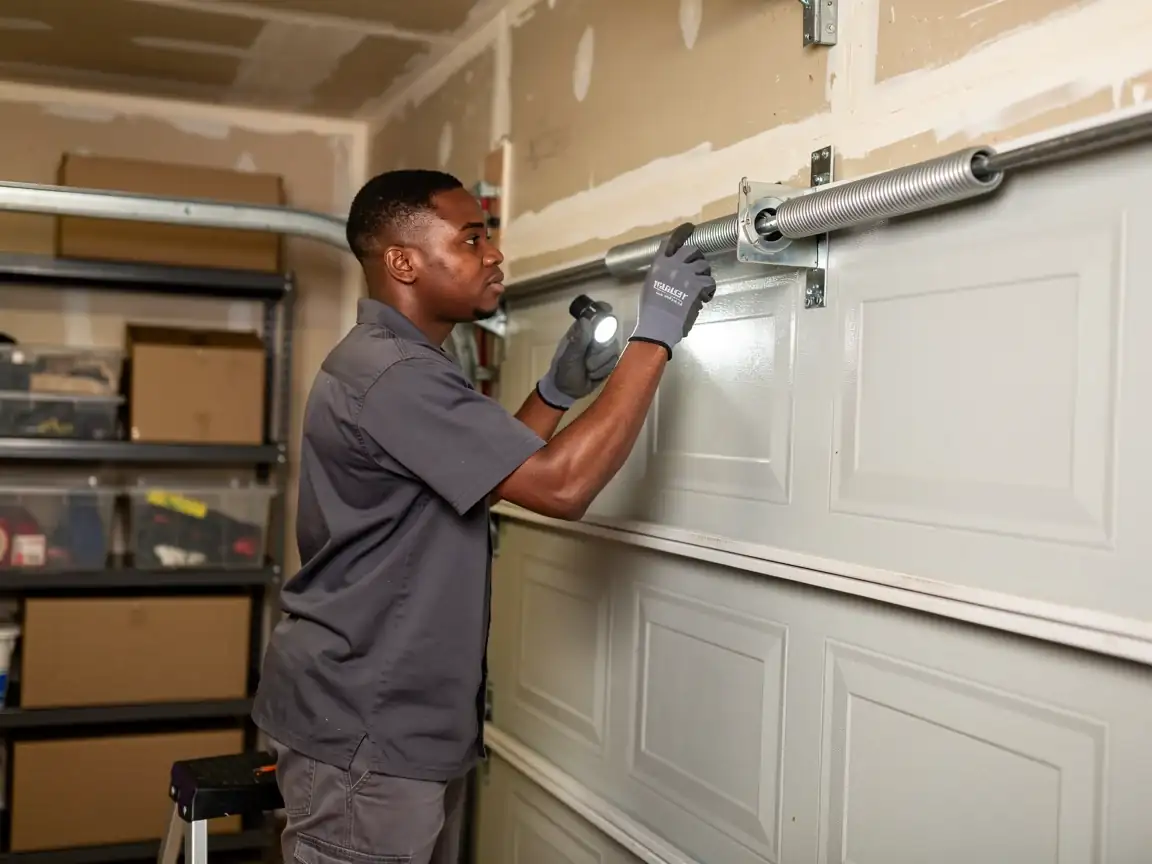
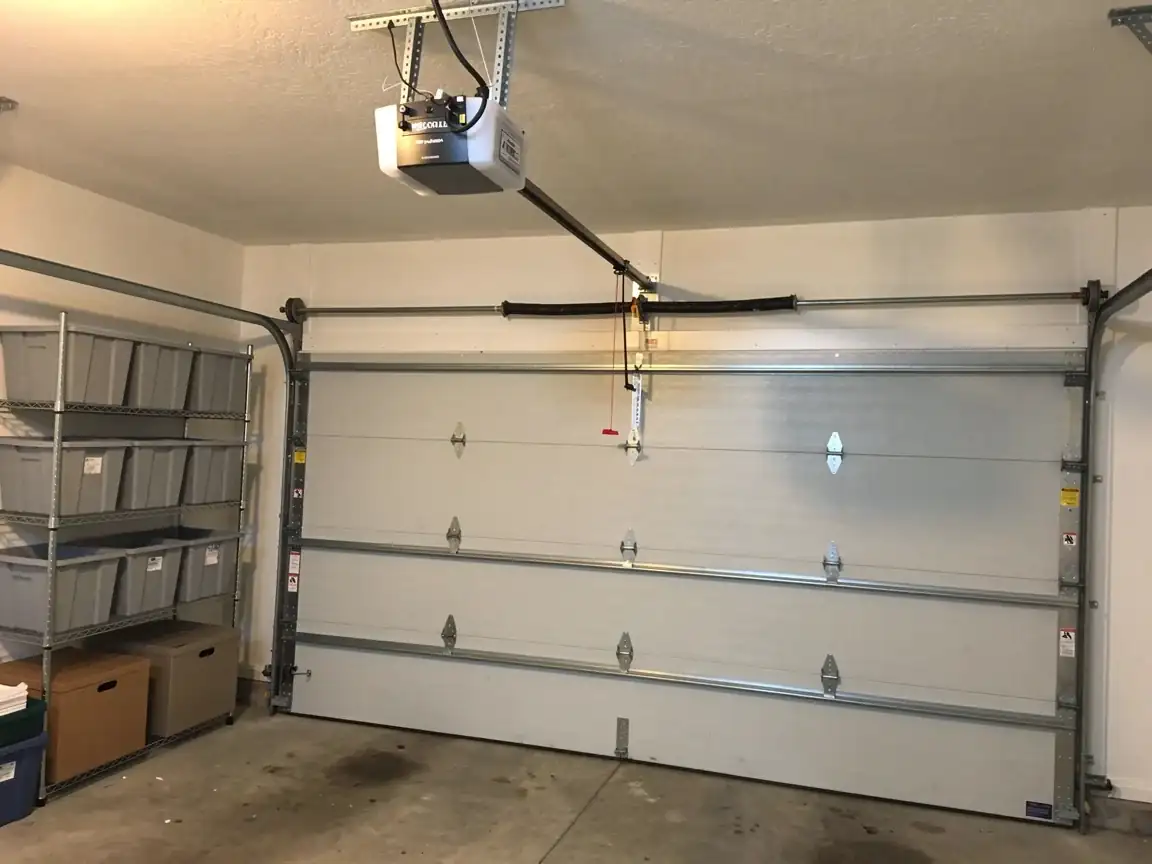
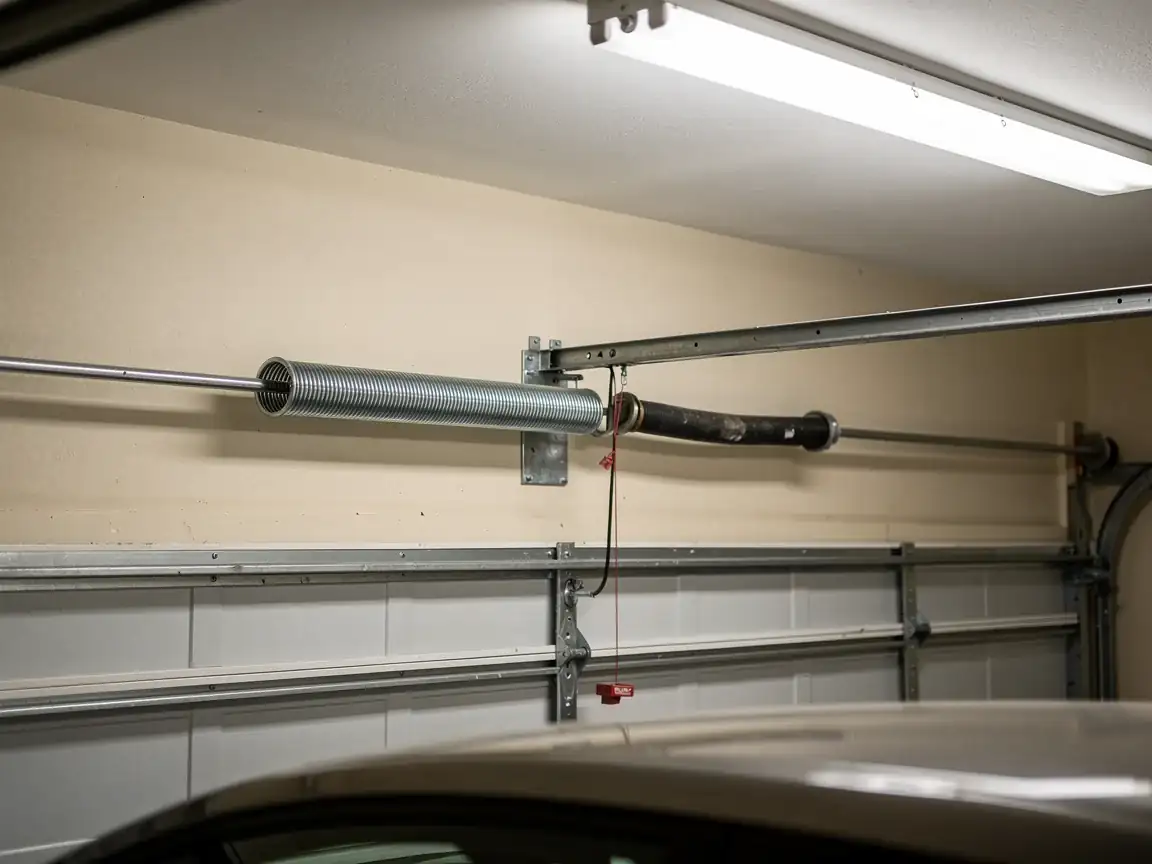
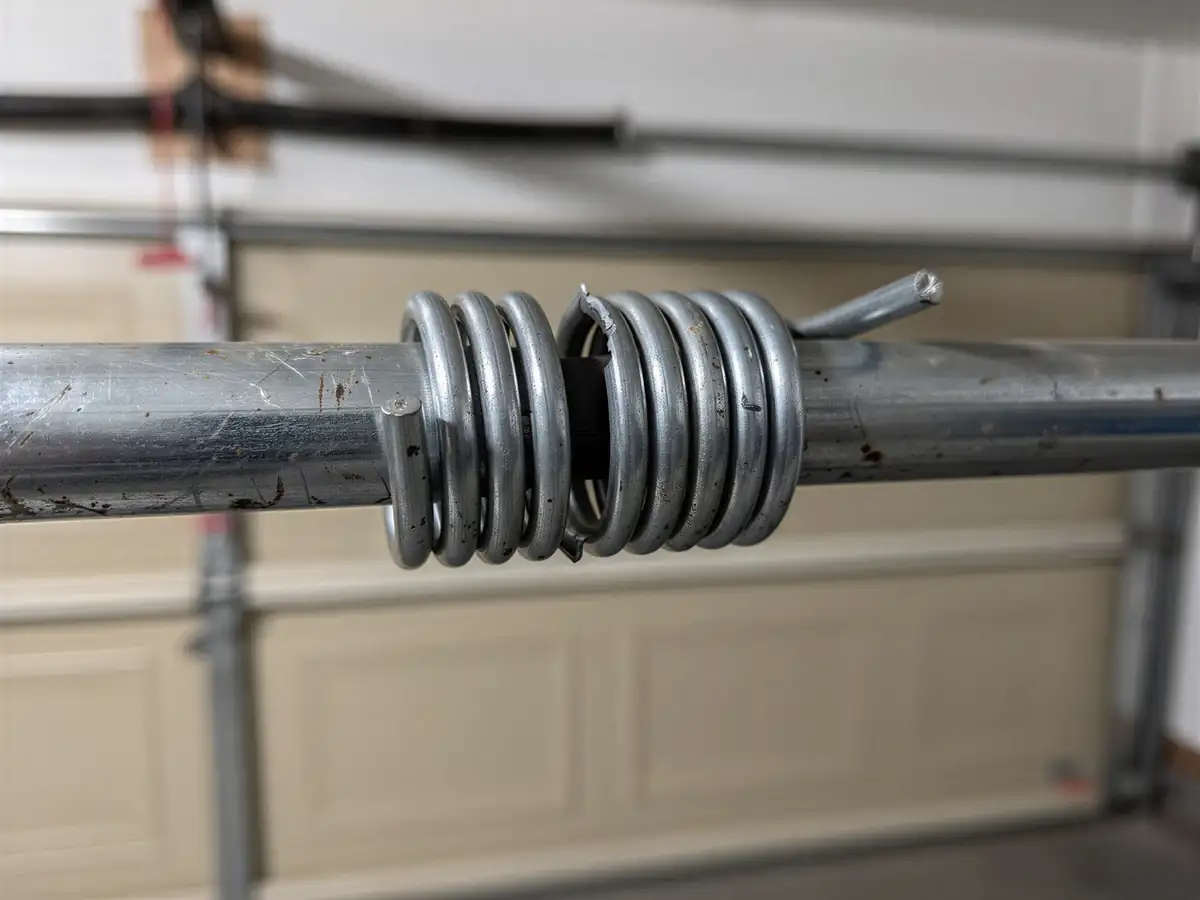
What you shouldn't touch is the torsion spring system. It's wound under enough tension to break a hand or worse, and on the one-piece and early sectional doors still common on houses built in the 1938-1988 window around Jackson, the winding cones and shafts are often undersized by today's standards. There's no winding bar substitute for knowing the drum size and cable drum offset on that specific hardware.
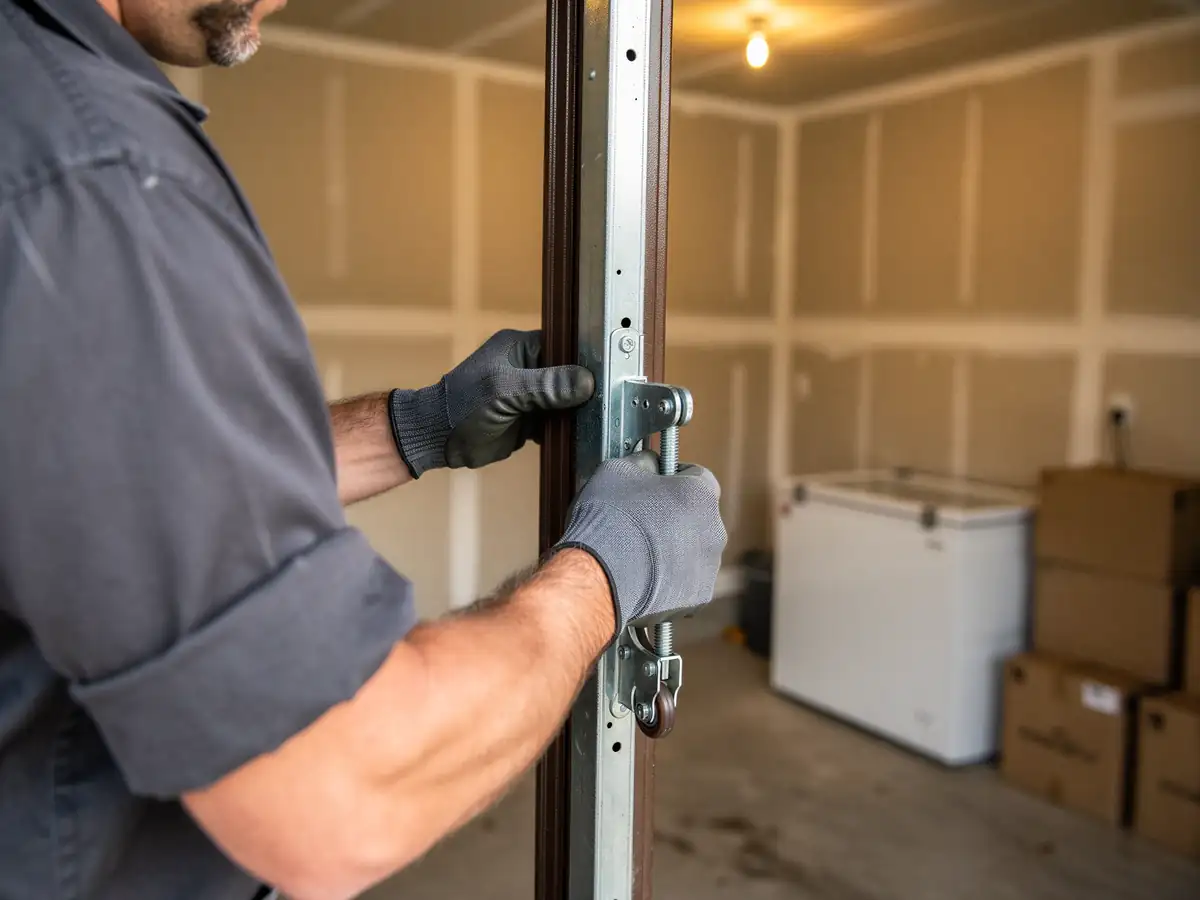
Cables, the bottom bracket, and anything involving the spring assembly are jobs for someone who does this daily. If your door is off its track or a cable has snapped, don't try to force it back - that's exactly how fingers and knuckles get hurt. Call it in and let someone look at the actual hardware before deciding what to do.
Why This Fails Locally
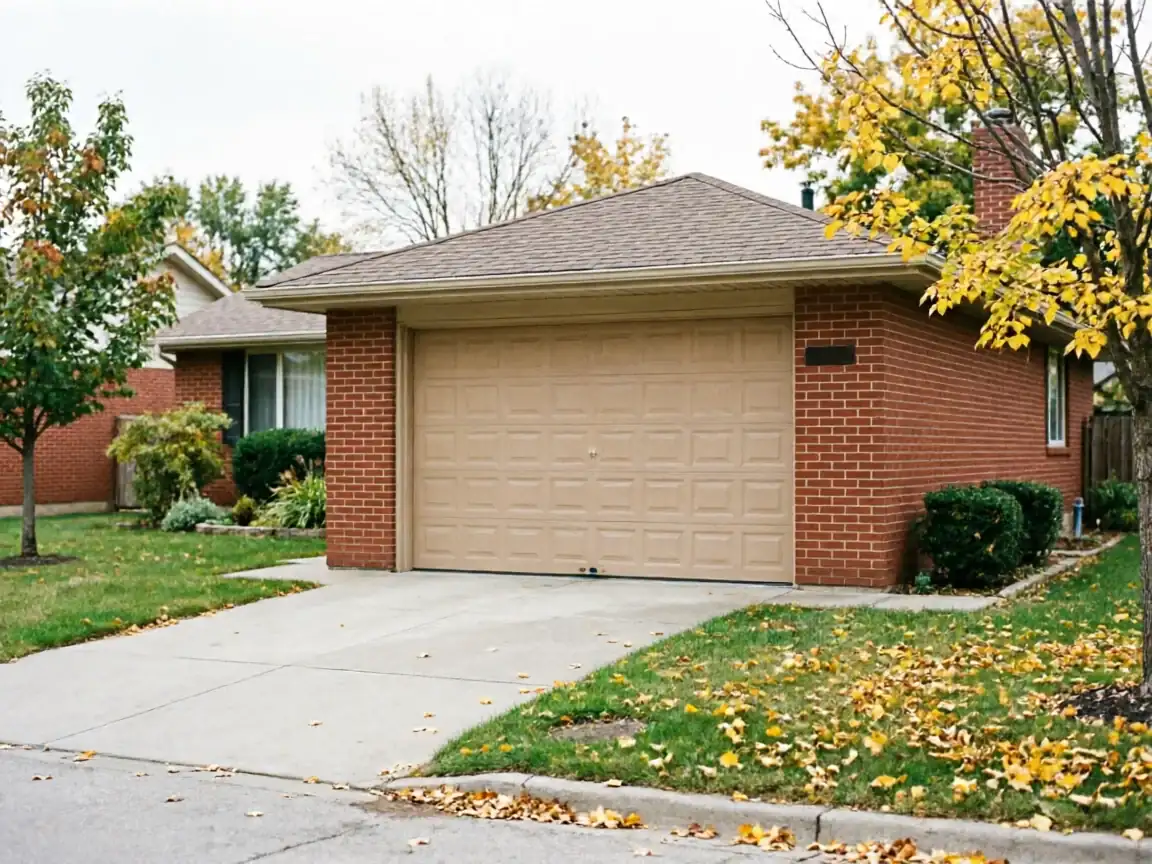
Most of the housing stock across the 19 named areas we work in is pre-1960
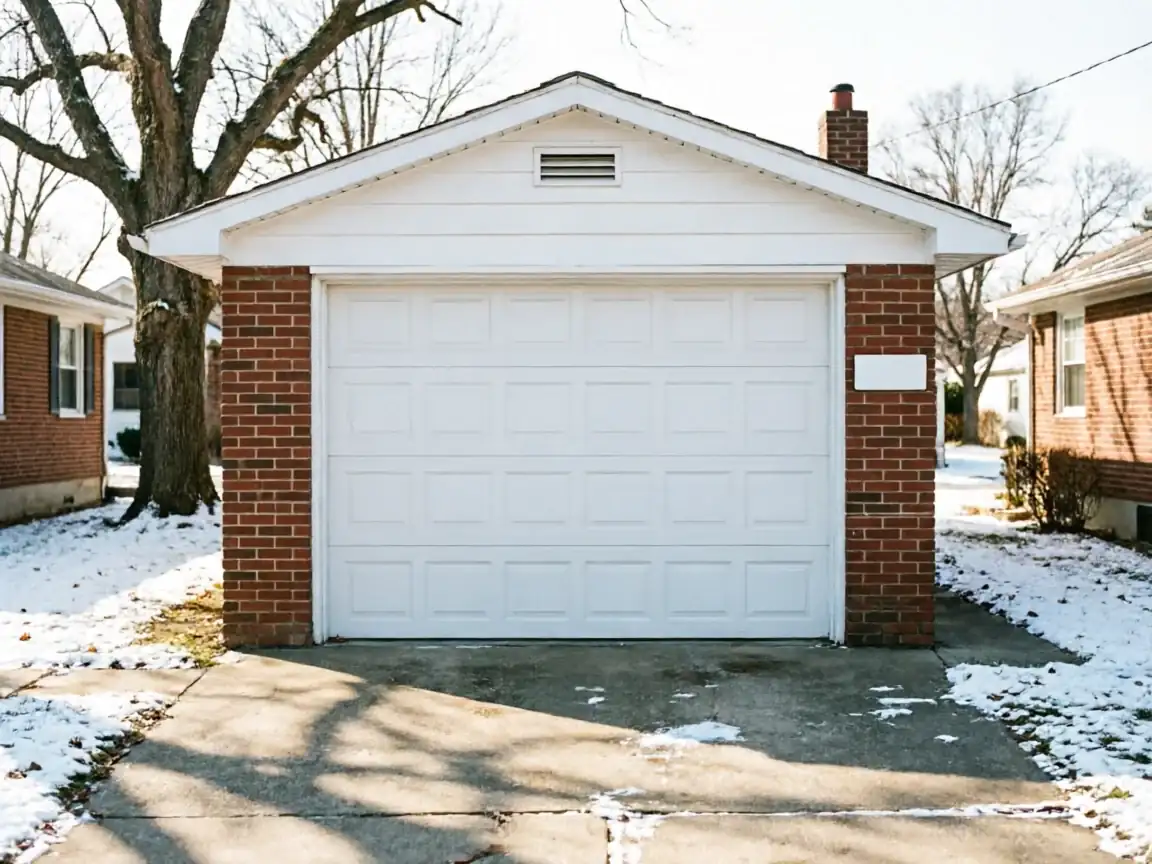
With a median build year around 1954. That matters for garage doors because the hardware installed during that period - lightweight torsion springs, steel tracks sized for much lighter doors, single-strand cables - was never built for the insulated steel and composite doors that replaced the original ones over the decades. When a heavier replacement door gets hung on 1950s-era track and brackets, the whole system runs under more strain than it was designed for.
Then there's the cold
Jackson sits in a cold-severe climate band, and that means real freeze-thaw cycling on anything metal mounted outside a heated space. Torsion springs lose some flex in deep cold, and the metal fatigue that was already building from decades of summer heat and winter cold shows up as a sudden snap, often on the coldest morning of the week. Cables stretch and fray faster under that kind of temperature swing too.
So the common failure here isn't random
It's old hardware under modern load, cycling through hard winters for sixty-plus years. That combination is what we see on the door, not a one-off bad part.
What It Costs
We don't post a price list here because the right number depends on what's actually wrong - a spring job, a cable, a bent track, or hardware that's original to a house built decades ago and no longer matches what's stocked for modern doors. Parts availability matters more on older systems: if your door still has its original 1950s or 1960s track and drum setup, we may need to source a part that isn't sitting on the truck, and that adds a day or two versus a same-day fix on newer hardware.
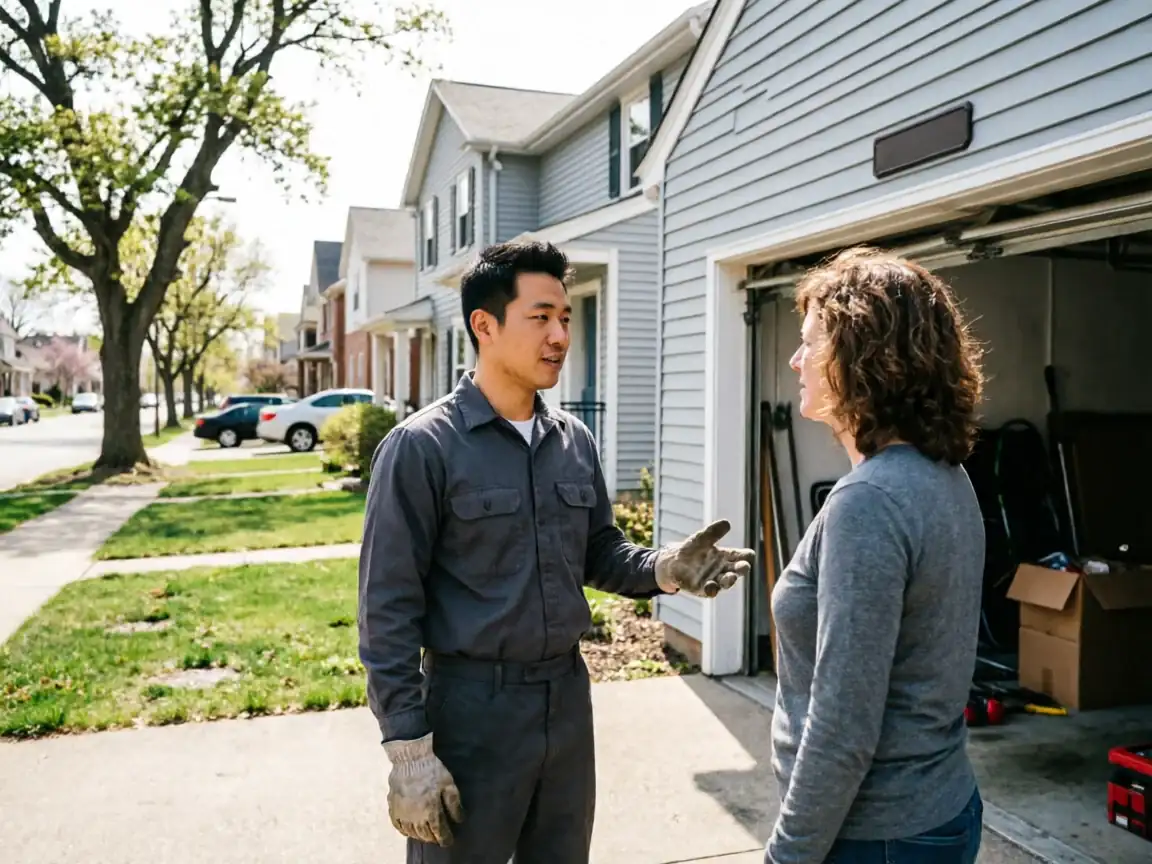
What we can tell you is that a repair quote should come after someone looks at the door in person, not off a phone description. Spring tension, drum size, and cable gauge all change what the job actually involves, and guessing at a price before that is how homeowners get surprised later.
One honest limitation: if the opener, track, and springs are all original to a house from the 1938-1988 era and all failing around the same time, patching one part is sometimes a short-term fix. We'll tell you straight if replacement is the better call rather than running up a repair bill on hardware that's on its way out anyway.
How It Shows Up
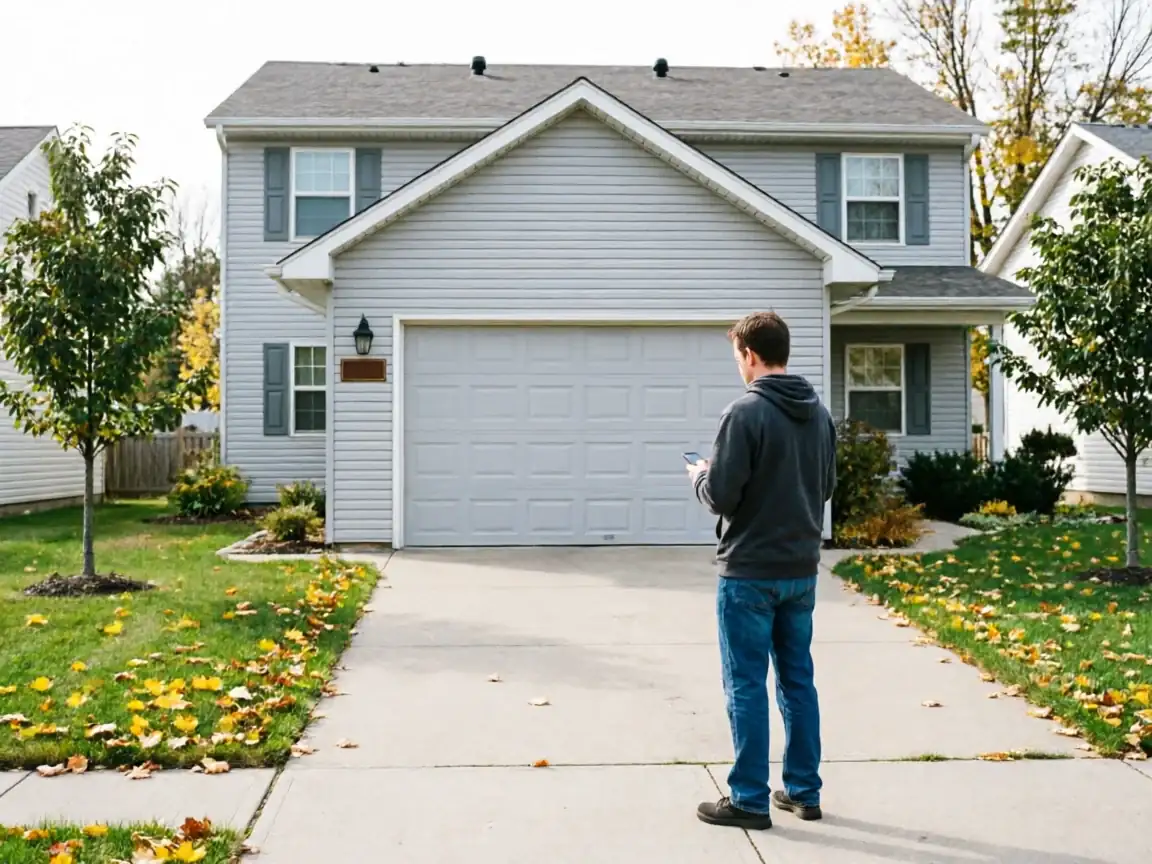
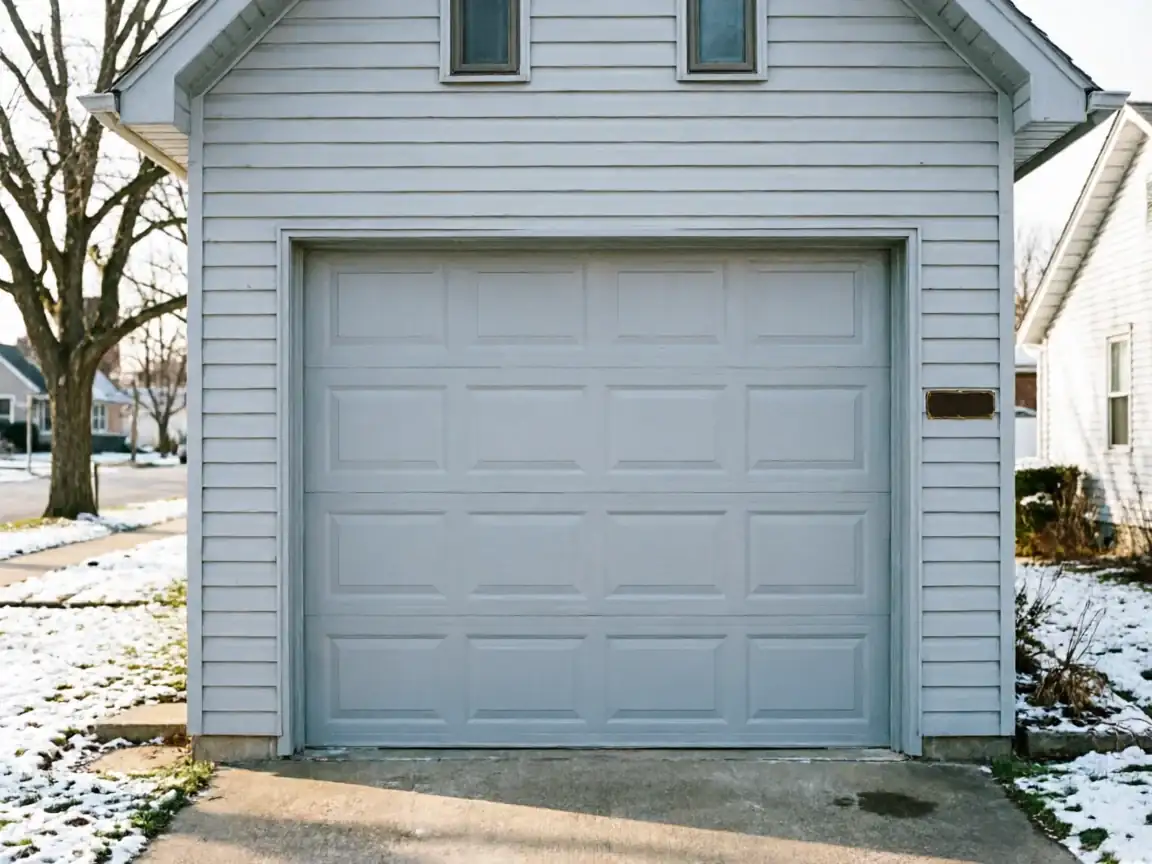
The most common call we get is a door that won't budge, or one that starts up and stops partway - that's almost always a spring that's lost tension or snapped outright, and it happens more in the cold months here than any other time of year. Second most common: a door that's noisy or drags to one side, which usually points to a track that's shifted or hardware that's worn past the point lubrication can help.
On the older one-piece doors still found on houses from the 1950s, the failure often looks different - the whole door sags on one side because the original hardware wasn't designed for the door's current weight after years of panel sag and hinge wear. That's a different repair than a modern sectional door with a broken spring, even though from the driveway they can look similar.
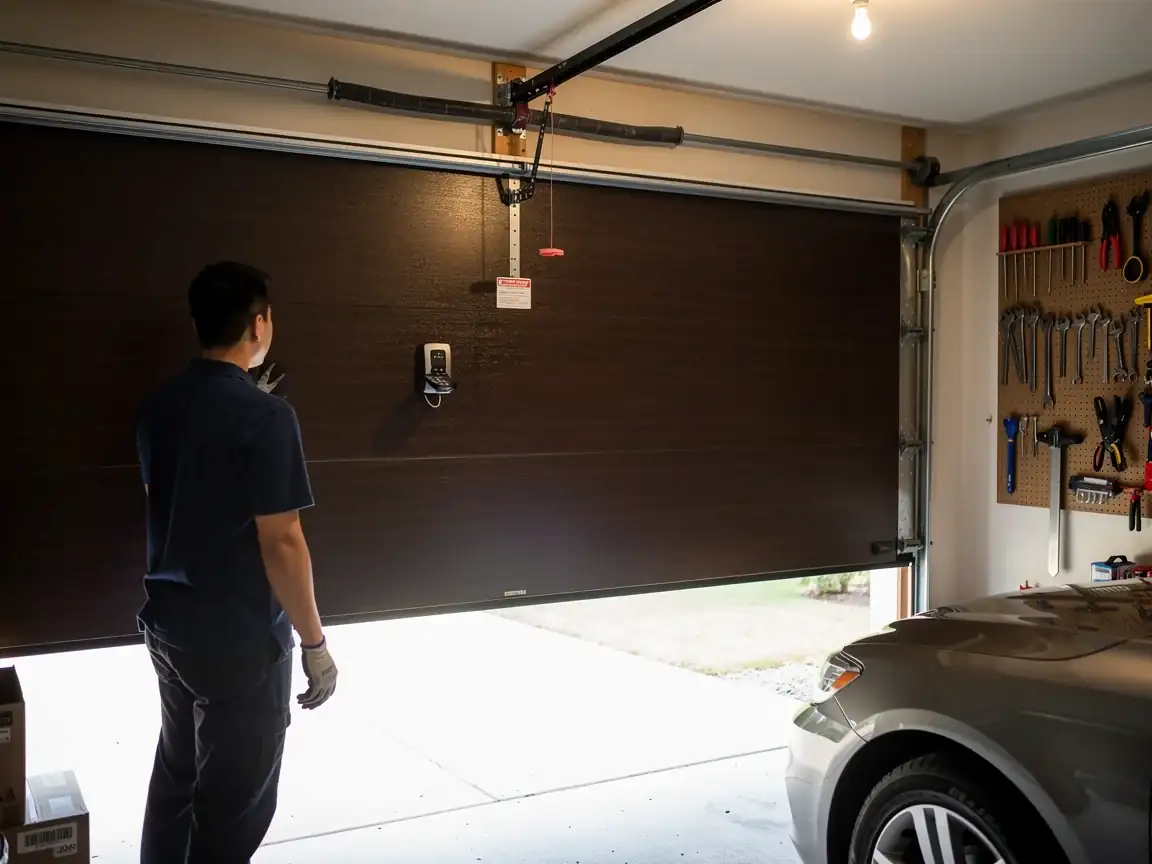
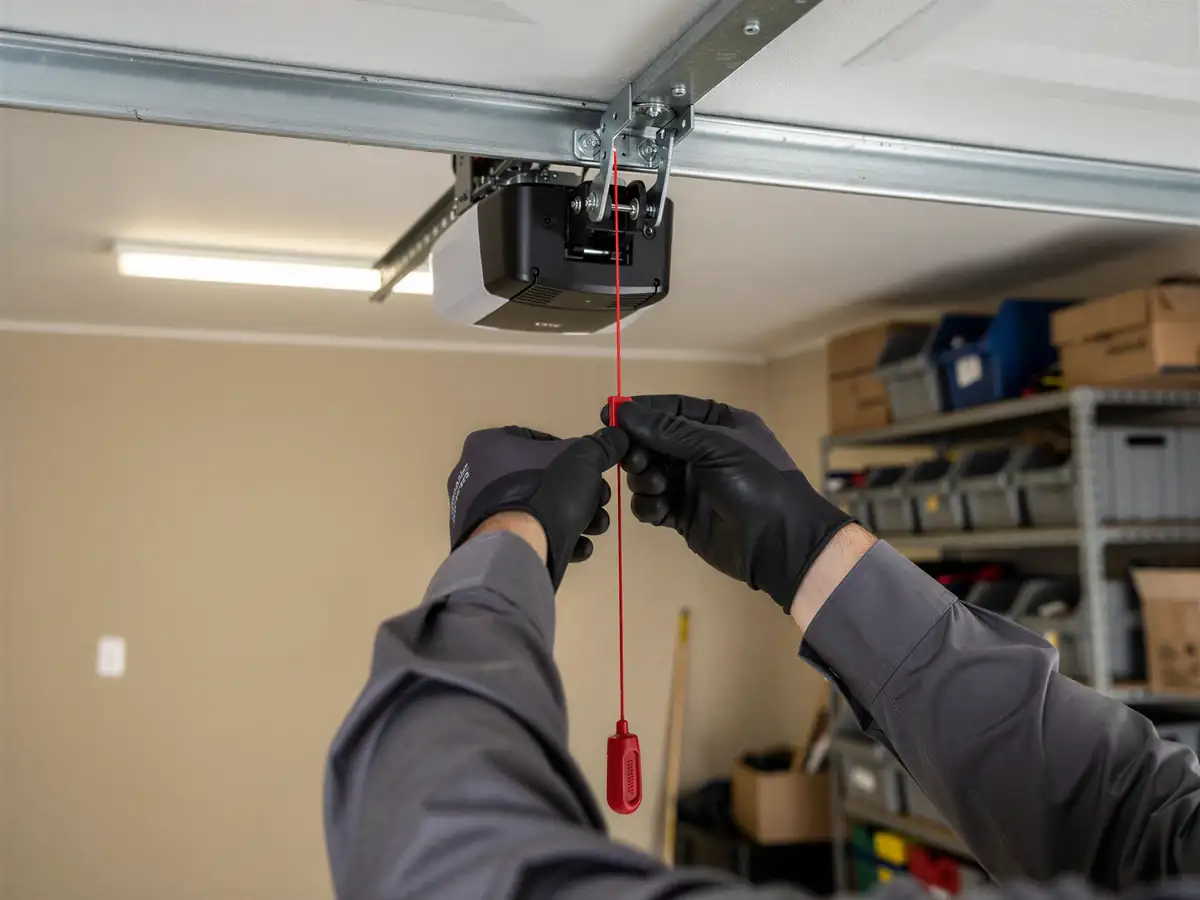
If your opener runs but the door doesn't move, that's a separate issue - usually the drive mechanism or a disconnect that's been tripped, not the door hardware at all. Worth mentioning which symptom you're seeing when you call, since it changes what we bring on the truck.