Can You Do This Yourself
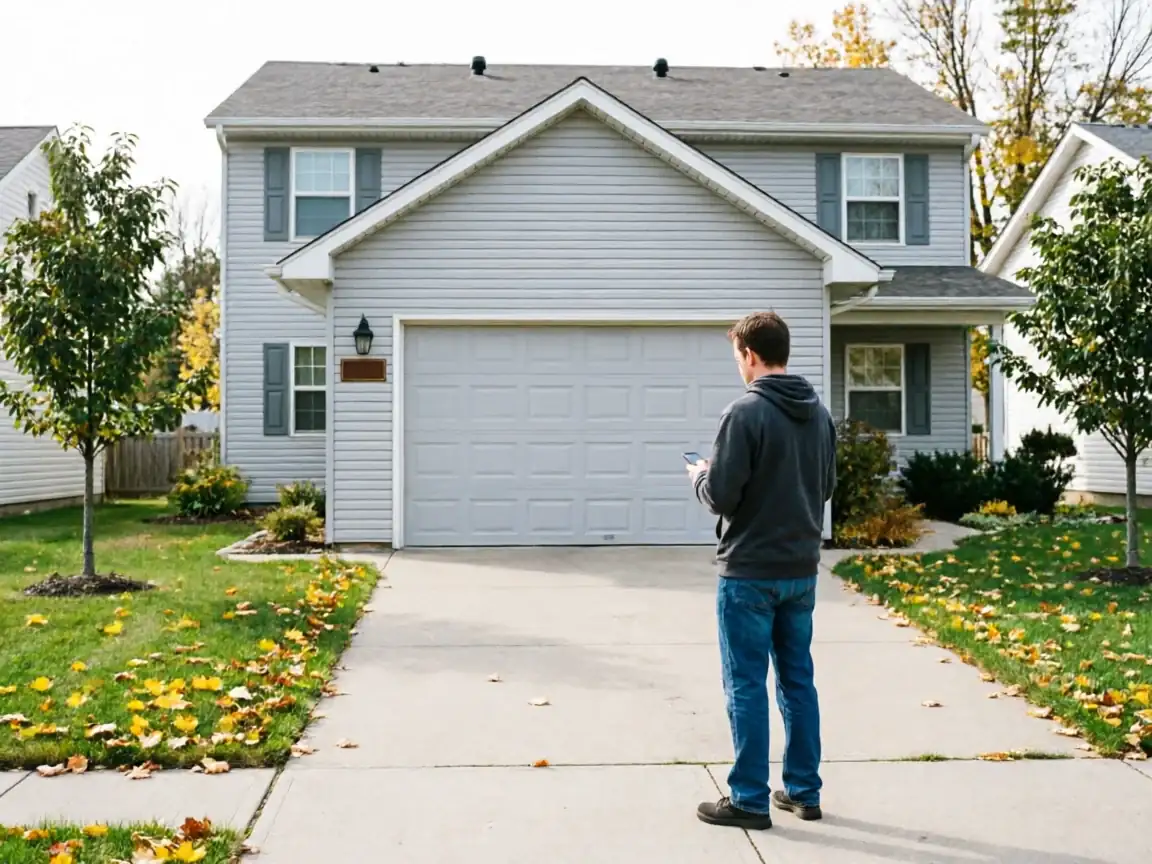
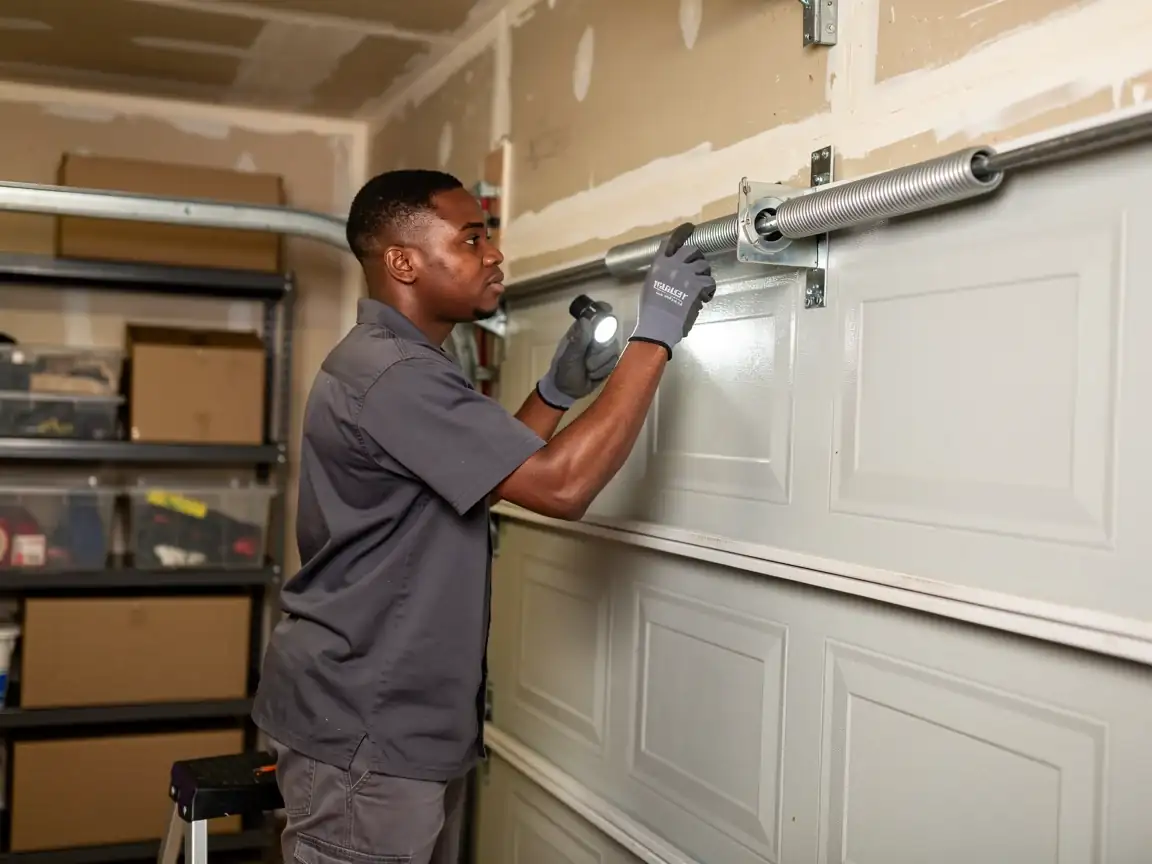
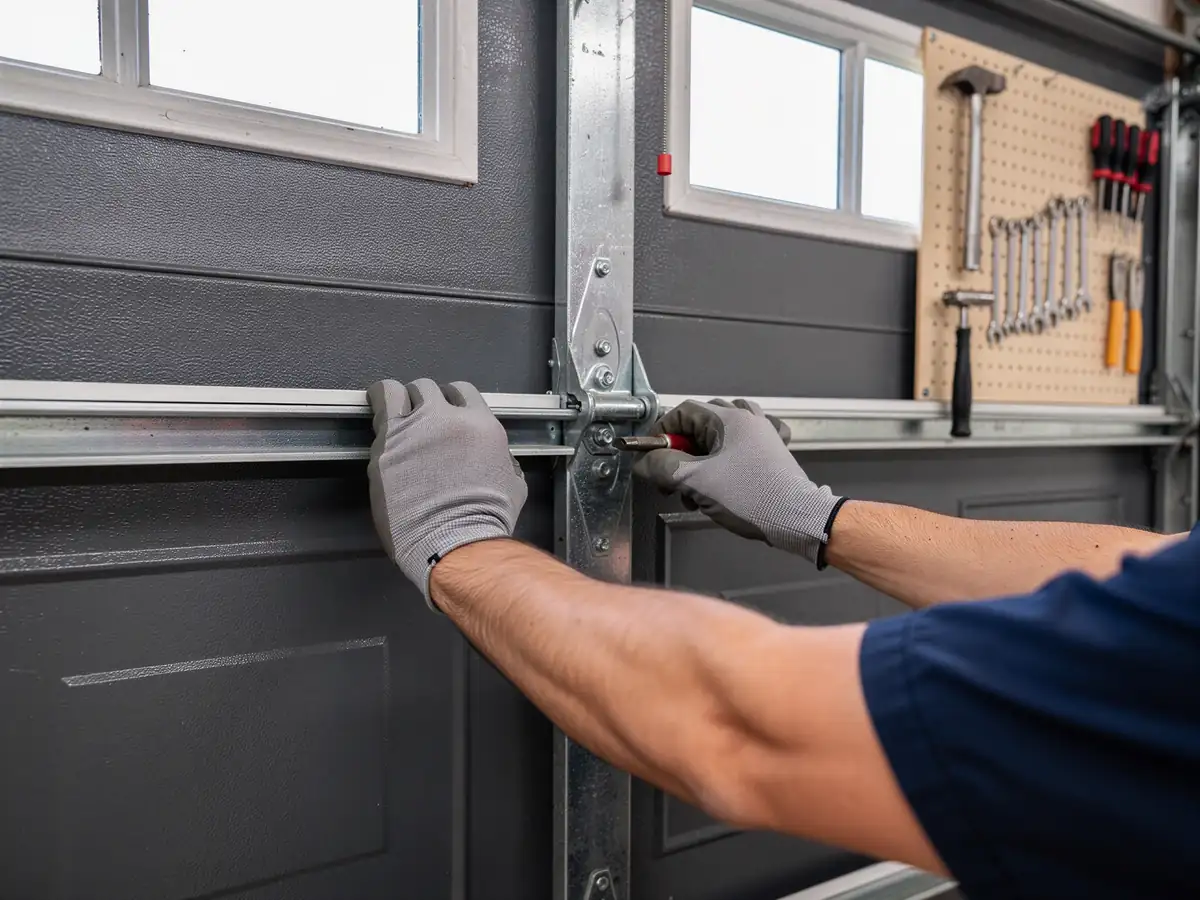
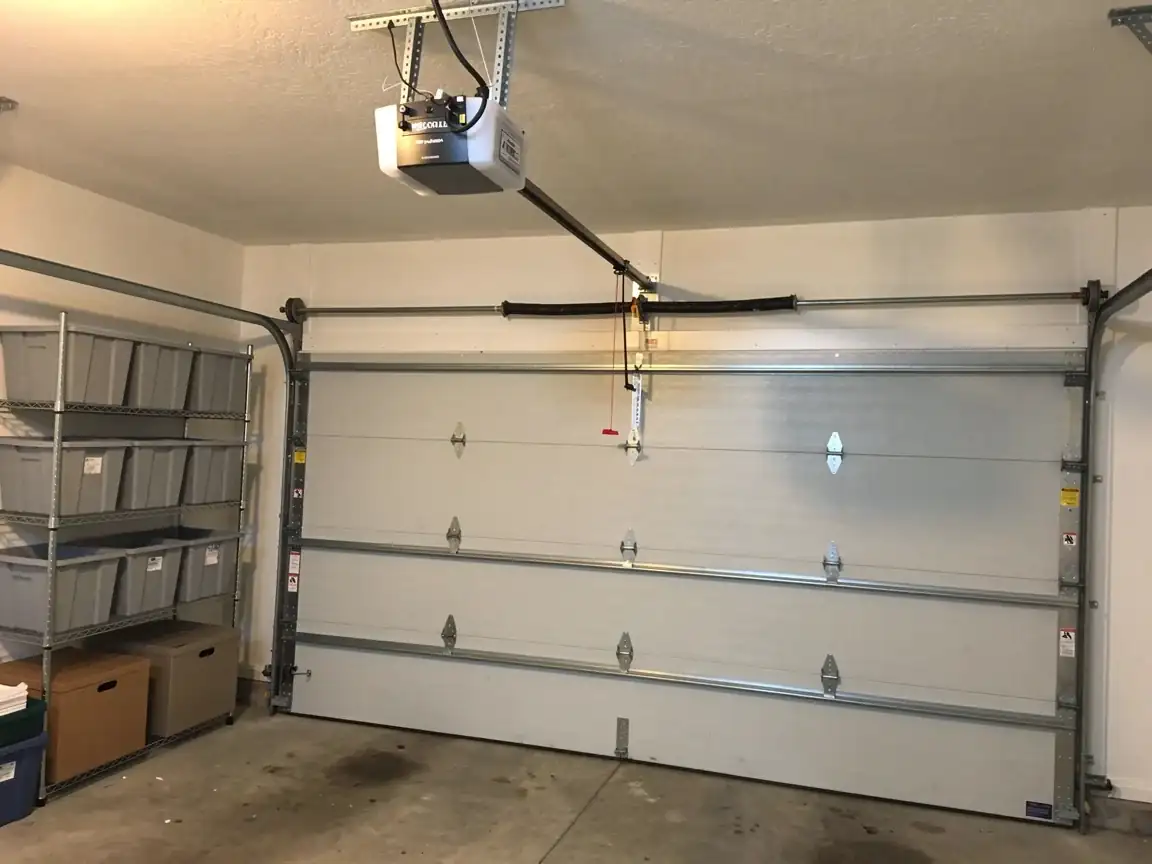
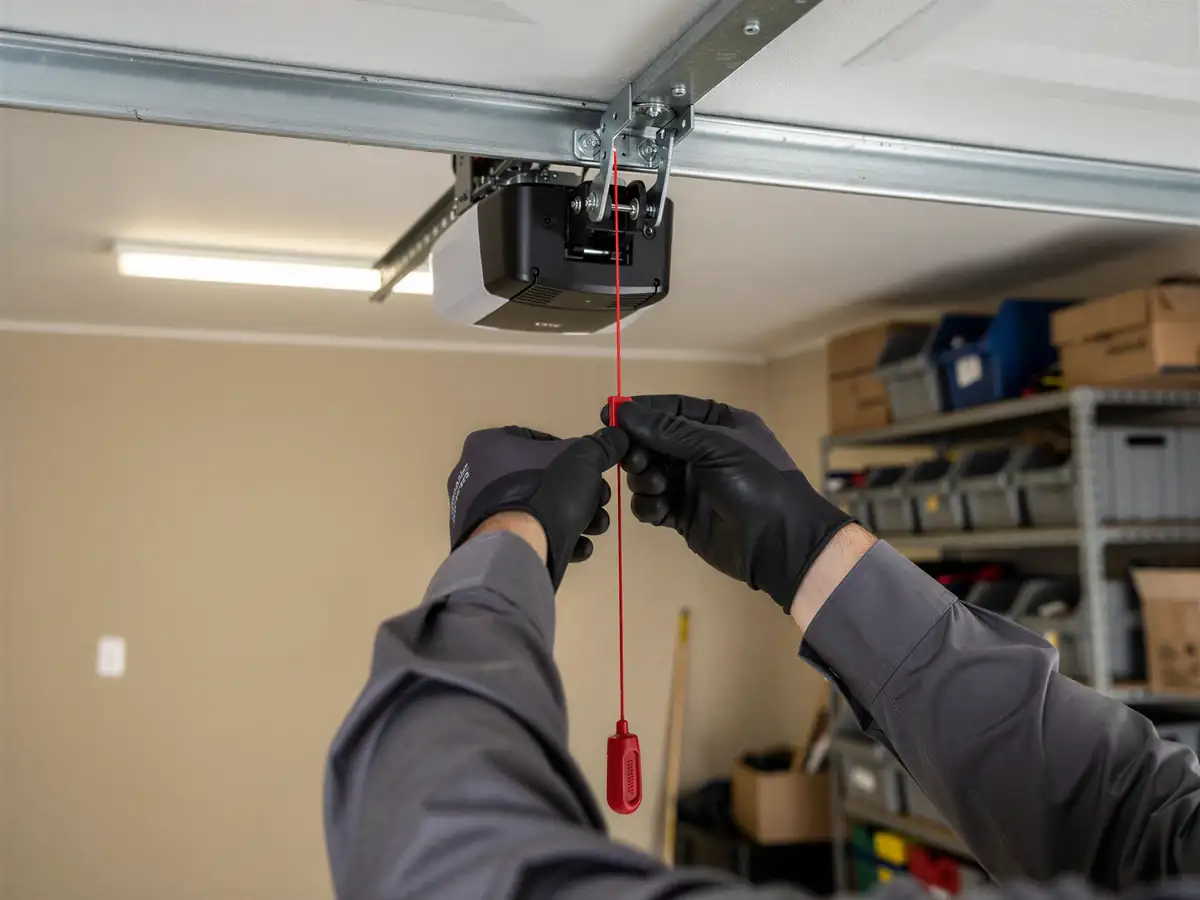
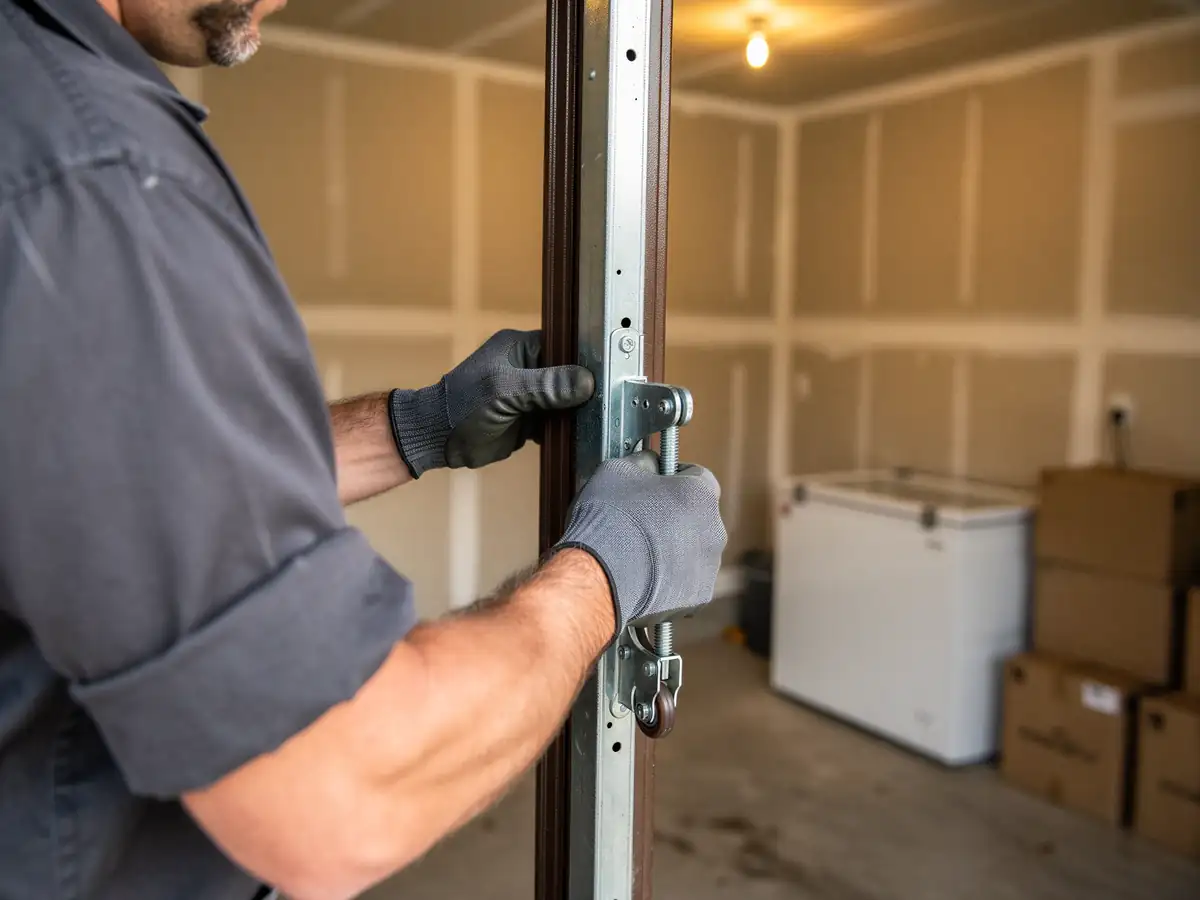
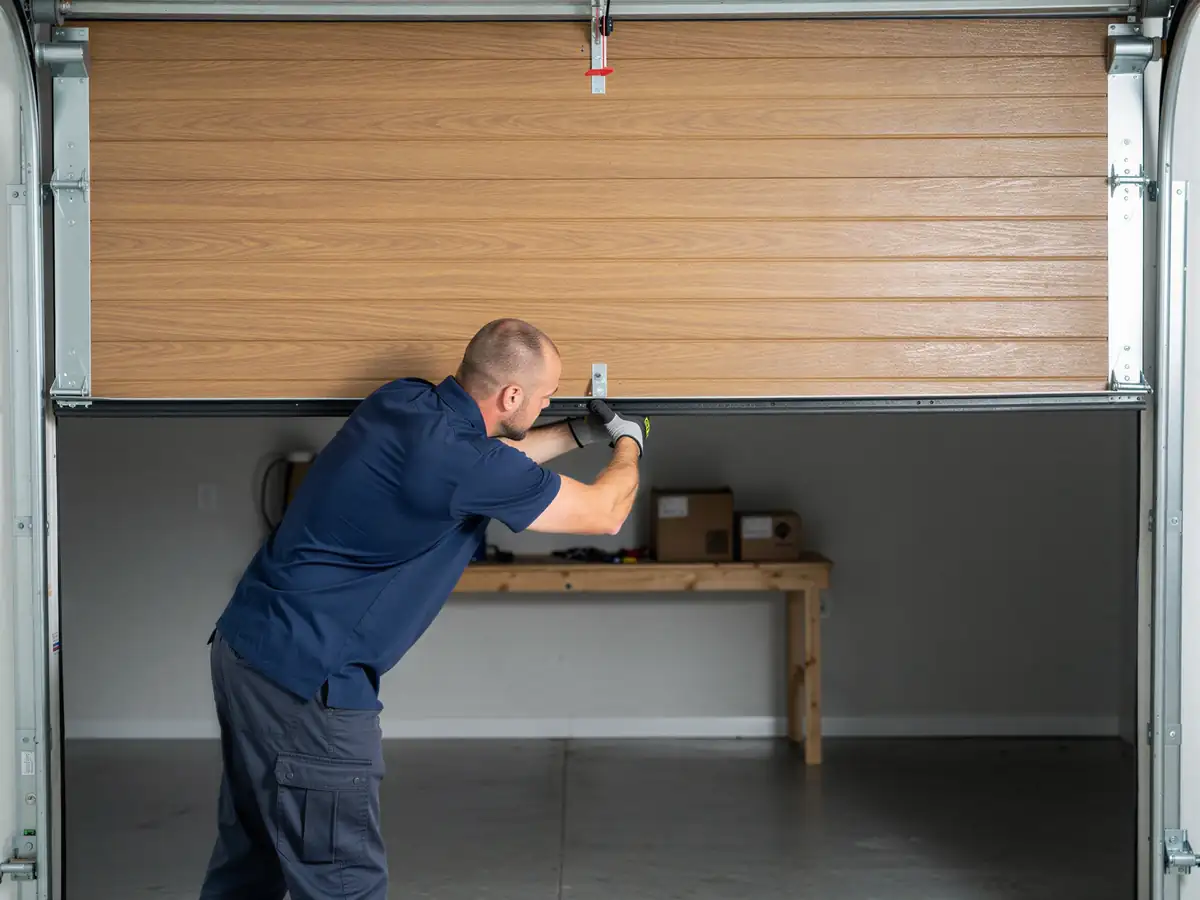
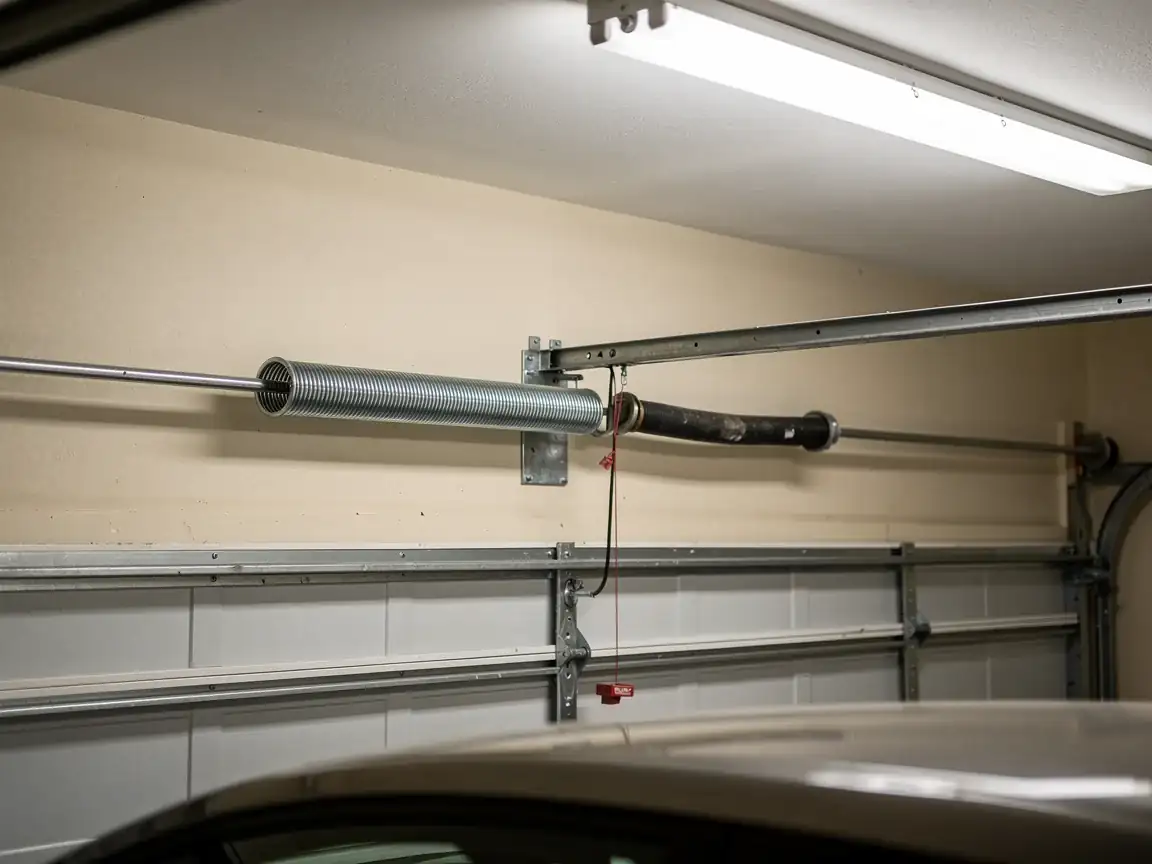
A garage door that won't open on a cold morning tempts most owners to grab a ladder and a wrench. Some of it you can do safely: clearing a track of ice, checking if the opener is unplugged, testing the wall switch. What you shouldn't touch is a torsion spring under tension, a broken cable still wound on a drum, or a bent track trying to pull free from the header. These parts store enough force to break a hand or worse, and on the older torsion setups common across this service area, the winding cones are not the same as the ones sold at a hardware store today. If the door won't move, or moves and then drops, stop and call. If it's just a sensor out of alignment or a remote with a dead battery, that one's yours.
What It Costs
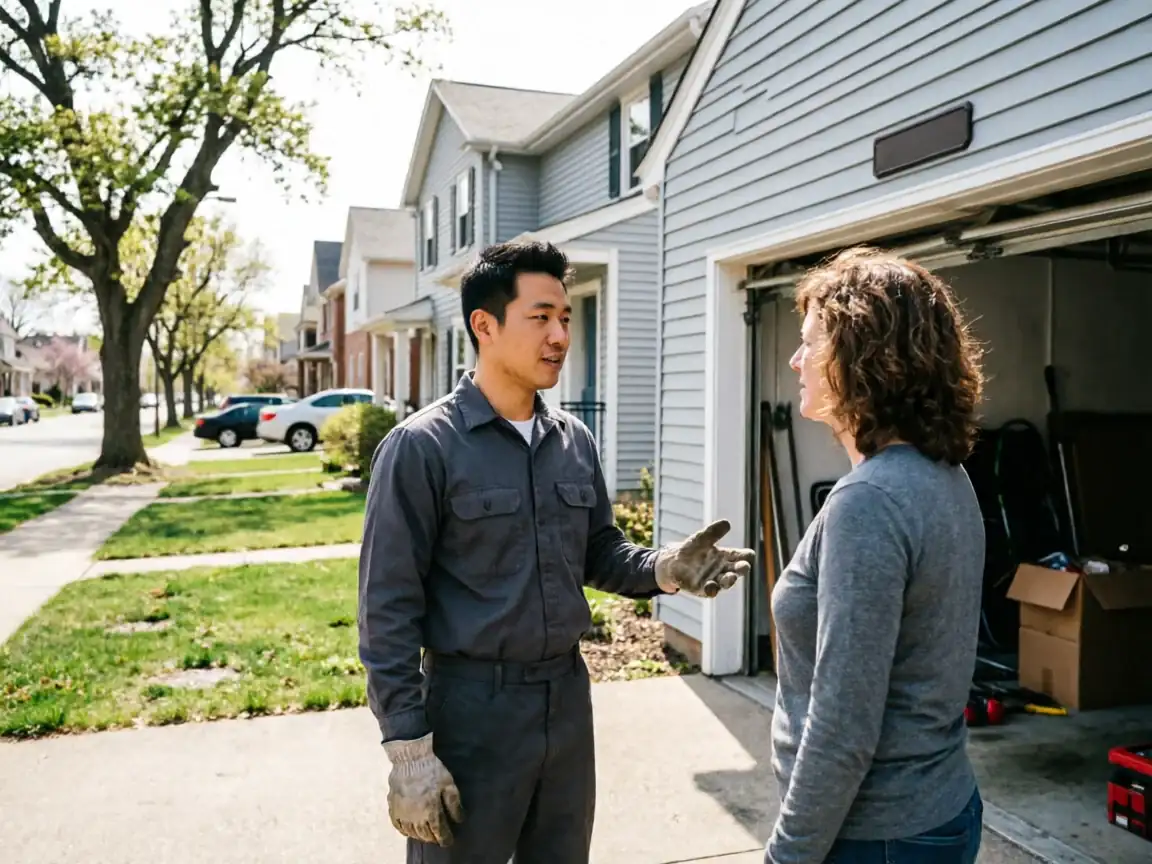
We don't post a flat number here because a snapped cable on a single door and a bent track on a double door are not the same job, and quoting blind does nobody a favor. What we can tell you: across a service area with 14,232 households and roughly 9,872 owner-occupied houses, and a median household income of $65,349, most of the emergency calls we run are springs, cables, or openers on standard residential doors - not custom or oversized units. That's the honest limitation: if your door is a wide commercial-grade unit or something unusual, the job and the cost shift, and we'll tell you that on the phone before we come out, not after. For a straight answer, call and describe what the door is doing. We'll give you a number before we start, not after.
How It Shows Up
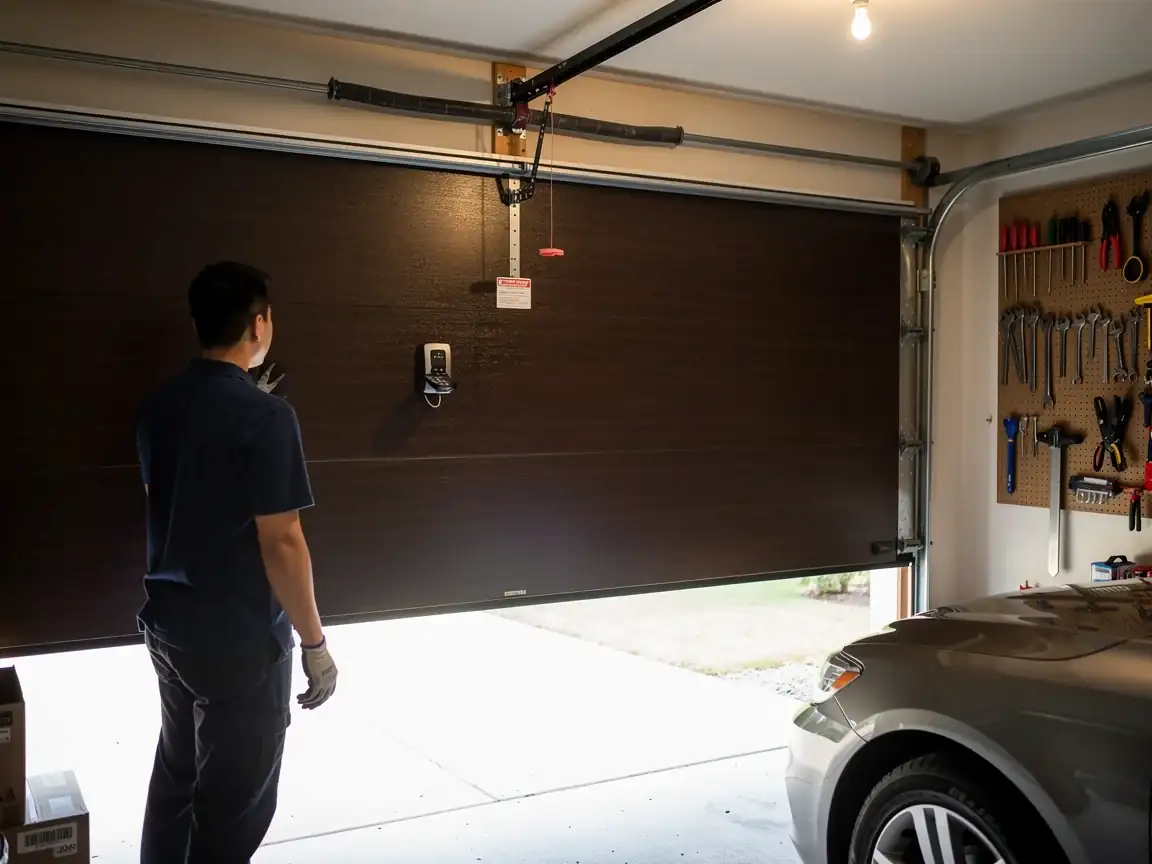
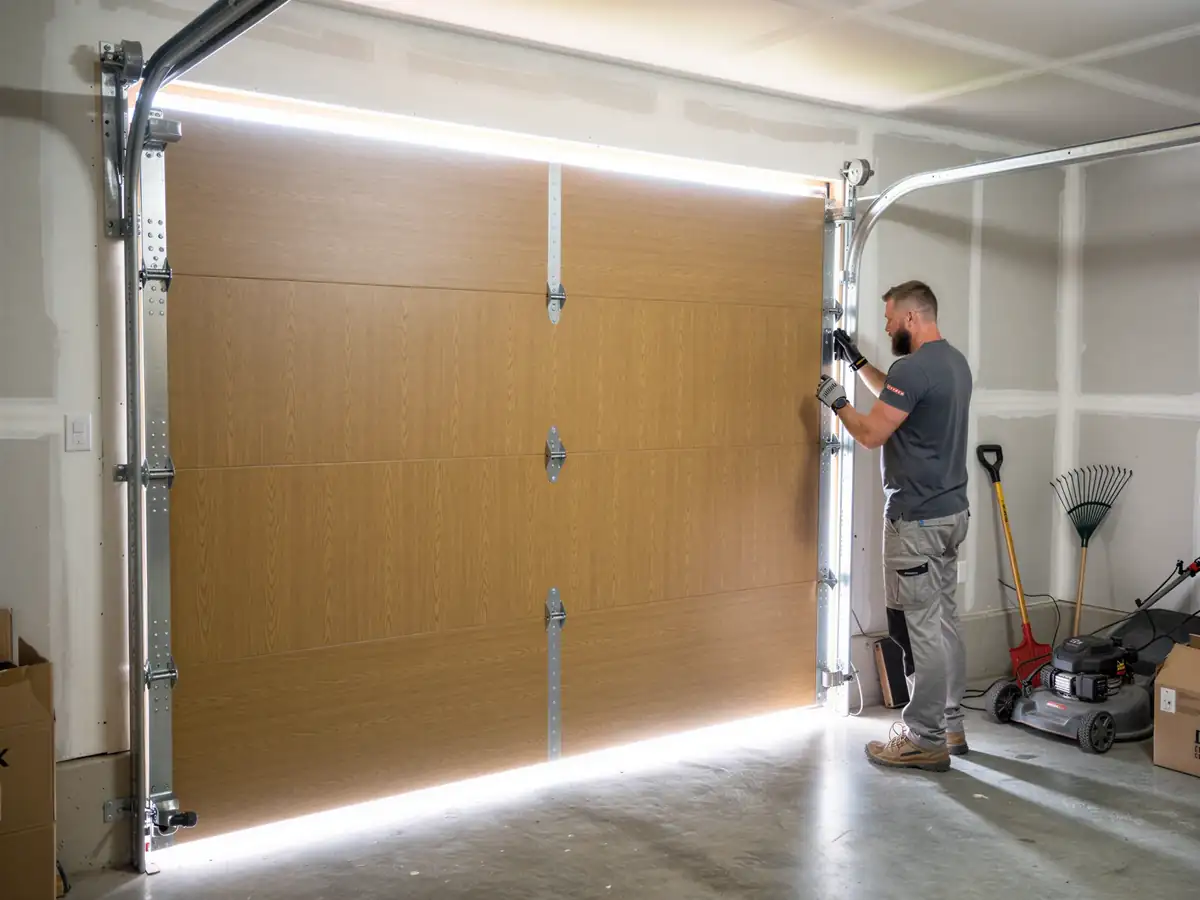
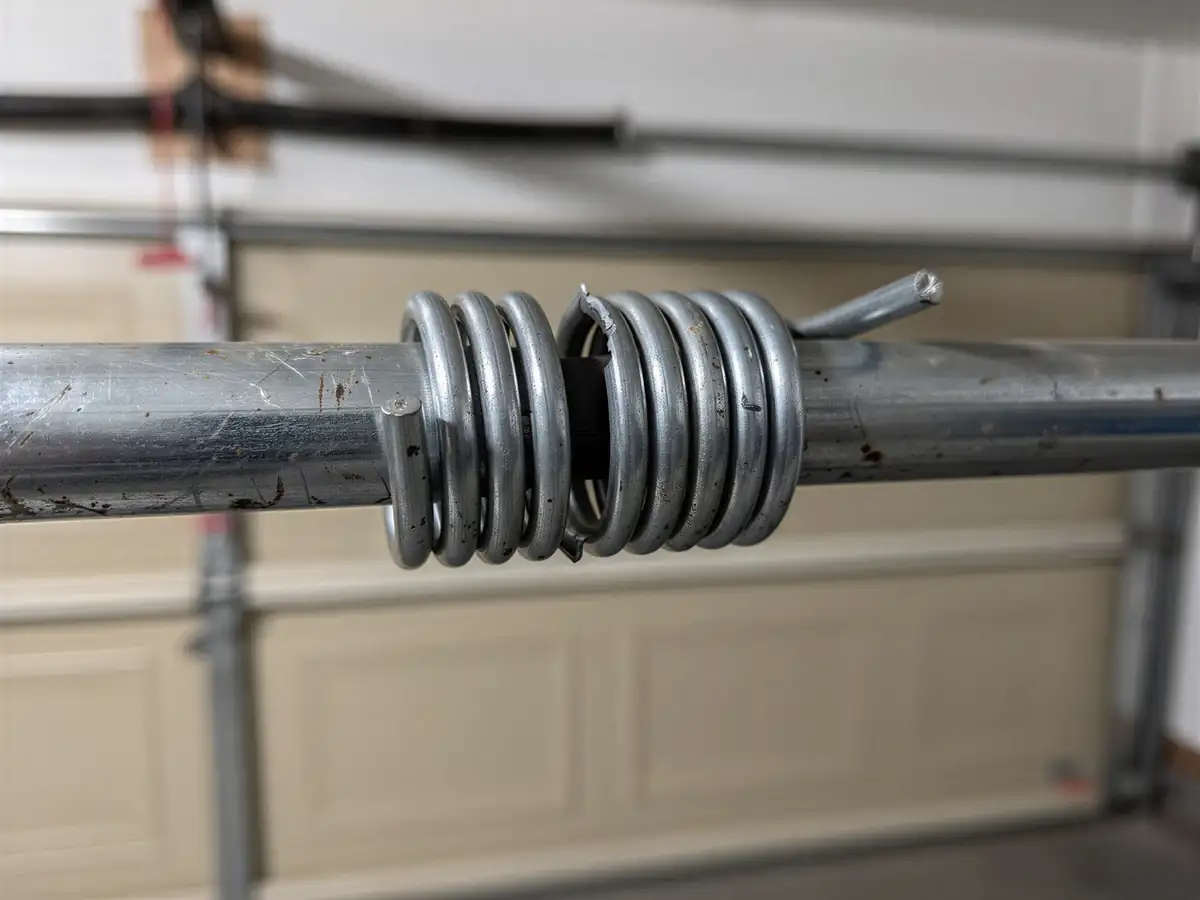
The call usually starts one of two ways. Either the door is stuck halfway, won't budge, and there's a loud bang that happened right before - that's almost always a torsion spring letting go. Or the opener motor runs but the door doesn't move, which on the older installs common to this area's pre-1960 housing often means a stripped gear or a cable that's jumped the drum. Cold mornings add a third pattern: the door opens an inch, groans, and stalls, which is a track binding from contraction or a spring that's already weak and finally giving out in the temperature drop. None of these wait for business hours, which is why we run calls as they come in across the whole area rather than scheduling them like a routine tune-up.