Can You Do This Yourself
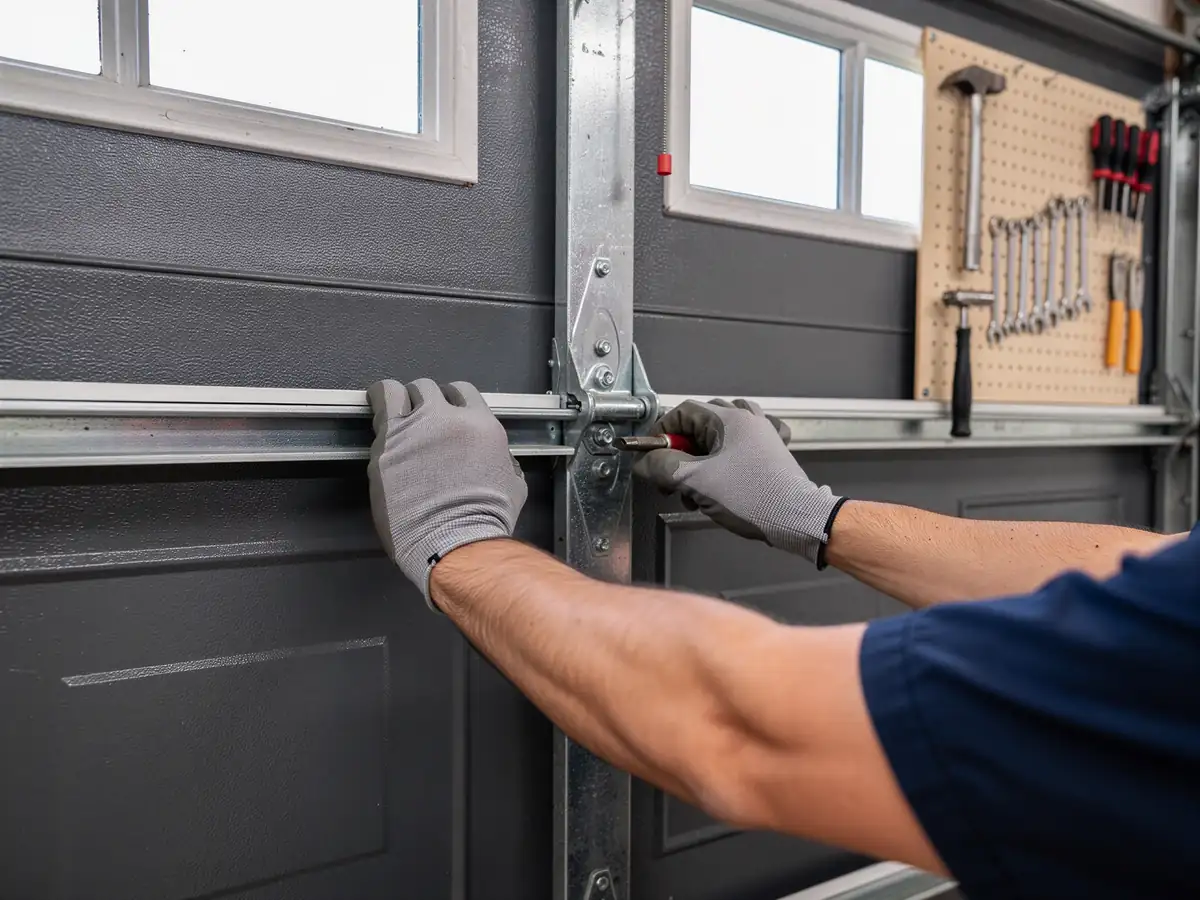
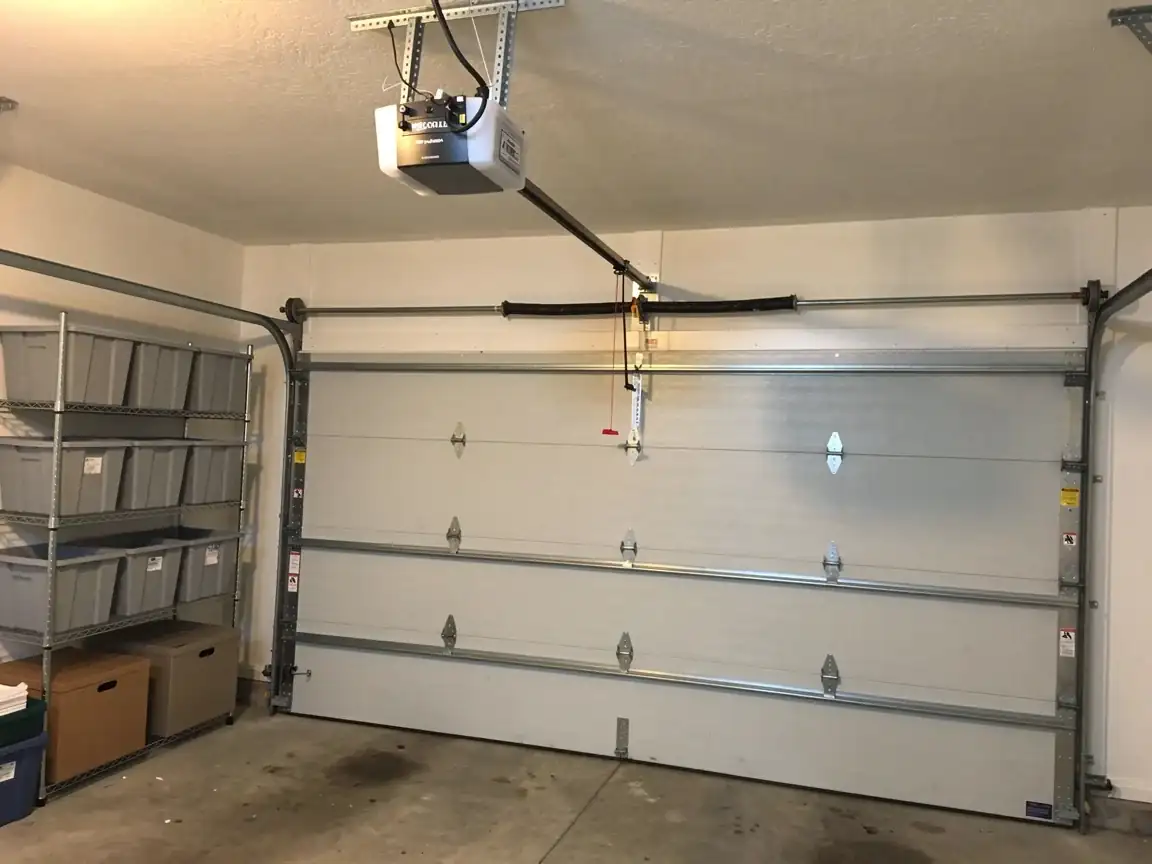
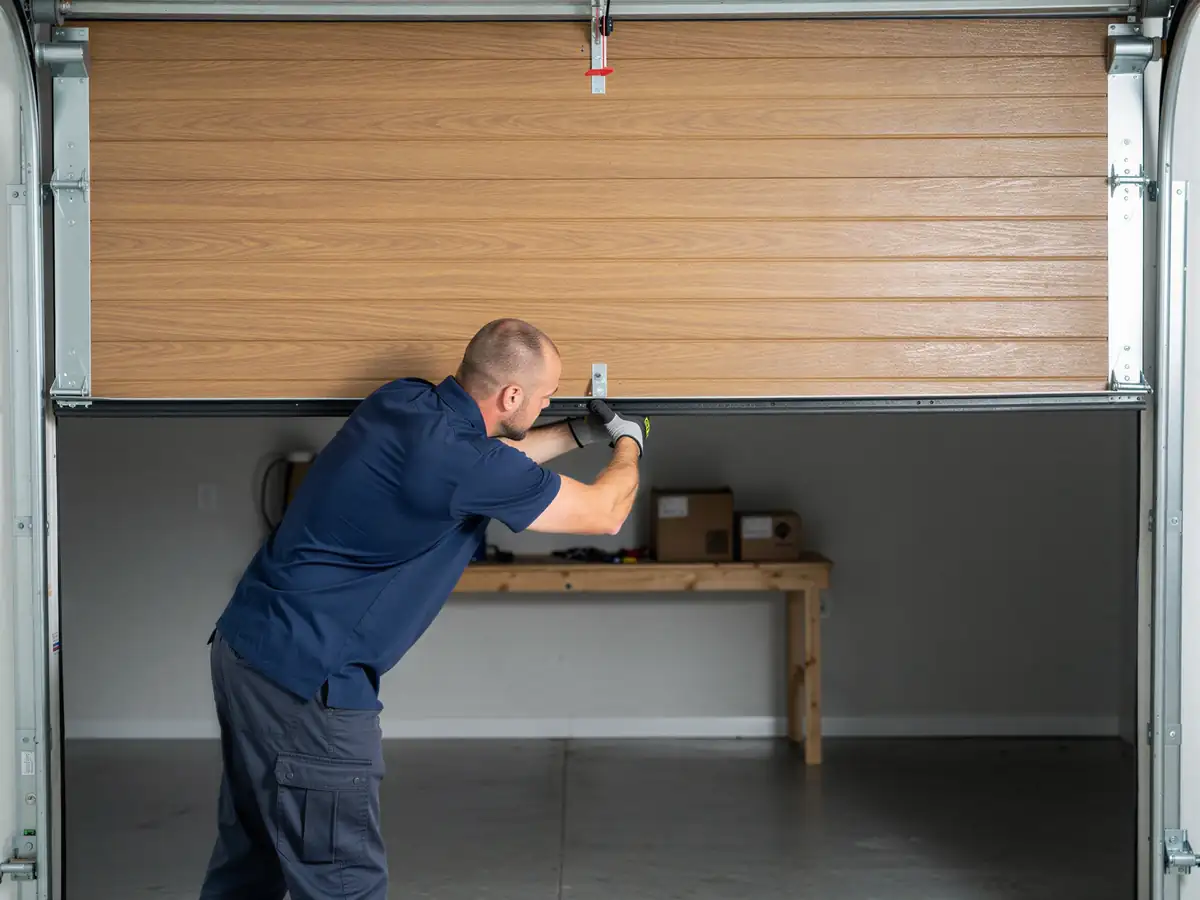
Some of it, yes. You can clean the tracks, check the weatherstripping along the bottom panel, and watch for fraying on the lift cables. Lubricating rollers and hinges with the right product takes ten minutes and does real good.
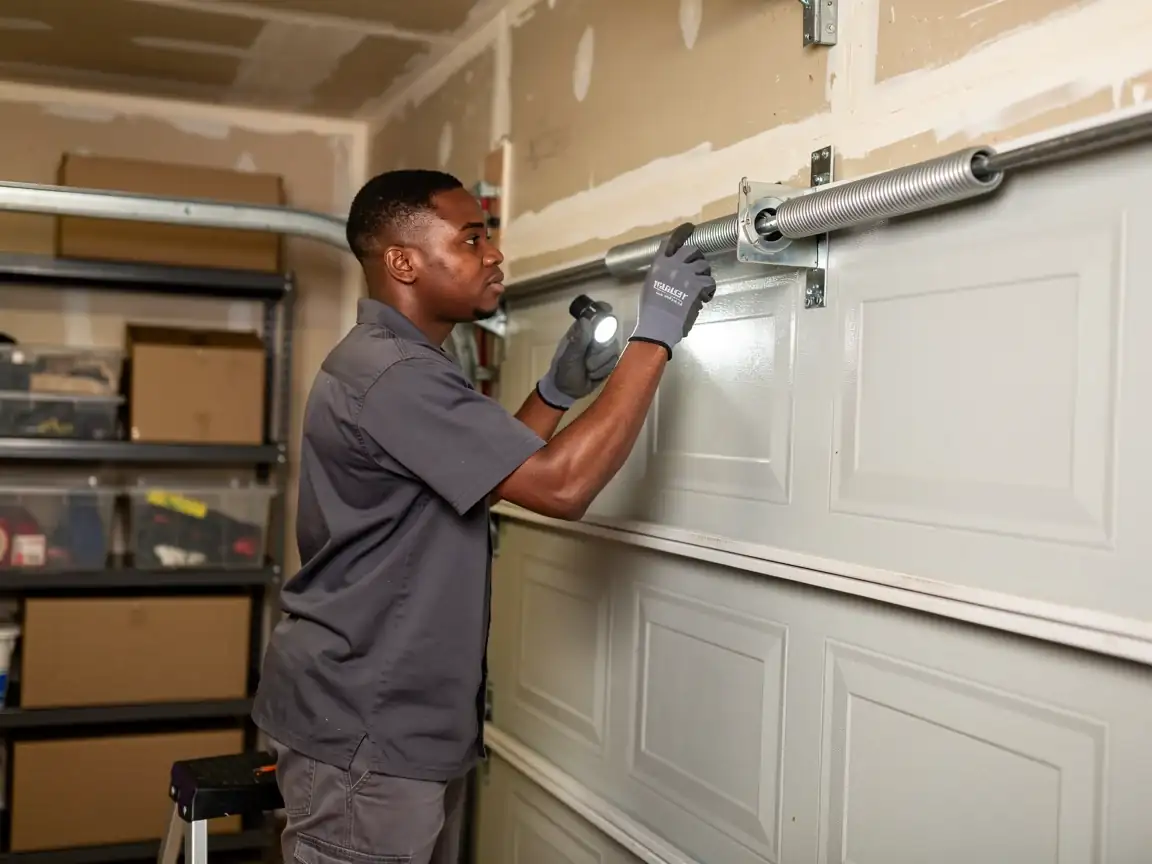
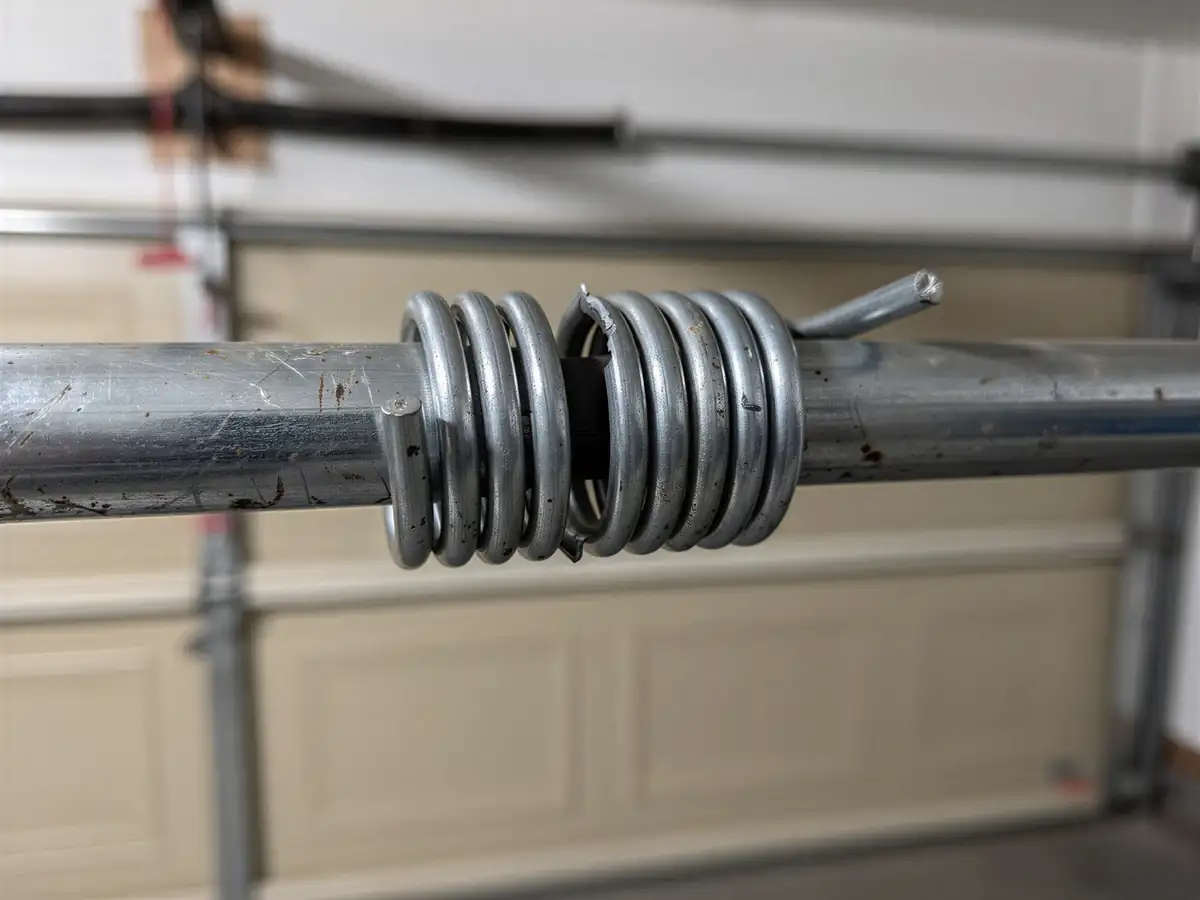
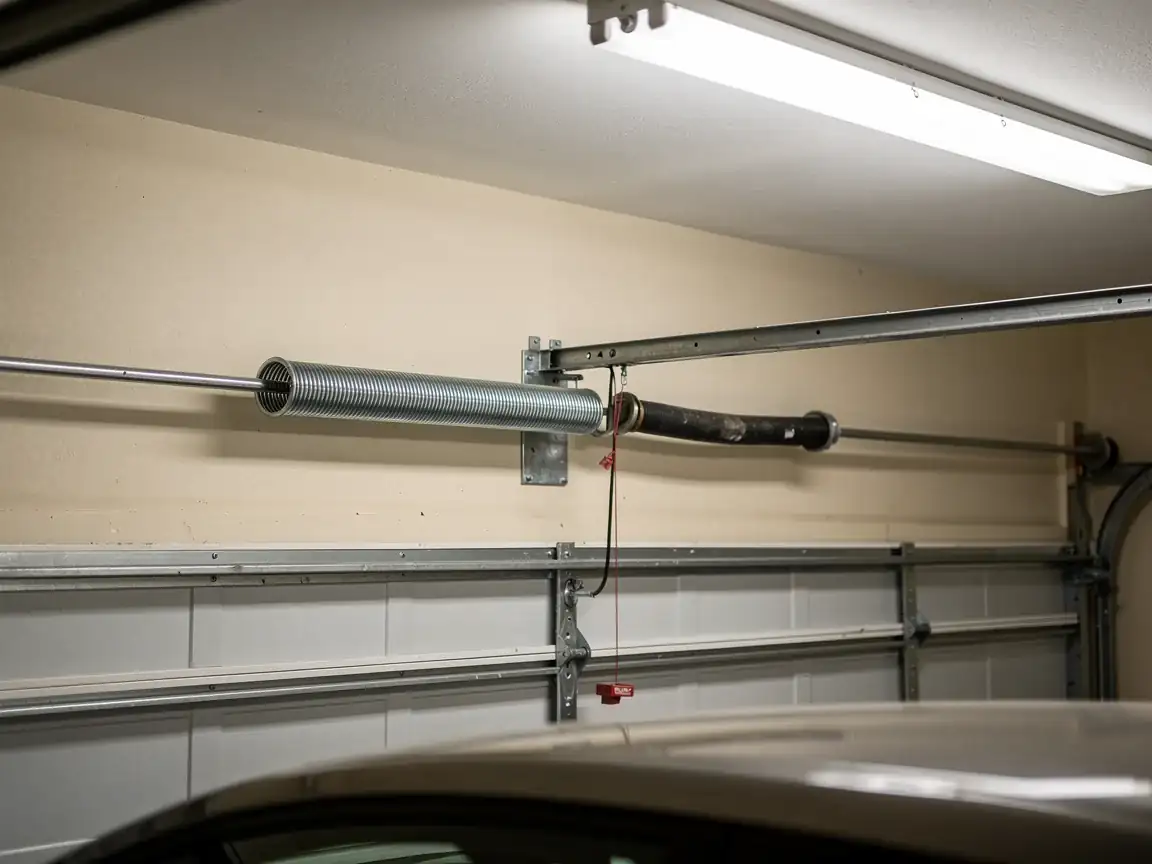
What you shouldn't touch is the torsion spring or anything under tension. On a lot of the houses around Jackson built between 1938 and 1988, those springs and the drums they wind onto are original to the door or close to it, and the hardware wasn't built with safety cables or modern spring containment. A spring that lets go under load can break a hand or worse.
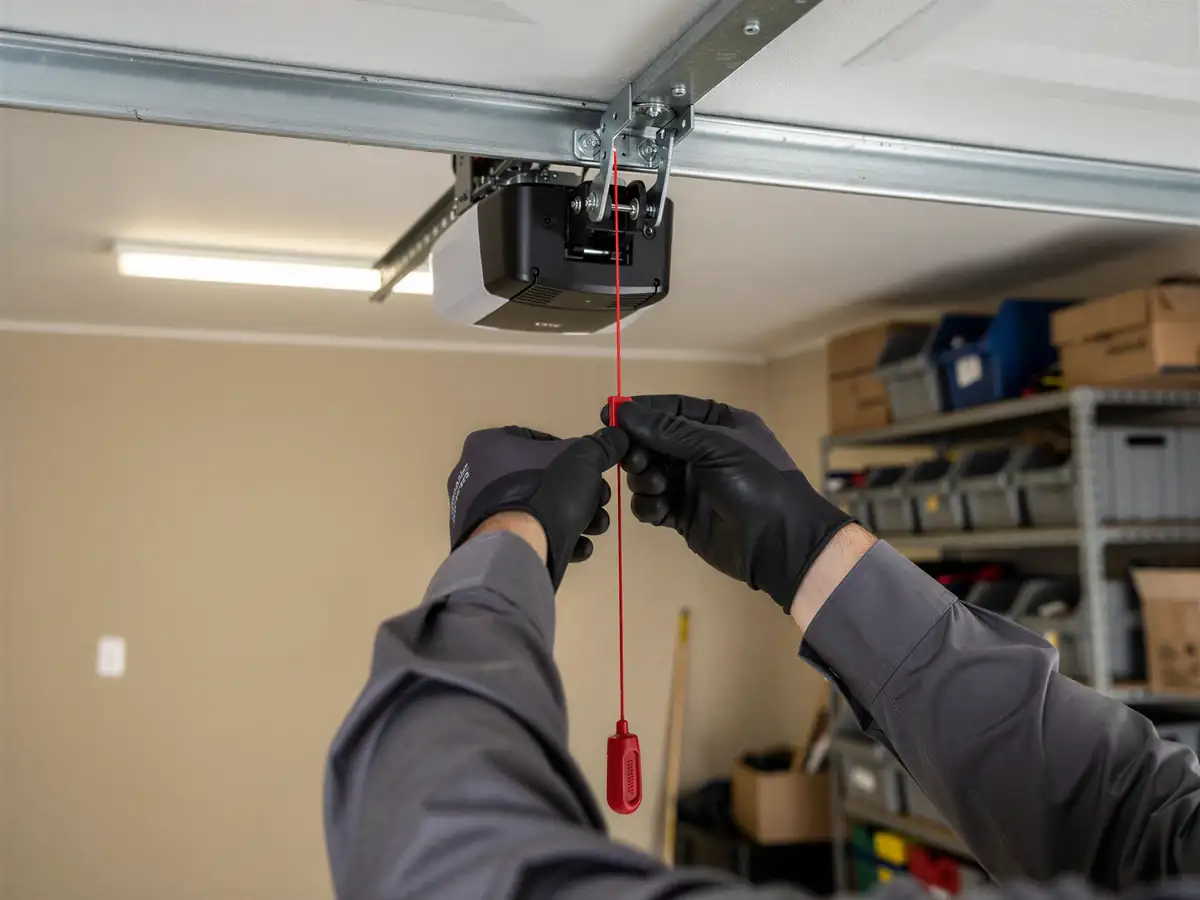
If your opener is from the same era as the house, the travel limits and force settings are probably set by hand on an old mechanical dial rather than a circuit board. Adjusting those without knowing what you're looking at is how people end up with a door that reverses on nothing, or doesn't reverse on a kid's bike.
Doing the visual check yourself every season is worth it. Anything involving springs, cables, or the opener's internal force settings is where a homeowner's maintenance list should stop and a call should start.
Why This Fails Locally
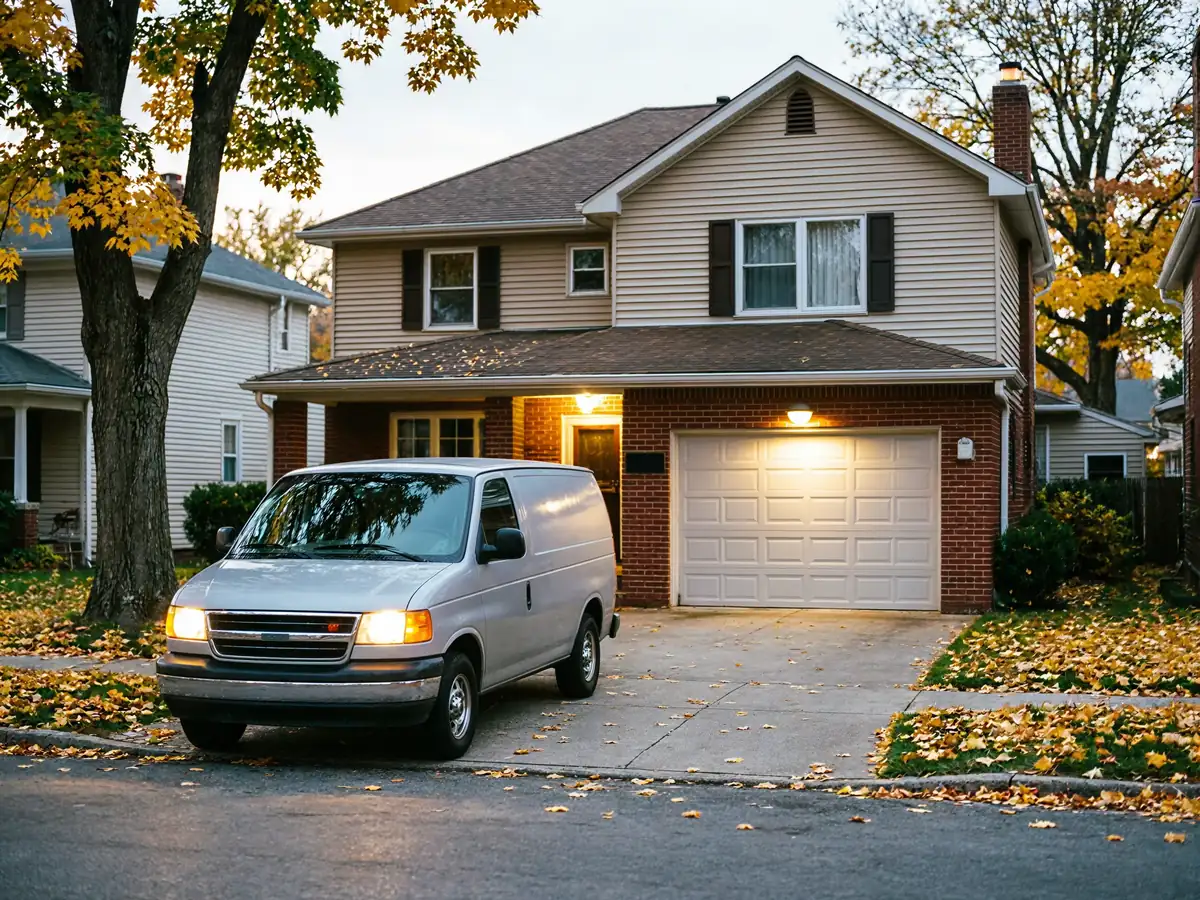
Jackson's housing stock runs mostly pre-1960
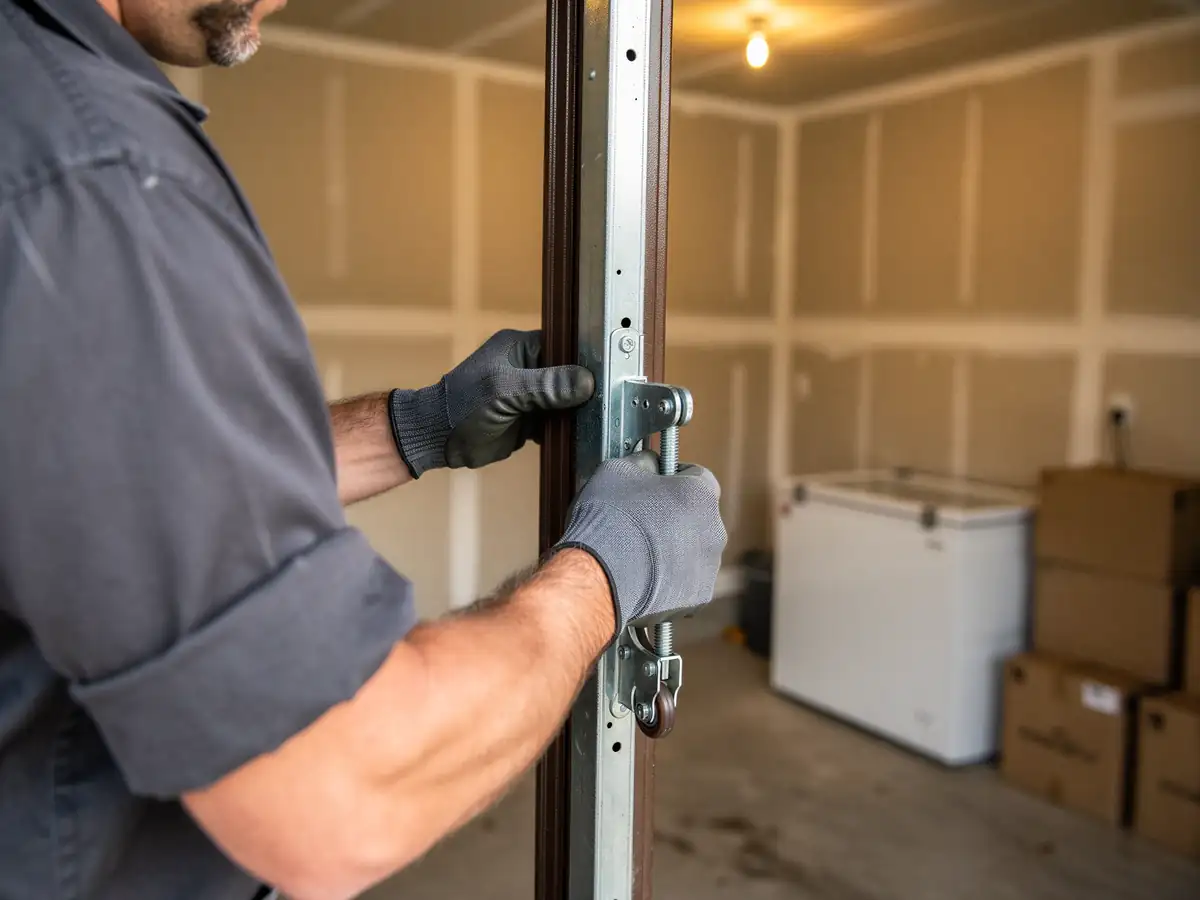
With a median build year around 1954 across the 19 named areas in the service area. Doors and track hardware from that period were engineered for a lighter snow load and a shorter freeze season than what this area actually sees. The climate band here is classified cold-severe, and that matters for maintenance in a specific way: metal track brackets anchored into framing that's now 60-80 years old flex more with the freeze-thaw cycle than brackets in newer construction, and the fasteners work loose faster.
- 80 years
On these older doors, the weatherstrip channel is often a style that isn't made anymore
So a worn seal doesn't get replaced with an exact match - it gets replaced with the closest modern equivalent, which changes how the door seats. That's a maintenance call that turns into a small adjustment job almost every time.
Springs on original hardware also weren't rated for the open-close cycle count a door sees after seventy-plus years of use plus a few decades of colder-than-average winters hardening the steel
A spring that's lasted this long is usually closer to failure than a homeowner assumes, not farther from it, because cold steel fatigues differently than people expect.
What It Costs
We're not going to put a number here that doesn't hold up once we're actually looking at your door. What a maintenance visit runs depends on what we find - whether it's a clean bill of health with some lubrication and a track adjustment, or whether we're flagging a spring that's near end of life and needs replacing before it becomes an emergency call.
What we can tell you is how the cost logic works on a house like most of what's around Jackson. Original or near-original hardware on a pre-1960 build often means parts that aren't stocked on the truck - some drums, some spring sizes, some track brackets for non-standard door widths common in that era. When that happens, the visit itself is quick and reasonably priced, but there may be a short wait on a part before the fix is finished.
Newer doors and openers, even ones installed as replacements on an older house, tend to go faster and cheaper because the parts are current. If you want an actual number, the honest answer is: book the visit, and we'll tell you after we've had eyes on the door, not before.
How It Shows Up
The failures we see most in this service area follow a pattern tied to the age of the housing. A door that's started sagging slightly on one side, visible as a gap that wasn't there last year, usually means a cable or a track bracket working loose - common on homes from the 1950s and 60s where the original bracket spacing doesn't meet what's used today.
A grinding or popping noise on opening, especially in cold weather, is often a spring that's lost tension unevenly, which happens faster in a cold-severe climate where the steel contracts hard every winter. Owners often notice it first as the opener straining audibly, or the door catching partway up before the opener kicks it the rest of the way.
Water or ice at the base of the door after a thaw points to weatherstripping that's no longer sealing - again, more common on original seal channels than on anything installed in the last decade.
If your garage door is doing any of these three things, that's not a wait-and-see situation. That's a maintenance call before it's a replacement call.