


What That Means for Doors
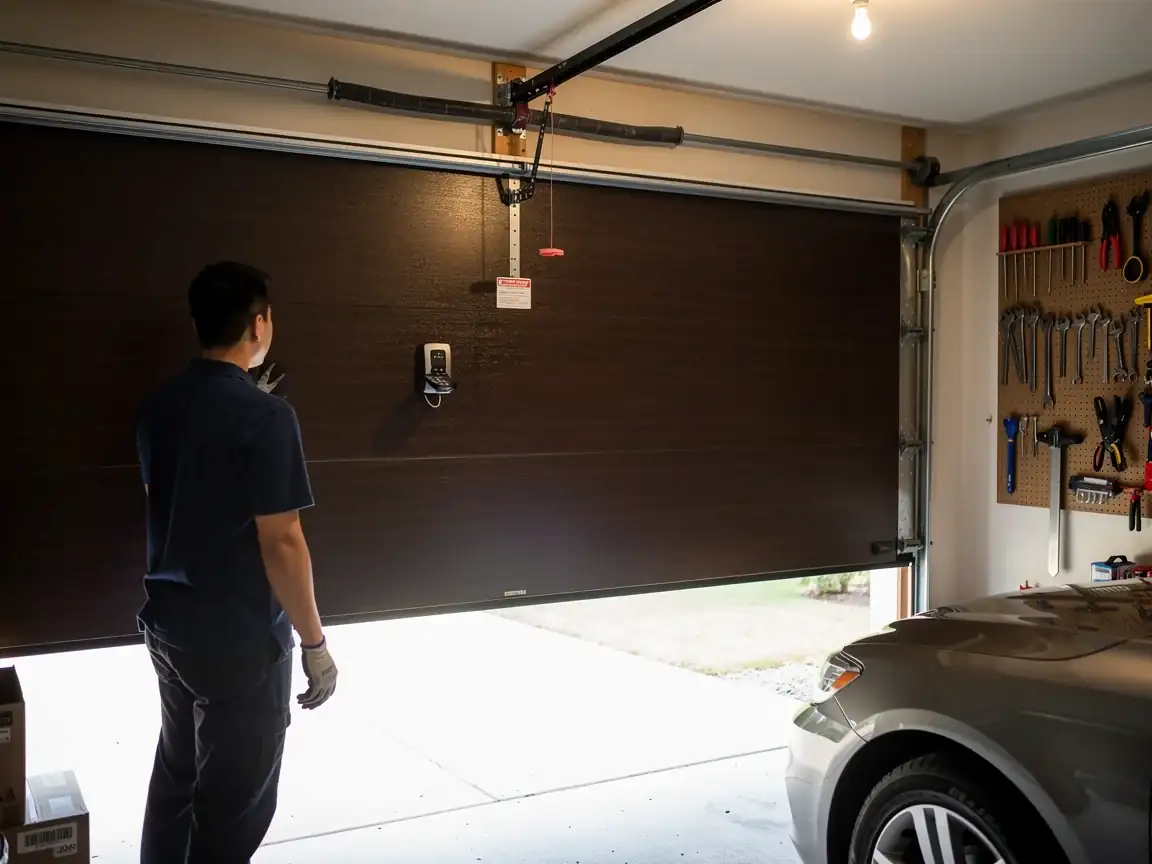
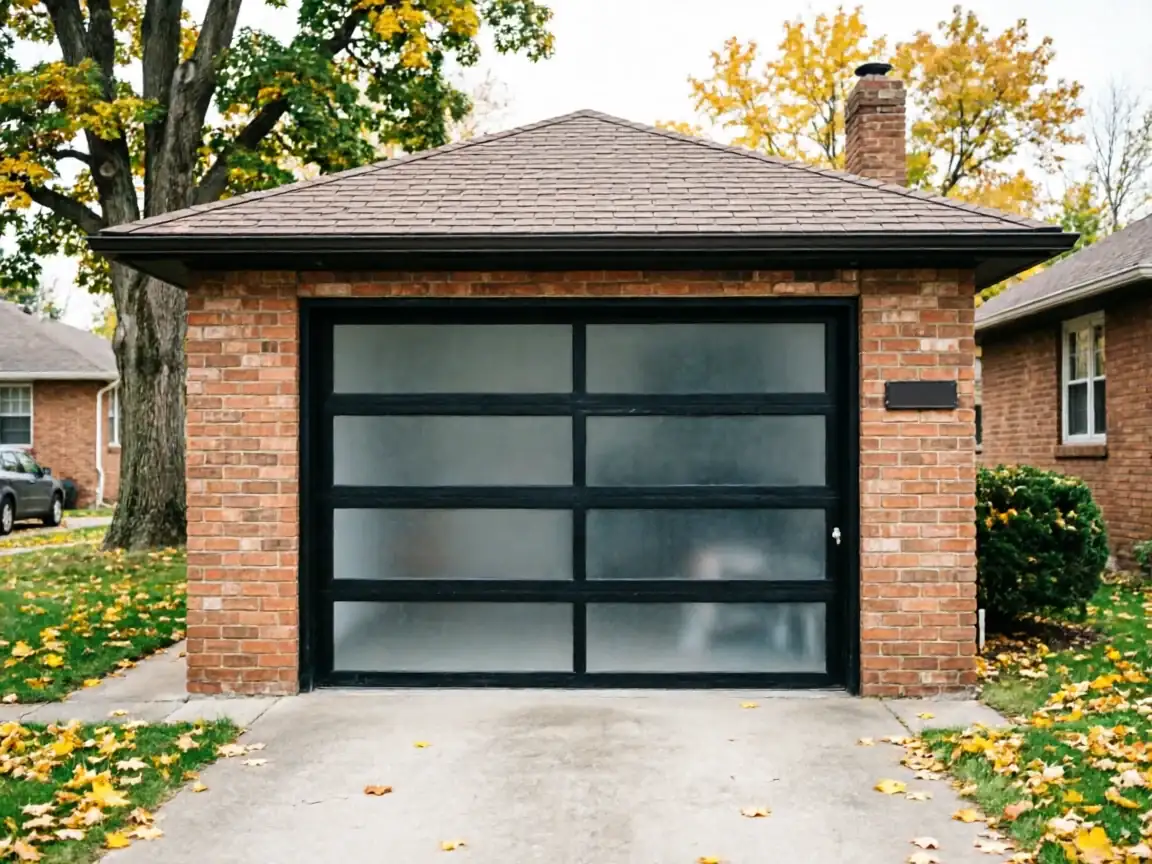
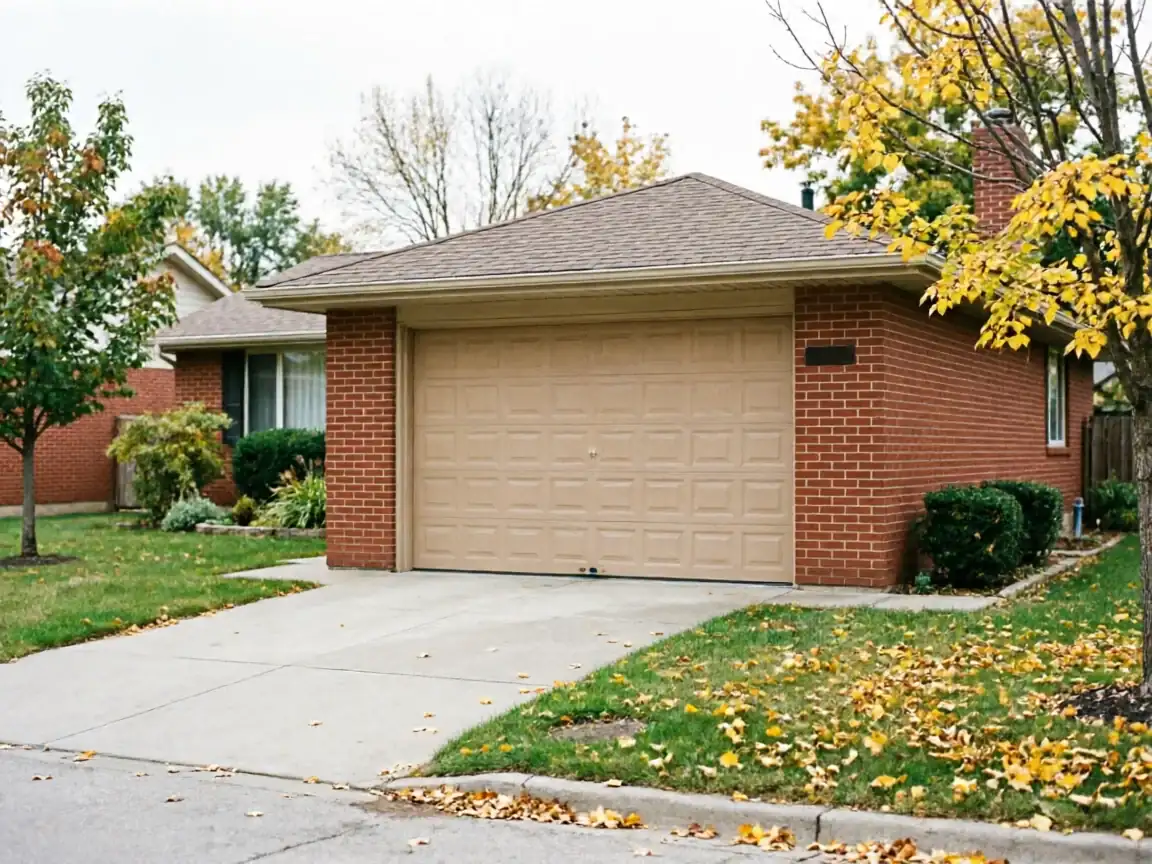
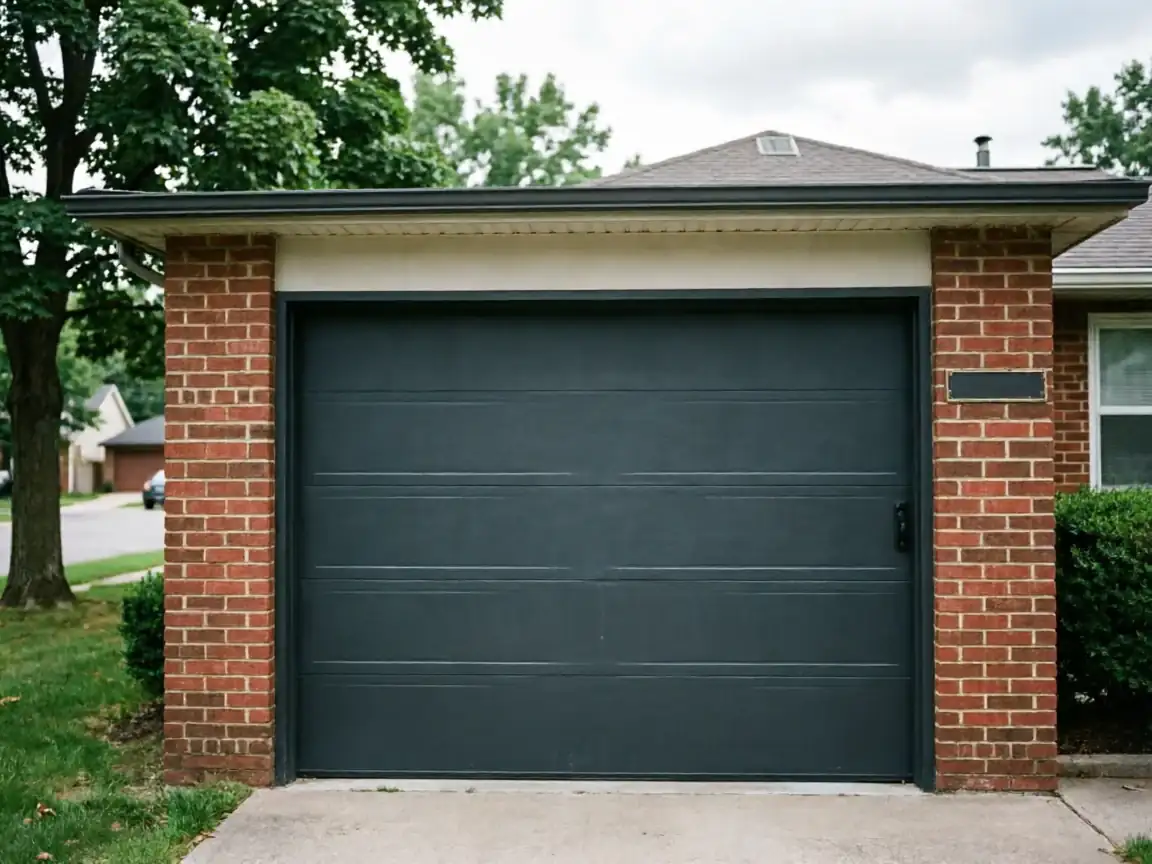
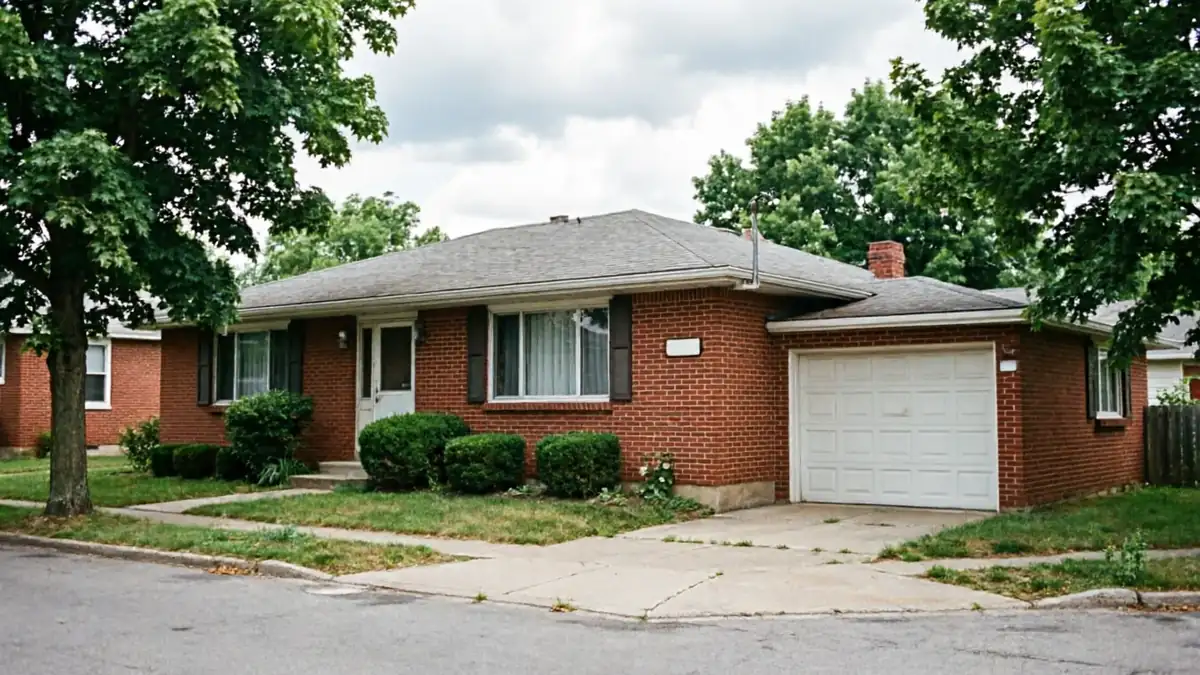
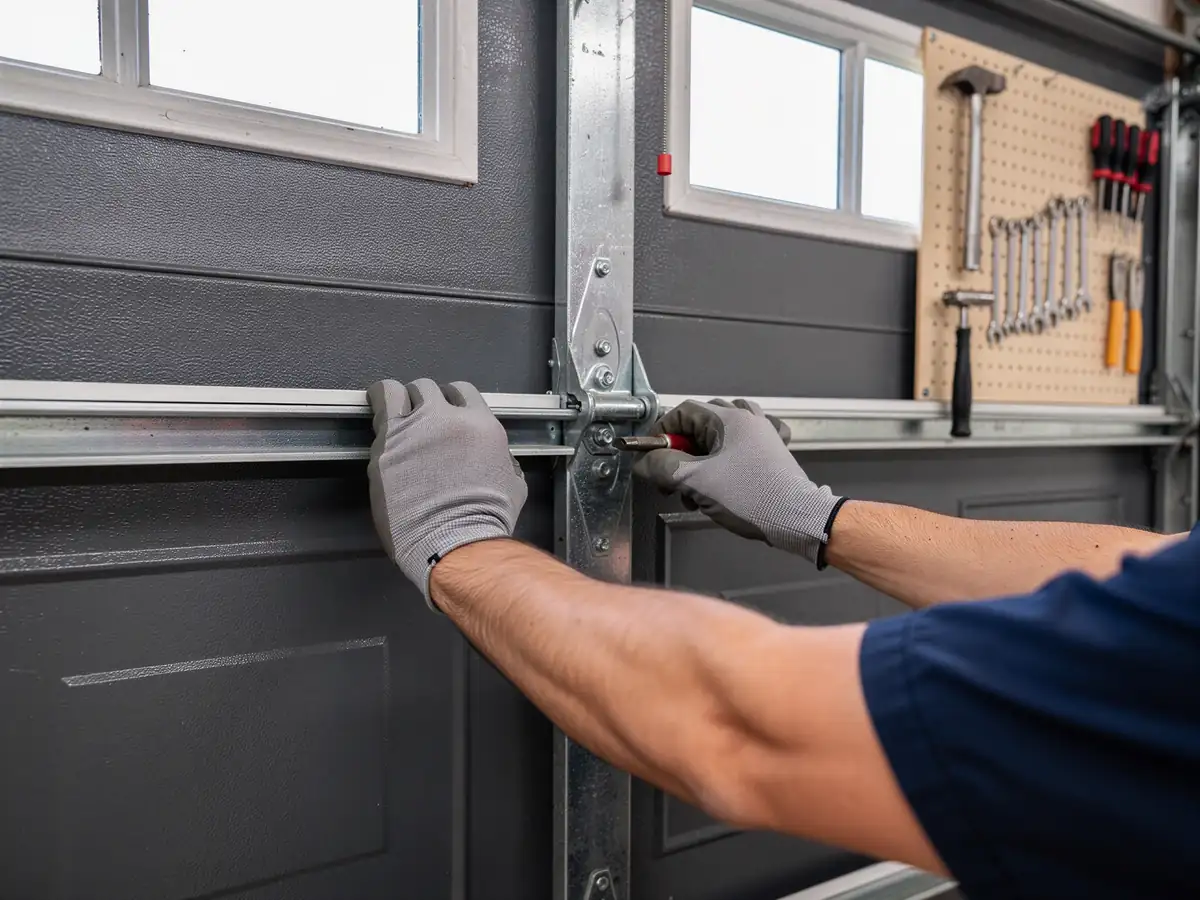
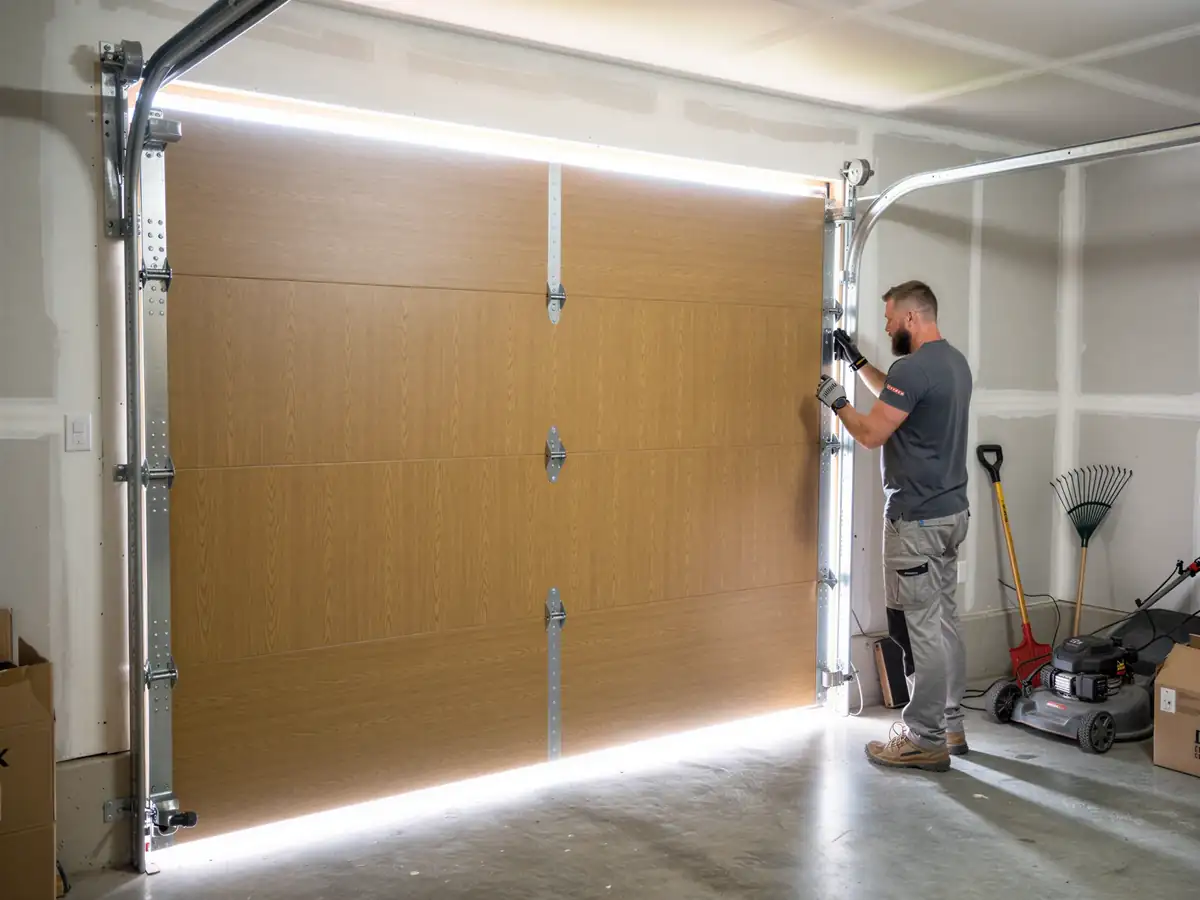
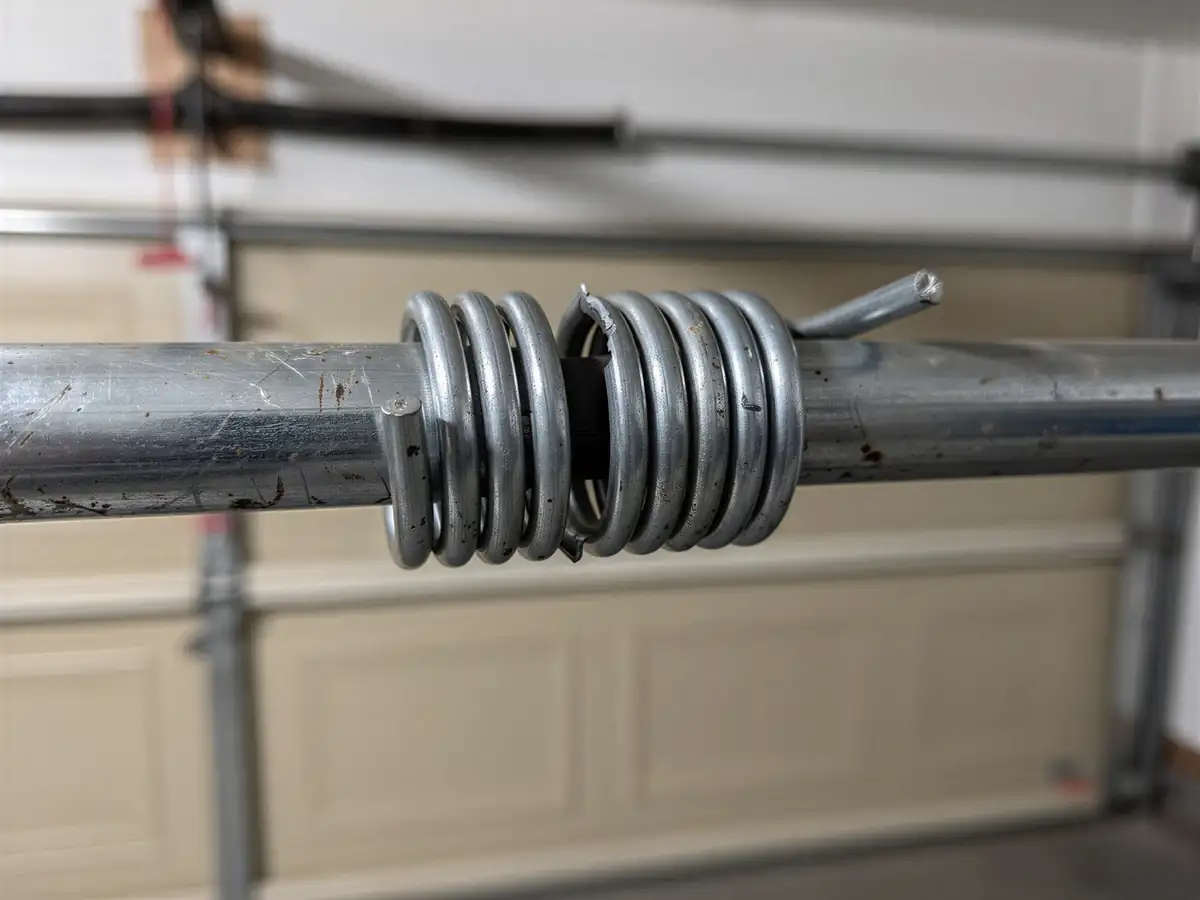
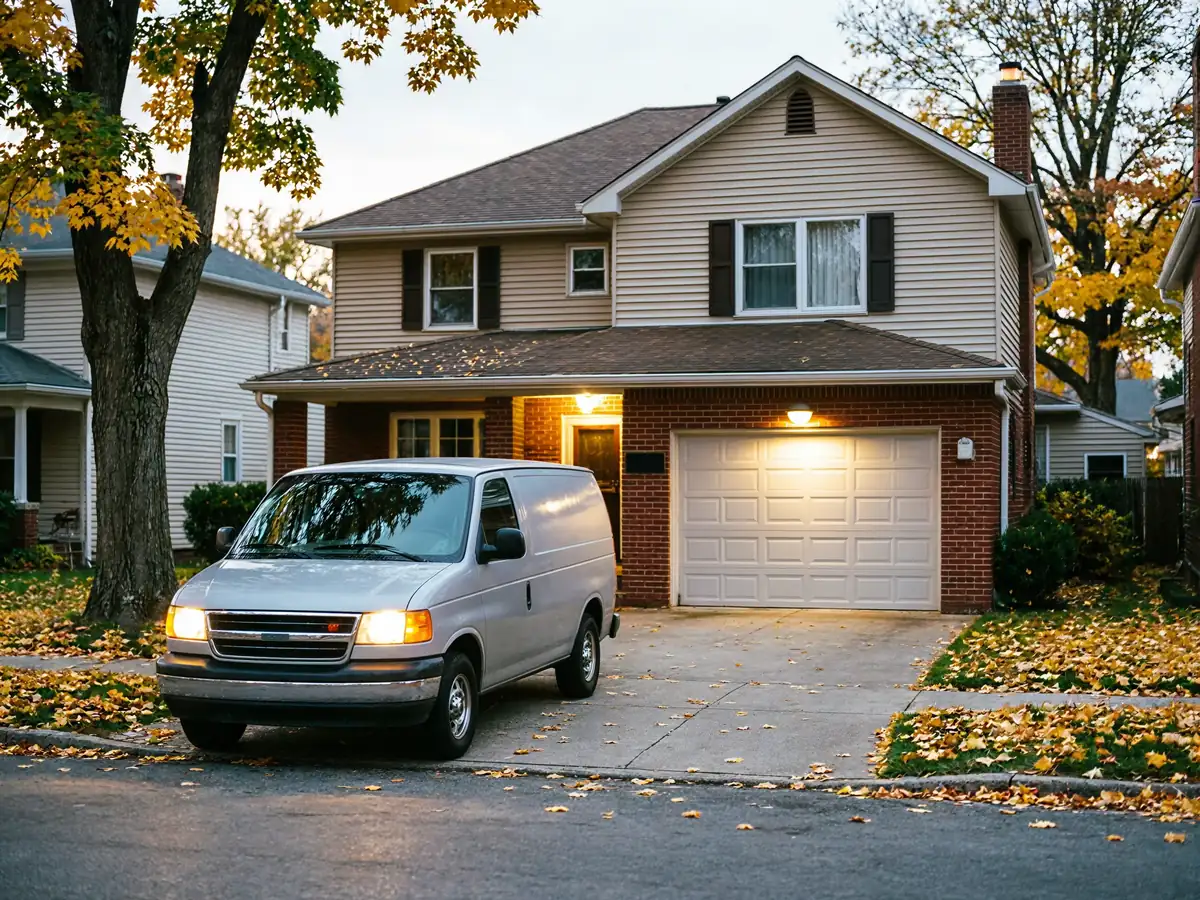
Manchester's houses went up around a median year of 1959, which puts most garages here a full generation newer than the oldest pockets of the Jackson service area, where the typical build year sits closer to 1954. That gap matters more than it sounds. A house built in 1959 usually came with an extension-spring setup or an early torsion conversion, steel panel doors instead of the original wood slab jobs, and openers that have likely been swapped out two or three times since. You're less likely to find the one-piece wood doors that still turn up on 1940s stock, but you're squarely in the era of galvanized track that's thinned out from 60-plus winters and springs sized for a lighter door than whatever got bolted on later. Add in the cold band this whole region sits in, and steel contracts, lubricant stiffens, and extension springs that were already marginal start failing in January rather than June. None of this is Manchester-specific weather drama - it's just what happens to mid-century hardware after six decades in a cold climate. The fix usually isn't exotic: resized springs, a track realignment, or an opener that matches the door's actual weight instead of whatever was on sale when it got replaced last.
What We Do Not Do
We're not based in Manchester. We run out of Jackson, about 20 miles away, and we're upfront about what that means: we're not going to claim a same-day window we can't guarantee from that distance, and we don't keep a depot or a truck parked locally. If your spring breaks at 7am on a Tuesday, you'll want to ask directly what our drive time looks like that day rather than assume. We also won't try to talk you into a full door replacement when a spring swap or a track adjustment will do the job - and on the flip side, if a door's steel has rusted through at the bottom panel or the track is bent beyond a clean realignment, we'll tell you that replacement is the better money rather than billing you for a repair that won't hold.
What Was Built Here
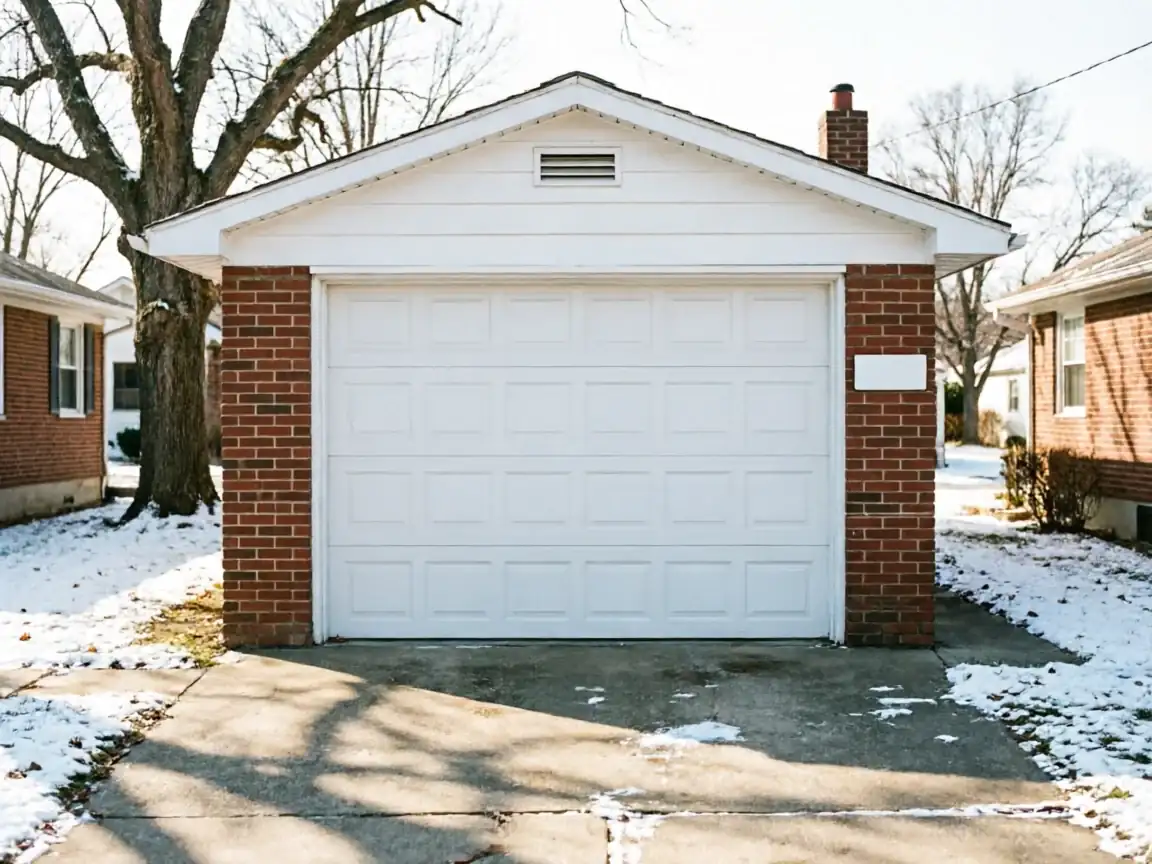
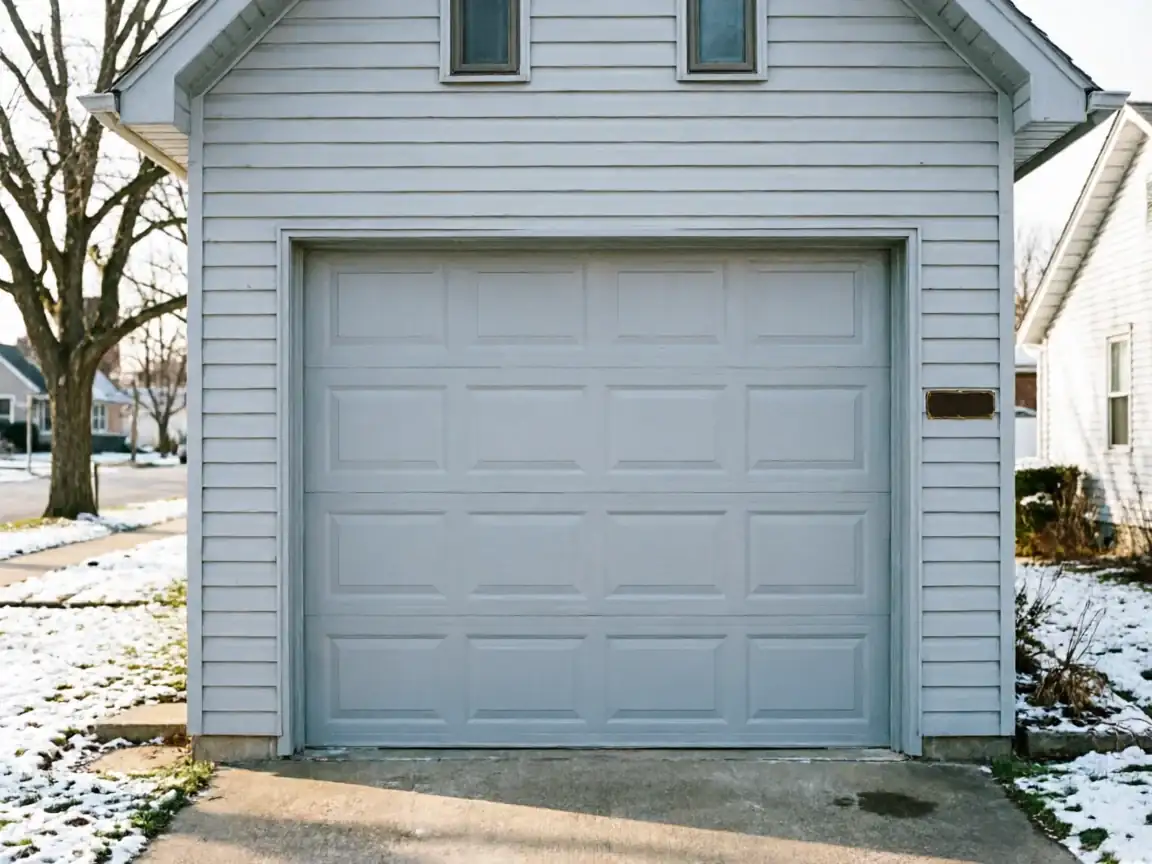
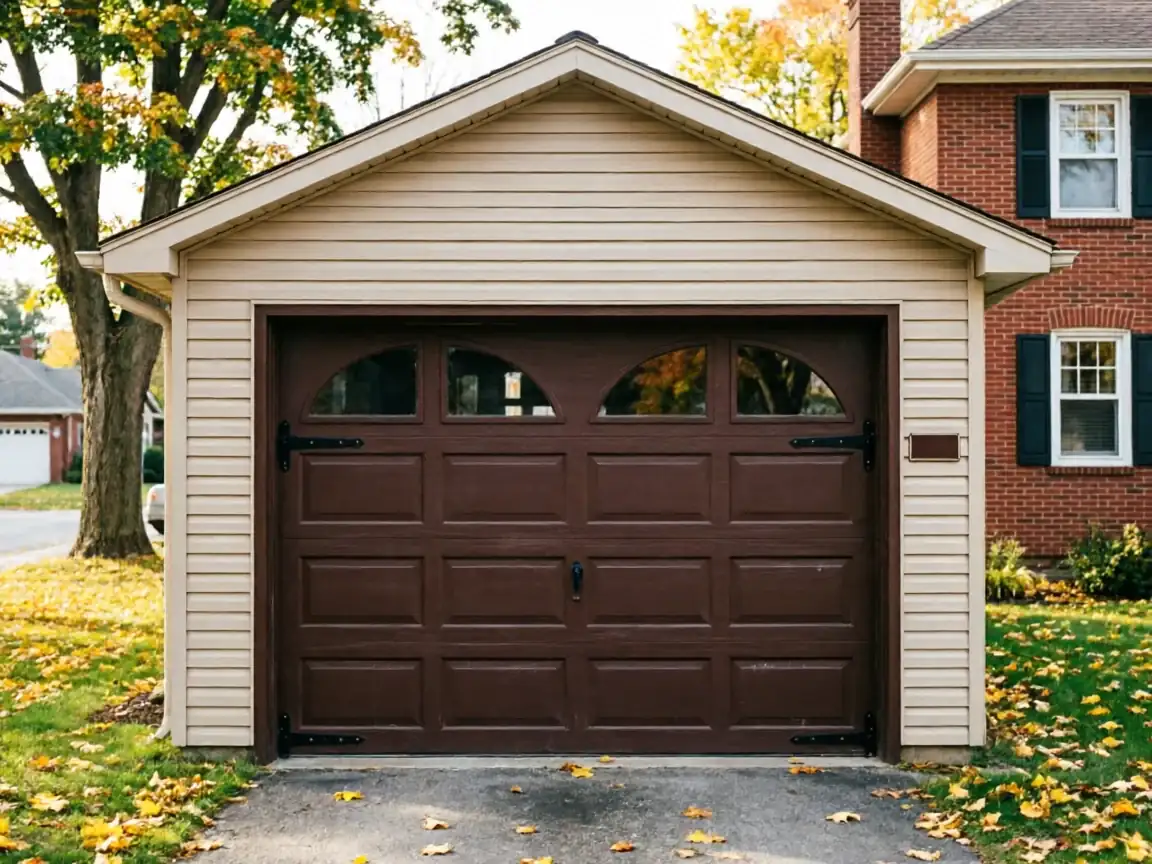
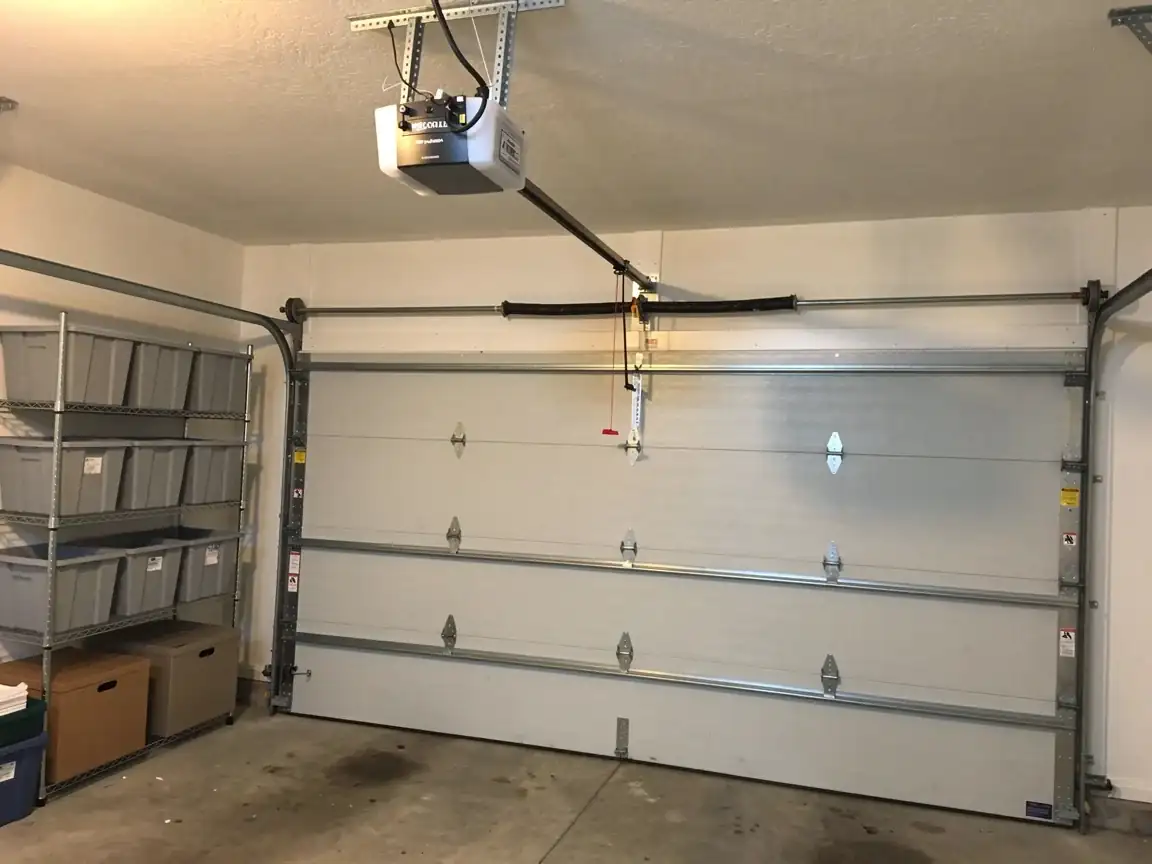
Manchester sits about 20 miles from Jackson, on the far edge of the wider service area that also covers towns closer in like Vandercook Lake and Michigan Center. The housing here clusters around a median build year of 1959, newer than much of the pre-1960 stock found across many of the other 19 named communities in this region. That later build date means fewer of the oldest wood slab doors and side-mounted torsion setups, and more of the steel panel, center-mounted torsion doors that became standard through the 1960s. It's a smaller town - 1,089 households - so the hardware mix is fairly consistent block to block rather than a patchwork of eras. The region overall sits in a cold climate band with real seasonal swings, and that affects every door here regardless of which decade it went up, just with slightly different failure points depending on what kind of spring and track it was built with.