Why This Fails Locally
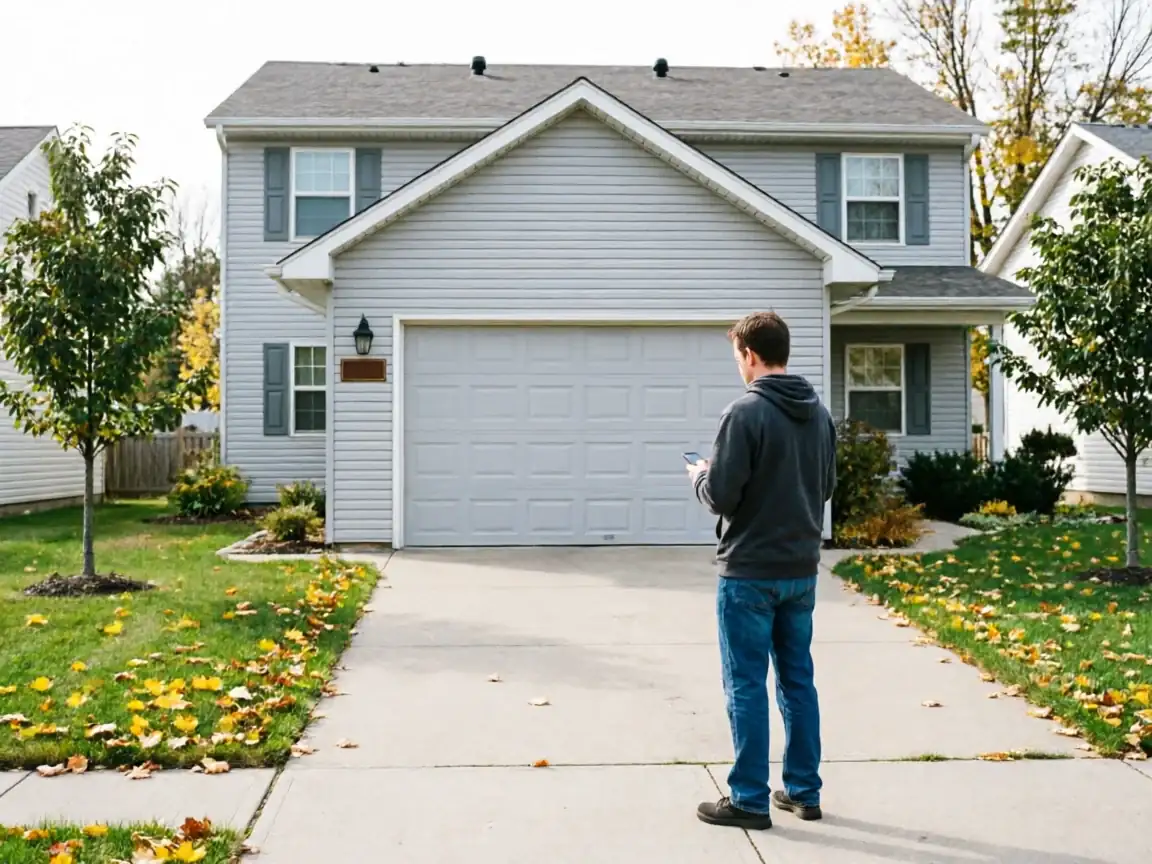
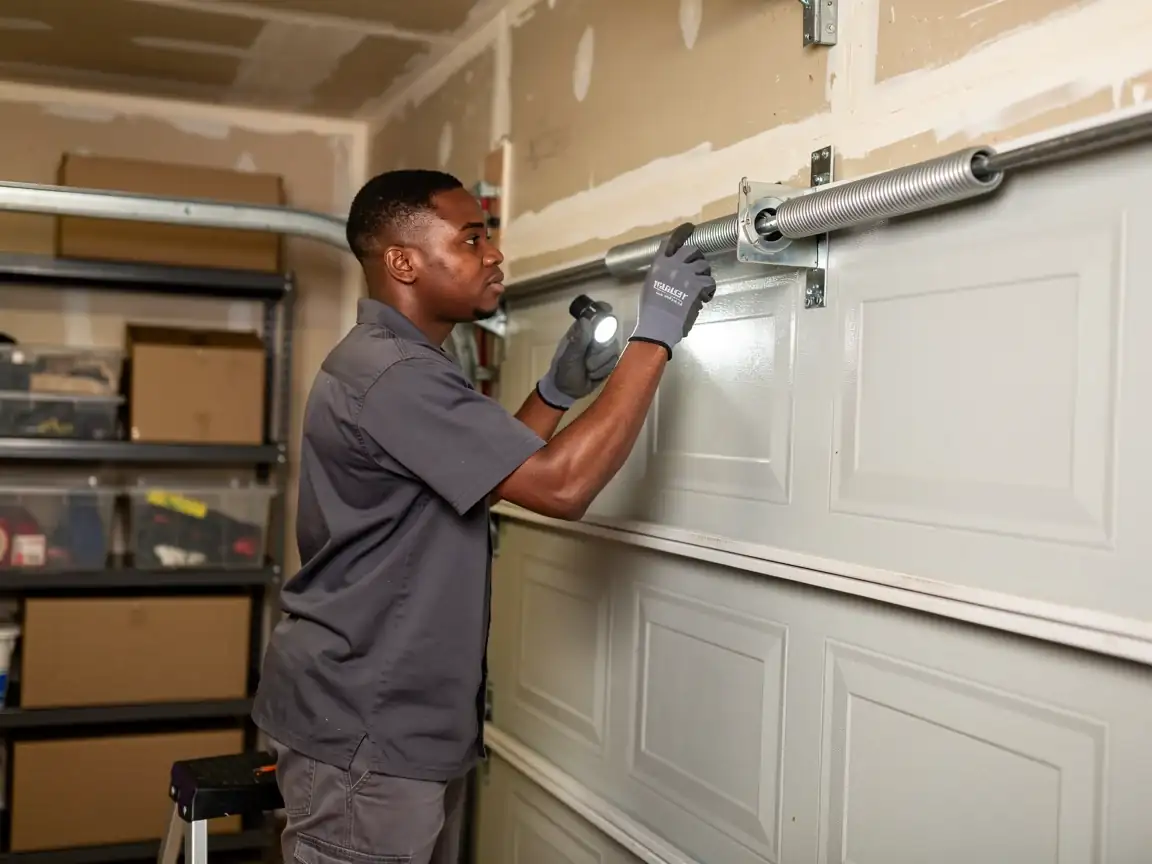
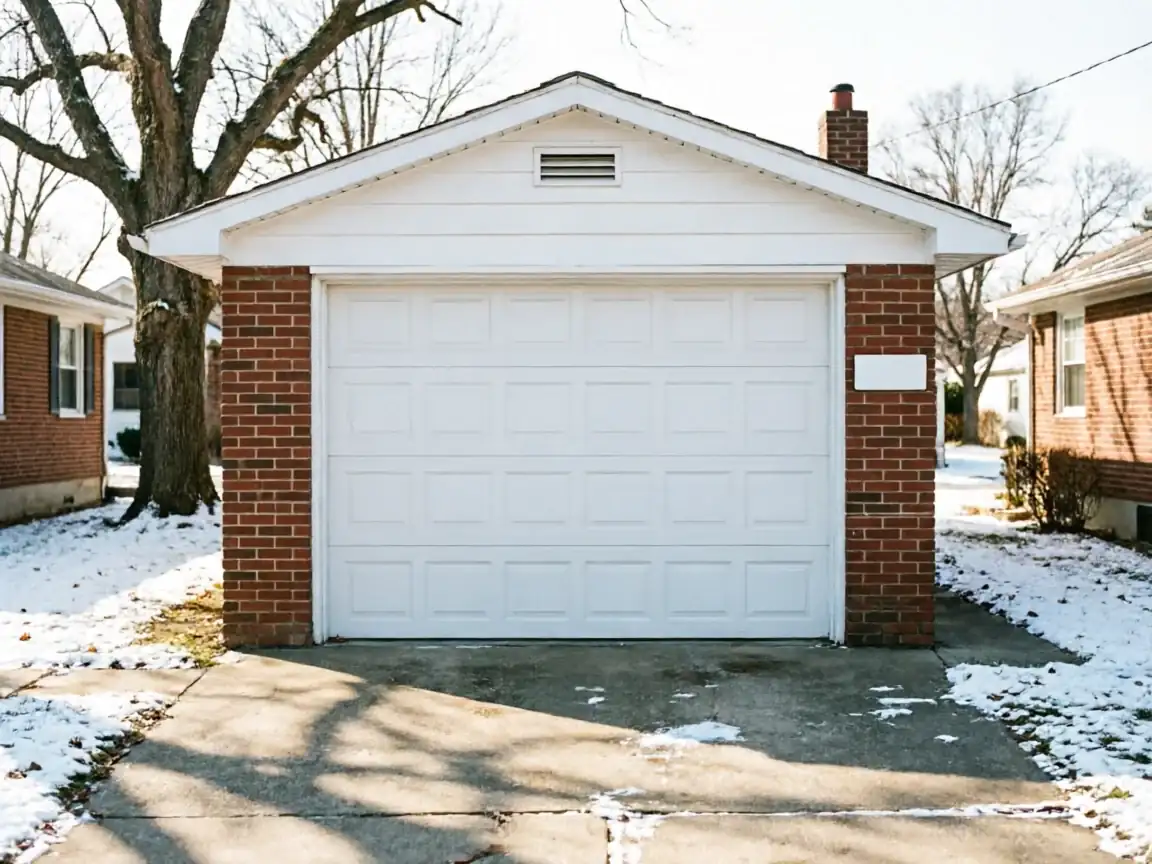
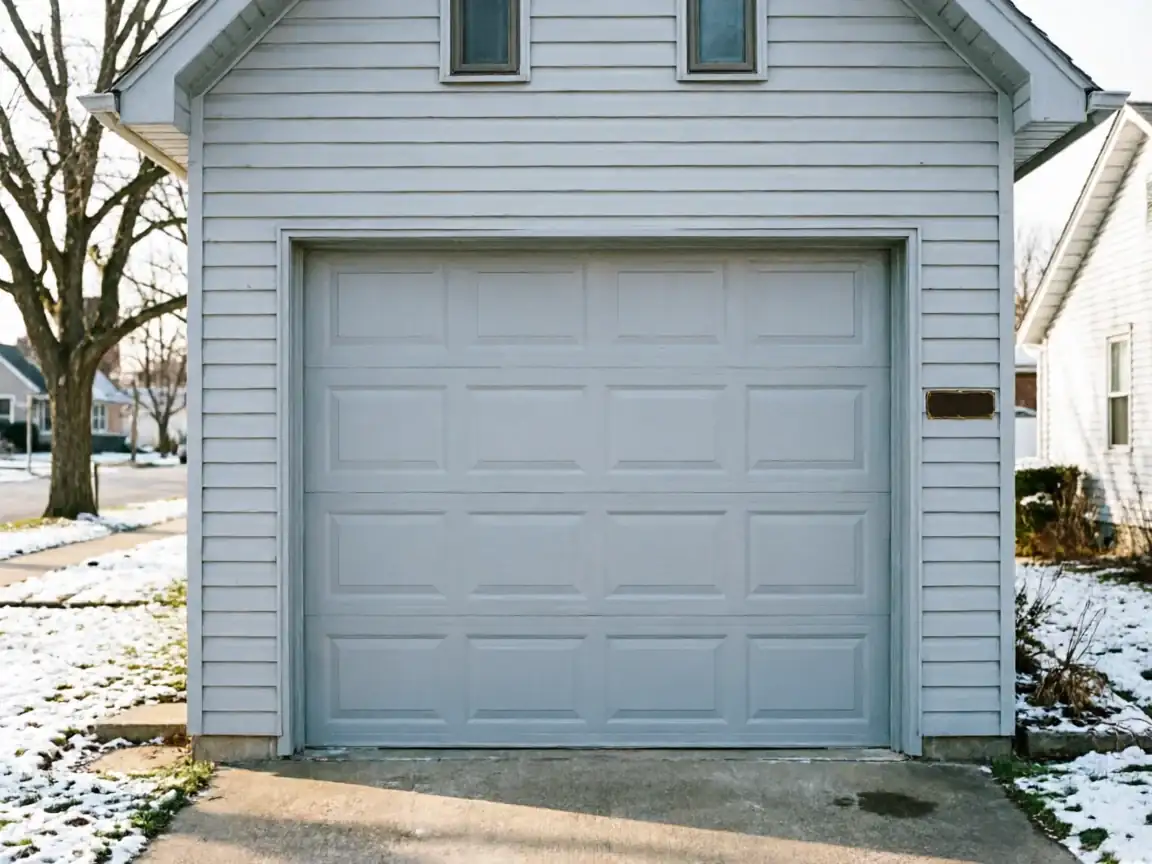
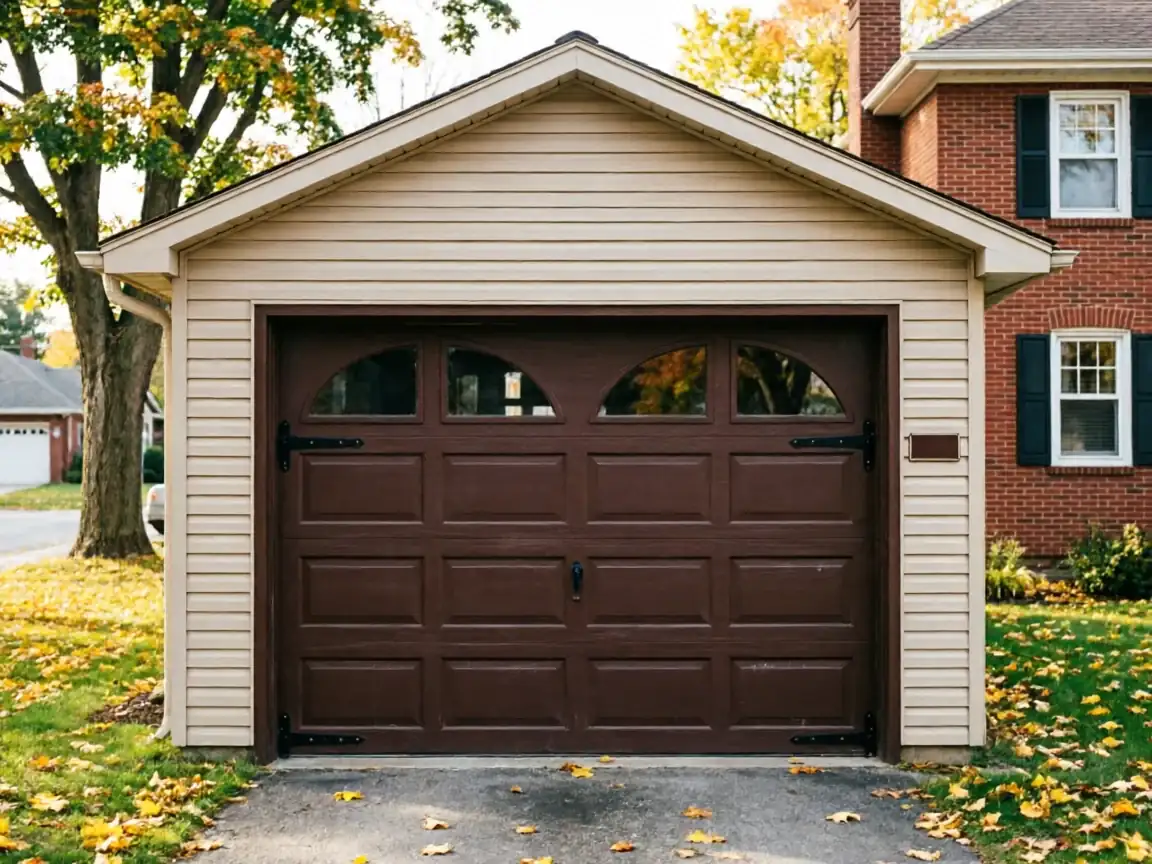
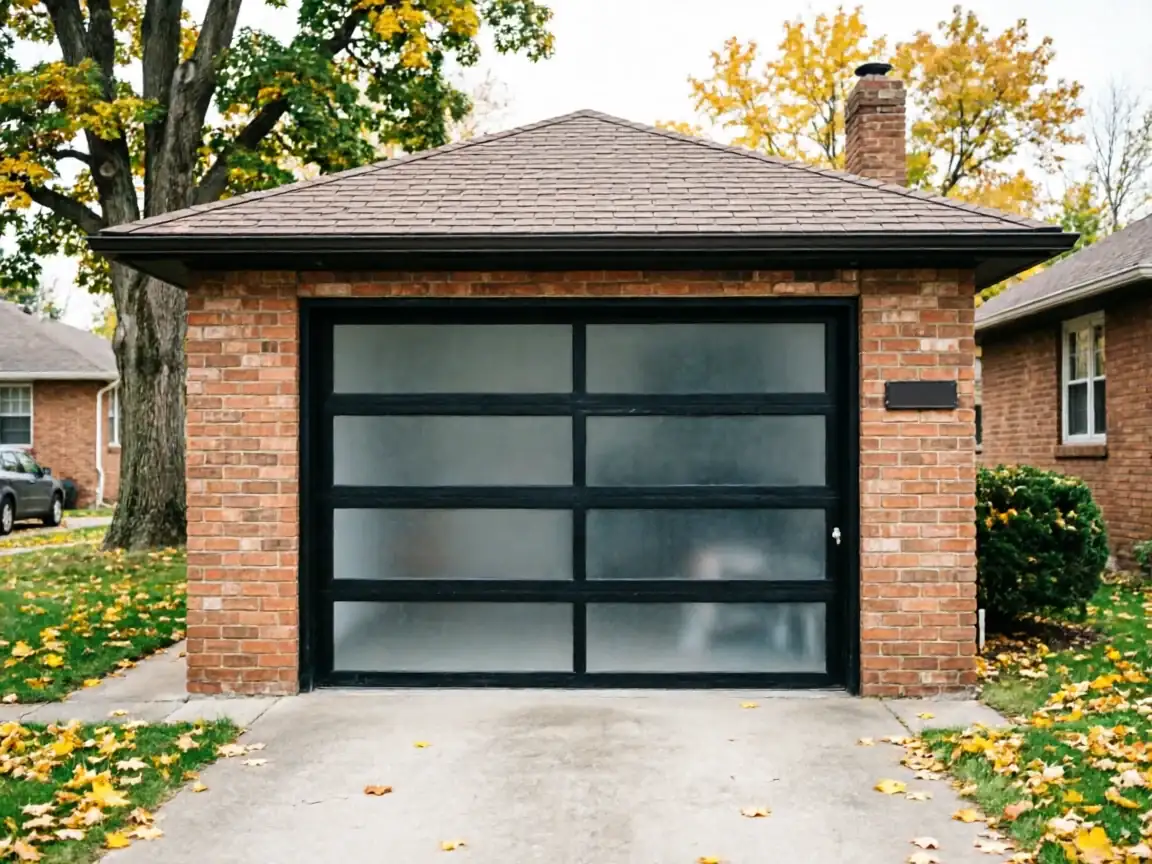
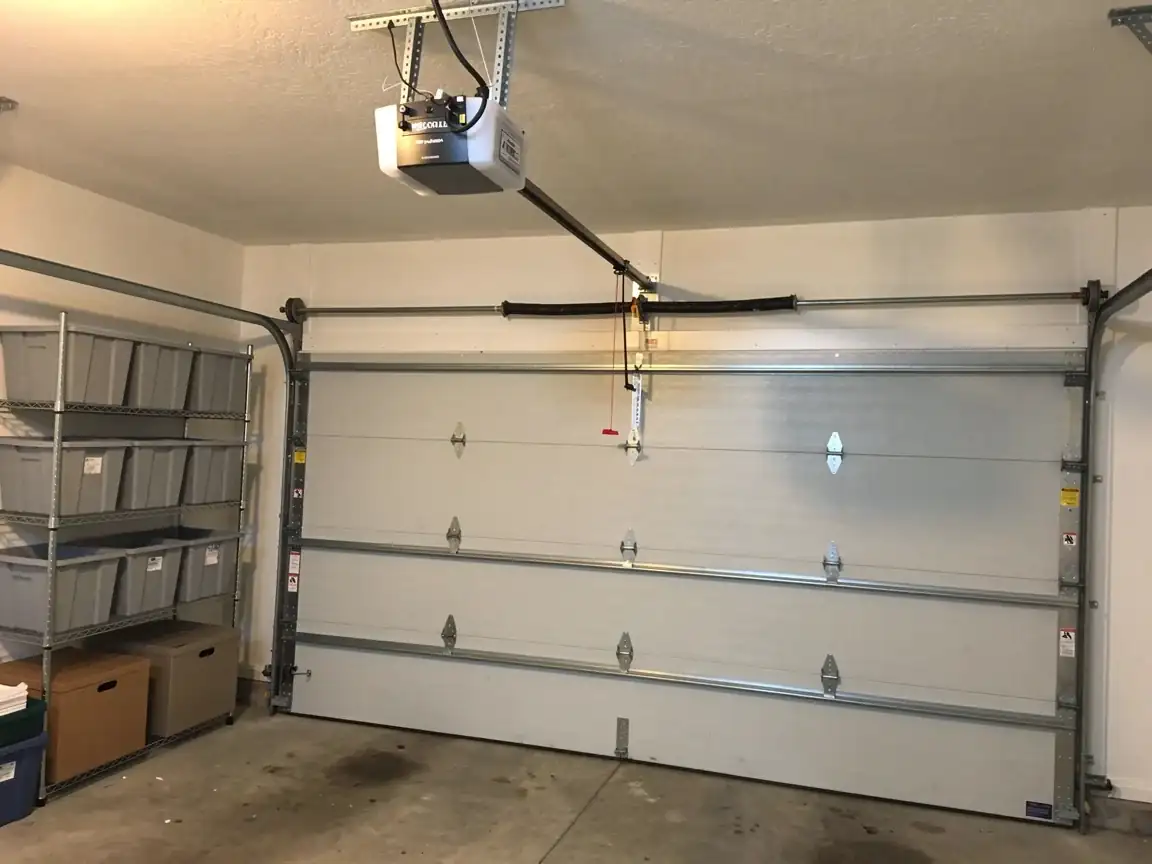
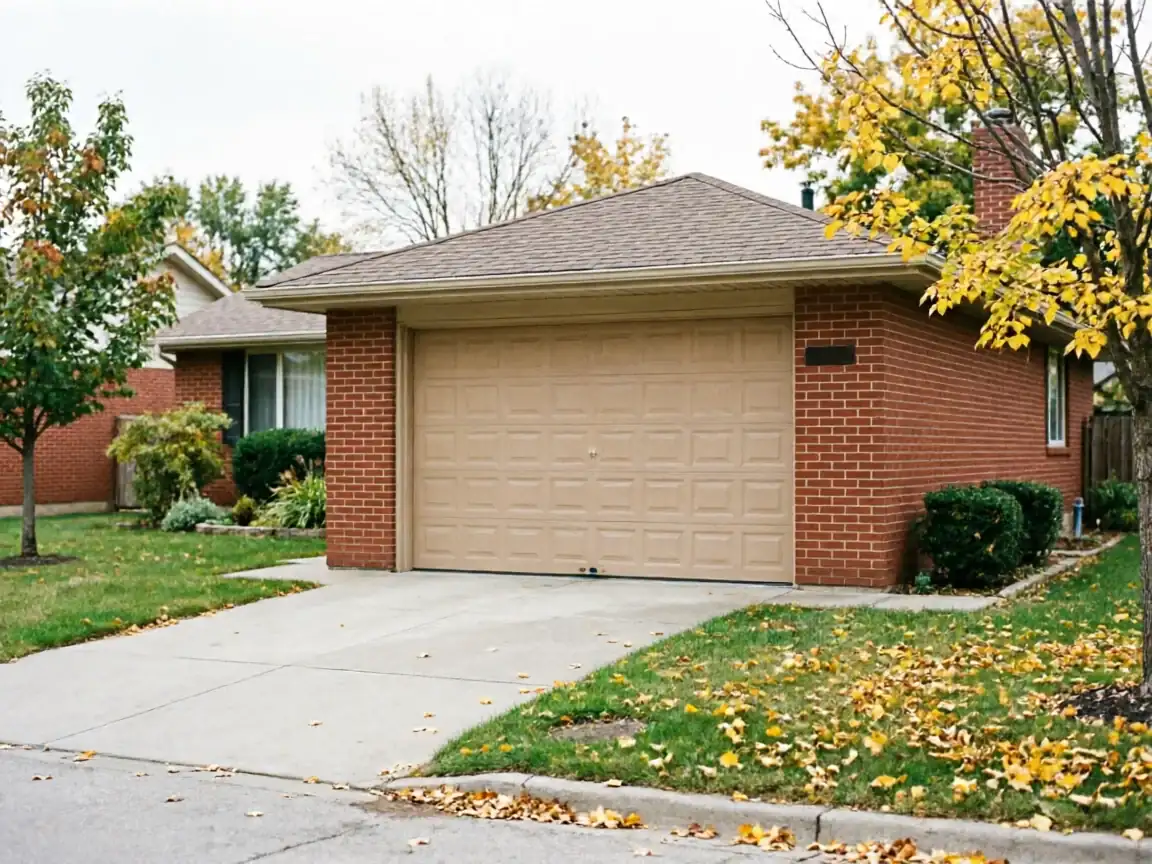
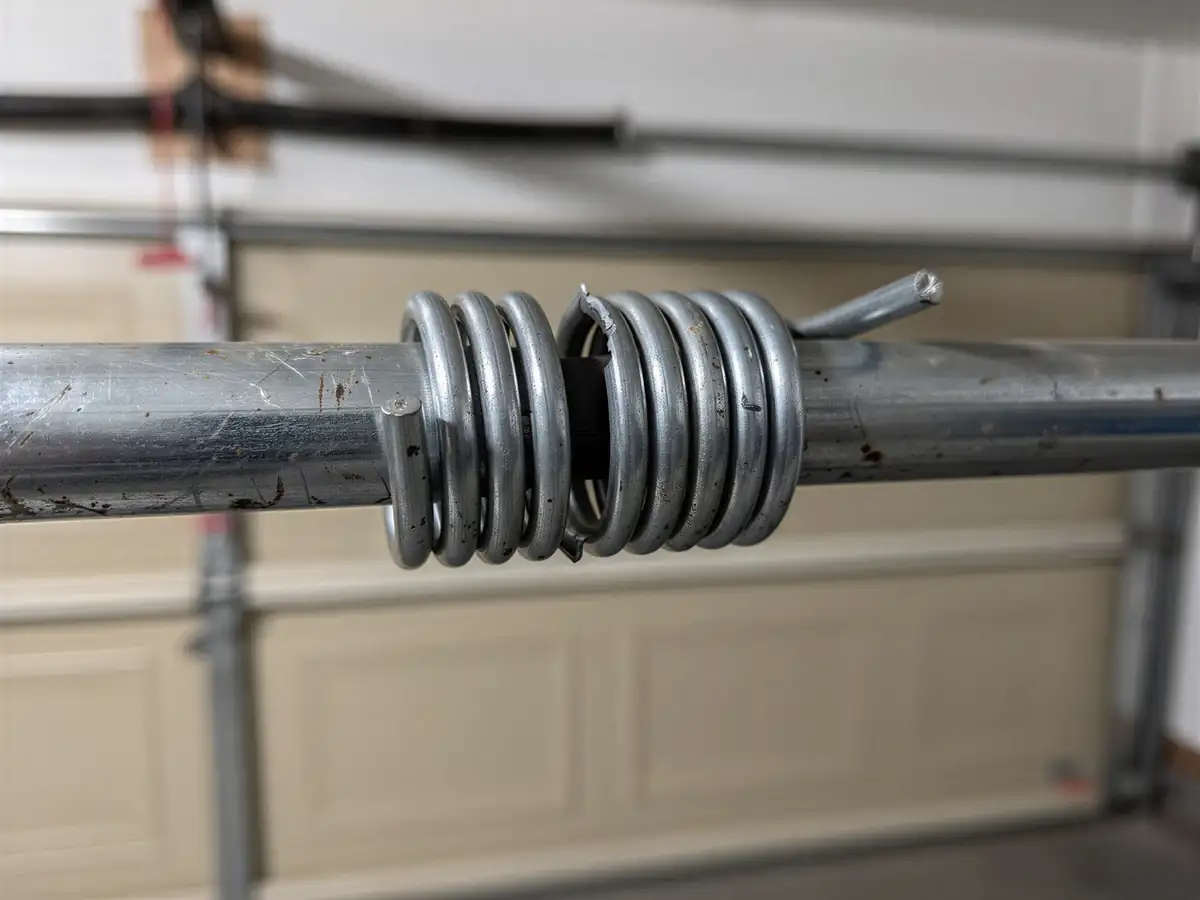
Manchester's housing stock sits a few years newer than the rest of our service area. Across the wider area the median build year is 1954, but Manchester's own homes center on 1959 - five years that actually show up in the garage. A house framed in 1959 is more likely to have come with an early steel sectional door on extension springs, not the single-panel wood door still common on older streets closer to Jackson. That difference matters when a spring lets go: the hardware, the drum size, and the way the cable routes over the drum aren't the same part number as a 1948 door, and treating them the same is how a repair goes sideways.
Manchester also runs smaller than most of the towns we cover - about 1,089 households, against the roughly 14,000 across the full service area. Fewer houses means fewer of any one hardware generation, which is part of why we don't guess at parts over the phone. We ask the build year and the door brand before we load the truck.
What It Costs
We don't have a flat emergency rate to quote here
And we're not going to invent one just to fill this paragraph. What we can tell you: Manchester households run a median income of $81,393, well above the $65,349 median across the rest of our service area, which is worth knowing if you're comparing quotes against a neighbor in an older, lower-income pocket closer to Jackson - your door, your spring gauge, and your repair cost may simply not match theirs even on the same street width.
Cost on an emergency call comes down to what actually failed
A snapped cable is a different job than a broken torsion spring on a double door, and a stripped opener gear is different again. We quote on-site once we've seen the door, not before. If a number matters to you before we arrive, ask us directly; we'd rather tell you we don't know yet than make one up.
How We Fix It
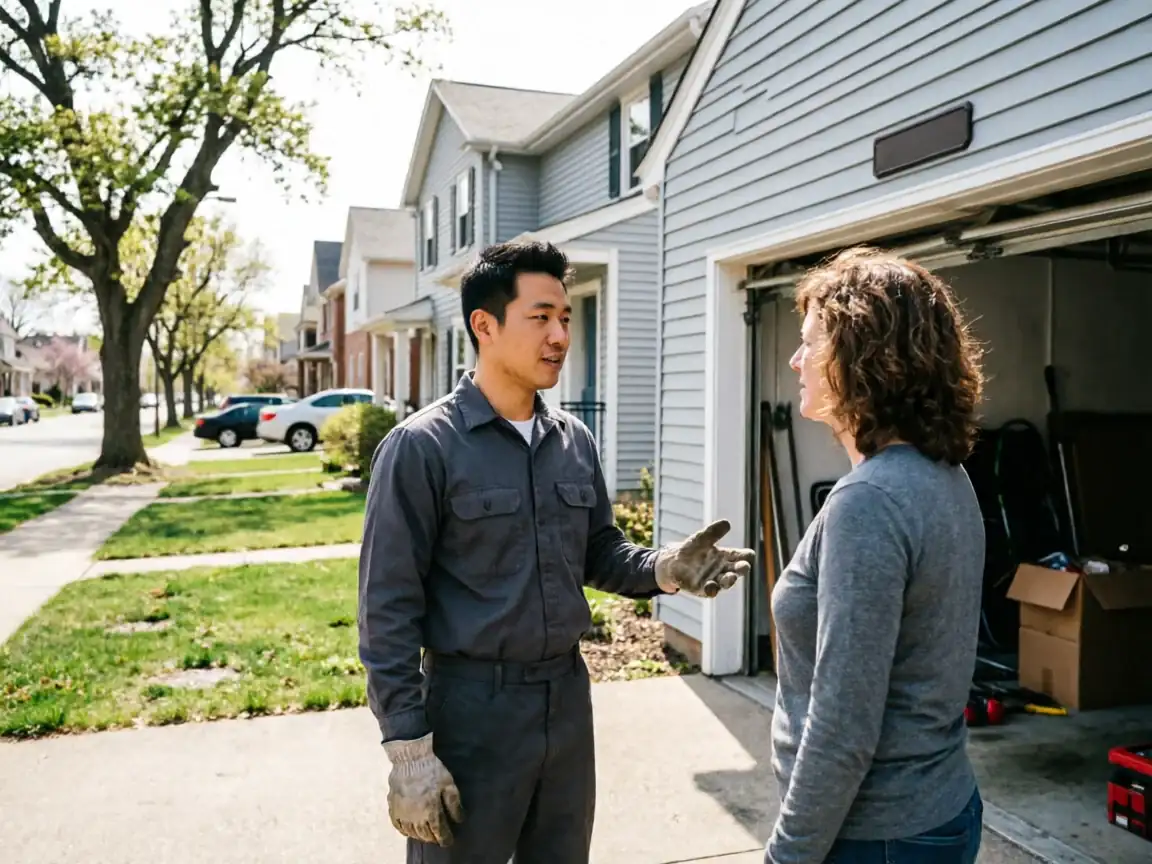
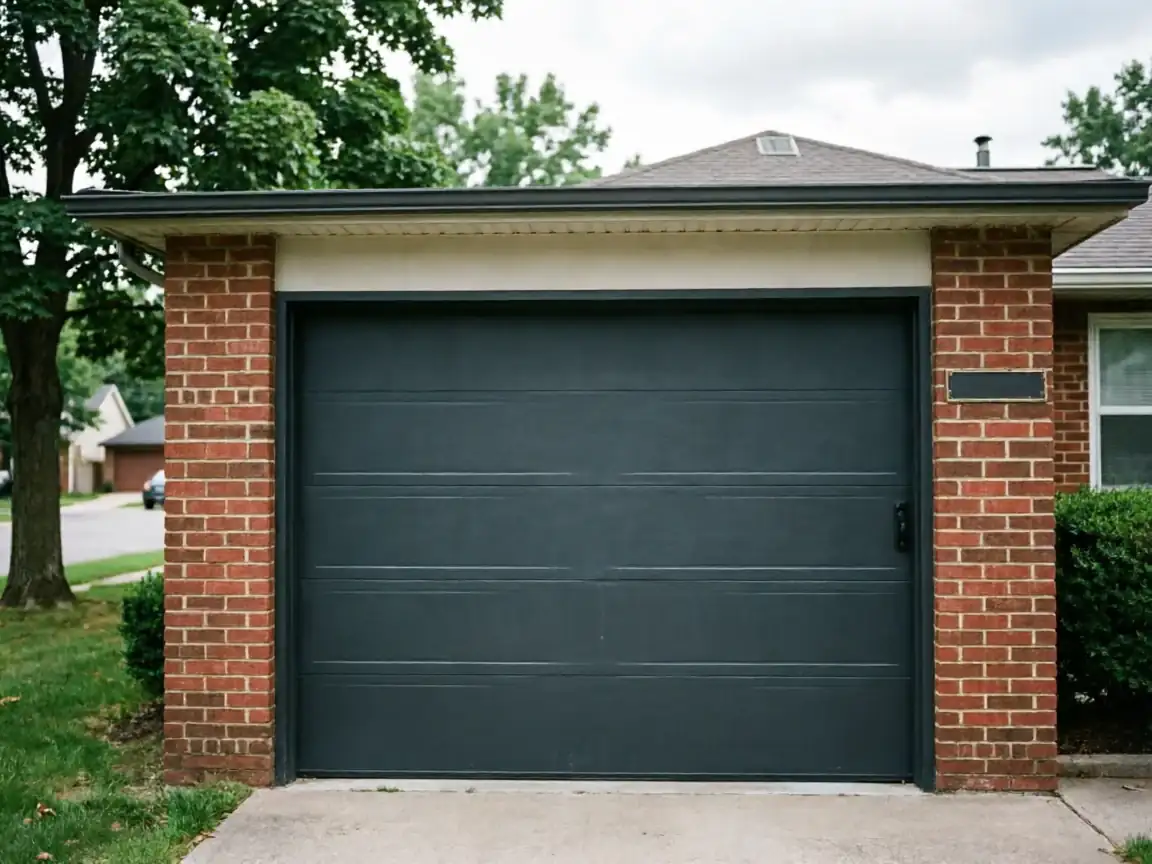
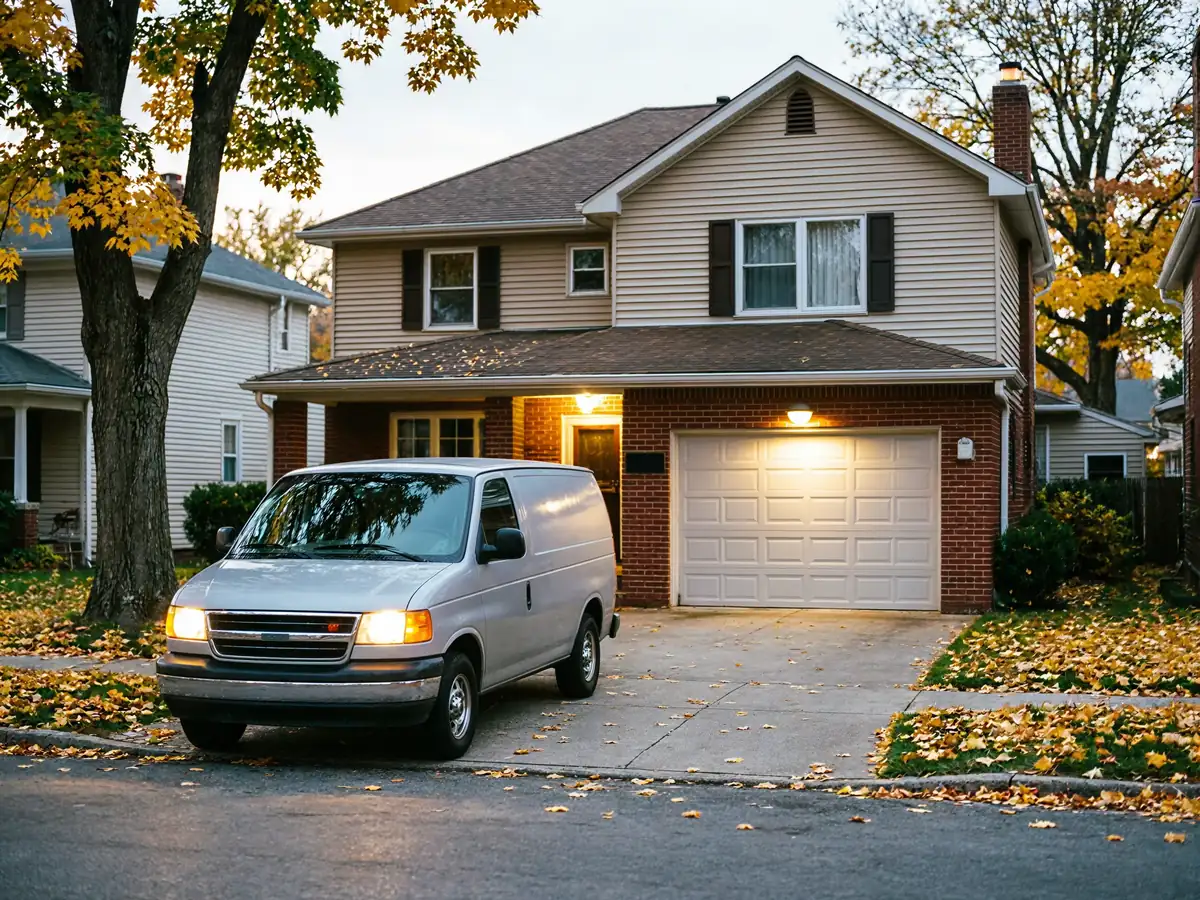
There's no Jackson Garage Door Pros branch in Manchester - we run the twenty miles out from our shop in Jackson on every call here, same as we do for the other towns on that side of the county. That's not a knock against Manchester, it's just the geography, and it's why we ask a few questions up front: what the door looks like, roughly how old the house is, whether it's a torsion or extension spring setup. Knowing the door is likely a late-1950s steel sectional rather than an older wood panel lets us load the right spring and cable before we leave the shop instead of discovering it's wrong in your driveway.
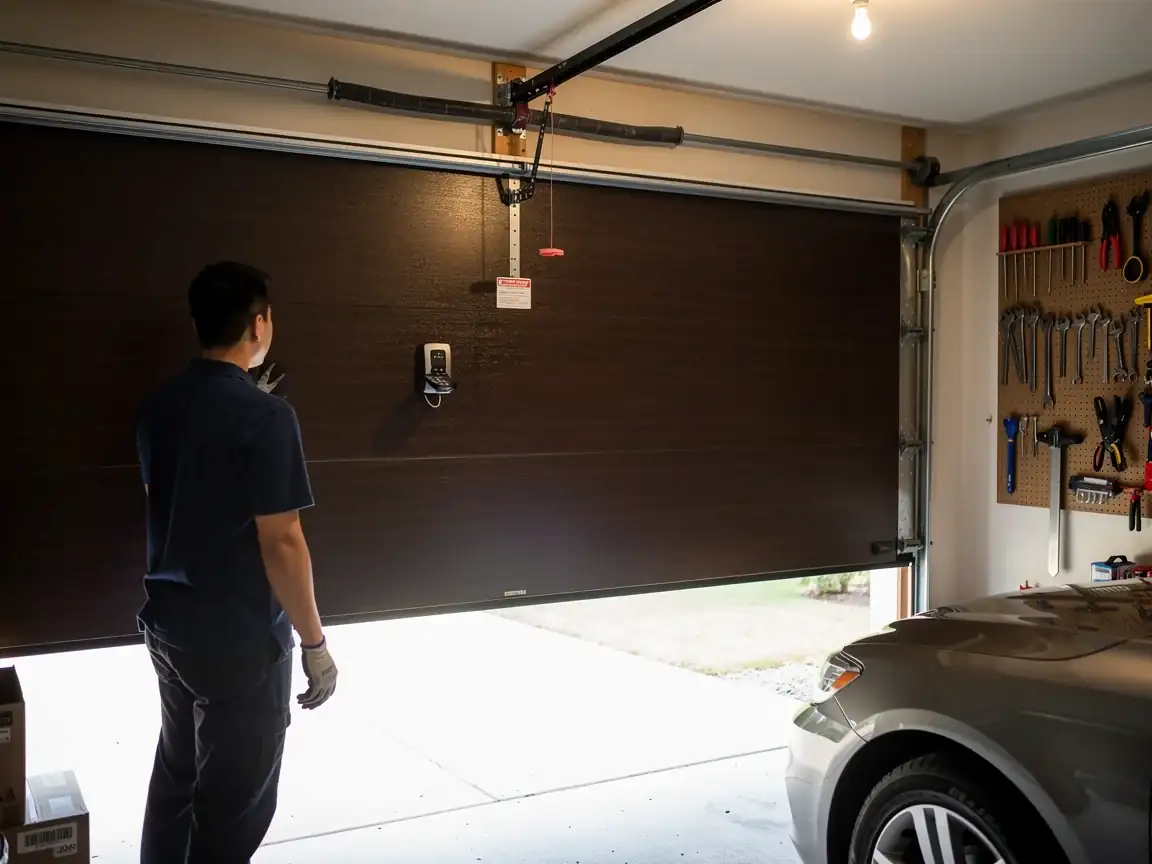
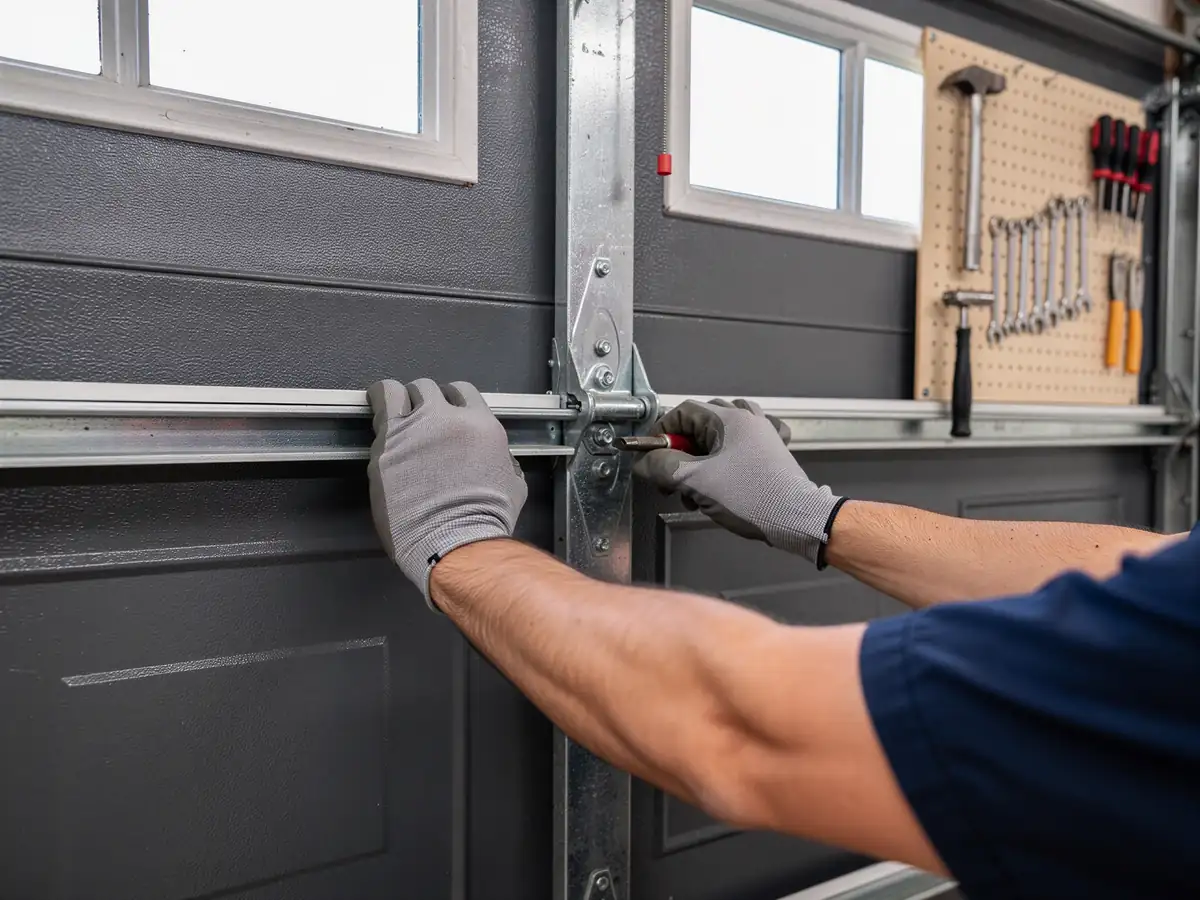
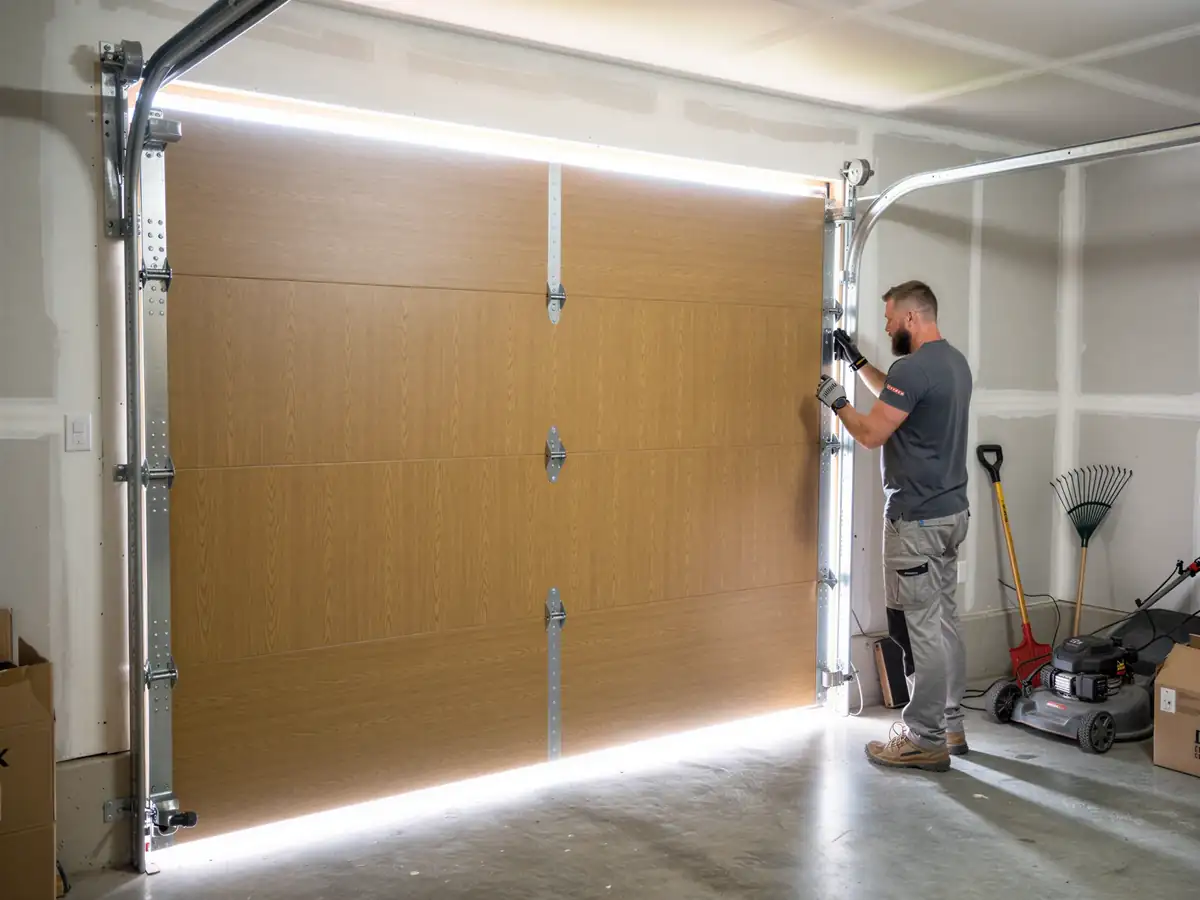
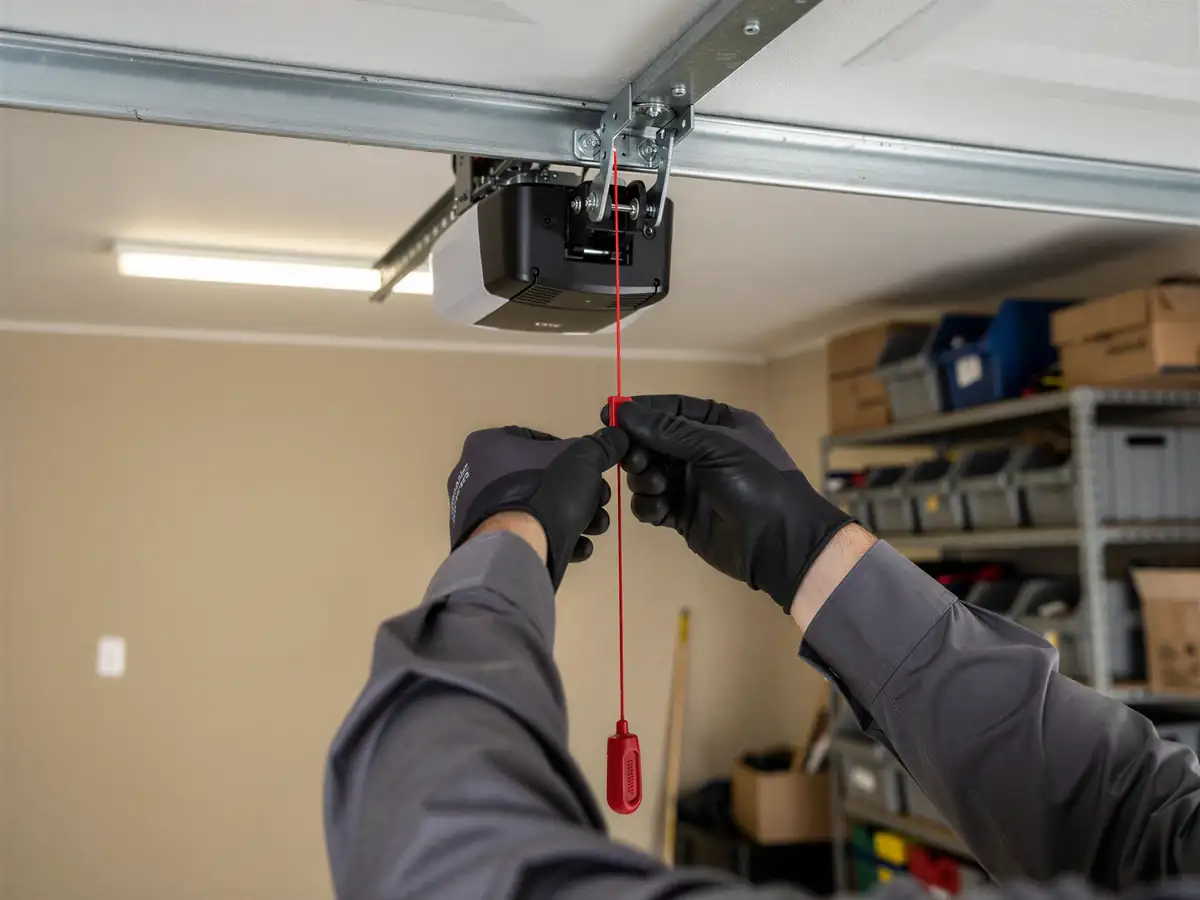
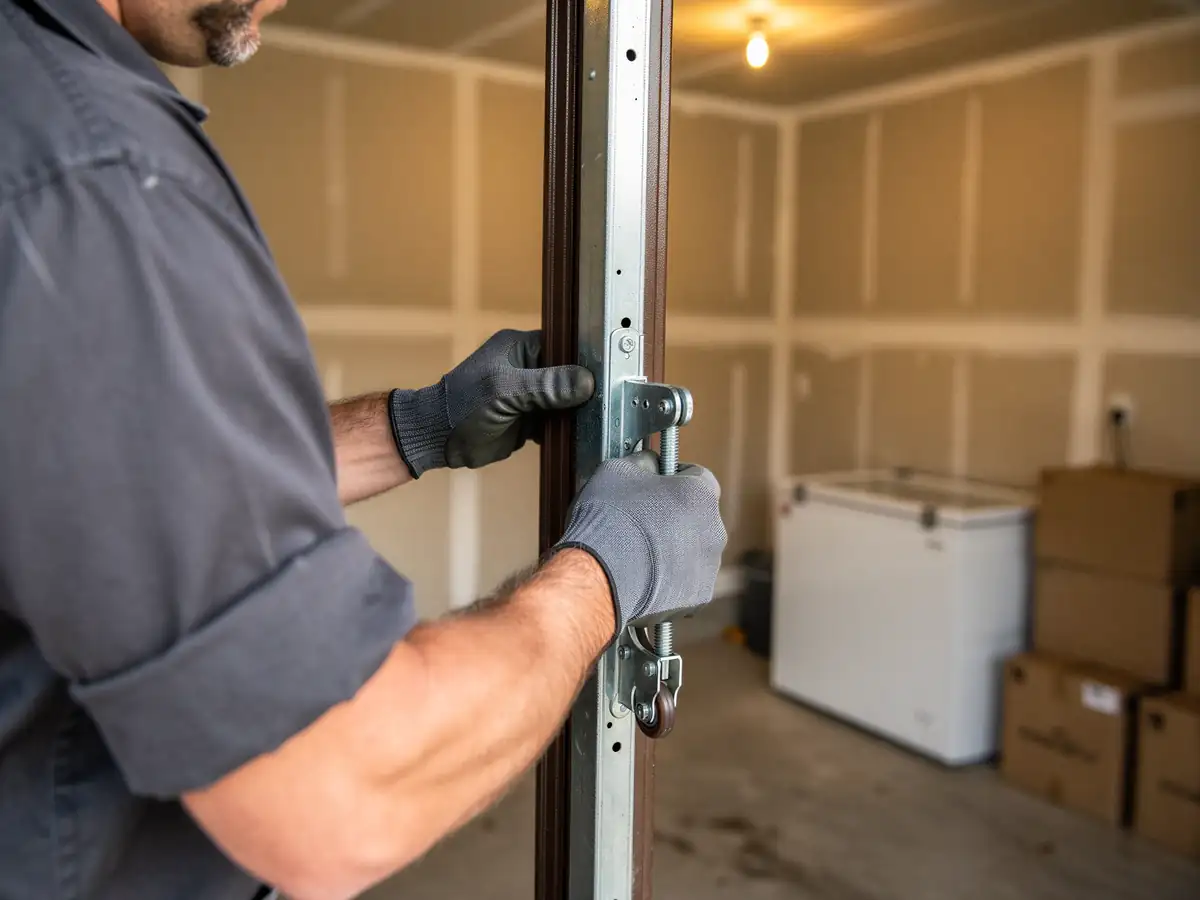
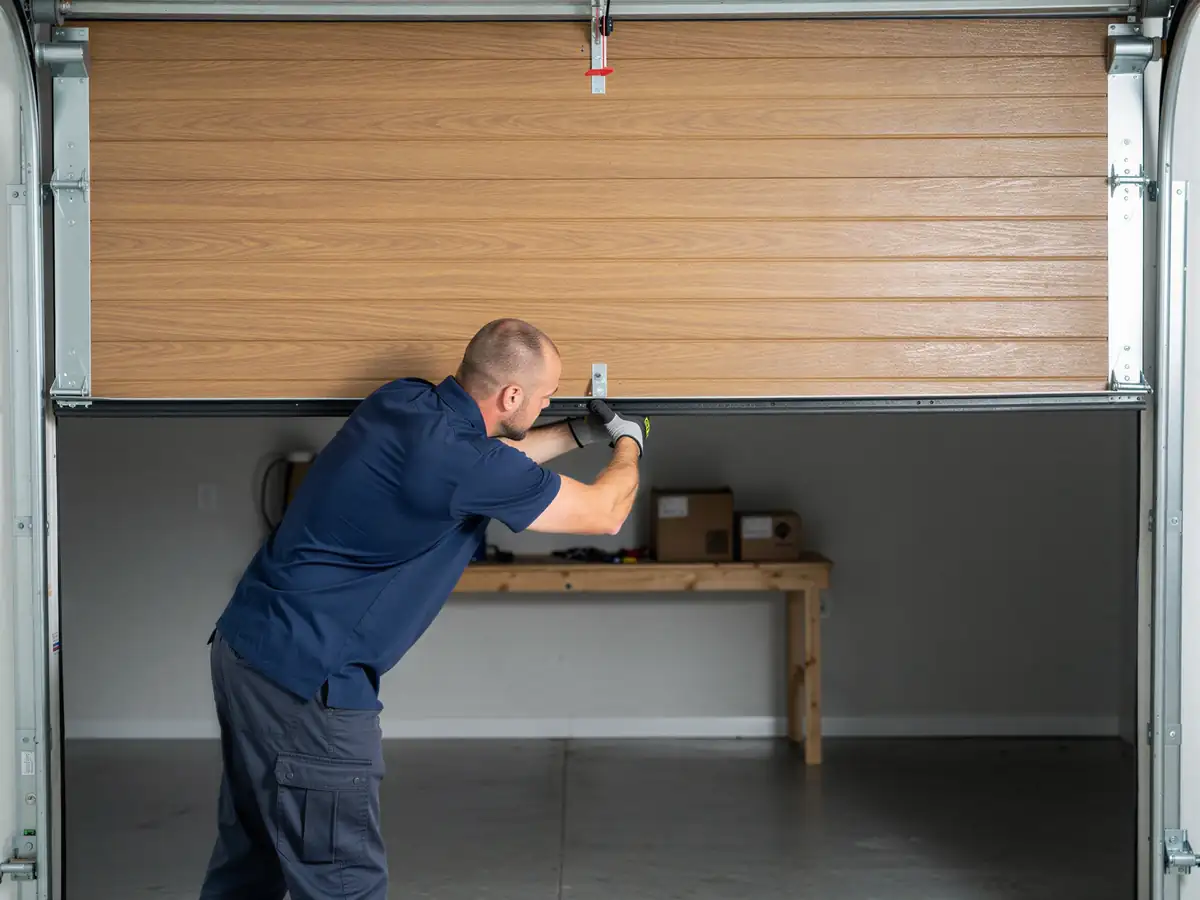
Once we're there, it's the same process as any broken-spring or off-track call: kill the opener, secure the door, replace the failed part, and run it through a full cycle before we call it done. We don't shortcut the cycle test because a door that looks fine on one swing can bind on the second.
The Complications
Cold is the complication here, same as everywhere in this part of the state - steel contracts, grease stiffens, and a spring that's been fraying for months tends to finally go on the coldest morning of the year, not the mildest. On a 1959-era door that's run the same springs for decades, that cold snap is often the thing that finishes a job that was already failing.
The other complication is simpler: distance. Twenty miles isn't far, but it means we're not already around the corner, and we won't tell you we are. If your door is stuck open overnight, secure the house another way until we arrive - don't force the door by hand if a cable's snapped, since the other side can still be under spring tension and that's how hands get hurt. We'll walk you through making it safe over the phone before the truck is even on the road.