Why This Fails Locally
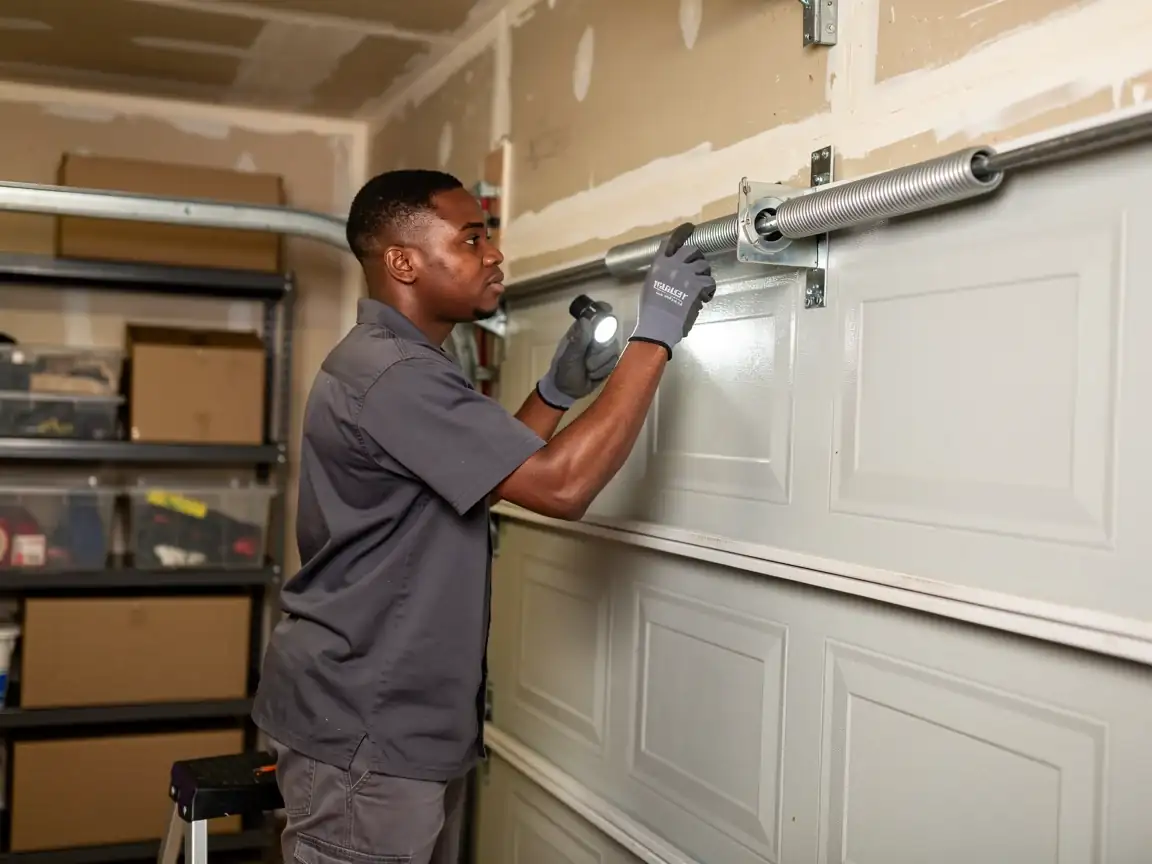
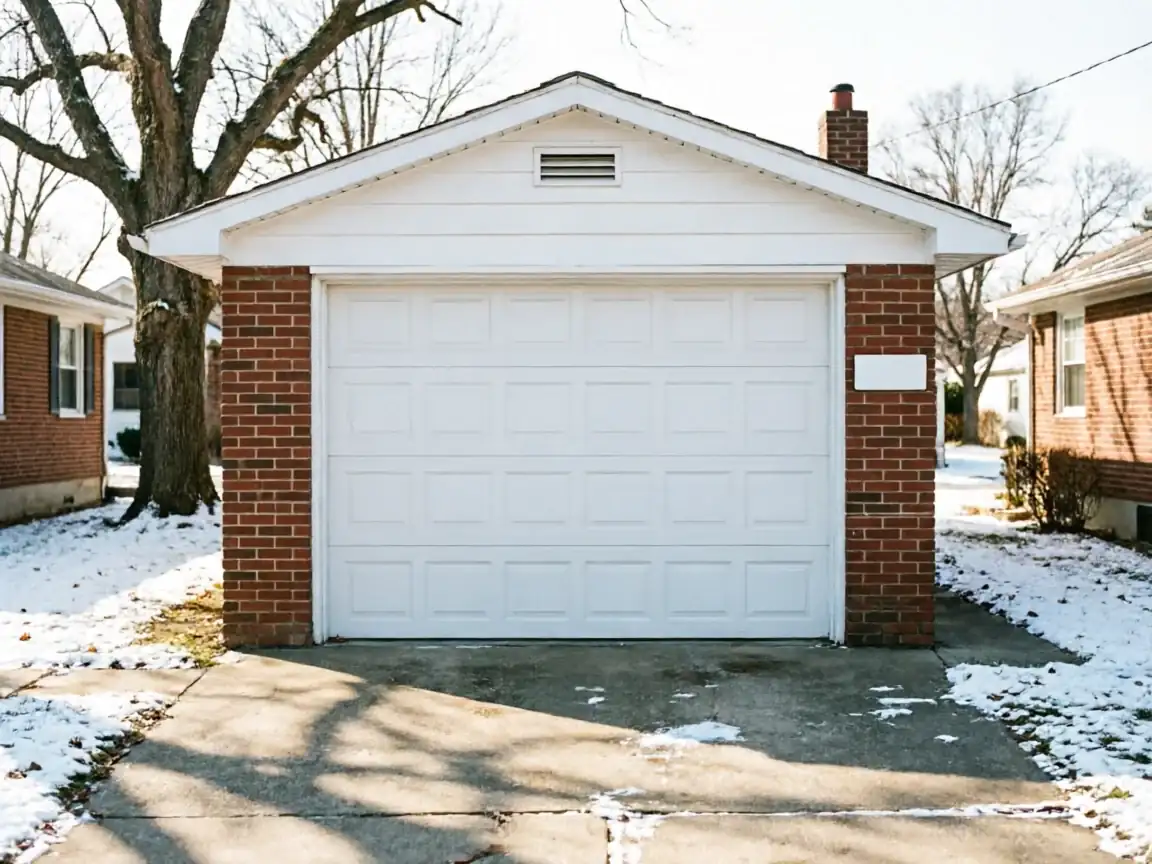
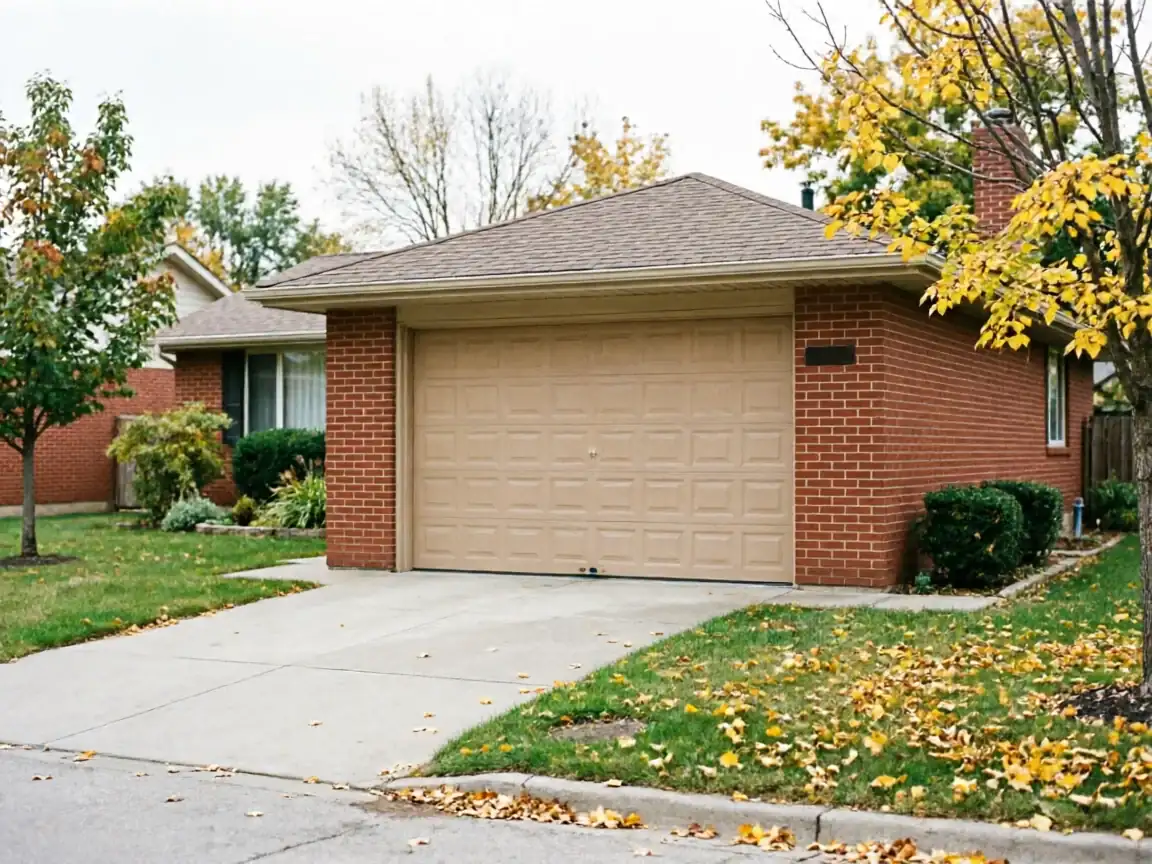
The median house in Manchester went up in 1959. That one number tells you more about the spring on your garage door than almost anything else we could say. Doors built or installed around that time typically ran on single extension springs stretched along the horizontal tracks, or early torsion setups with uninsulated cones bolted straight to the header - hardware that was standard then and is mismatched to almost everything sold today. Forty, fifty, even sixty winters of cold-to-warm cycling have taken a toll on the steel in these original springs.
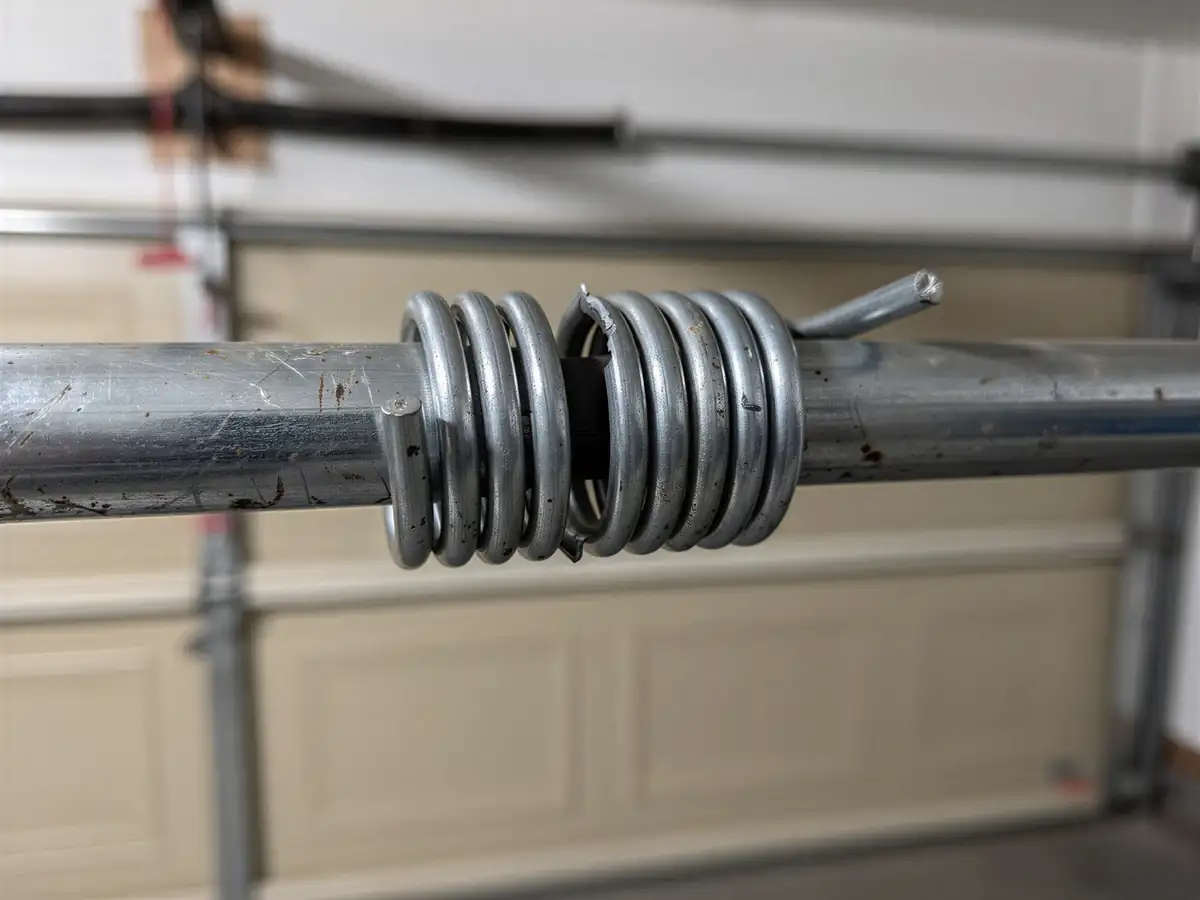
That matters here because the service area sits in a COLD severe climate band. Steel contracts hard in deep cold and expands again every thaw, and a spring that's already fatigued from decades of that cycle is the one that snaps on a January morning, not a mild one in October. In a town where most of the housing stock predates 1960, that failure mode isn't rare - it's close to the default. A door built for 1959 winters wasn't engineered with 2024-era materials or coatings, and nobody's made a direct replacement spring for some of those original mounts in a long time.
Manchester's median household income runs $81,393, notably above the $65,349 median across the wider service area we cover from Jackson. That gap shows up less in whether people fix a broken spring - everyone does - and more in whether they ask for a spring upgrade instead of a like-for-like replacement when the hardware is already outdated.
What It Costs
We don't have a published price list for this page, and we're not going to invent one
Spring jobs vary by door weight, by whether it's a single or double door, and by whether the existing hardware is a torsion system or the older extension-spring style still common on 1959-vintage houses. What we can tell you honestly: a straightforward torsion spring swap on a standard door costs less than matching an obsolete extension-spring setup where parts have to be adapted or the whole system updated to torsion.
One limitation worth stating plainly
If your door still runs on the original side-mounted extension springs without a safety containment cable, we're going to recommend bringing that up to current safety practice at the same time we replace the spring, not just swapping steel for steel. That adds to the job, but putting a new spring on hardware that was never built with a containment system is a half-repair, and we won't sell you one.
How We Fix It
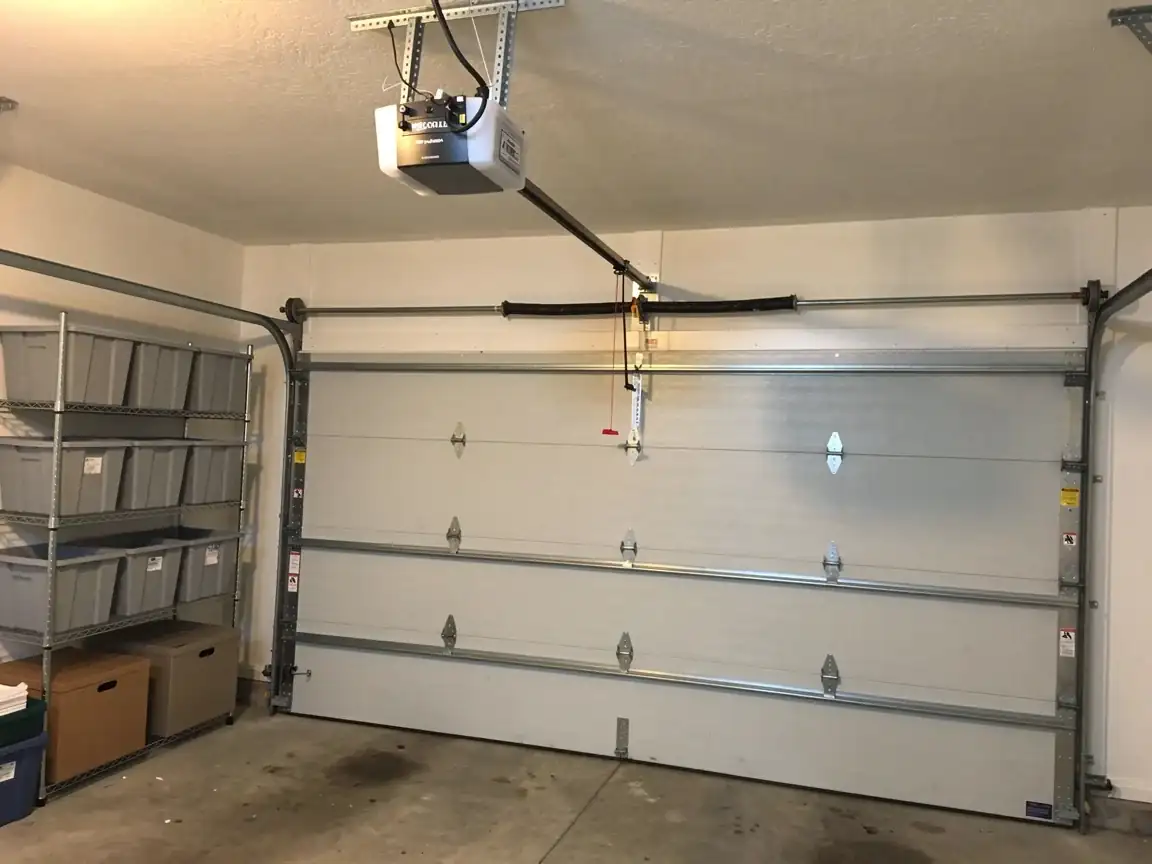
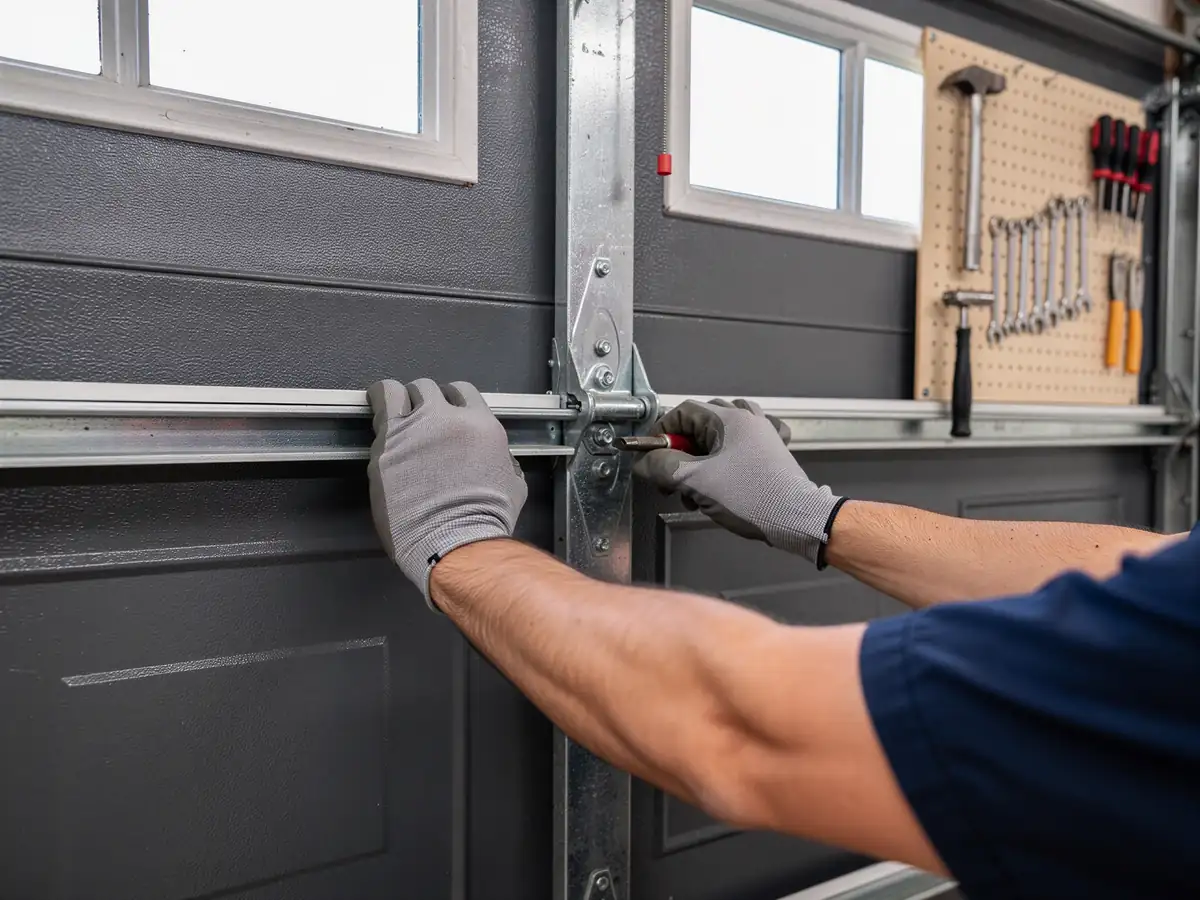
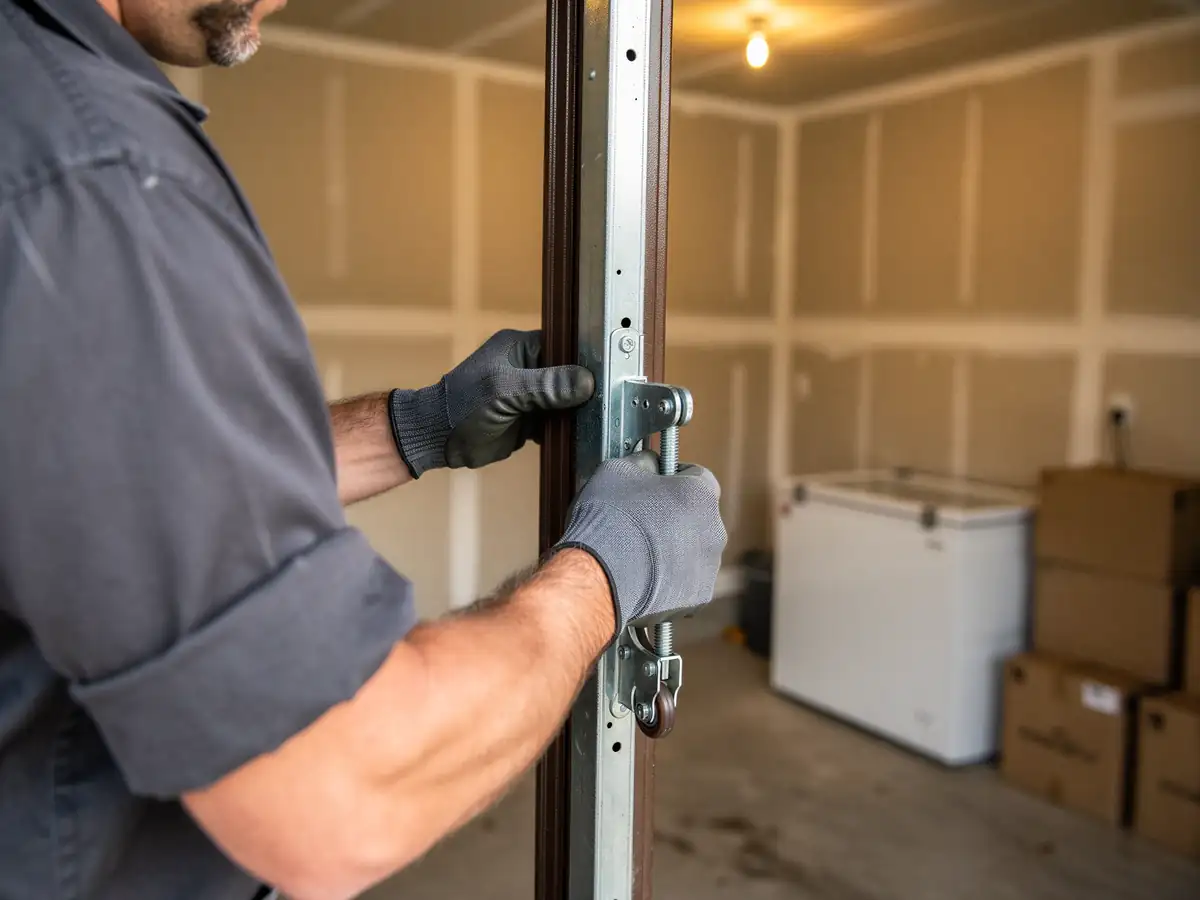
On a torsion system, we measure wire size, coil diameter, and wind length against the door's actual weight rather than guessing from what's already installed, because a spring sized to 1959 door-panel weights is often wrong for a replacement door's lighter aluminum or steel laminate construction. On the older extension-spring setups still found on some original Manchester doors, we check the track condition and pulley wear as closely as the spring itself, since those systems fail together more often than torsion setups do.
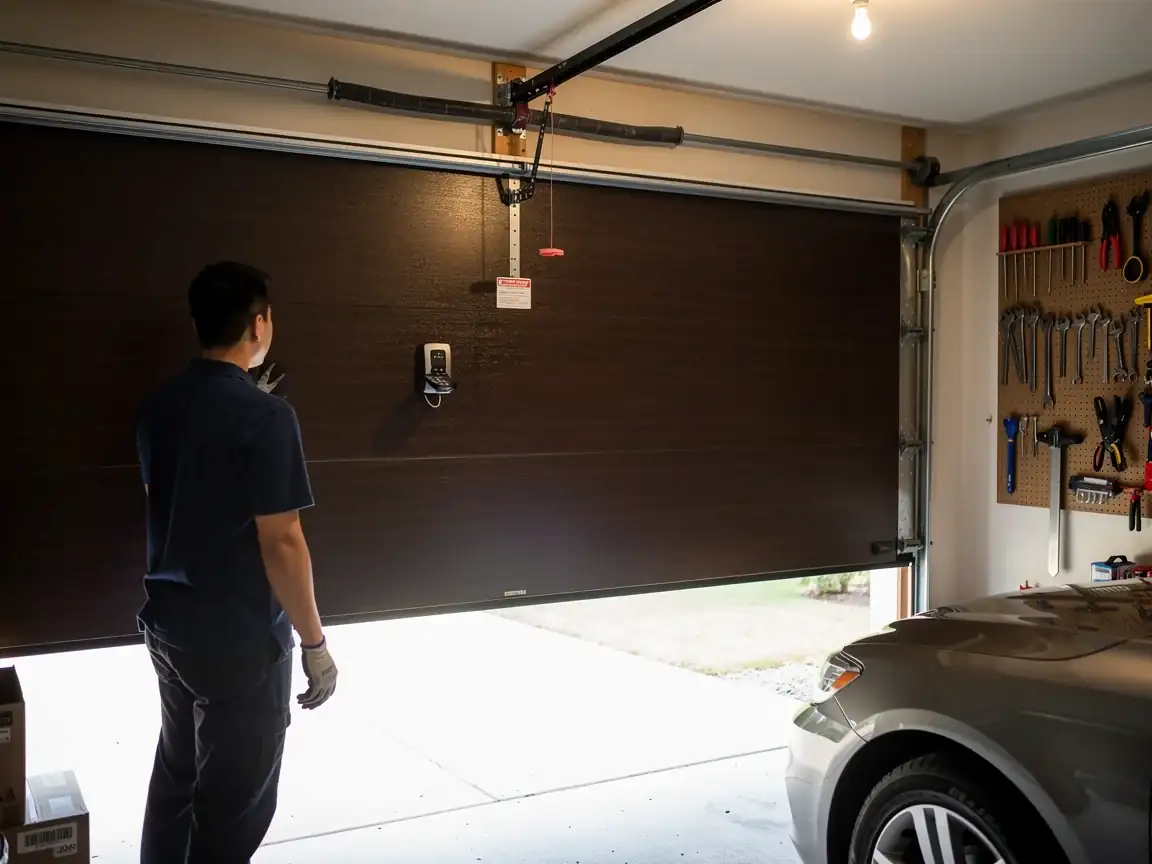
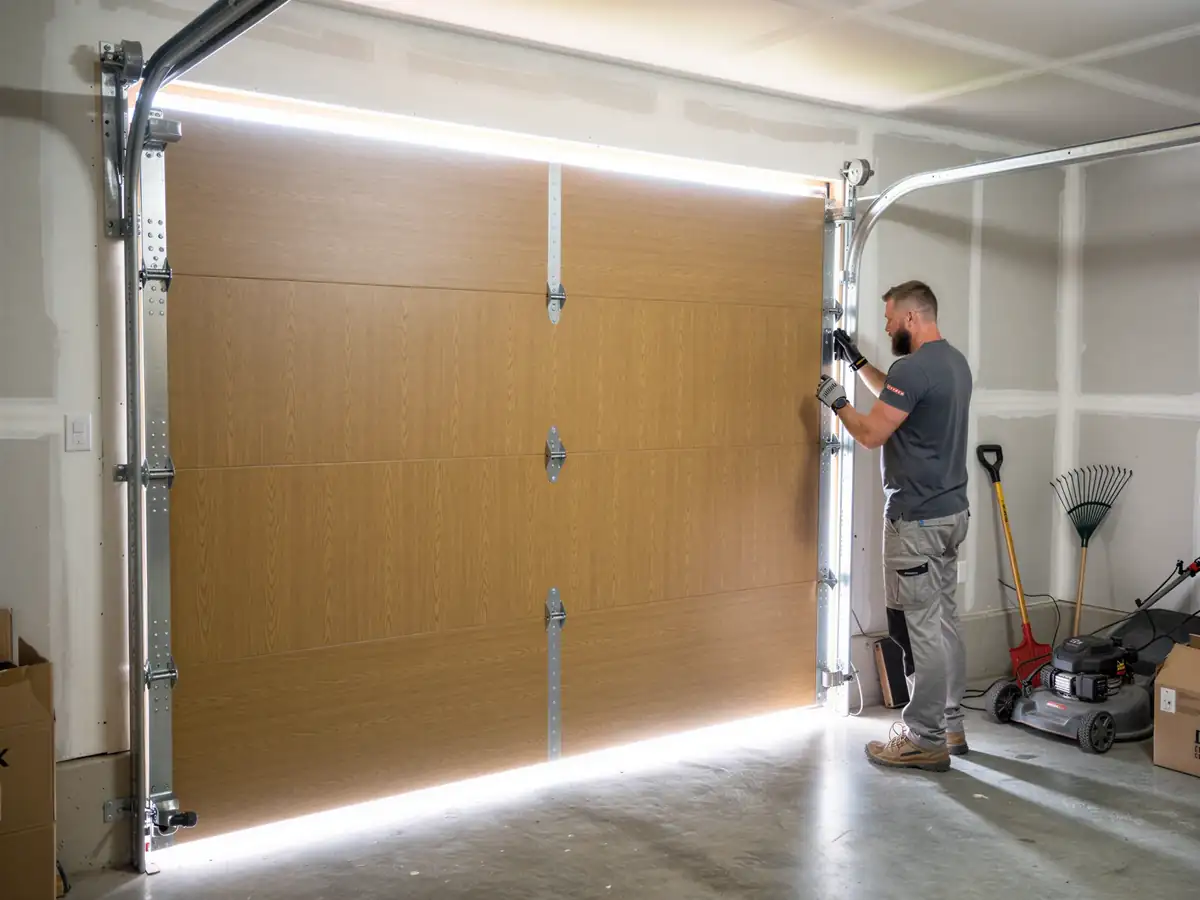
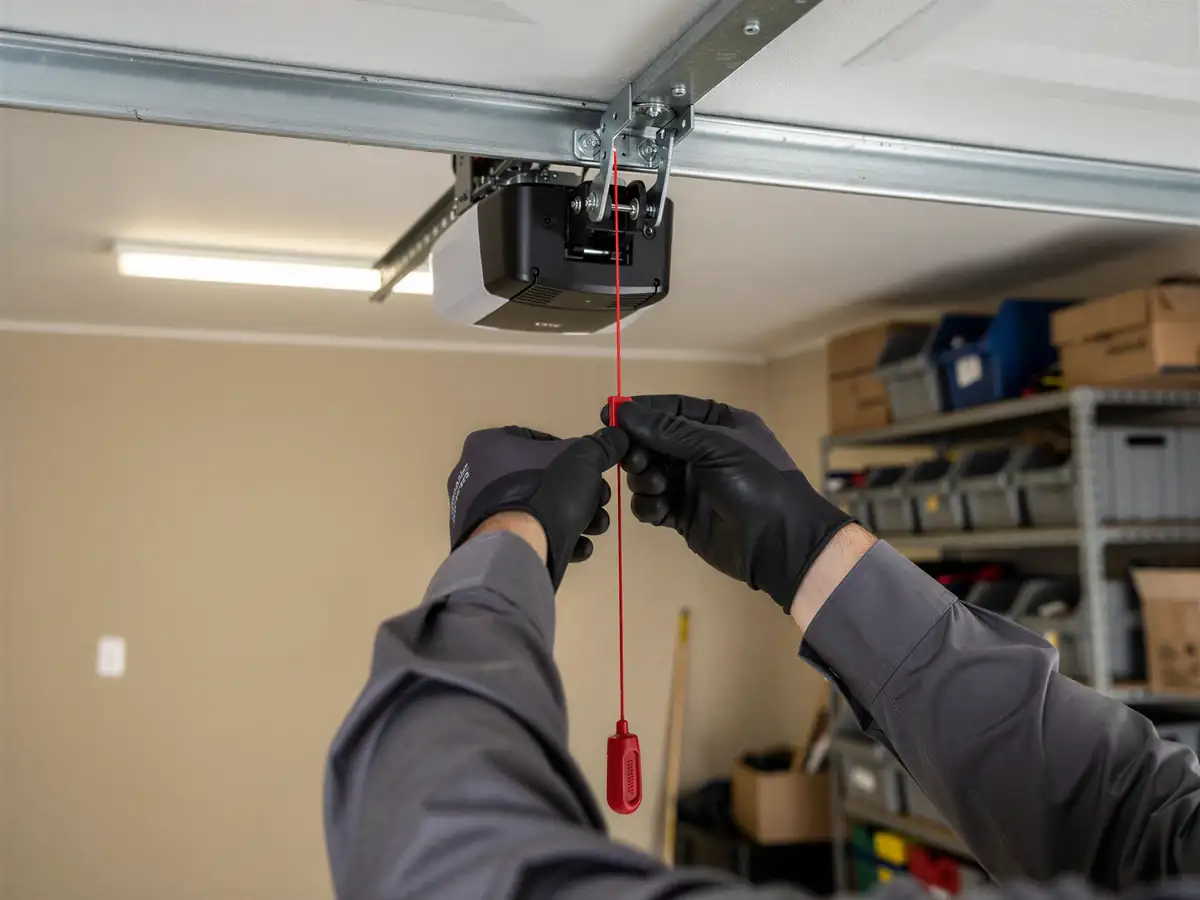
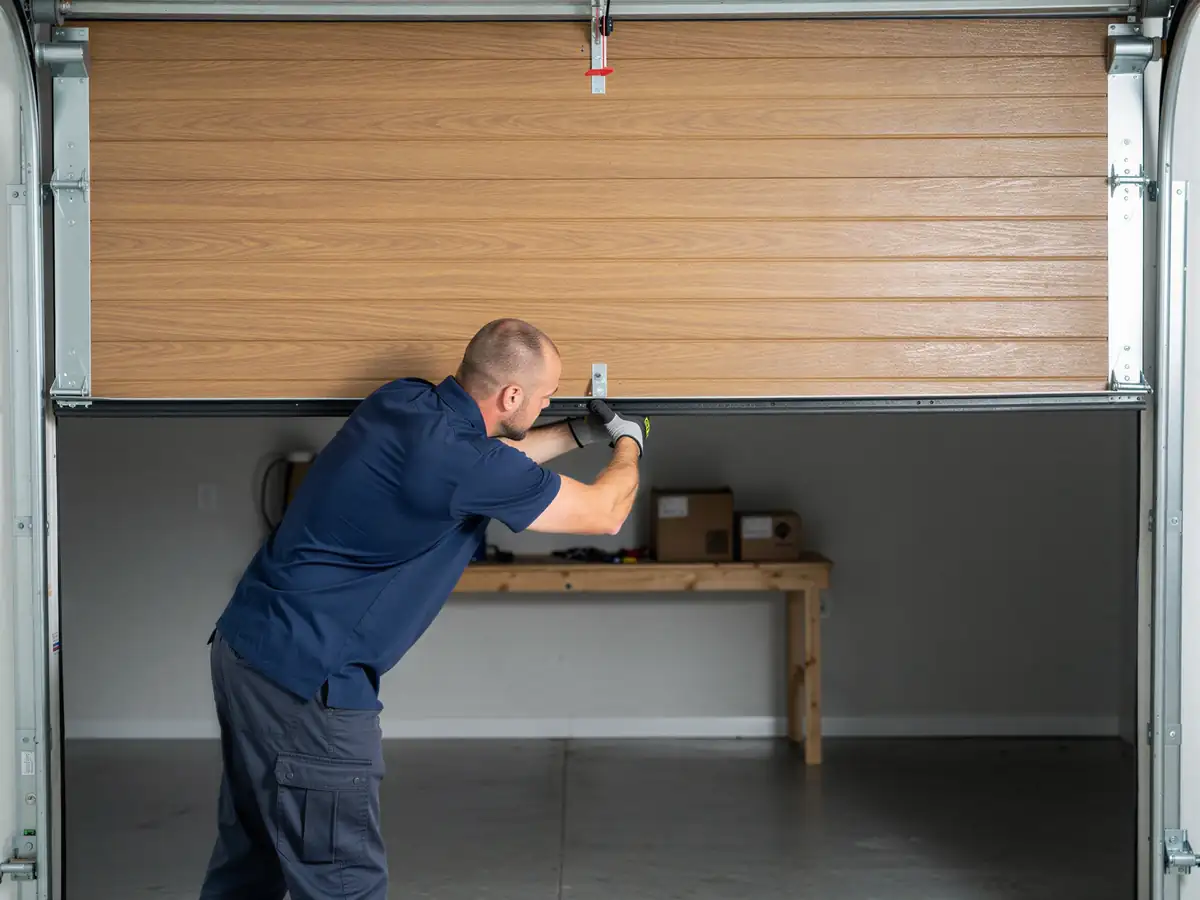
Every spring we put on gets matched to cycle life and to the COLD severe climate conditions this area sees, not to the cheapest stock option. We test the balance by hand after the install - a correctly sprung door should sit still at waist height when disconnected from the opener, not drift up or slam down. If it doesn't hold, the spring's wrong, full stop, and we adjust before we leave.
The Complications
We run this job out of Jackson, 20 miles from Manchester, and we're straightforward about what that means: there's no branch or drop box here, so same-day scheduling depends on the route that day, not a local crew sitting idle nearby. For a broken spring that's trapped a car in the garage, that drive matters, and we plan the call accordingly rather than promising a window we can't back up.
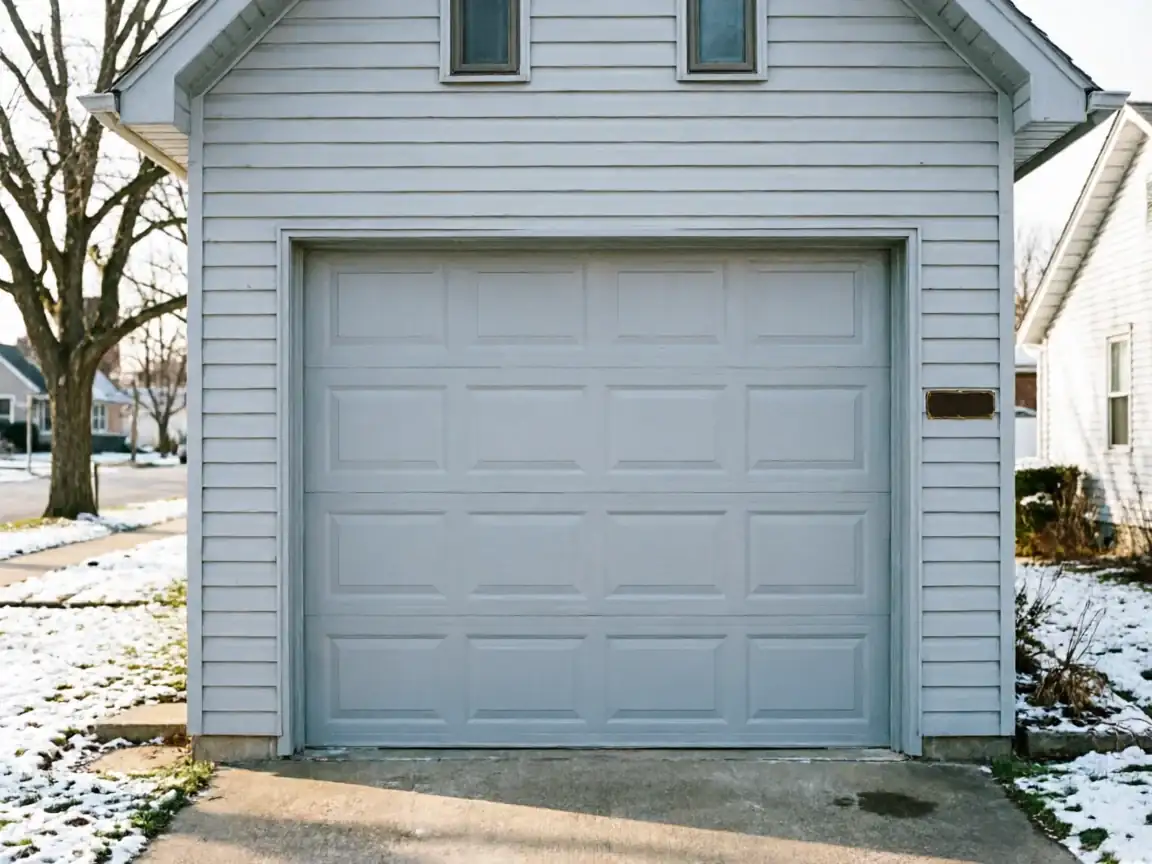
The other complication is parts. Manchester's older housing stock, much of it built well before 1988 and centered on that 1959 median, sometimes carries spring mounts or door track widths that newer standard-size springs don't fit without an adapter bracket. When we hit one of those, the job takes longer than a same-day swap because we're sourcing the right wire gauge rather than forcing a close-enough part onto hardware it wasn't made for. We'd rather tell a homeowner that upfront than show up with the wrong spring twice.