Why This Fails Locally
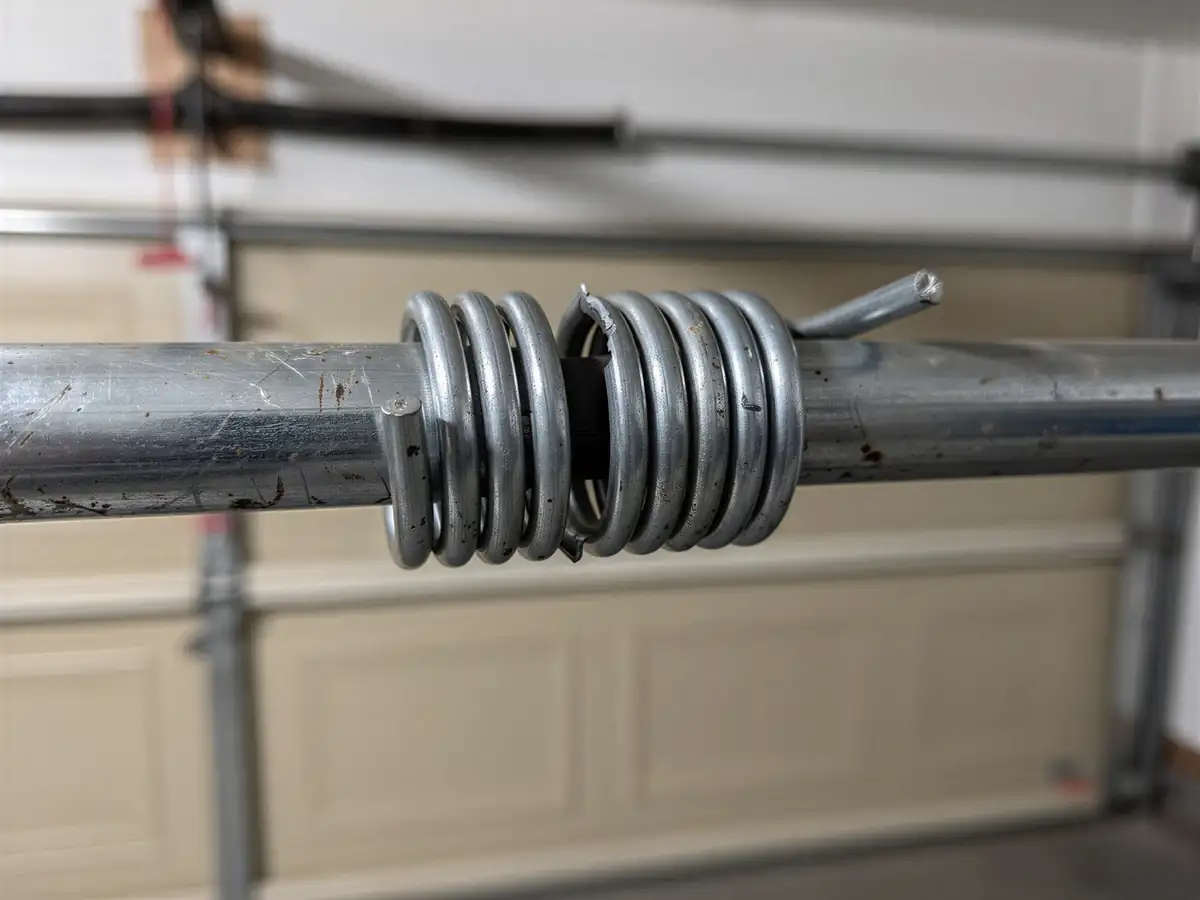
The complaint we hear most from Manchester is a door that groans going up, then one morning just stops halfway. That's almost always a torsion spring that's lost tension gradually and finally gave out, or rollers worn down to the point where the track can't hold them straight anymore. Neither failure happens overnight. Both are the predictable end of years without lubrication or adjustment.
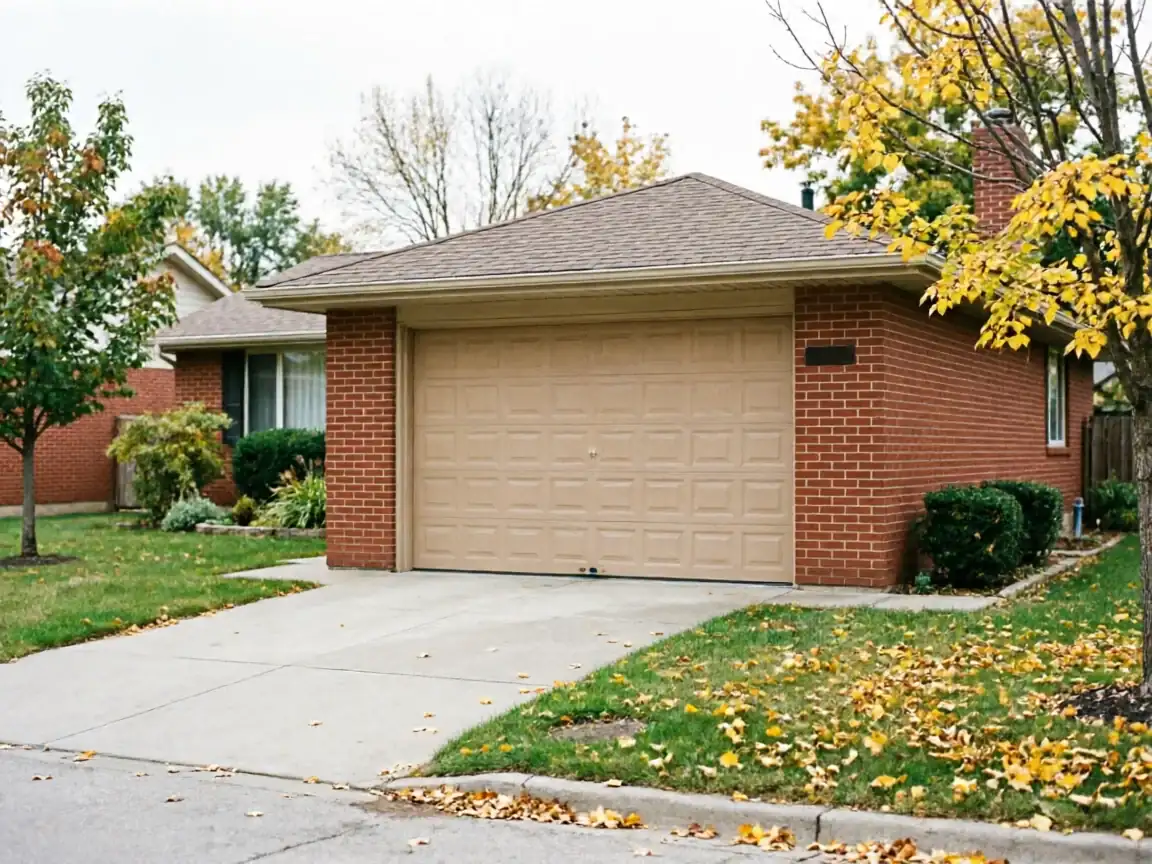
Manchester's housing stock centers on 1959, which puts a lot of these doors and openers in the same aging window as the rest of the service area's pre-1960 homes. A door installed in that era, even if it's been replaced once since, usually sits on the original jamb hardware and track brackets - parts sized for a lighter door than most homeowners have put on since. That mismatch is what causes the slow binding and the sudden stop. It's not bad luck. It's hardware doing exactly what forty-plus-year-old steel does when nobody's checked the torque on it.
What It Costs
We're not going to quote a number here that isn't accurate for your door
Because maintenance cost depends on what the inspection turns up - whether it's a lubrication and adjustment visit or something that needs a spring or roller replaced on the spot. What we can tell you is what tends to drive the bill up in a town like this: original hardware that's no longer a stock size, which means a part sometimes has to be sourced rather than pulled off the truck.
Manchester's median household income runs noticeably higher than the broader Jackson service area's $65,349
Which is worth mentioning because it changes the math on repair versus replace. A full torsion spring and hardware upgrade on an older door often pencils out better here than patching old brackets every winter. We'll tell you straight which way the numbers point for your specific door - we don't push a tune-up on a door that's past the point of tune-ups helping.
How We Fix It
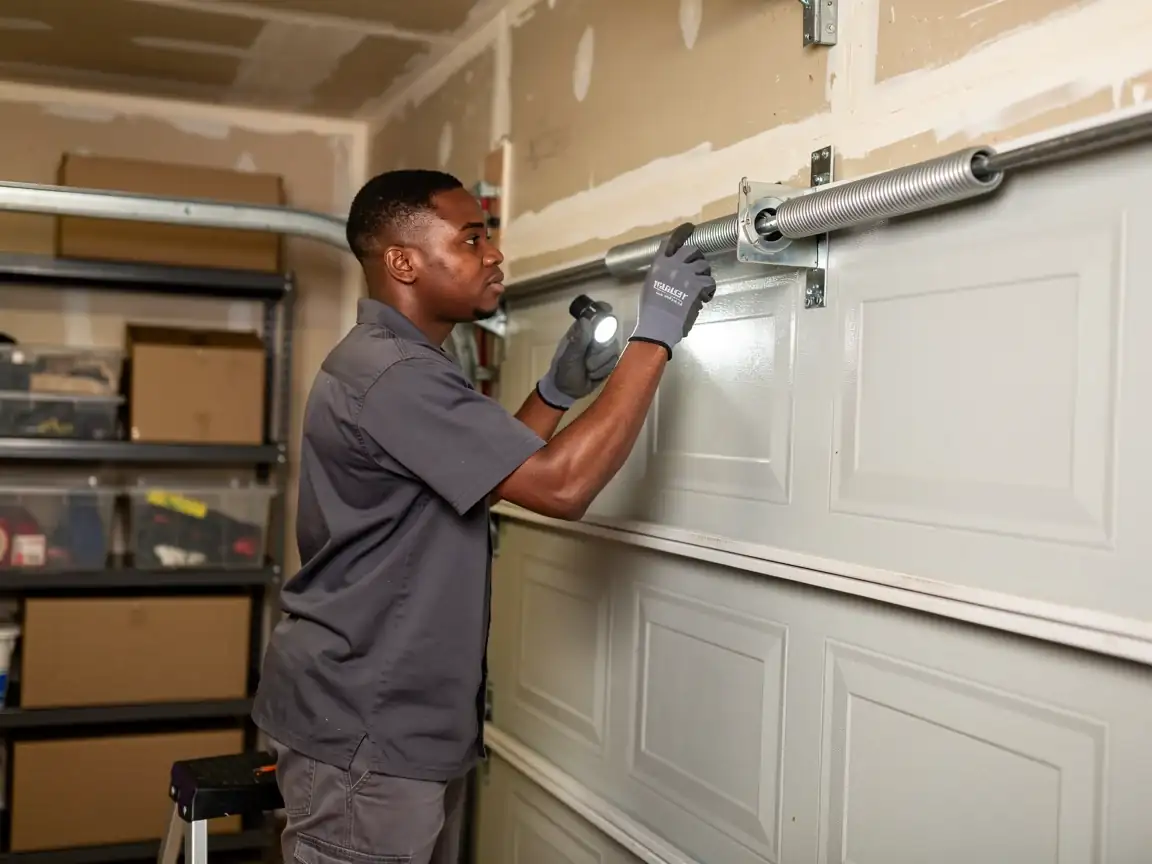
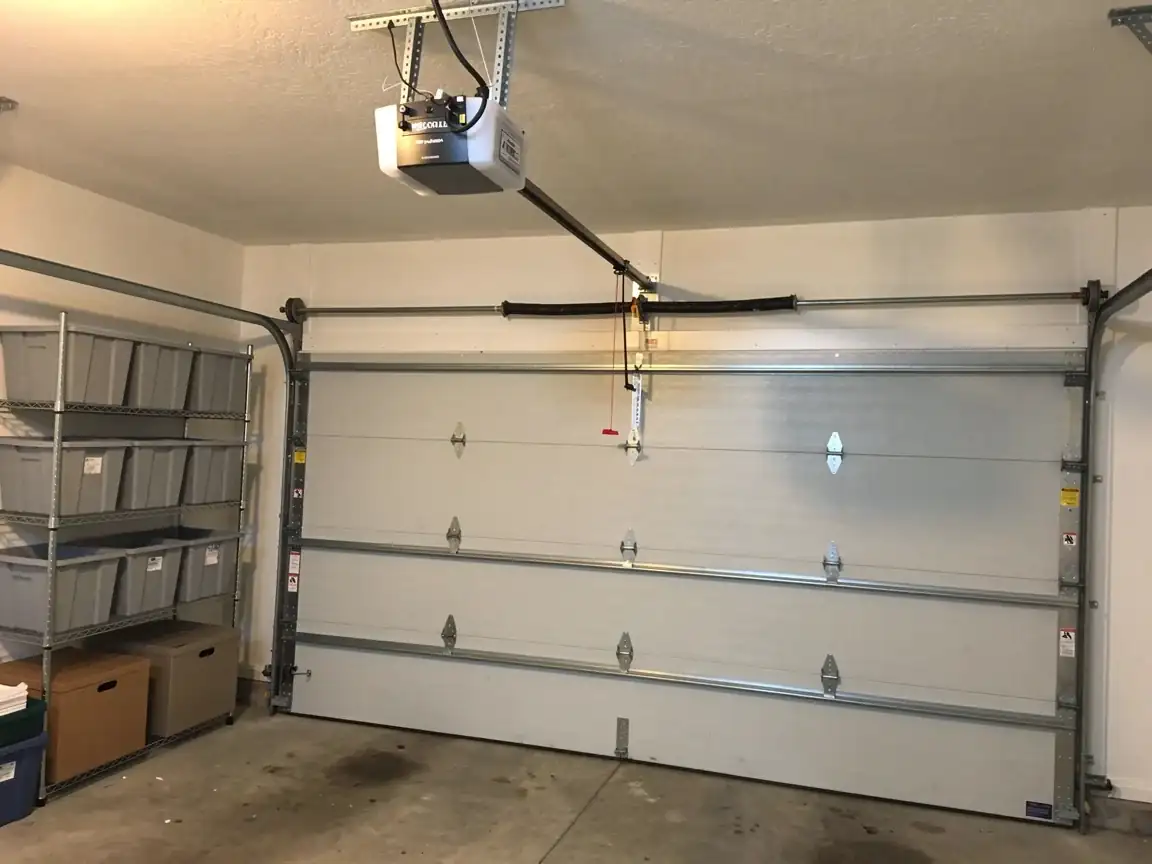
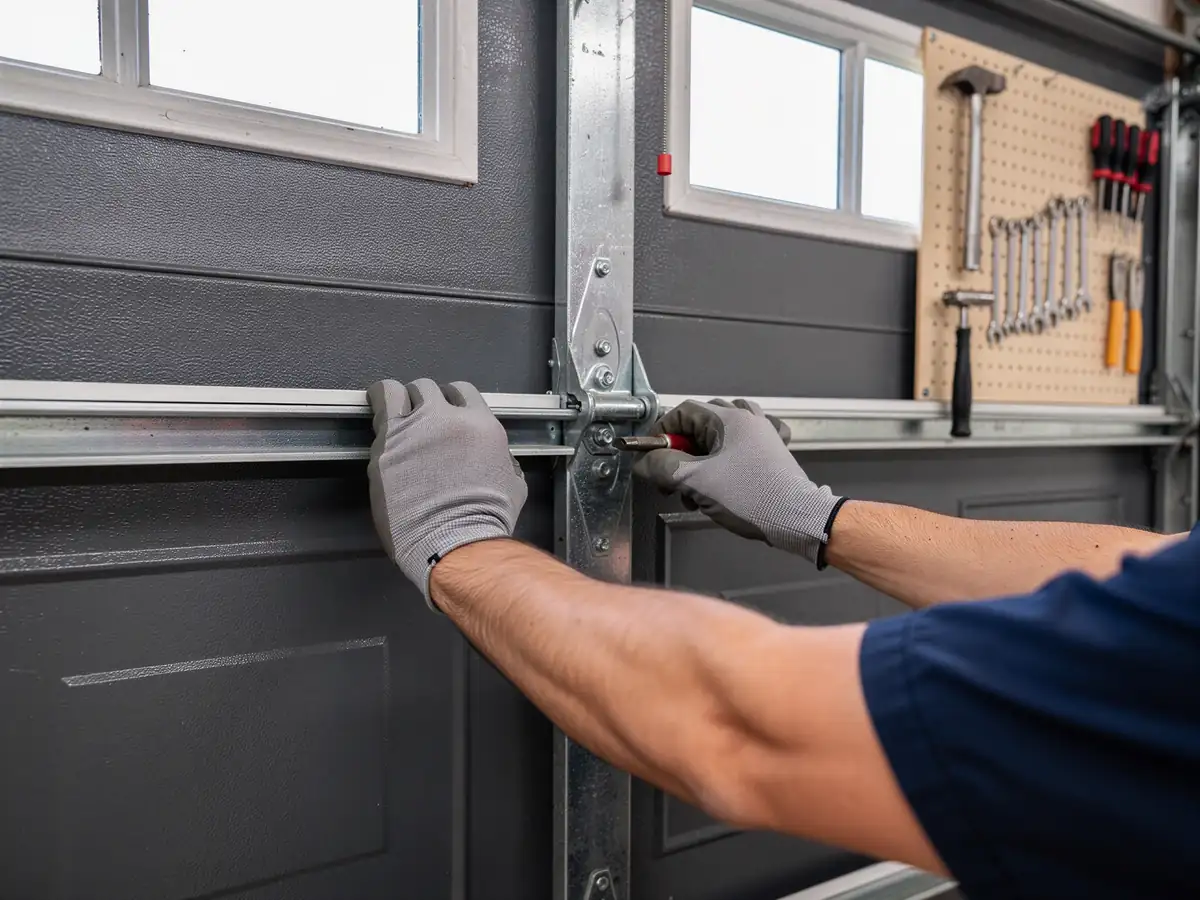
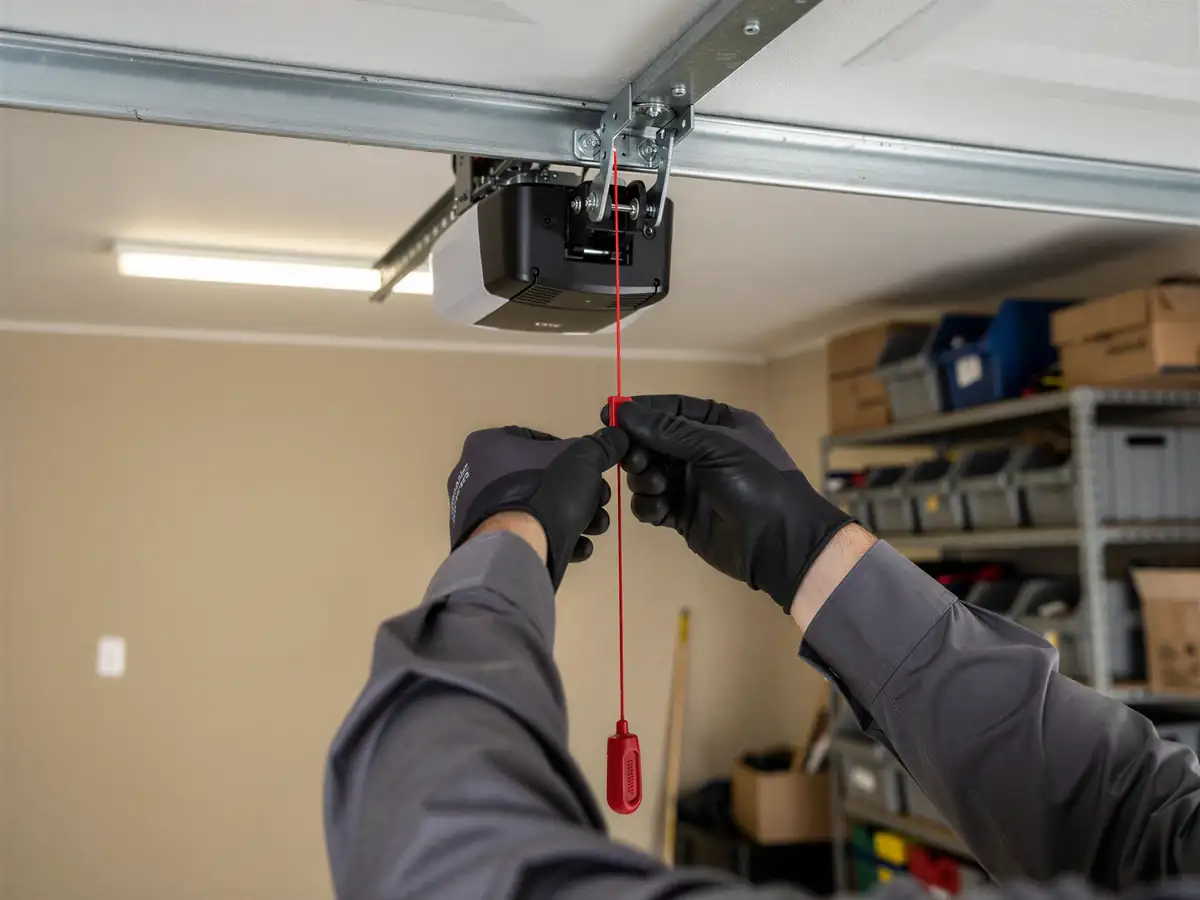
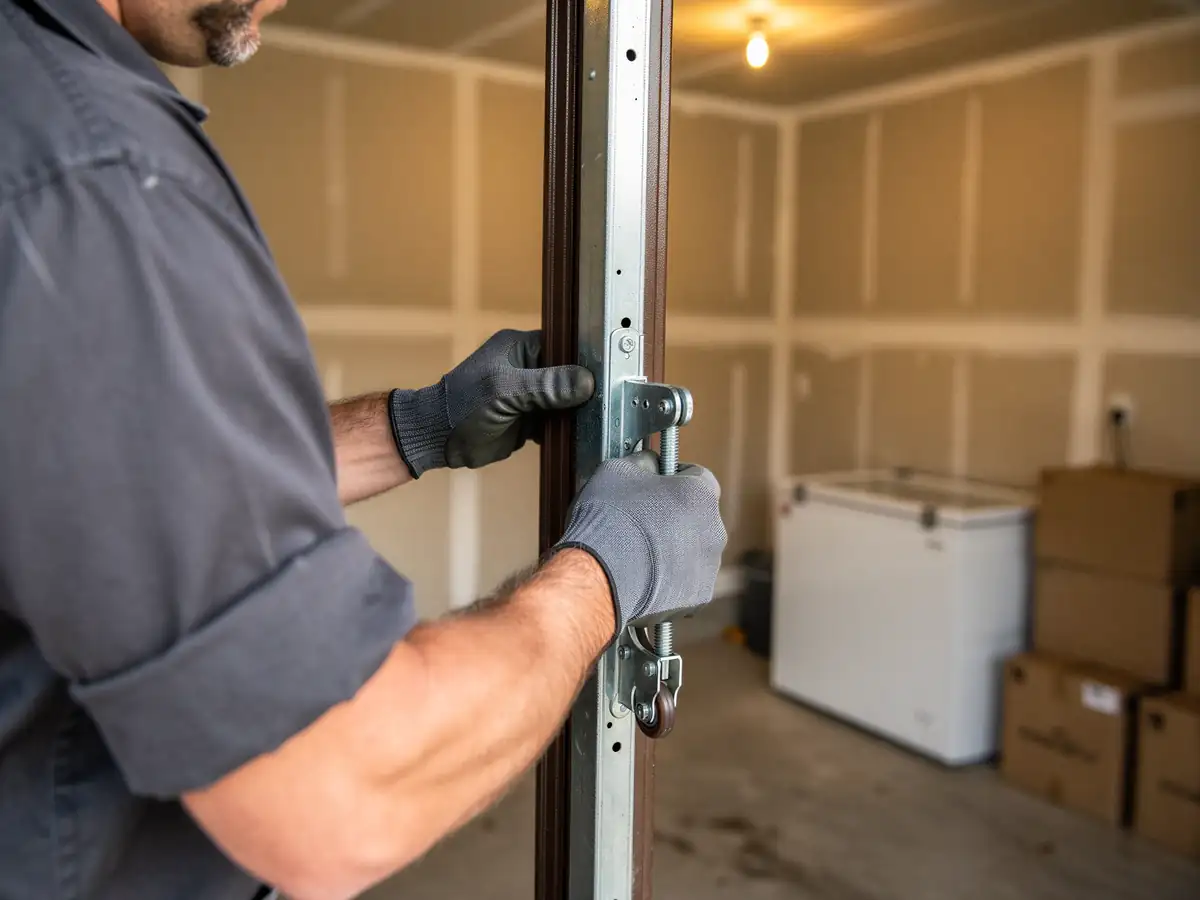
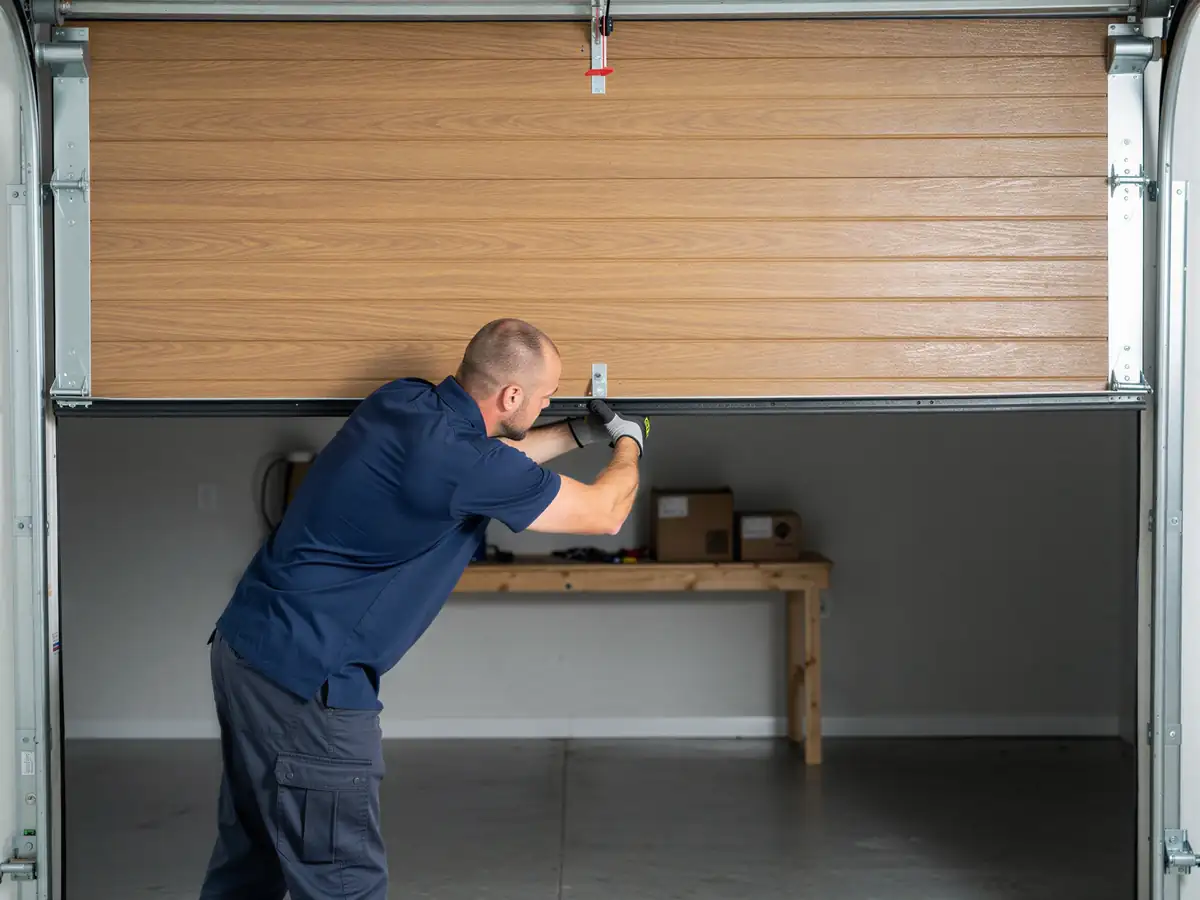
A standard maintenance visit covers the track alignment, spring tension, roller condition, cable wear, and opener force settings - the five things that fail first on a door this age. On Manchester homes specifically, we spend extra time checking the jamb hardware itself, since original brackets from the 1959 build era were rated for lighter doors and often show stress cracking that a newer door's weight has accelerated.
Manchester sits about 20 miles out from our shop in Jackson, so we schedule these as planned visits rather than walk-ins - we're not staging a truck closer than that, and we won't pretend otherwise. Once we're on site the work itself is the same careful pass we'd do on any door: lube the right points with the right grease, torque the spring to the door's actual weight rather than a factory default, and run the opener through a full cycle to confirm the force settings aren't fighting the door.
The Complications
Michigan's winters put real stress on anything with moving metal parts, and Manchester's climate band is the same severe-cold zone as the rest of the region - lubricant that's fine in July turns stiff and useless by January, which is when a marginal spring finally lets go. If your last maintenance visit was more than a year ago, winter is when you'll find out.
The honest limitation: if your door's hardware is original to a 1959-era build and hasn't been touched, a maintenance visit can only do so much. We can adjust and lubricate what's there, but we can't make forty-plus-year-old brackets as strong as new ones, and we'll say so rather than charge you for a tune-up that's really a stopgap. Also worth knowing - because we travel from Jackson, same-day emergency calls aren't something we promise for Manchester the way we might closer in.