What Most People Get Wrong
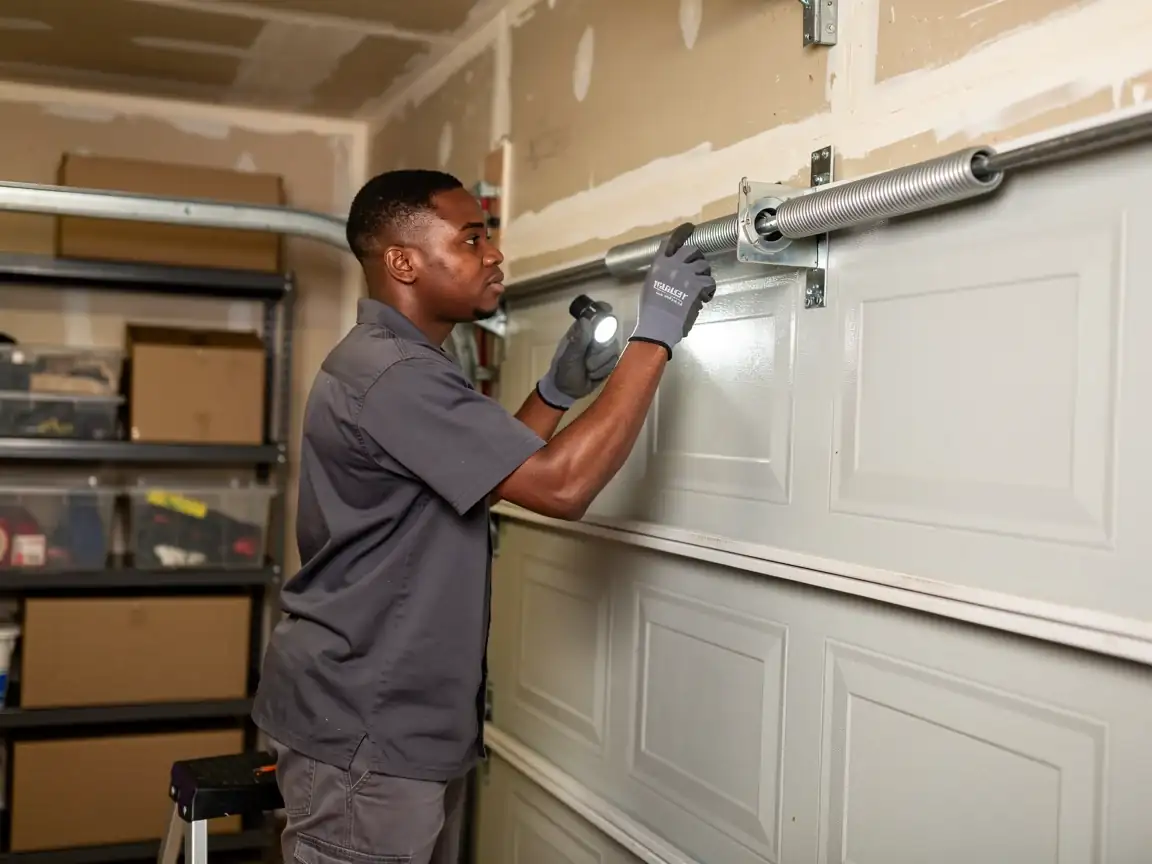
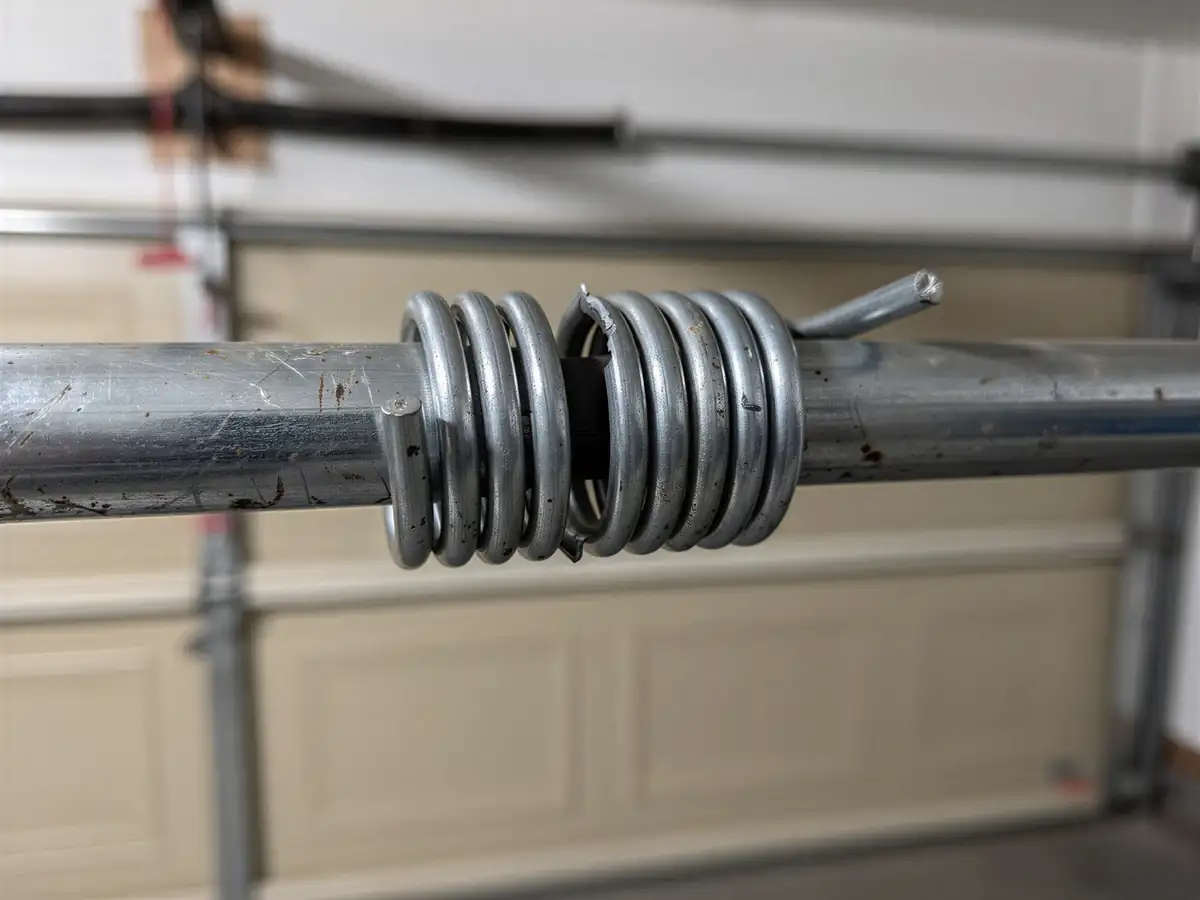
The usual line is that cold makes metal brittle and that's why a torsion spring snaps in January. That's not quite it. Spring steel doesn't get brittle at the temperatures Jackson sees. What actually happens is the lubricant inside the coil thickens in the cold, the spring doesn't flex the way it should, and the extra strain lands on metal that's already fatigued from years of cycles. In a town where the housing stock runs 1938 to 1988 with a median build year of 1954, a lot of these springs are original or close to it, sized for a door that's lighter than what's on the opening now, or just worn out from four or five decades of lifting and lowering.
People also assume a bigger spring or a stronger opener fixes the problem. It doesn't. If the spring is undersized or mismatched to the door weight, cold weather just exposes the mismatch sooner. The fix isn't more power, it's the right spring for the actual door, torque-matched, not just whatever was on the shelf the week it got replaced last.
The Situation
Jackson's service area covers roughly 14,232 households
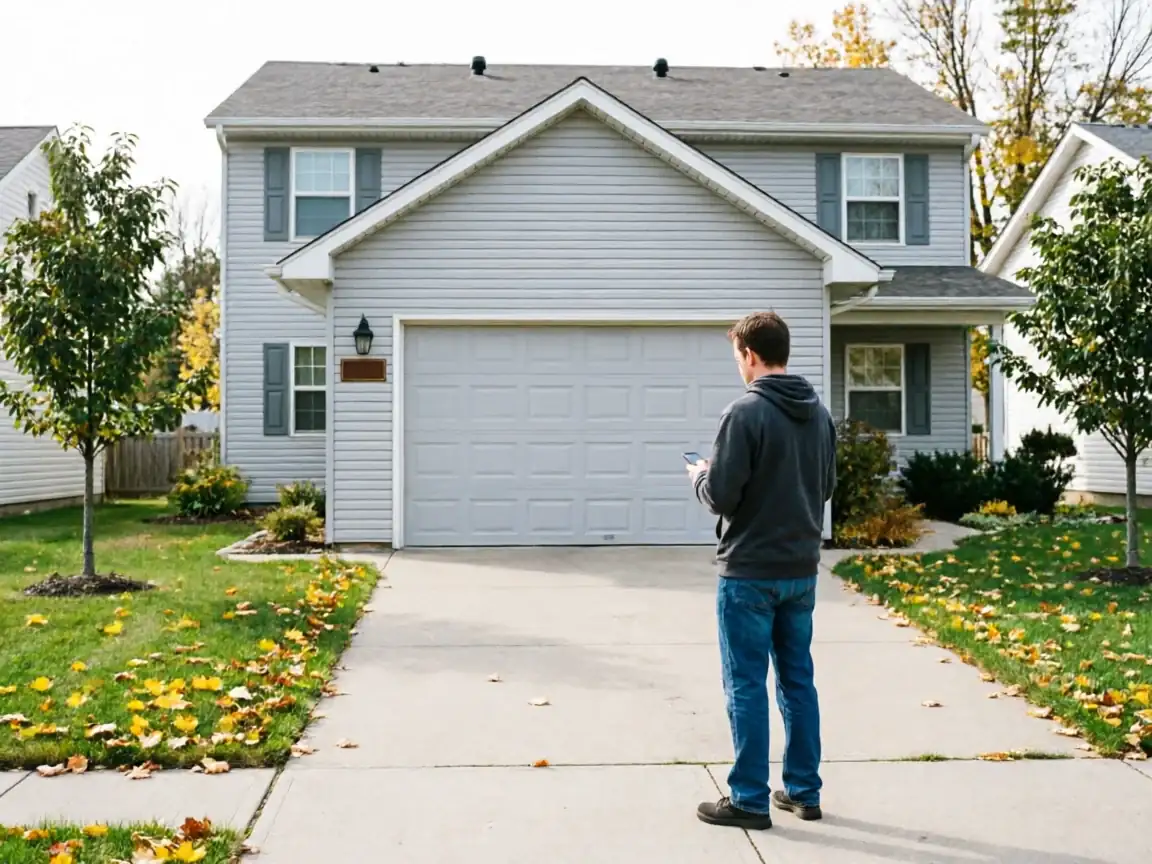
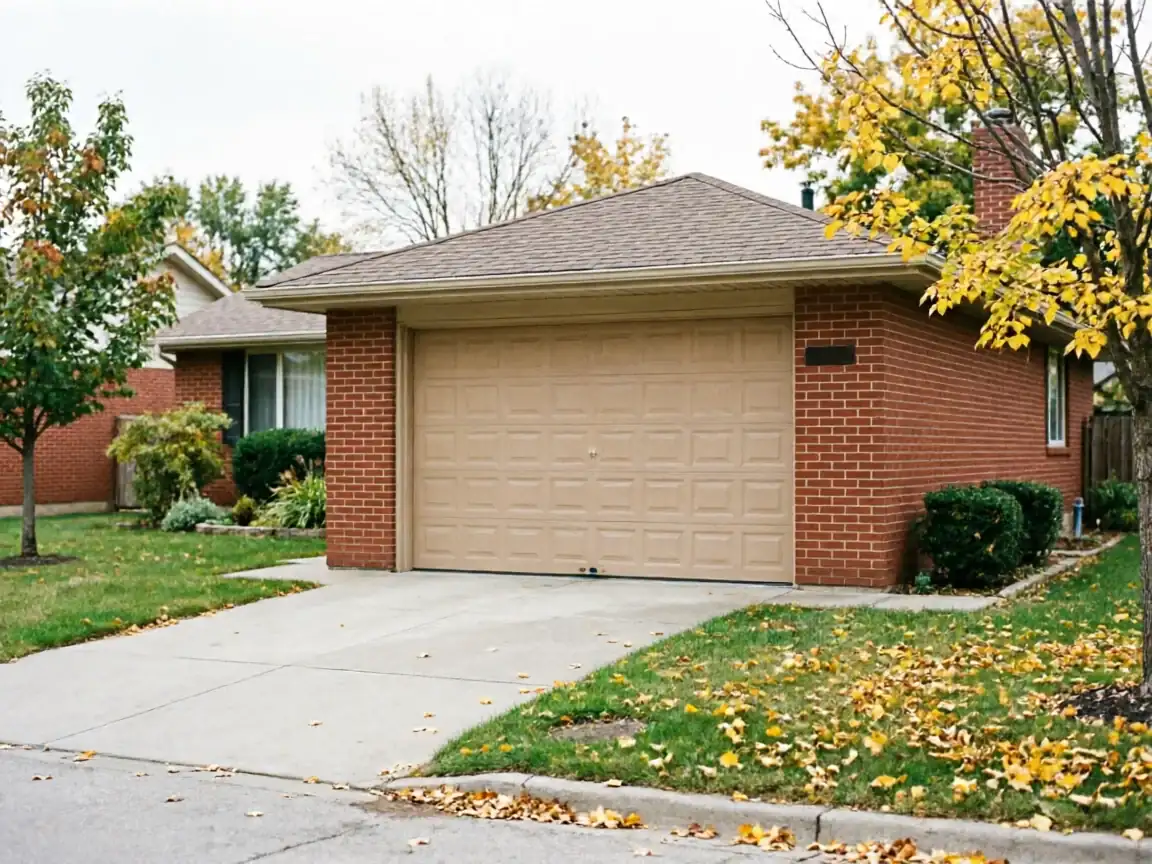
And about 9,872 of those are owner-occupied houses, most sitting on lots built well before 1990. Add in that the area is mostly pre-1960 stock across the 19 named communities this business covers, and you've got a lot of garages with original hardware: side-mounted torsion springs, steel tracks that have shifted slightly over sixty-plus years of frost heave, and openers that were bolted onto doors never designed to carry them.
- 14,232 households
With a median household income of $65,349
Most owners here aren't looking to replace a whole door system on a whim. They want the spring fixed, not a sales pitch for a full unit. That's a fair ask, and on a door that's structurally sound, it's usually the right call. But when the spring that just broke is original to a house built in the 1950s, the drums, bearing plates, and cable often aren't far behind it, and patching one part while ignoring the rest just moves the next call closer.
- $65,349 median household income
How Local Conditions Play In
Jackson sits in a cold, severe climate band, and that matters more for garage doors than people think. Cold doesn't just stiffen lubricant - it also shrinks the slack out of cables and tightens tolerances on tracks that were already slightly out of square from decades of settling. A spring under full winding tension in a 20-degree garage is carrying load differently than the same spring in July, and if it's already fatigued, winter is when it gives.
This is also why a spring job in January takes longer than the same job in June. Hardware that's stiff from cold doesn't seat the same way, and a rushed winding job on a cold spring is how a second call gets made two weeks later. It's not dramatic, it's just physics working against aging steel in a climate that doesn't let up for months at a time.
Doing Nothing For Now
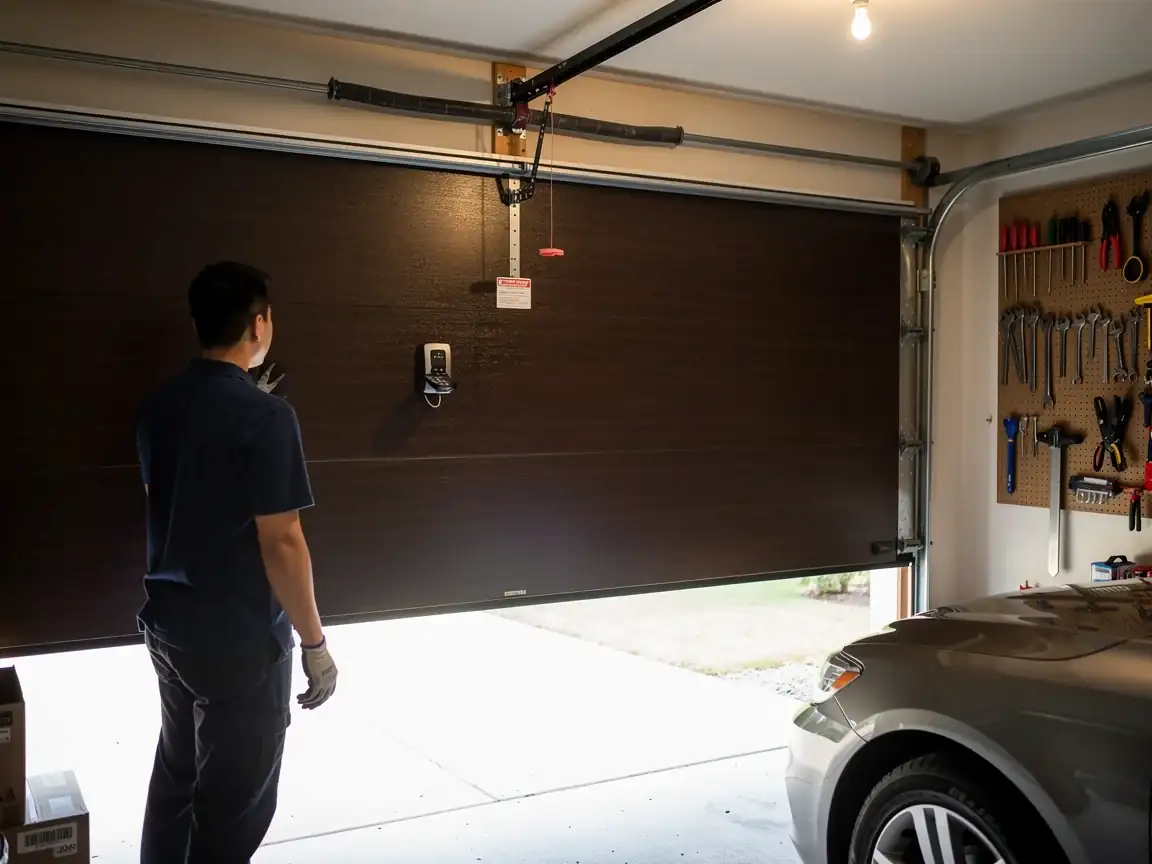
If a spring breaks and the door still looks square, the cables are intact, and the opener isn't straining to lift it, waiting a few days for a scheduled appointment instead of an emergency call usually isn't a problem. A garage door with a broken spring won't open safely, but it isn't going to get worse sitting still, cold weather or not.
Where it's worth moving faster: if the door is already sagging on one side, if a cable looks frayed, or if the house is one of the many in this area still running original 1950s-to-1970s hardware that's never been inspected. One honest limitation here - a same-day fix isn't always possible when a specific spring size has to come from a supplier, especially during a cold stretch when a lot of springs are failing at once. That's not a dodge, it's just how parts availability works in winter.