Can You Do This Yourself
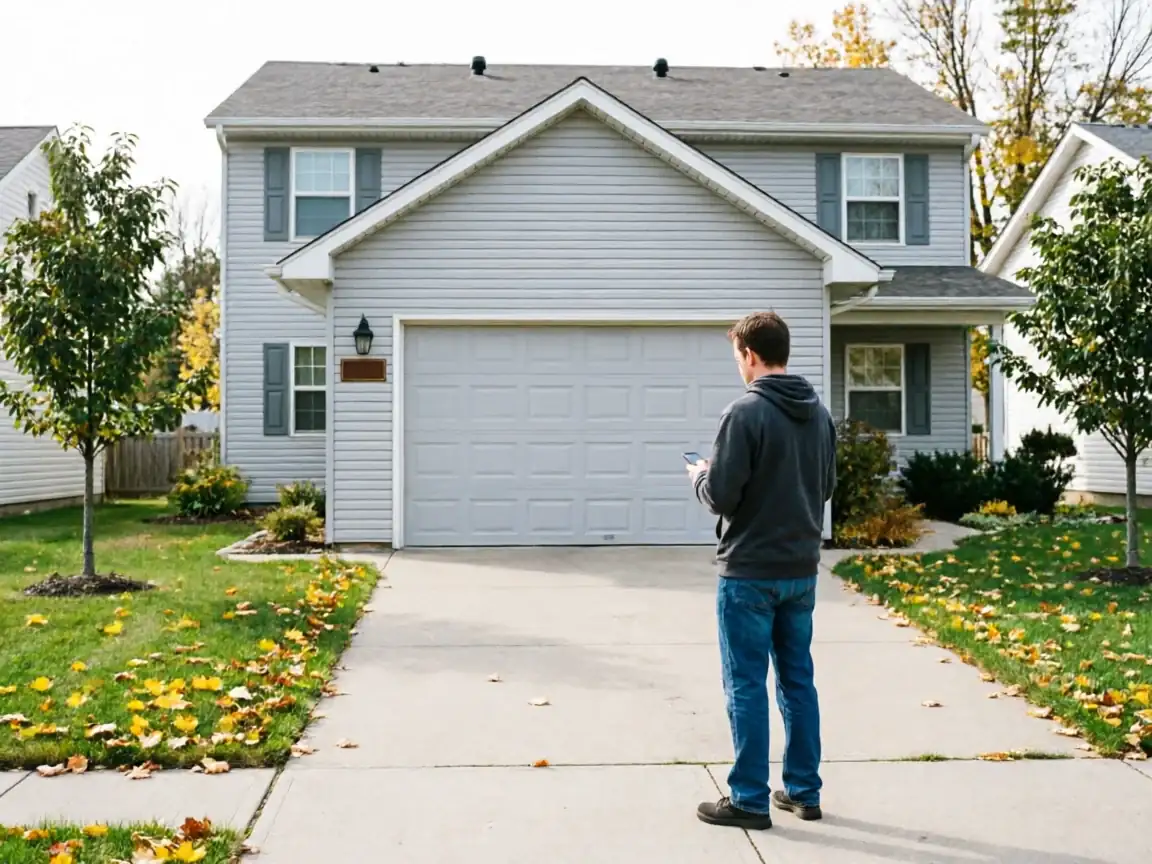
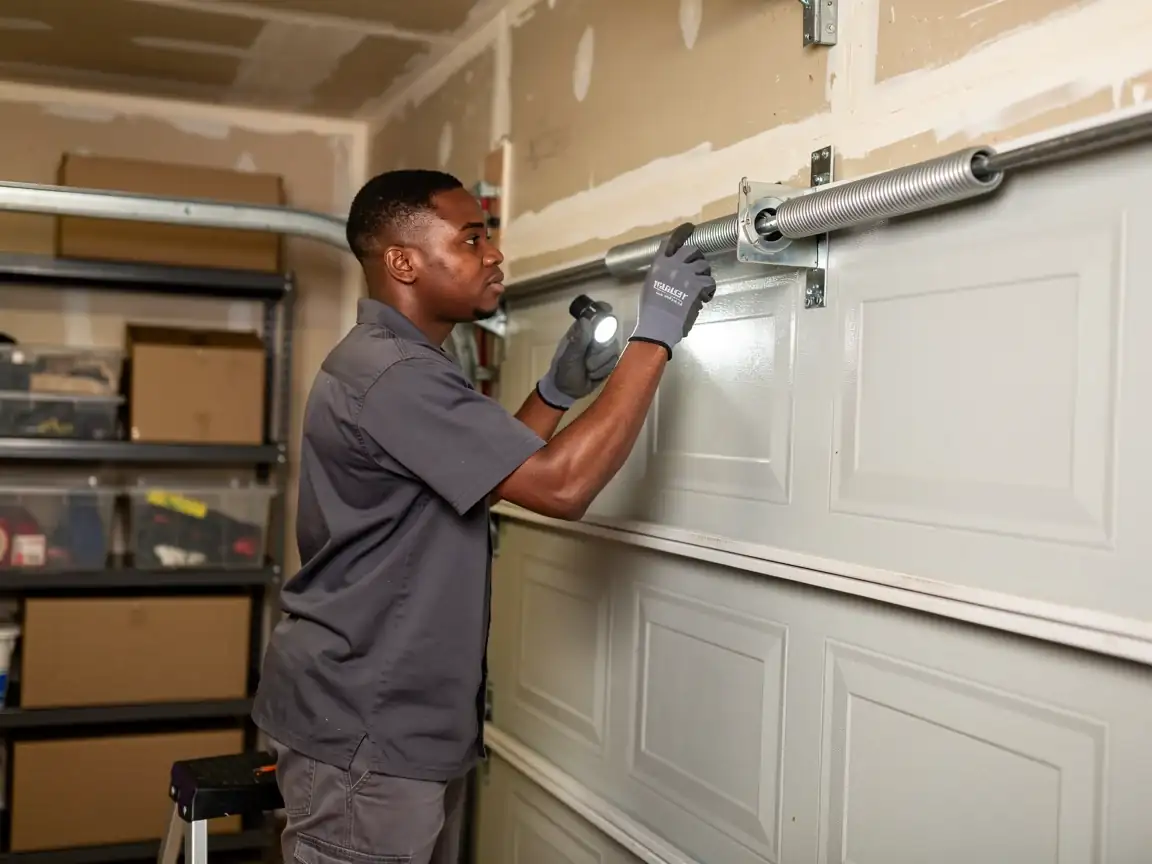
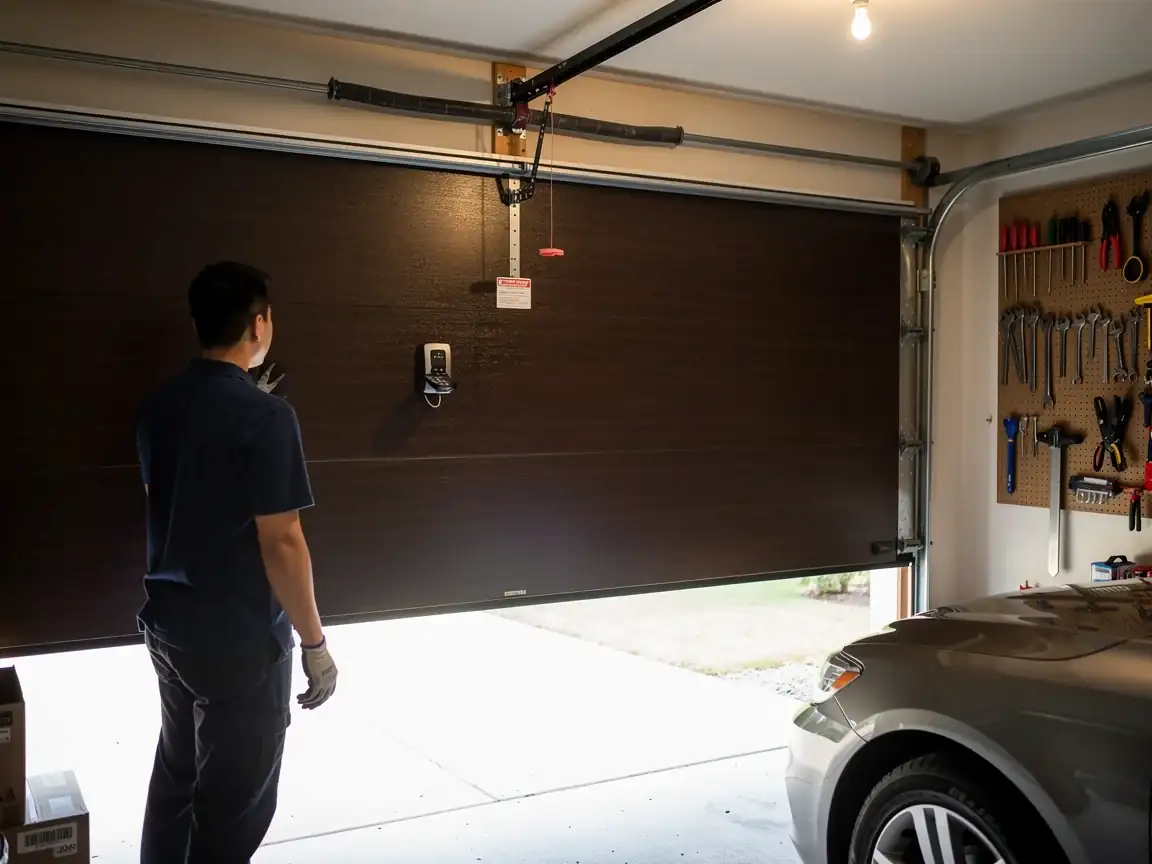
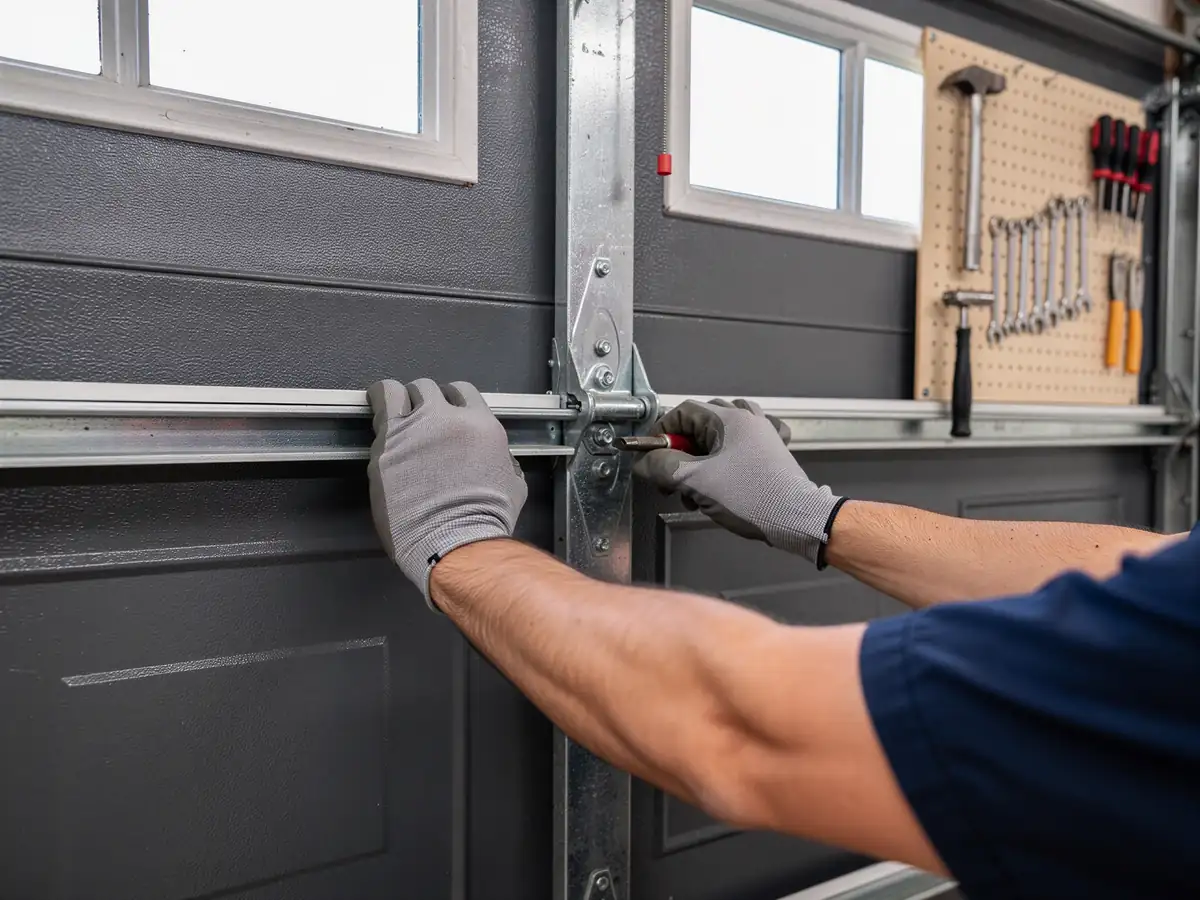
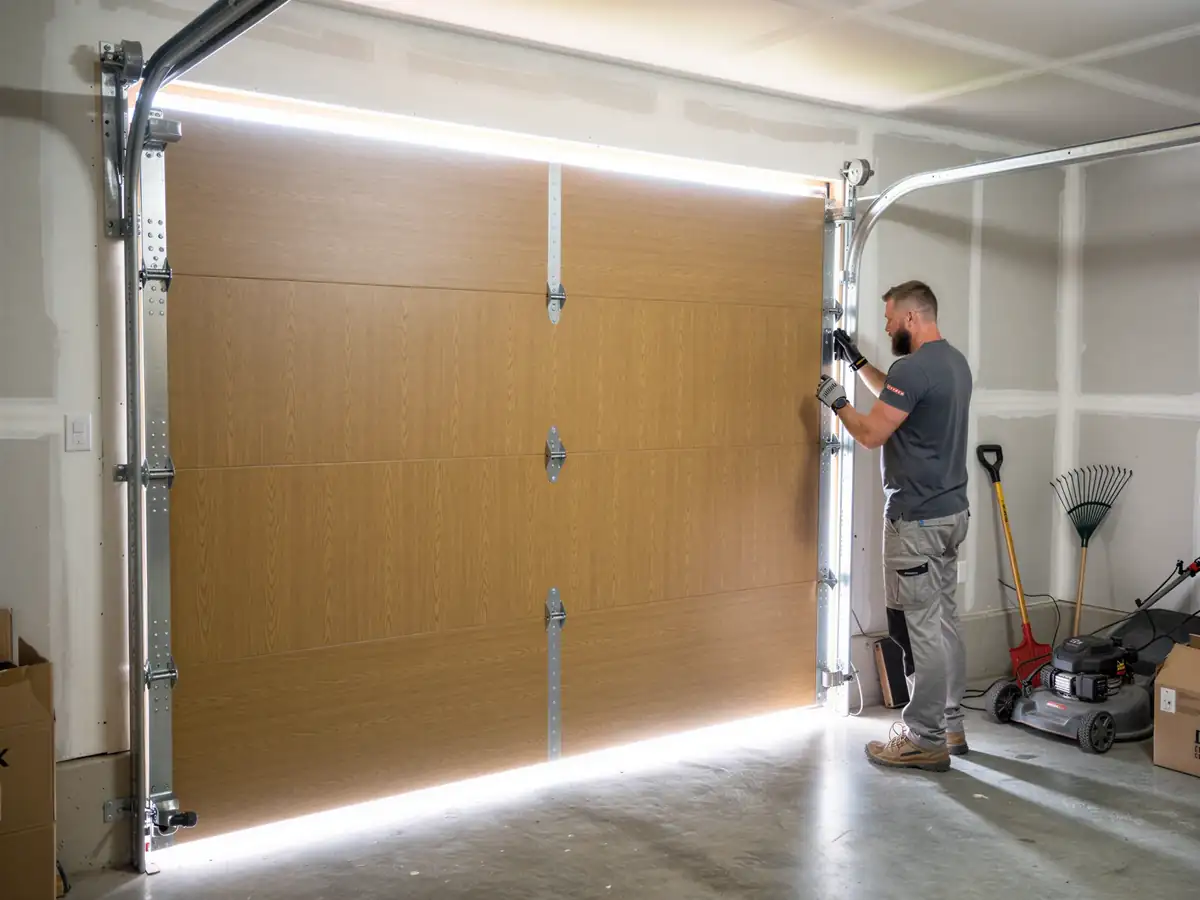
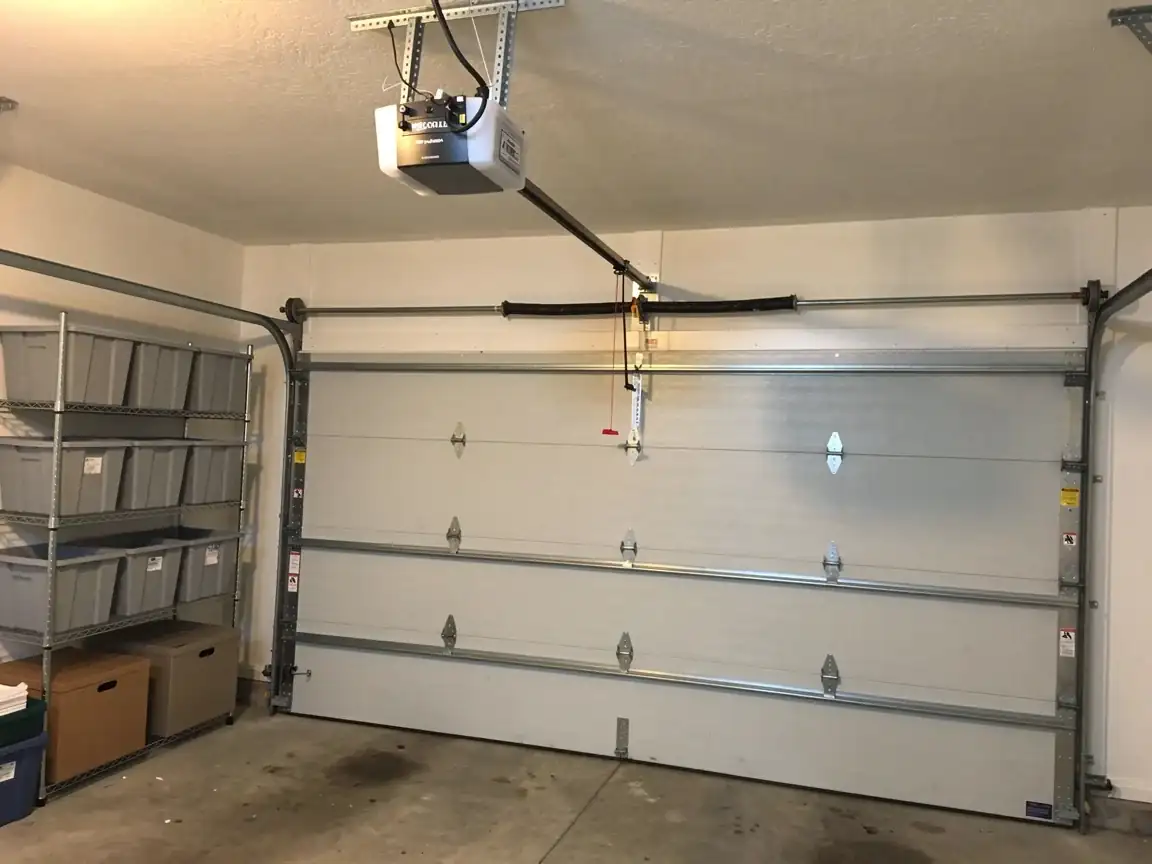
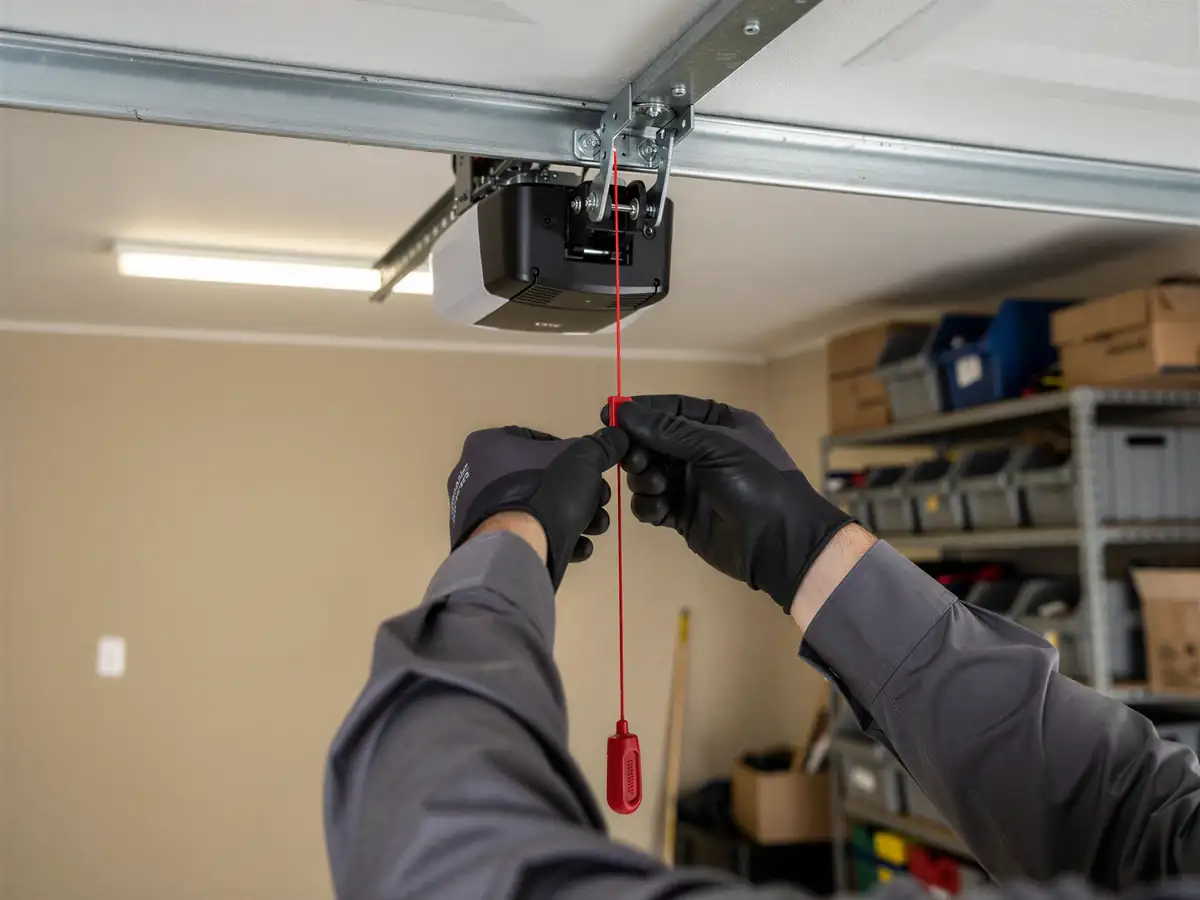
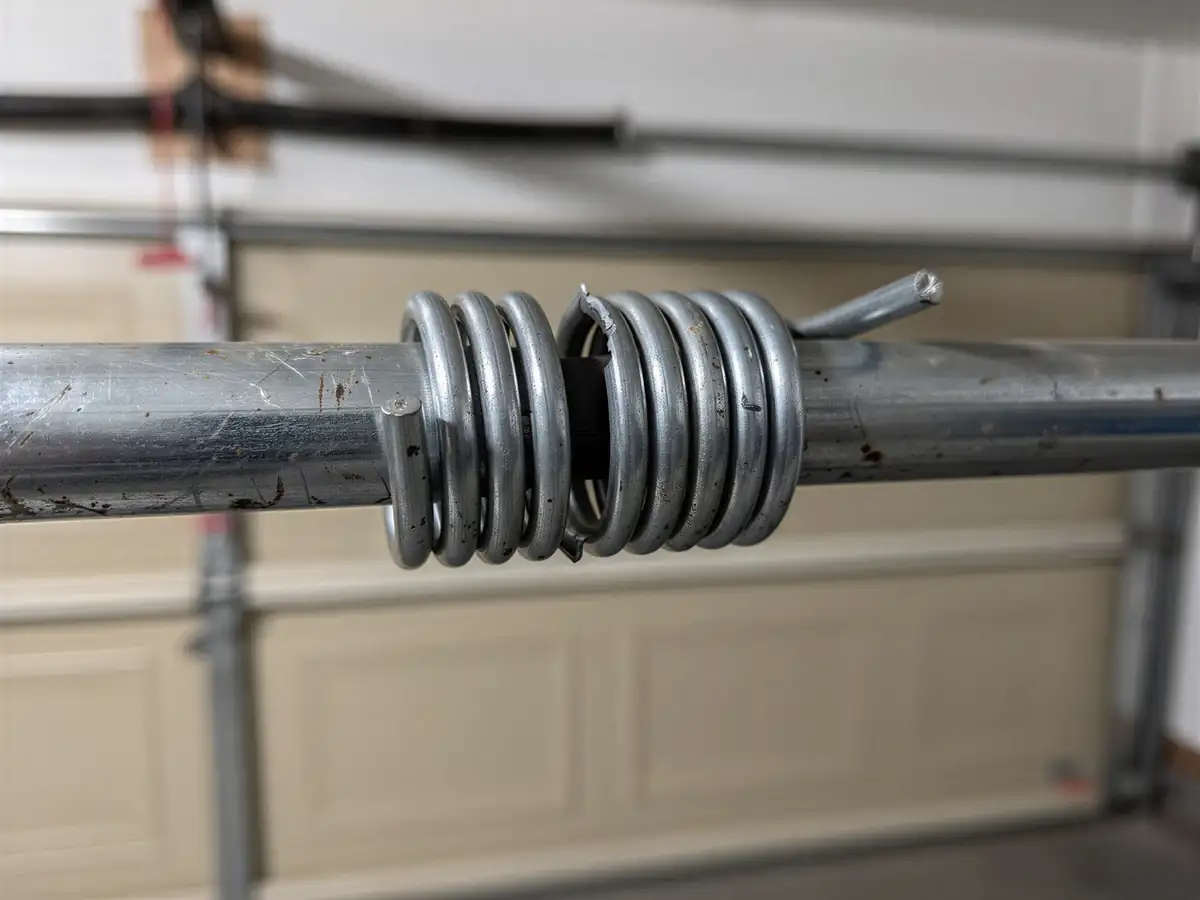
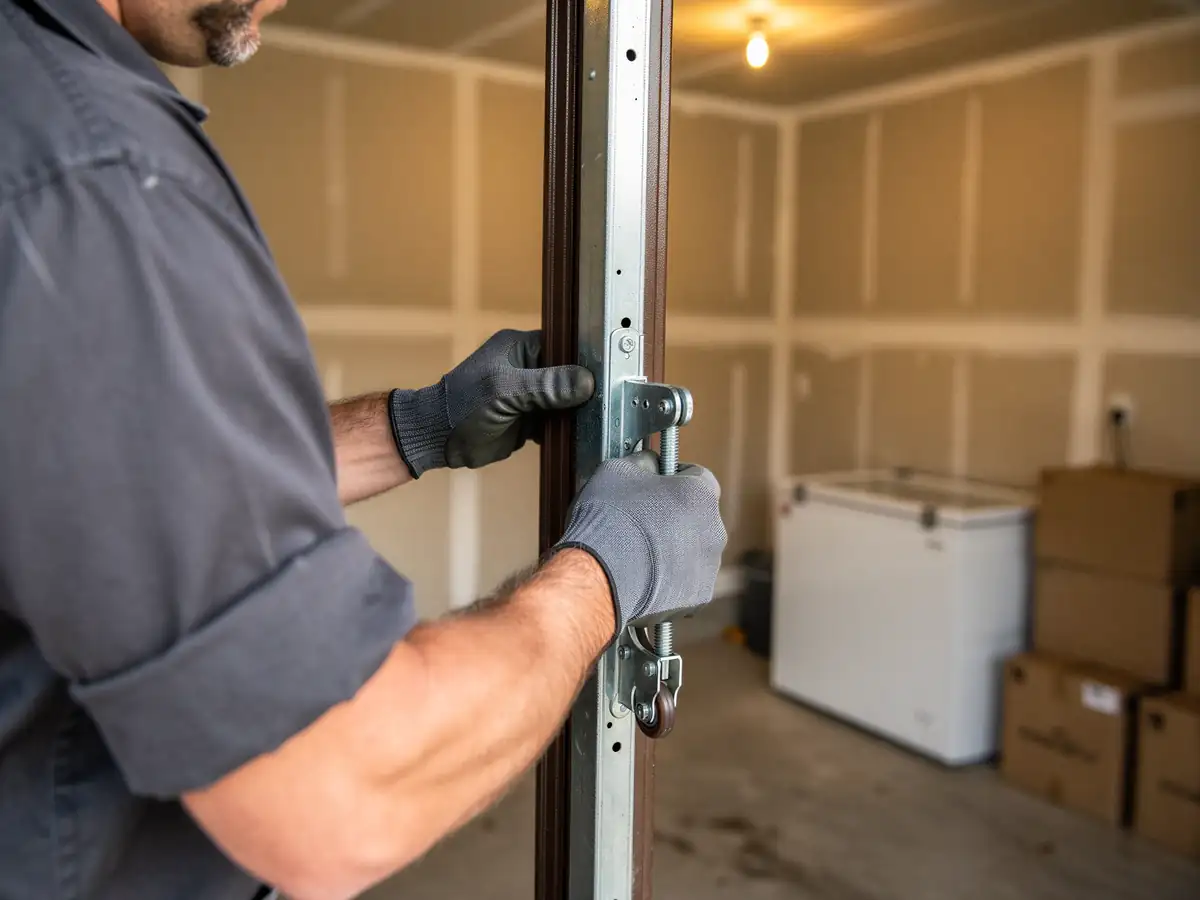
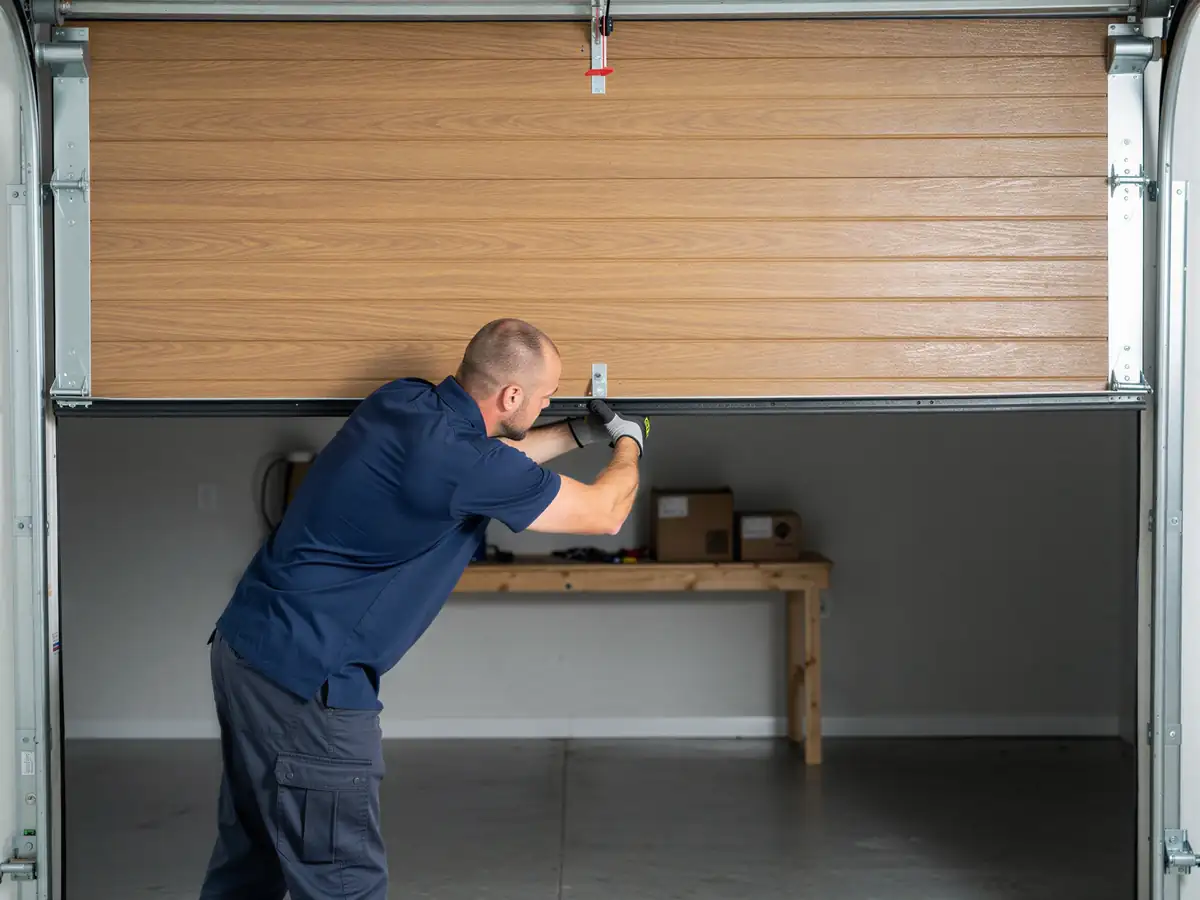
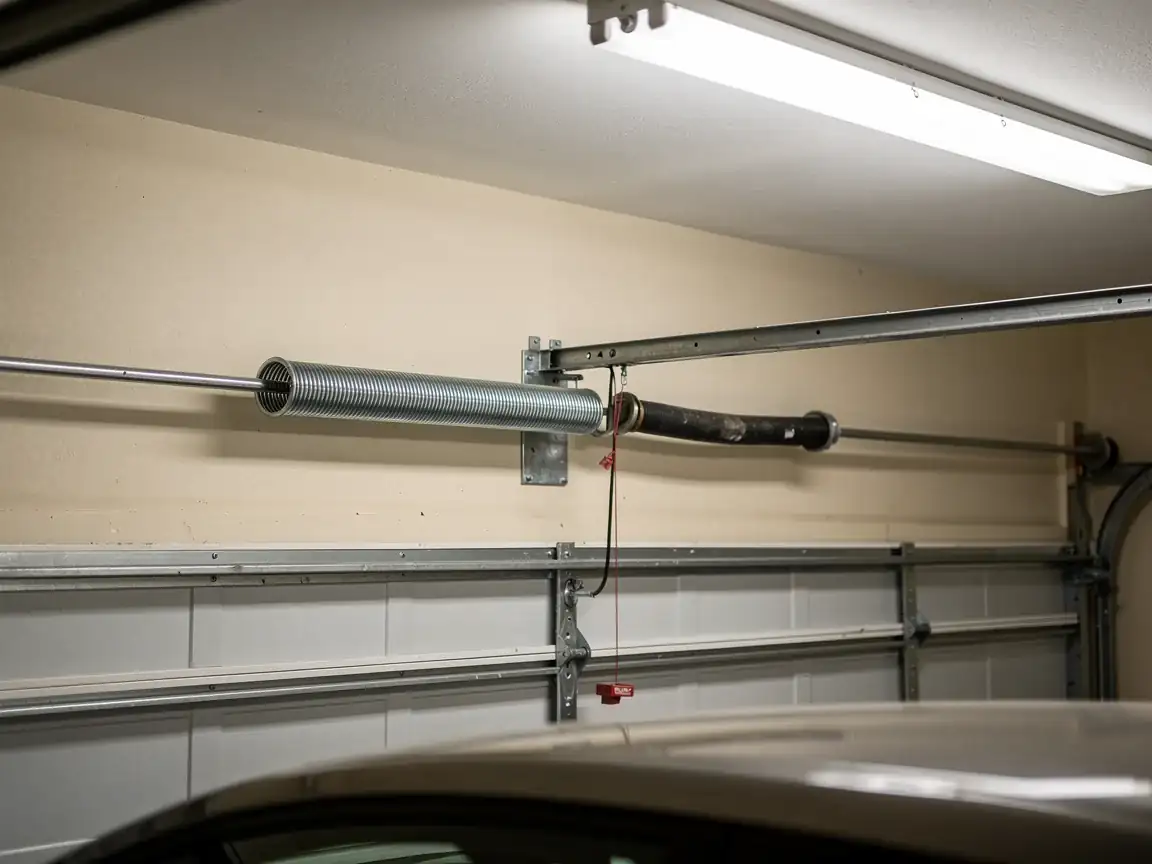
If your door is slow to close, grinding on the track, or the opener strains and reverses halfway up, you can check a few things before calling anyone. Look at the springs above the door - if one is stretched with a visible gap in the coils, stop there. That's a two-person job with a torque bar, not a Saturday project, and a spring under tension has put people in the ER. You can safely check and tighten loose roller brackets, clear track debris, and lubricate hinges with a garage-door-specific lube, not WD-40, which washes out factory grease. You can also test the auto-reverse safety sensors by waving a hand under the door as it closes. What you shouldn't touch: torsion springs, cables, or anything on the drum side of the shaft. On the older torsion setups common around Jackson, the spring sizing was matched to a specific door weight decades ago, and guessing wrong on a replacement spring means a door that slams or won't lift at all.
What It Costs
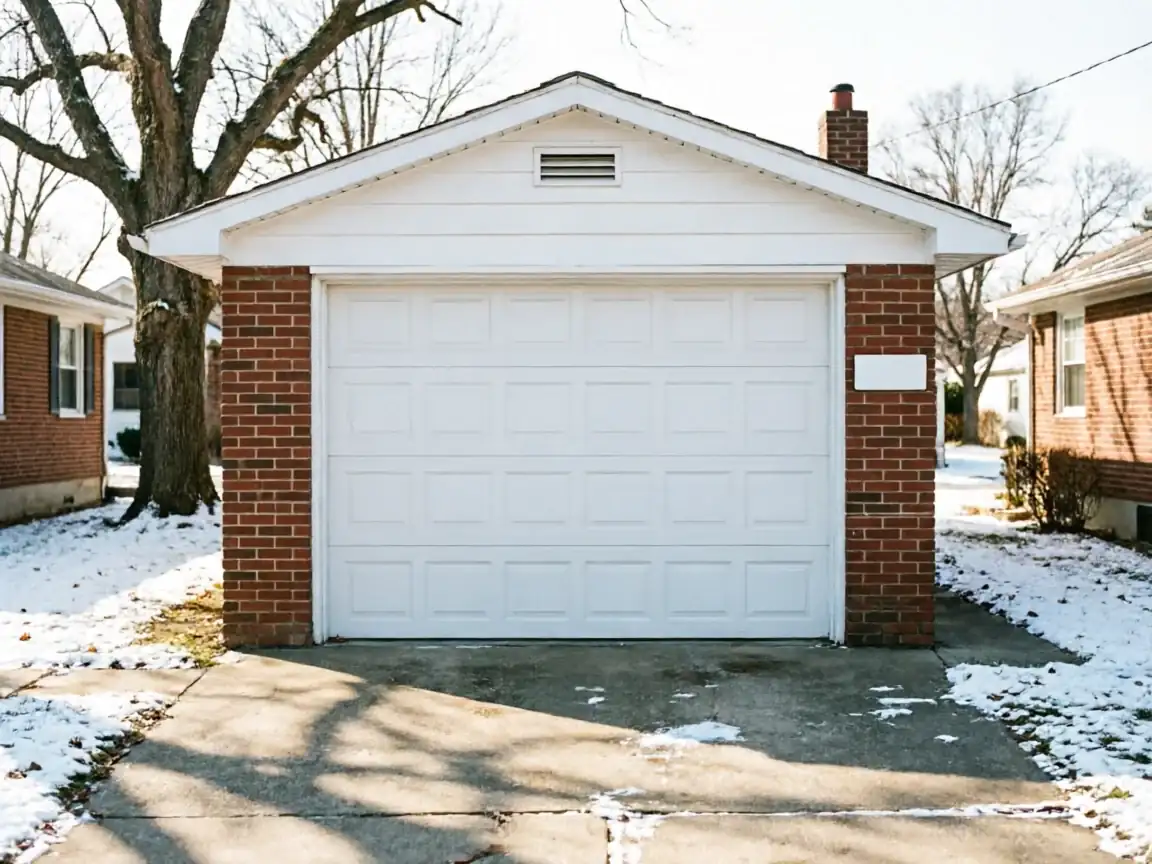
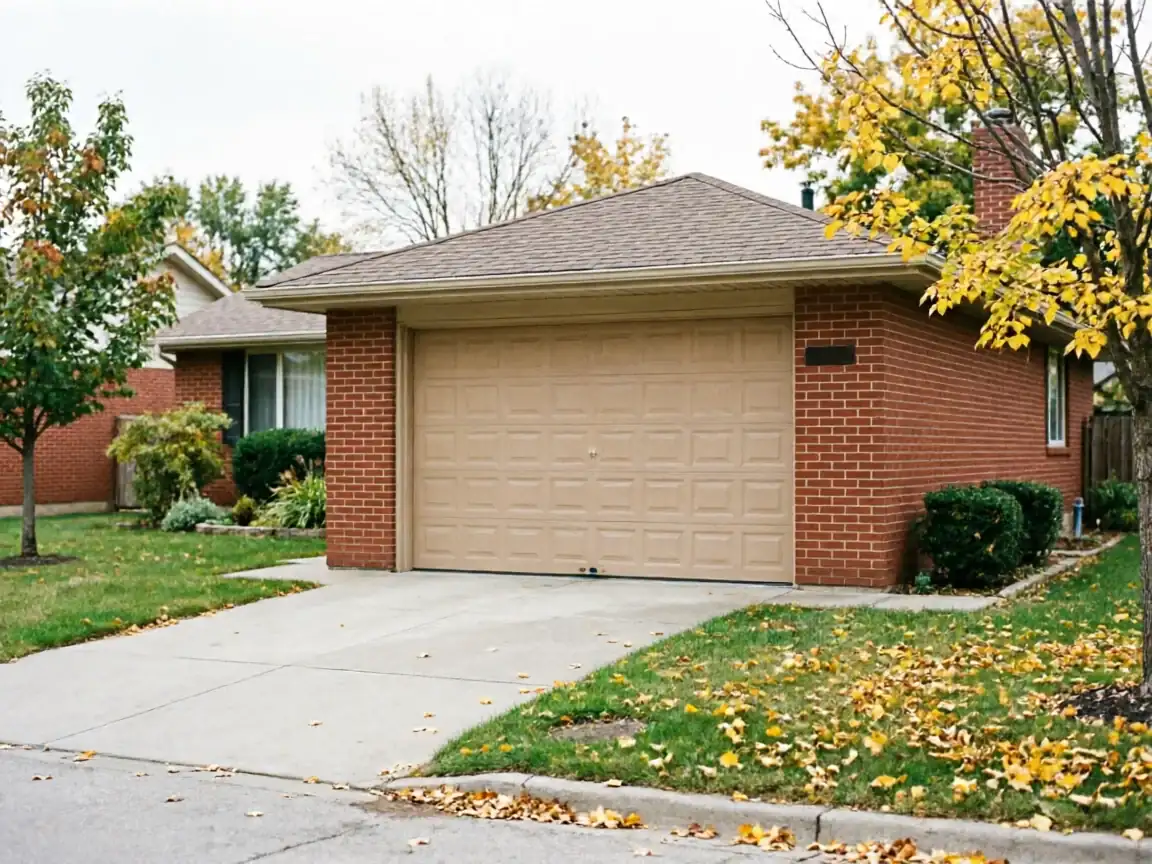
We don't have a flat number to quote here because the range on service calls depends heavily on what's actually wrong - a sensor realignment and a broken torsion spring on a double door are not the same job, and we're not going to pretend otherwise with a made-up figure. What does affect the cost locally is parts availability: original one-piece doors and side-mounted torsion hardware from the 1950s-60s builds aren't stocked items anymore, so a repair on those sometimes means sourcing instead of a same-day swap. That's the honest limitation - if your door is original to a 1950s Jackson build, expect the diagnosis visit to tell you whether it's a repair or whether replacement parts simply don't exist anymore and full replacement is the better call. We'll always tell you which situation you're in before doing work, not after.
How It Shows Up
The pattern we see across Jackson households is consistent enough that it's worth naming. A door that used to open smooth starts hesitating at the same spot every time - usually where track alignment has drifted from slab movement. An opener that used to lift without effort starts struggling and clicking, which almost always means the spring is no longer carrying its share of the door's weight and the motor is doing a job it wasn't built for. Cables start fraying near the bottom bracket, visible if you look closely, before they ever actually snap. None of these show up overnight - they build over a season or two of cold-to-warm cycling, which is why a door that was