Can You Do This Yourself
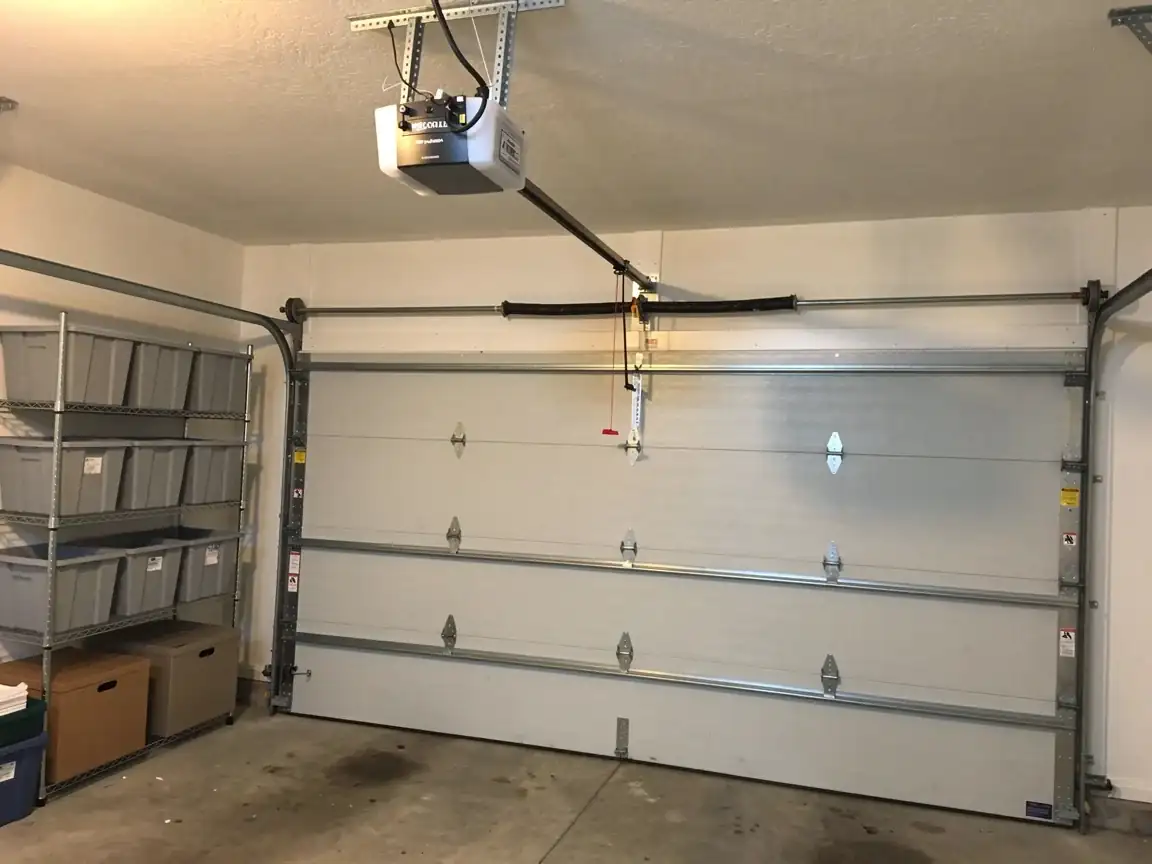
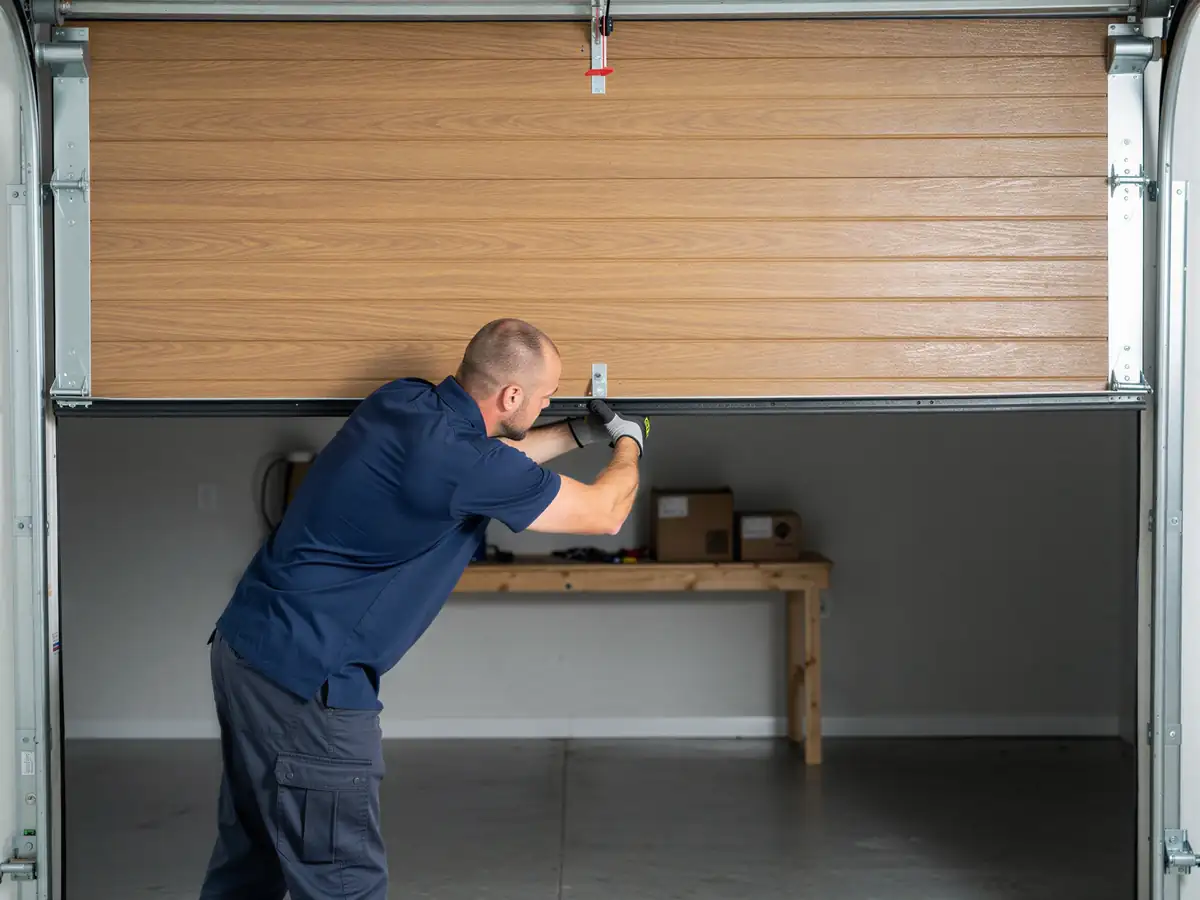
Some opener problems are a five-minute fix. A dead remote battery, a photo-eye sensor knocked out of alignment, a wall button with a loose wire - any owner with a screwdriver can sort those out. Check the sensors first: two small eyes near the floor on each side of the track, and if either is caked in dust or pointed even slightly off, the opener will refuse to close and just blink at you.
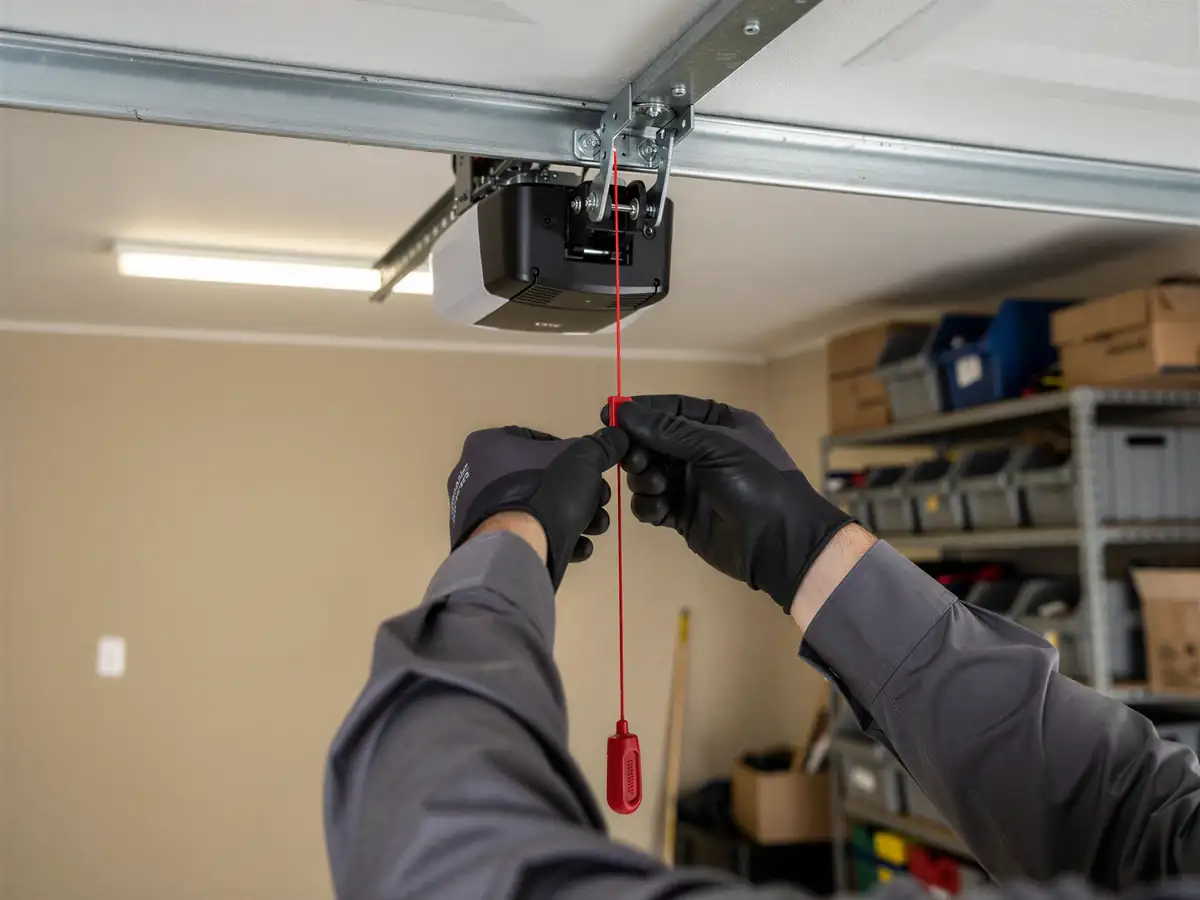
Where it stops being a weekend project is anything involving the logic board, the drive gear, or the capacitor that gets the motor started. Openers in this service area are often original to houses built between 1938 and 1988, median around 1954, which means a lot of units running wiring and hardware that predates modern safety-reversal requirements. Opening the housing on one of those without knowing what you're looking at risks shorting a board that's already on borrowed time, or missing a frayed wire that's one cold morning from a fire risk.
Our honest limit: we don't rewire a house's electrical panel or run new circuits to the garage - that's an electrician's job, and we'll tell you straight if that's what's actually needed before an opener will work right.
Why This Fails Locally
Two things stack against openers here: the age of the housing stock and the climate
Across the 19 named areas this service covers, the stock is mostly pre-1960, which means openers are frequently retrofits bolted onto framing and wiring that was never built with a garage door motor in mind - undersized circuits, no dedicated outlet, junction boxes added decades after the fact.
Then there's the cold
Jackson sits in a climate band rated COLD severe, and that's hard on exactly the parts that make an opener run: the start capacitor, the drive gear (especially nylon gears, which go brittle and strip teeth in deep cold), and any grease in the trolley or rail that thickens up below freezing and makes the motor strain against resistance it was never sized for. A motor straining against stiff grease on a 10-degree morning burns out faster than one running in a heated garage in July.
Put those together and you get a predictable pattern
Openers in older, unheated Jackson-area garages fail at a higher rate in winter than the national average for the same unit age, because the hardware is both older to start with and working harder every time it gets cold.
What It Costs
We're not going to put a number here that doesn't hold up once we've actually looked at your opener - cost swings a lot depending on whether it's a capacitor, a logic board, a stripped gear, or a wiring problem upstream of the unit, and whether parts for an older model are even still in production. Some circuit boards for openers from the 1980s and 90s are long discontinued, and when that happens repair isn't really on the table - replacement is the honest answer, not a repair quote padded to look reasonable.
What we can tell you: across this service area, median household income runs around $65,349, and most of the owners we talk to want the opener actually fixed rather than swapped out, which is usually possible if the motor housing and rail are in decent shape. The call itself is where we tell you which bucket your opener falls into before any work starts, so you're not guessing.
How It Shows Up
The opener hums but the door doesn't move - usually a stripped drive gear, common in colder months. The door reverses right after it starts closing - almost always the photo-eye sensors, dirty or knocked out of alignment, though it can also be a failing logic board misreading the signal. Remote works from across the garage but not from the driveway - a weakening receiver antenna or a board starting to go.
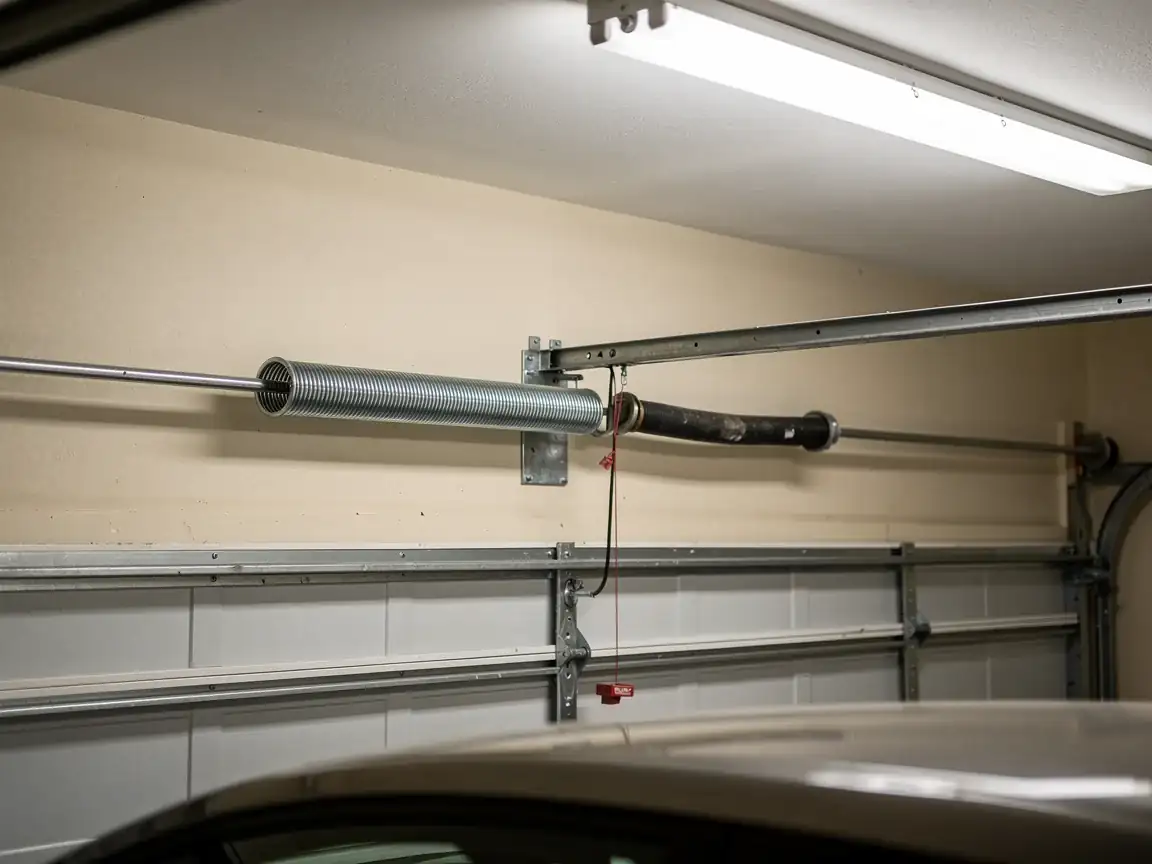
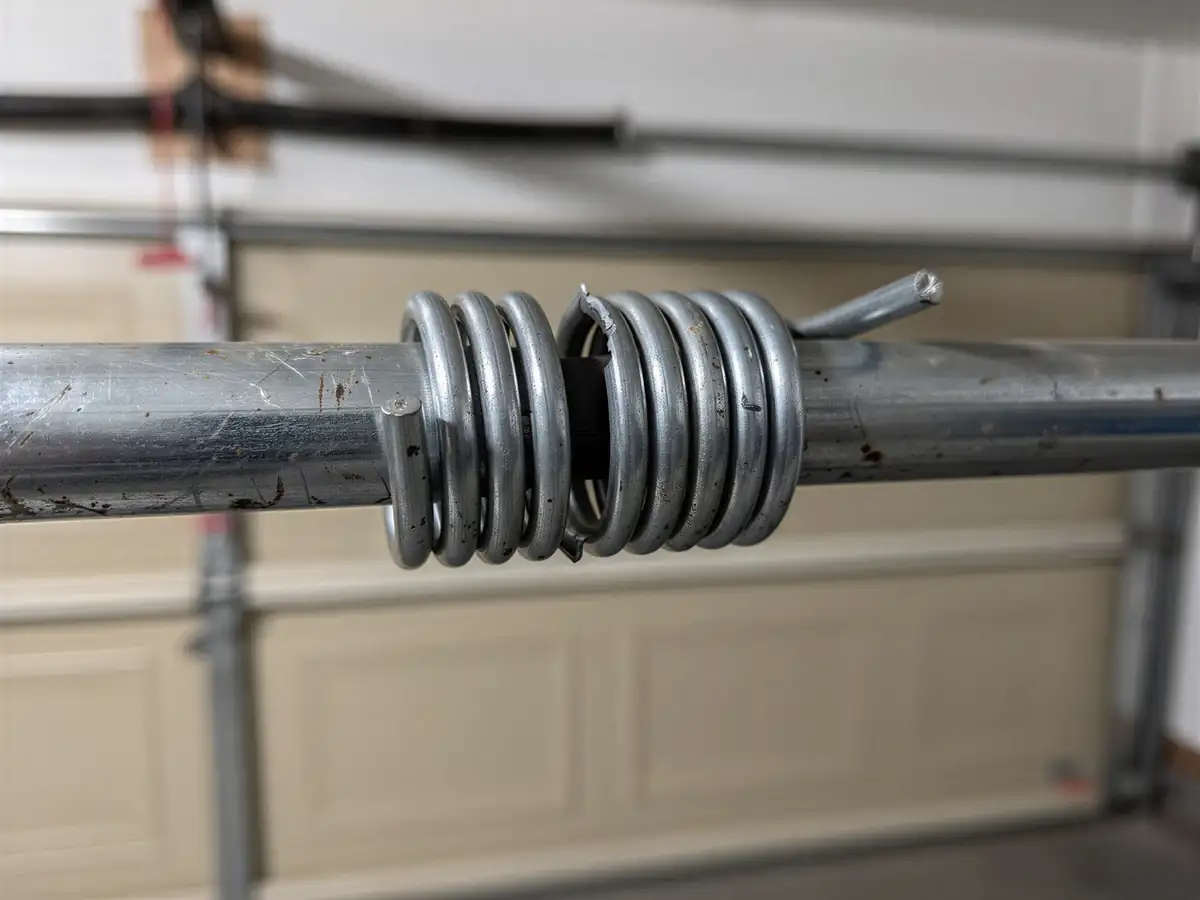
Then there's the slow fail: the opener takes longer each week to lift the door, groaning partway up before it catches - that's a motor working harder than it should, often because the door's spring tension has drifted and the opener is compensating for weight it isn't built to carry alone. Across the roughly 9,872 owner-occupied houses in this service area, that's one of the more common calls we get - people think it's the opener when the real problem started at the spring.
If your opener clicks but goes nowhere, that's the capacitor, and it's a cheap part to replace if caught before the motor itself burns out trying to start against it.