Can You Do This Yourself
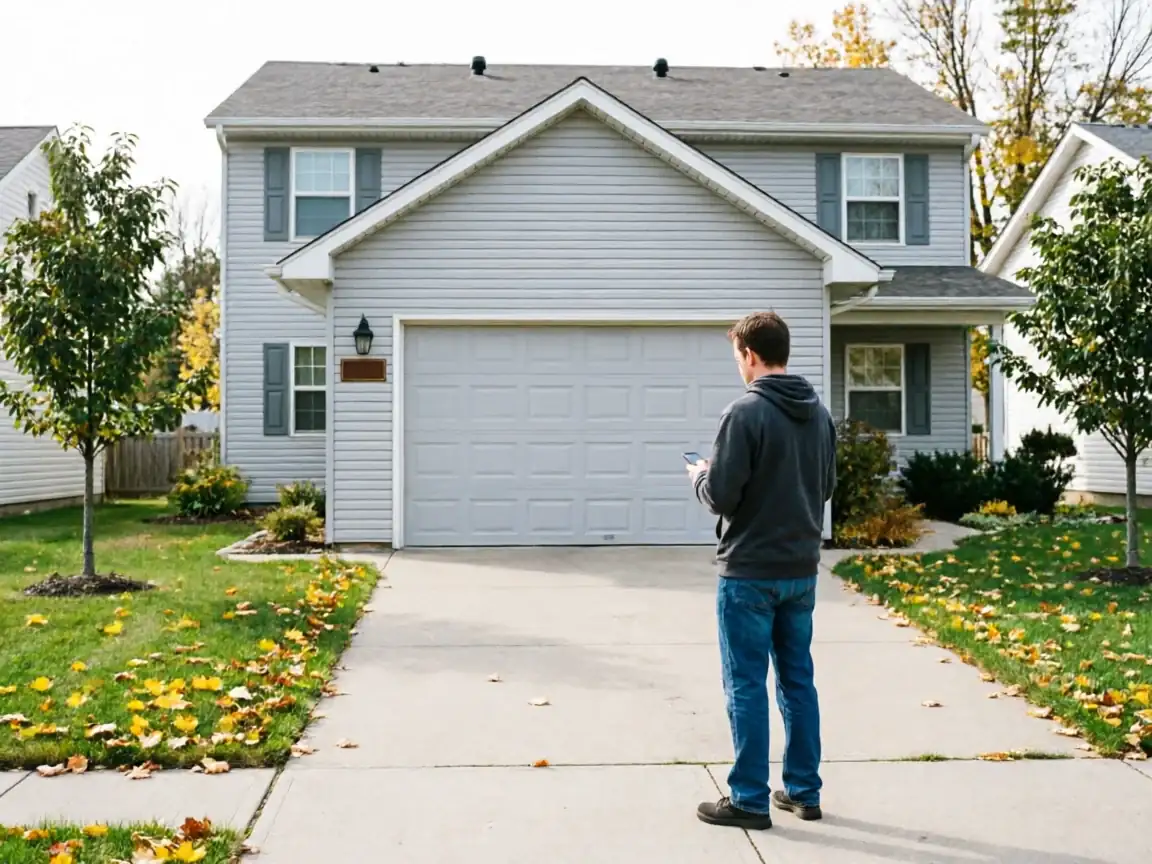
A lot of homeowners look at a new garage door kit and figure it's a weekend job, and on a house built in the last fifteen years with a square opening and standard dimensions, it might be. Jackson is a different problem. Most houses in this service area went up between 1938 and 1988, with the median landing around 1954, and that means openings framed to dimensions that predate the metric-adjacent standard sizing most big-box doors ship in today.
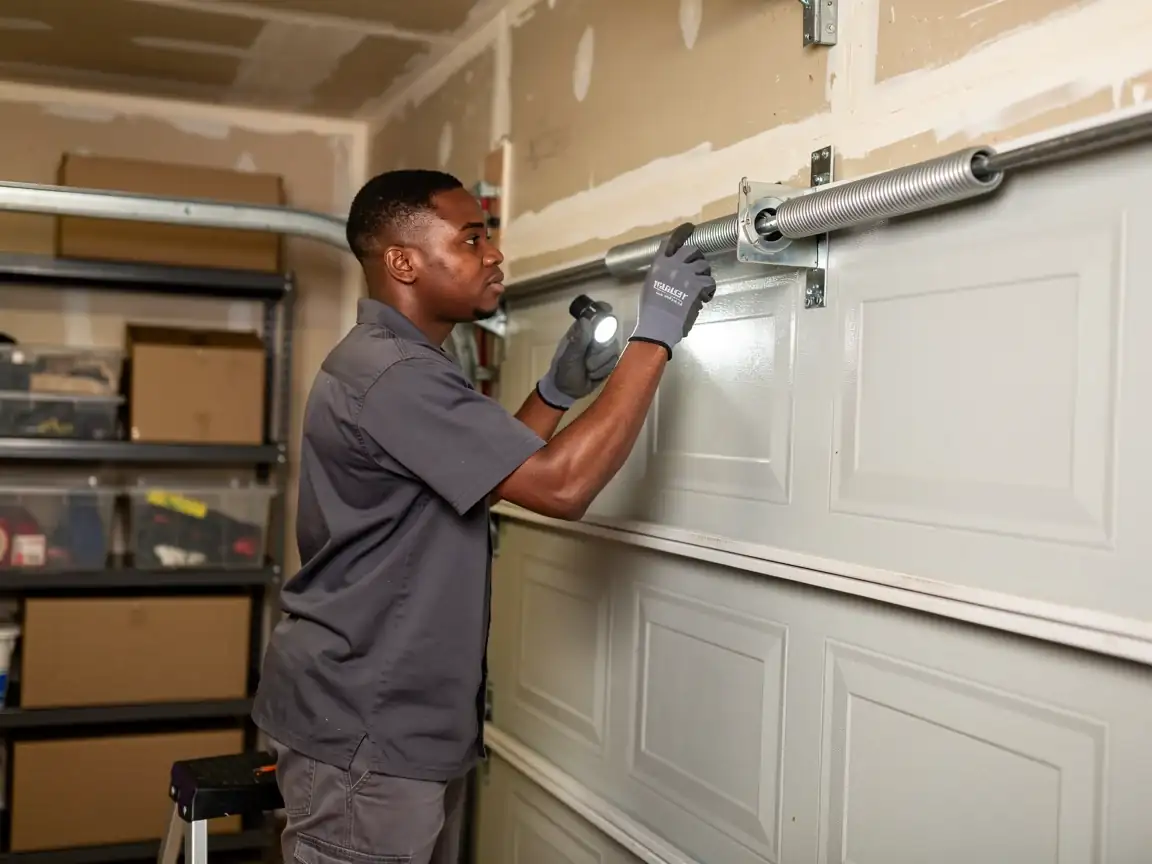
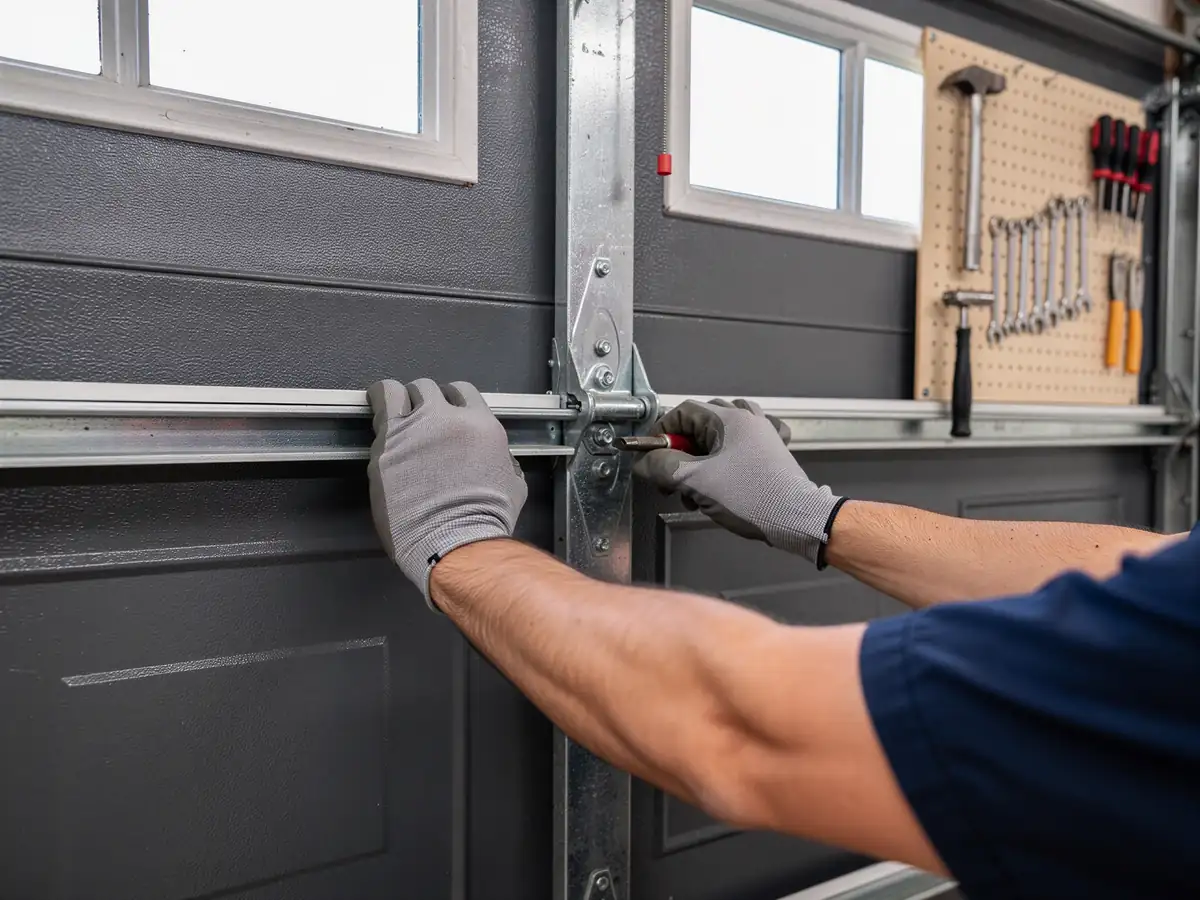
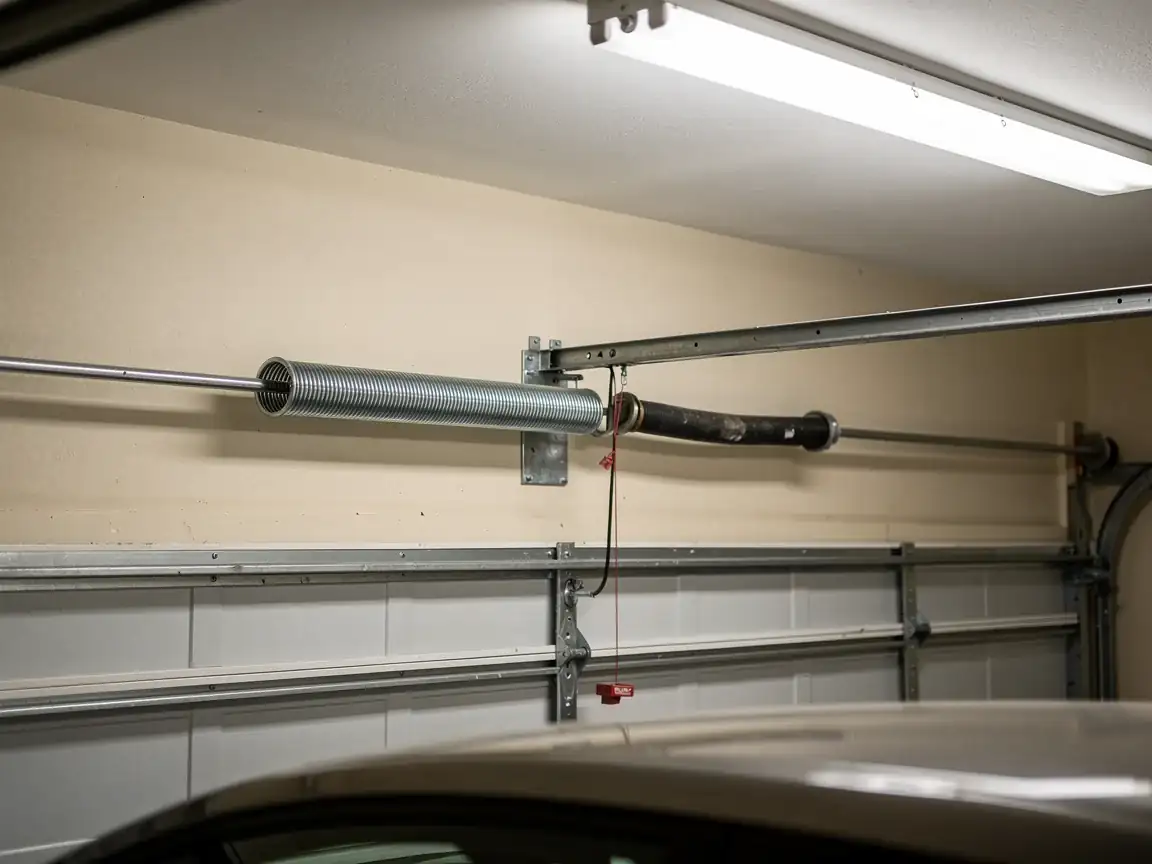
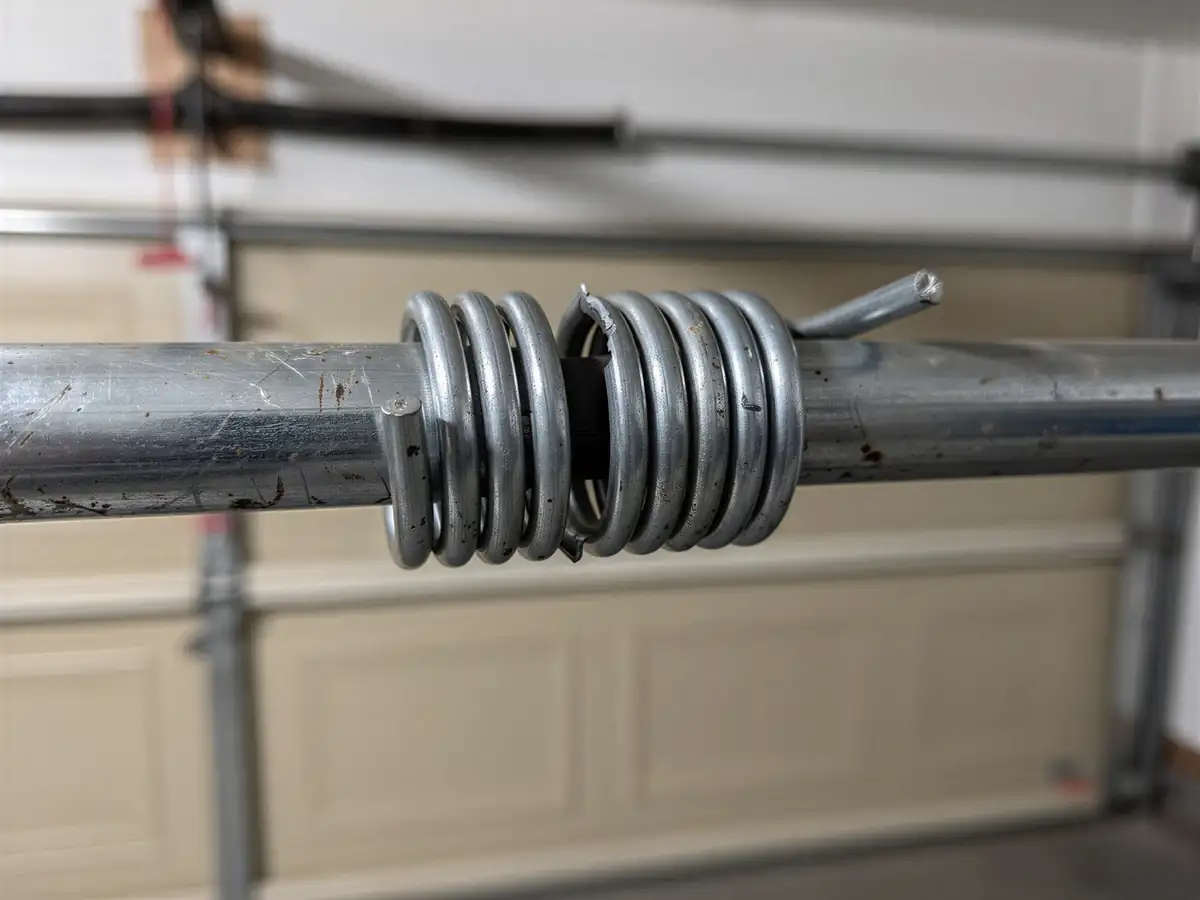
You can rent the lift, you can watch the videos, and you can still end up with a door that doesn't seat flush because the jamb isn't plumb and nobody's framing was checked against today's tolerances. Torsion spring setup on a door this size is also where people get hurt - the spring is under real load the second it's wound, and there's no safe way to eyeball that tension.
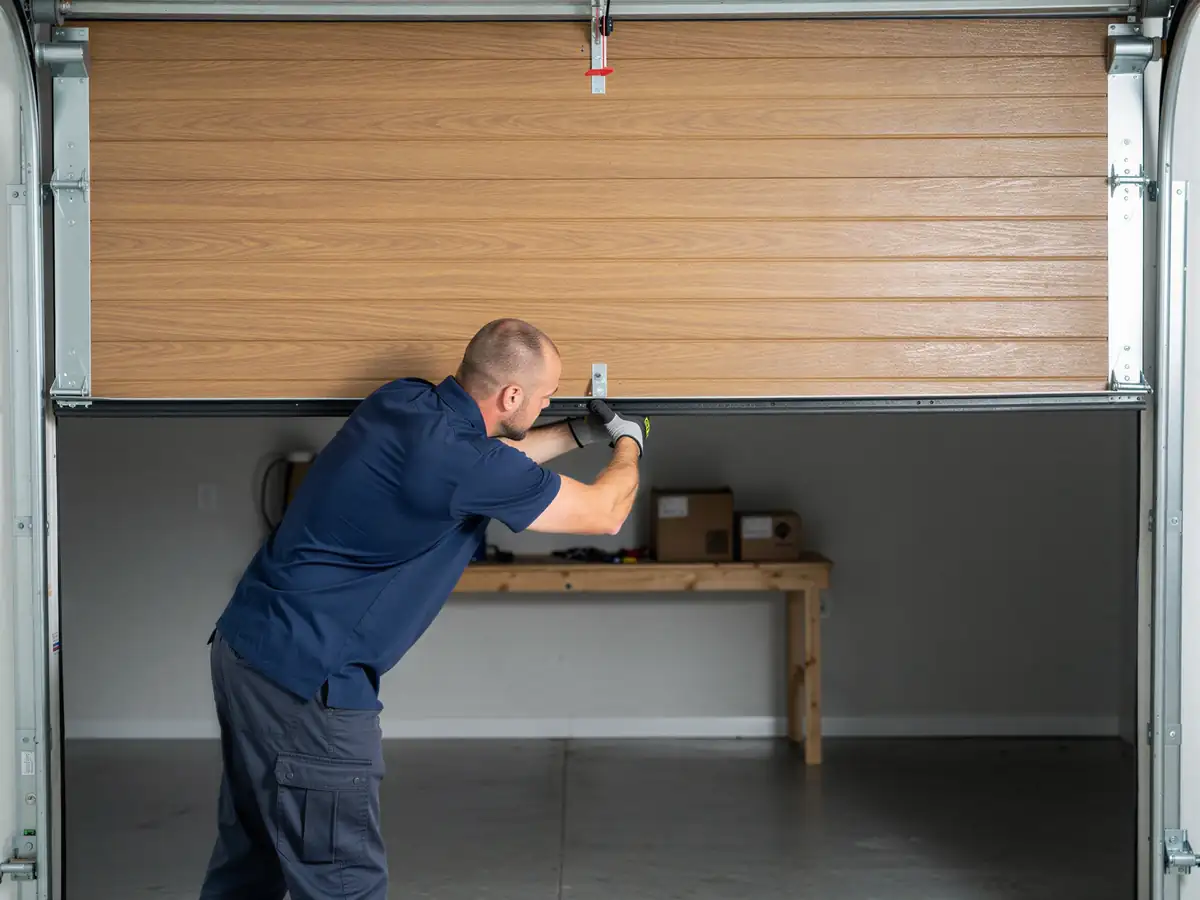
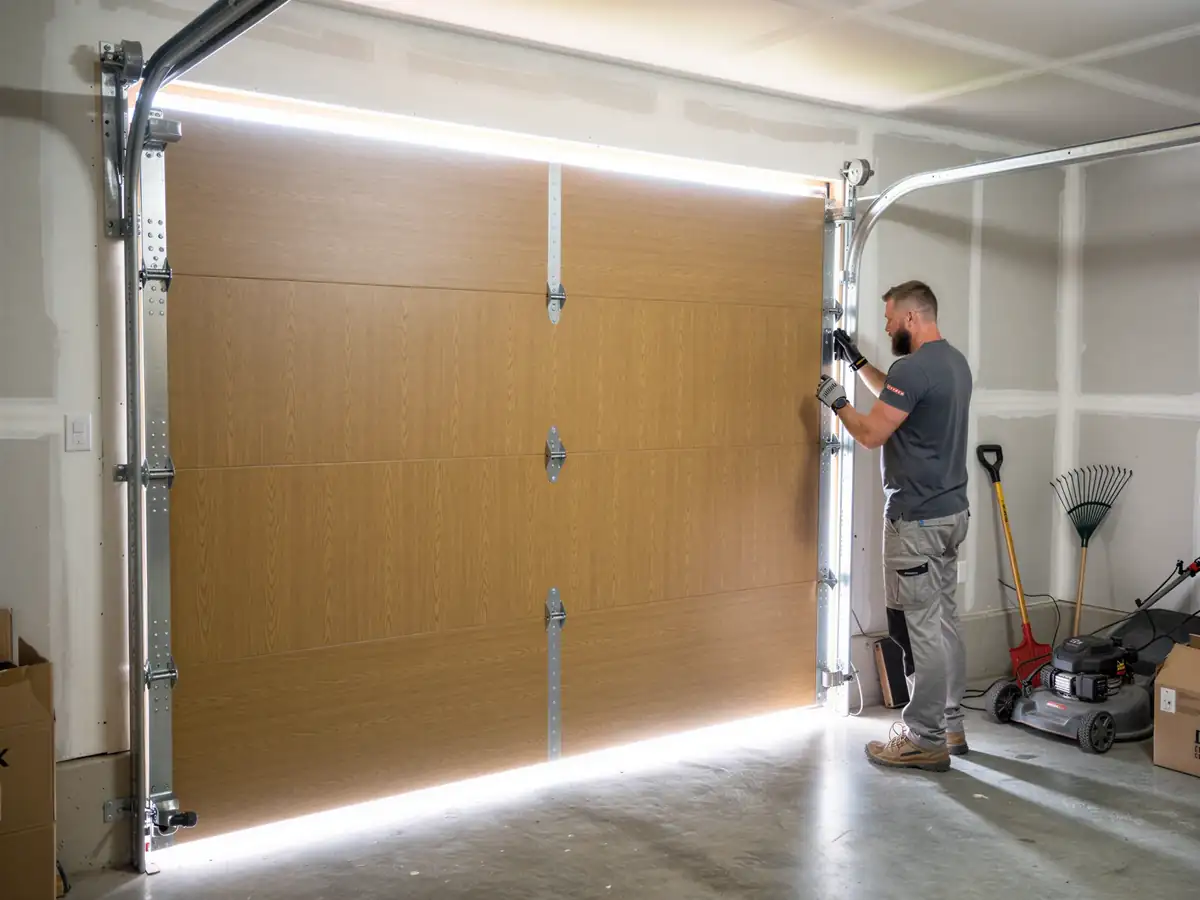
What you can reasonably do yourself: measure your rough opening carefully, pull the permit paperwork, clear the garage, and decide on insulation value before we show up. What you shouldn't do solo: cut or shim framing on a house this old, or wind a torsion spring you've never handled. We'll tell you straight if a job is simple enough to walk you through over the phone instead of billing a truck.
Why This Fails Locally
Here's the pattern we see across the 19 named areas in this service territory
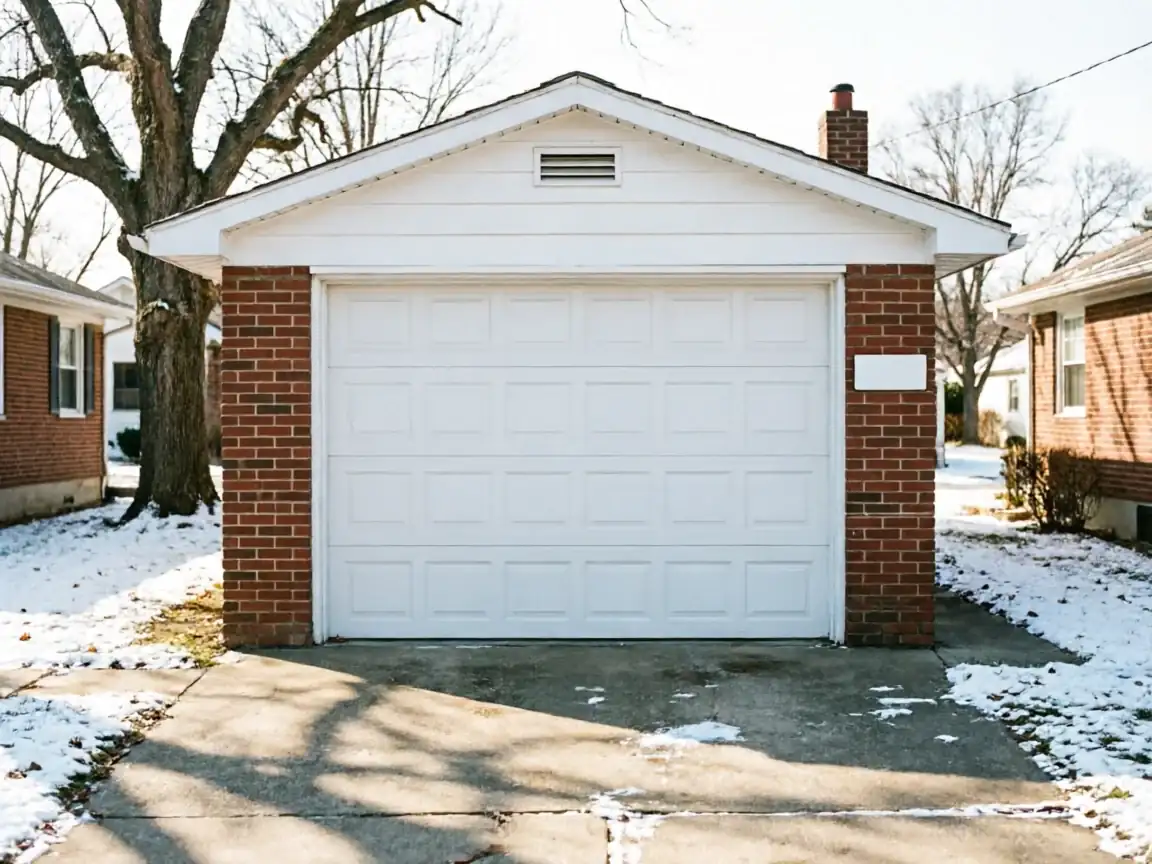
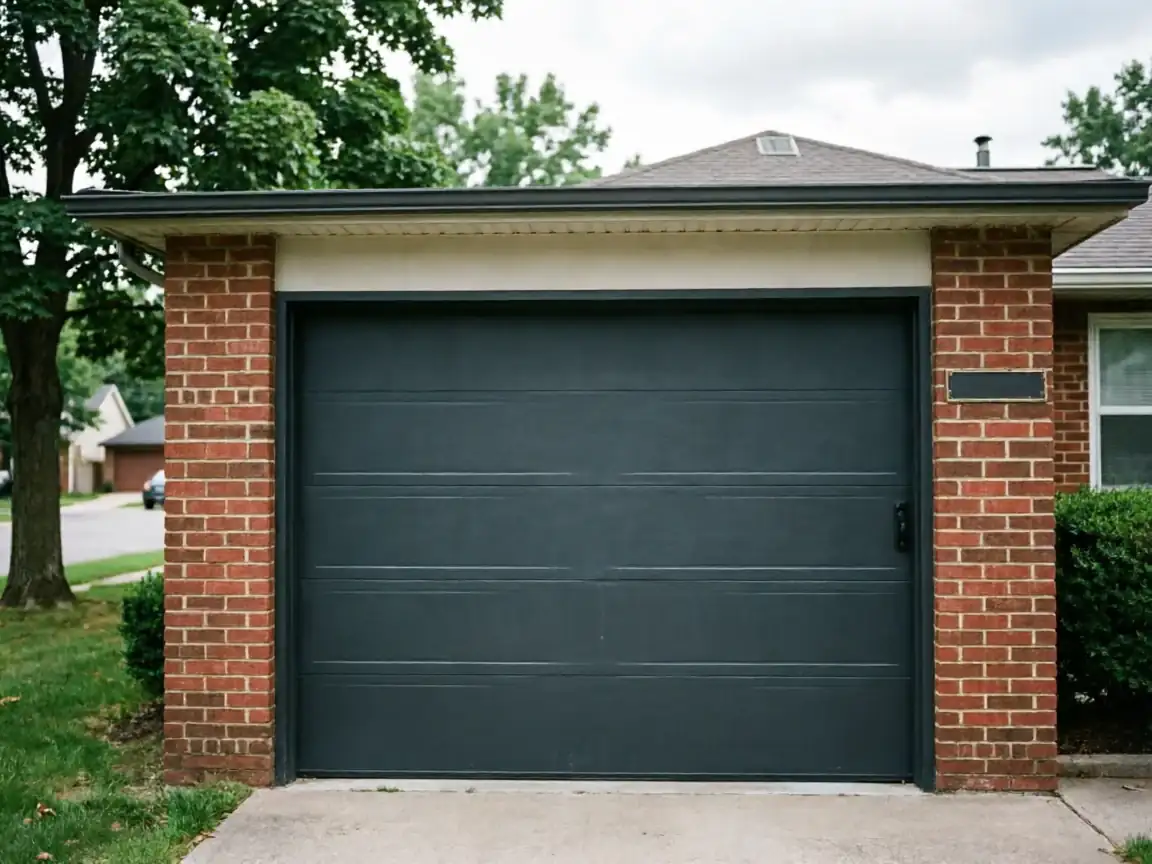
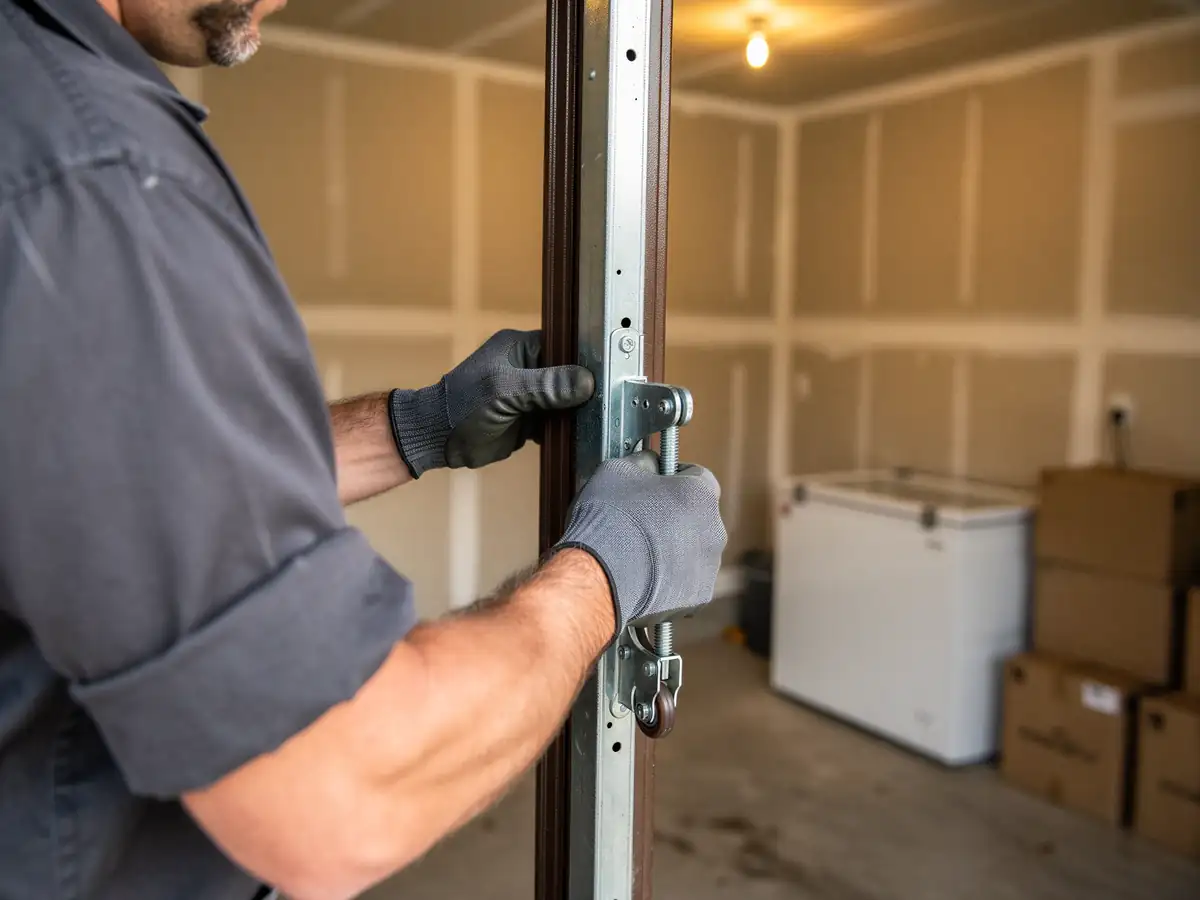
Pre-1960 houses were framed before anyone standardized garage door rough openings, so actual opening width and height drift from house to house even on the same street. A door ordered to a catalog size doesn't always fit the stud bay it's going into, and that mismatch shows up as gaps at the jamb, a door that racks in the track, or trim that has to be rebuilt from scratch.
- 1960 houses
Layer the climate on top
This area sits in a cold, severe climate band, which means the door isn't just a panel - it's a thermal boundary between a heated or semi-heated garage and outside air that spends months below freezing. An older opening with inconsistent framing and no sill seal lets wind-driven snow and cold air track in around the edges no matter how good the door panel itself is.
The failure we get called for isn't usually the door - it's the install around it
A new door hung in an old, slightly out-of-square opening without proper jamb correction and weatherstripping sized for the gap will bind, ice up at the bottom seal, or pull the opener off true within a season. Fixing that after the fact costs more than doing the framing right the first time.
What It Costs
We don't have a flat number to quote here because the honest cost driver on a Jackson install is the opening, not the door. A house with a square, standard-size rough opening and no framing repair needed costs less to install into than a house where the jamb has to be shimmed, re-squared, or rebuilt to match a modern door - and on housing stock this old, we find the second case often enough that we don't quote sight-unseen.
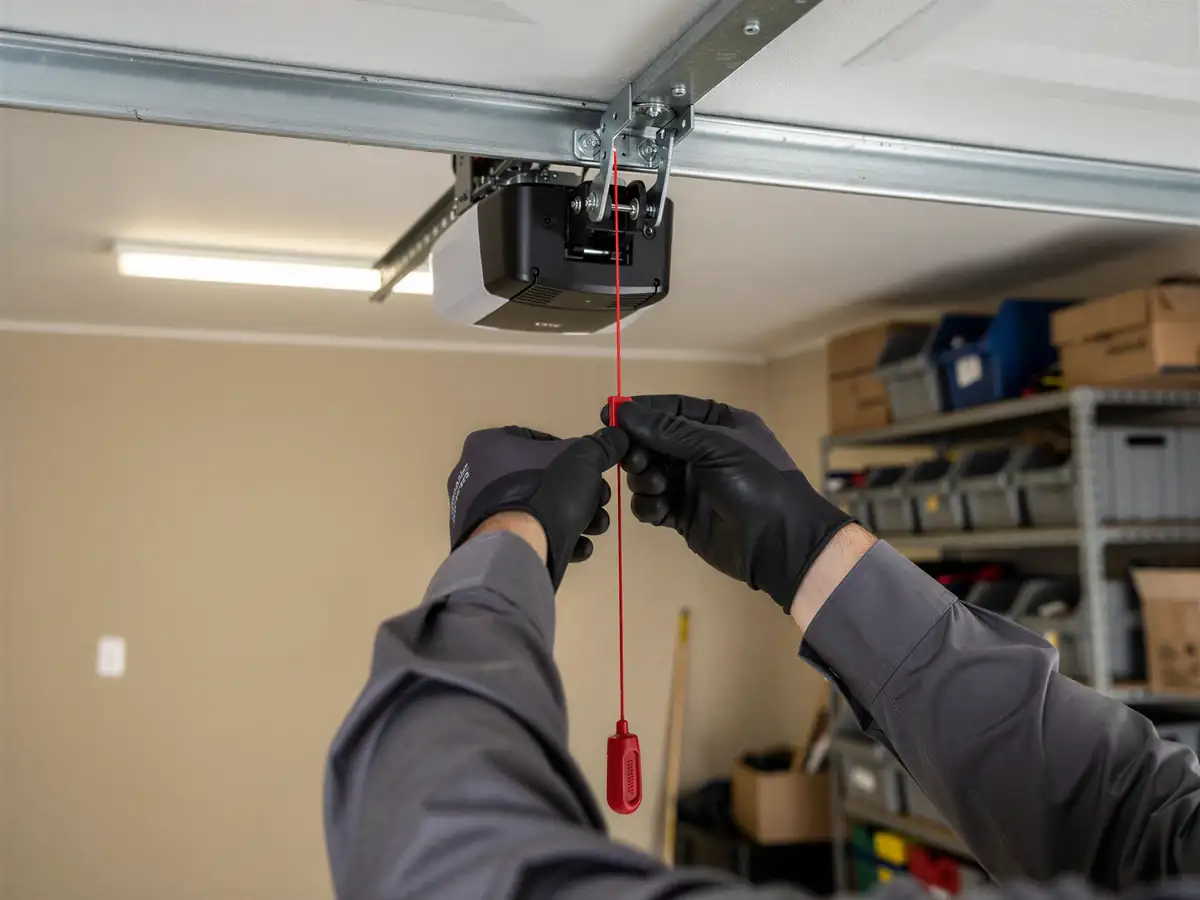
What does move the number, specifically: whether the opener and track need replacing along with the door, whether the existing header can carry a heavier insulated panel, and how much jamb correction the cold-climate weatherstripping needs to seal properly. None of that is guesswork you can price from a phone call - we measure the opening and check the framing before we give you a real number.
Our limitation here is straightforward: we don't install over framing we haven't inspected, and we won't give you a number that doesn't account for what's actually behind your trim. If you want a ballpark before we're on site, the honest answer is that it depends more on your house's age and framing than on the door model you pick.
How It Shows Up
The service calls that follow a bad install, or an install into framing that was never corrected, tend to cluster into a few patterns around here. A door that binds on one side in winter but runs fine in summer usually means the opening racked slightly with seasonal cold and the track was never shimmed to account for it. A door that whistles or lets a draft line in along the bottom in a severe-cold winter points to weatherstripping that was never matched to a gap this size.
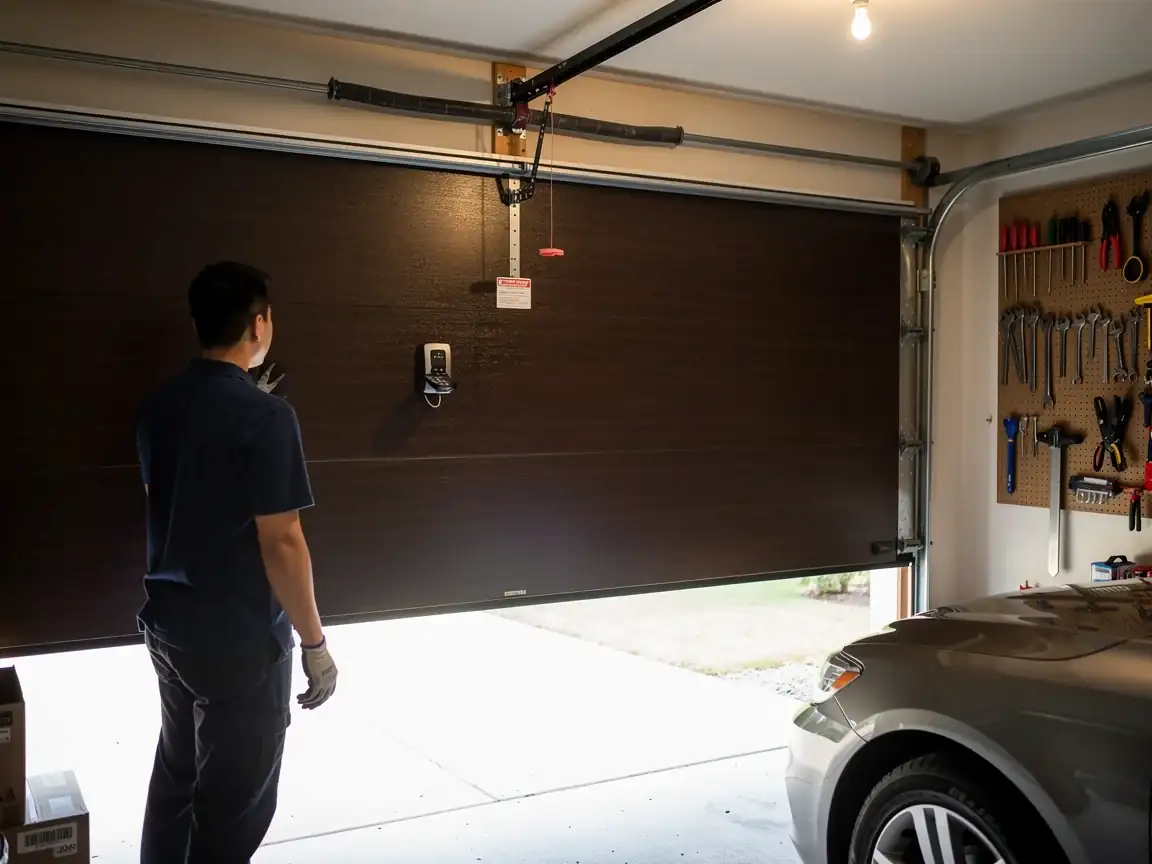
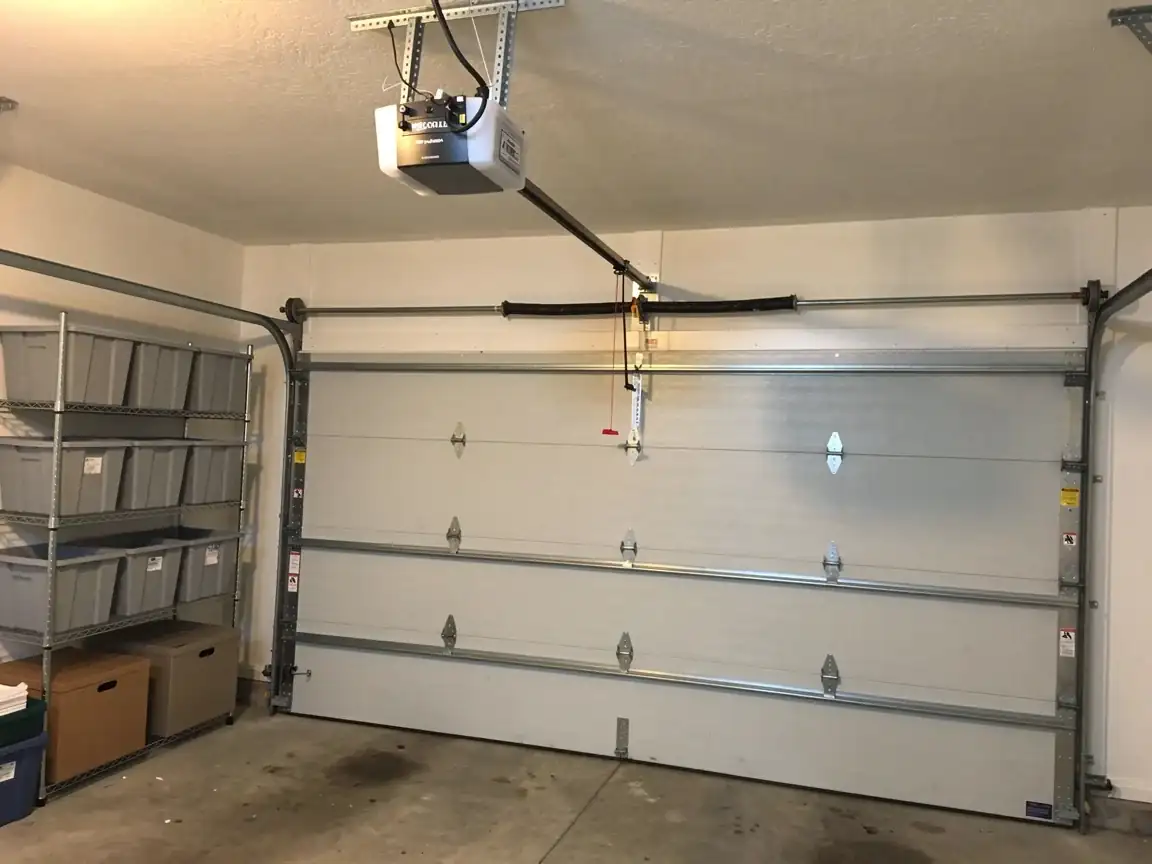
In the older sections of this territory, we also see openers pulling loose from headers that were fine for the lighter, uninsulated doors common when these houses were built but aren't rated for a heavier insulated panel. That's not a door problem, it's a structural mismatch that shows up months after the install, usually right when the door's getting the most use - deep winter, door cycling several times a day to heat a space that's suddenly colder than it was in October.
We'd rather catch the header, the jamb, and the framing mismatch before the door goes in than get the call six months later when it fails under load.