Can You Do This Yourself
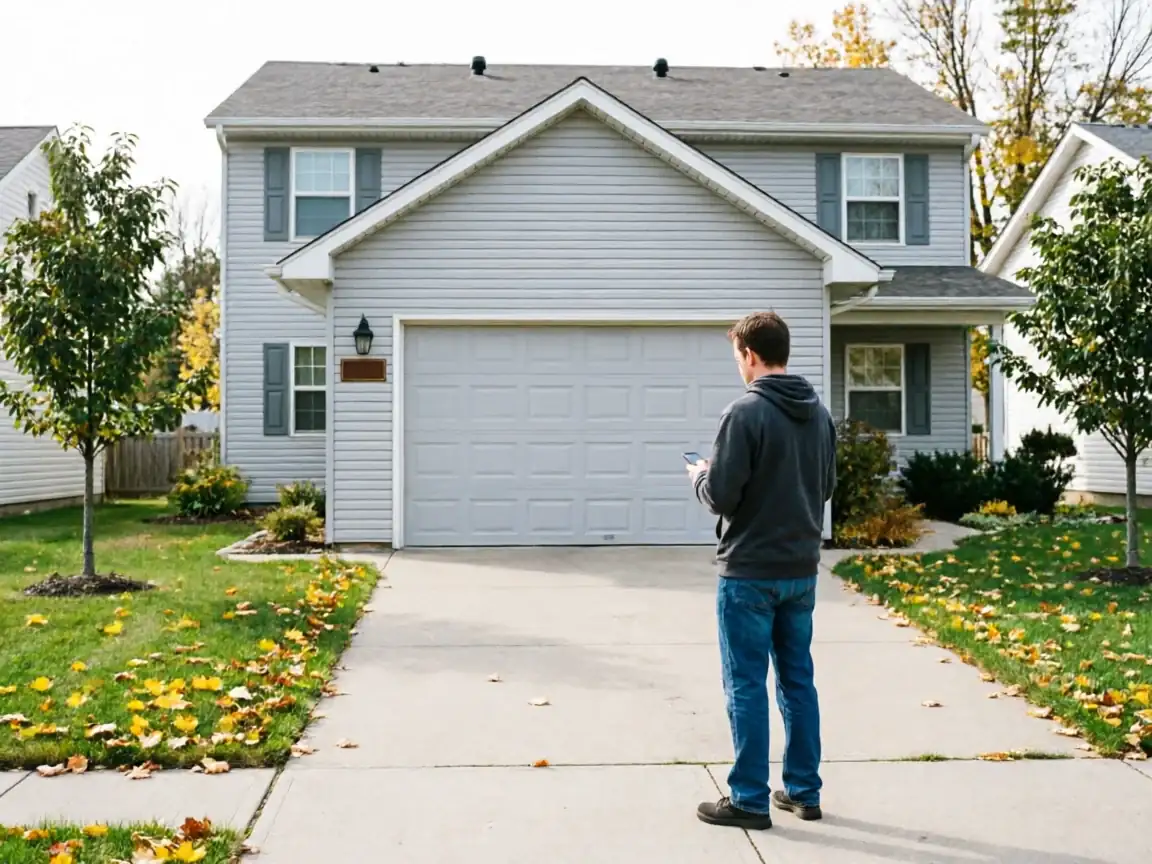
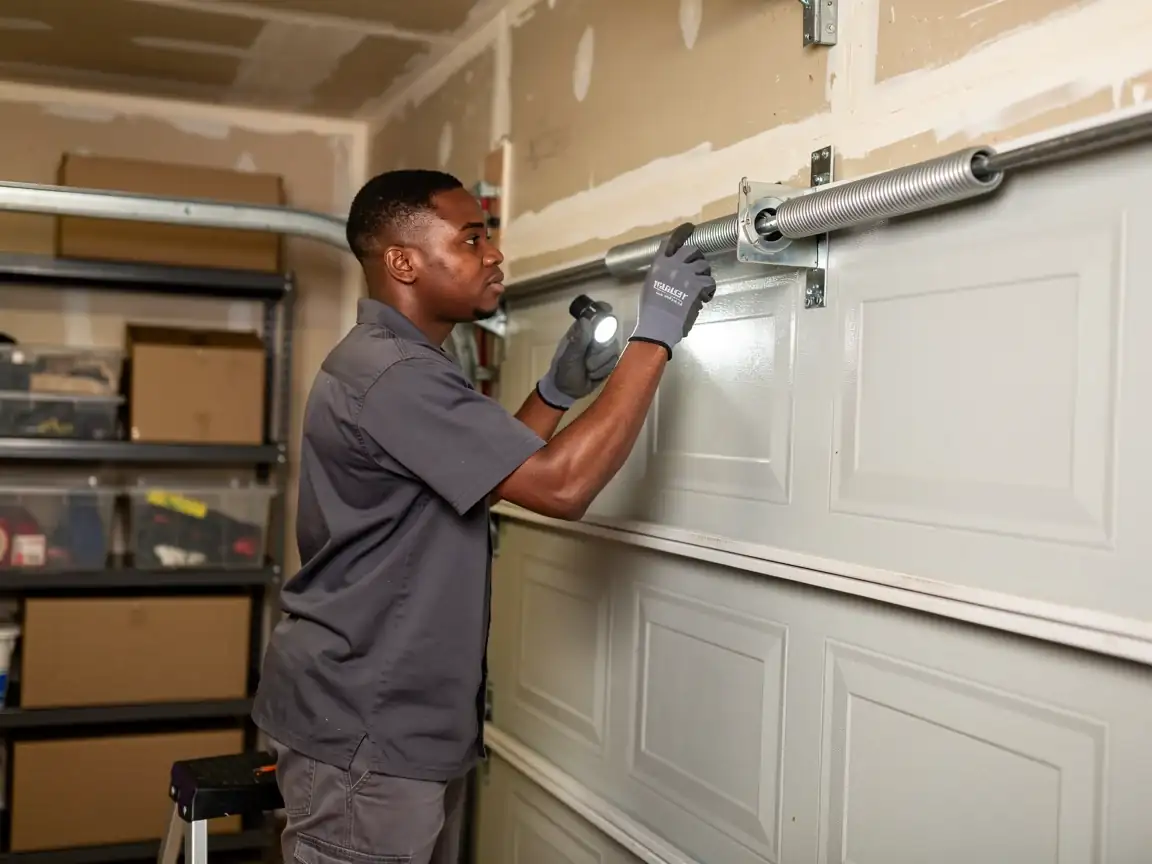
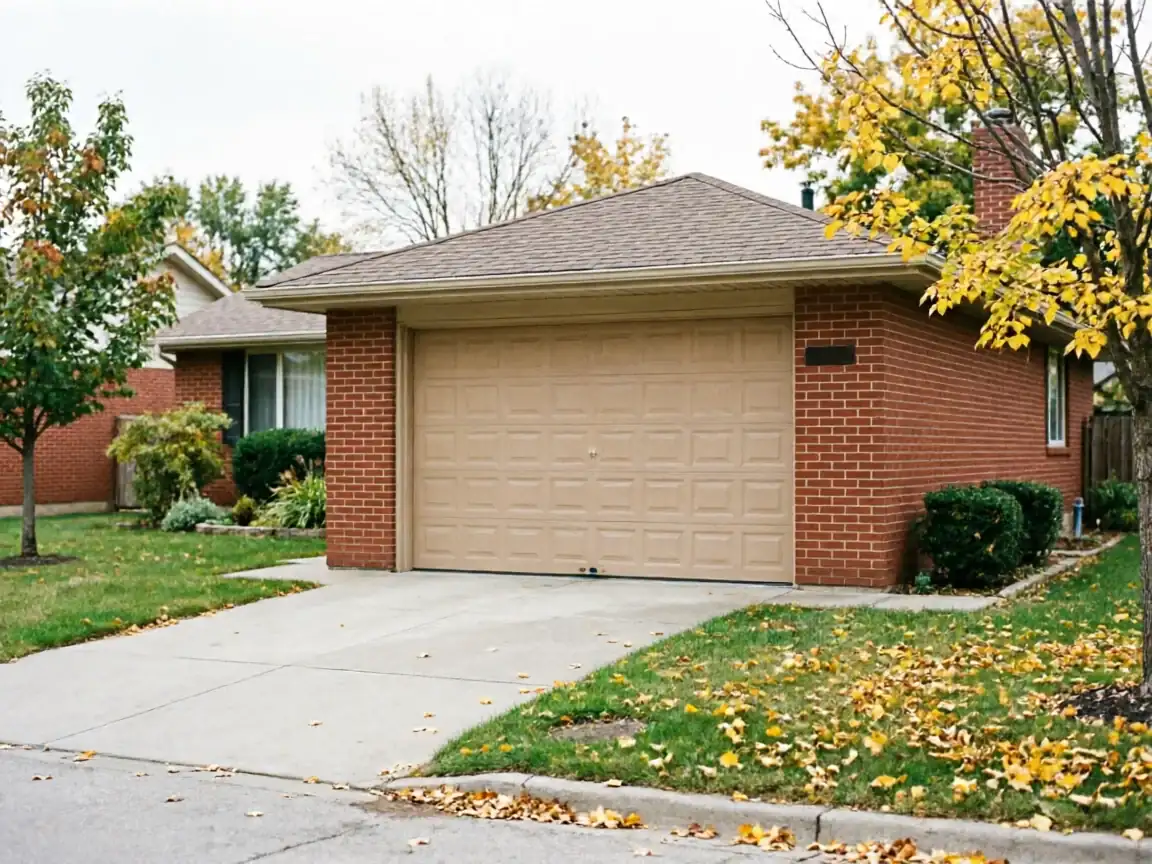
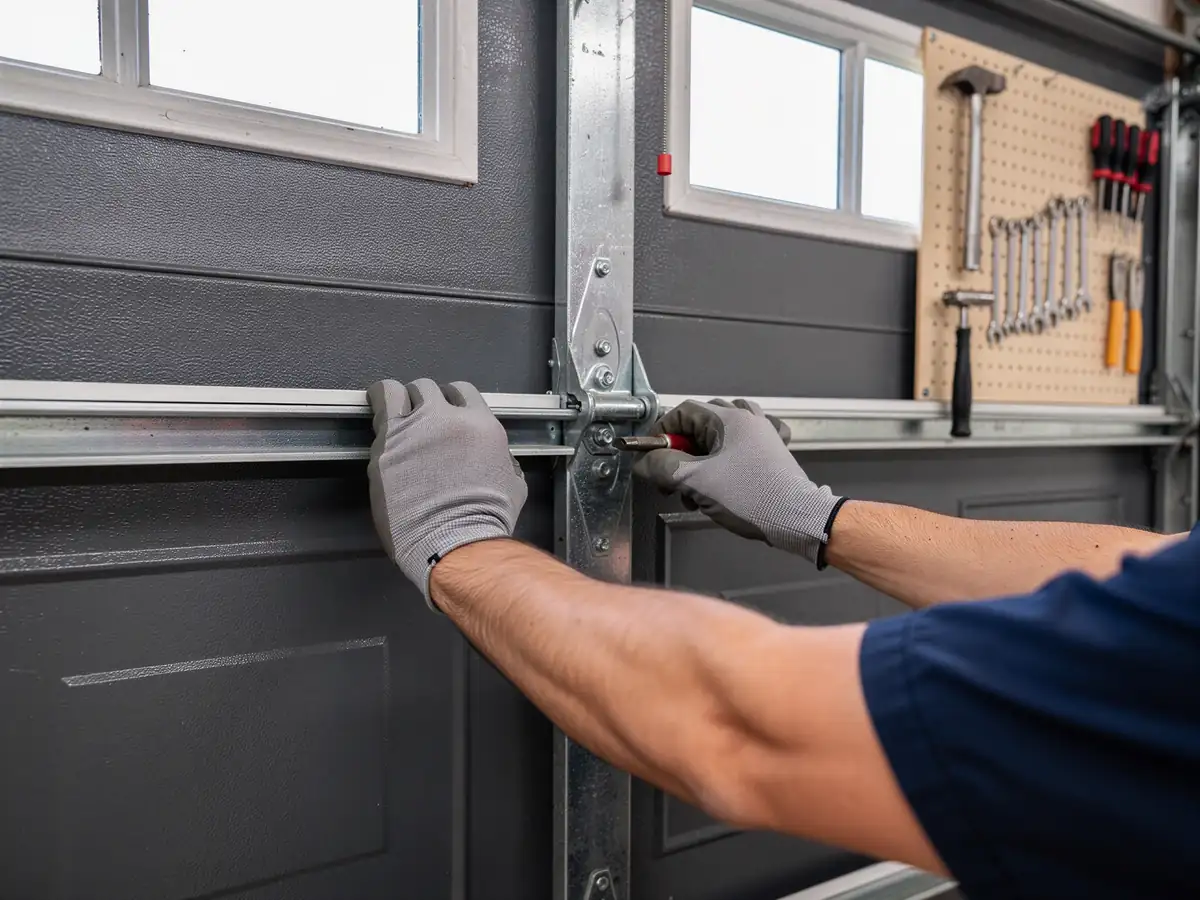
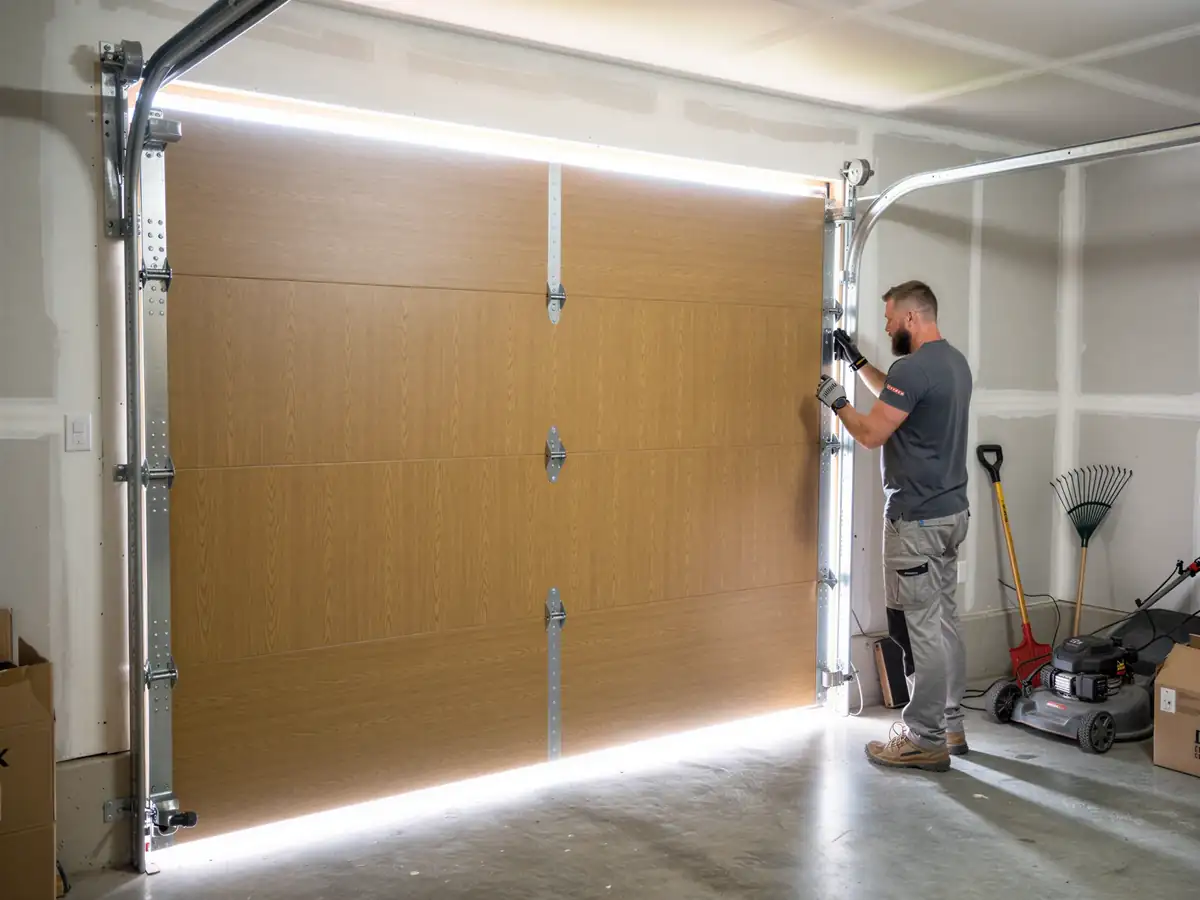
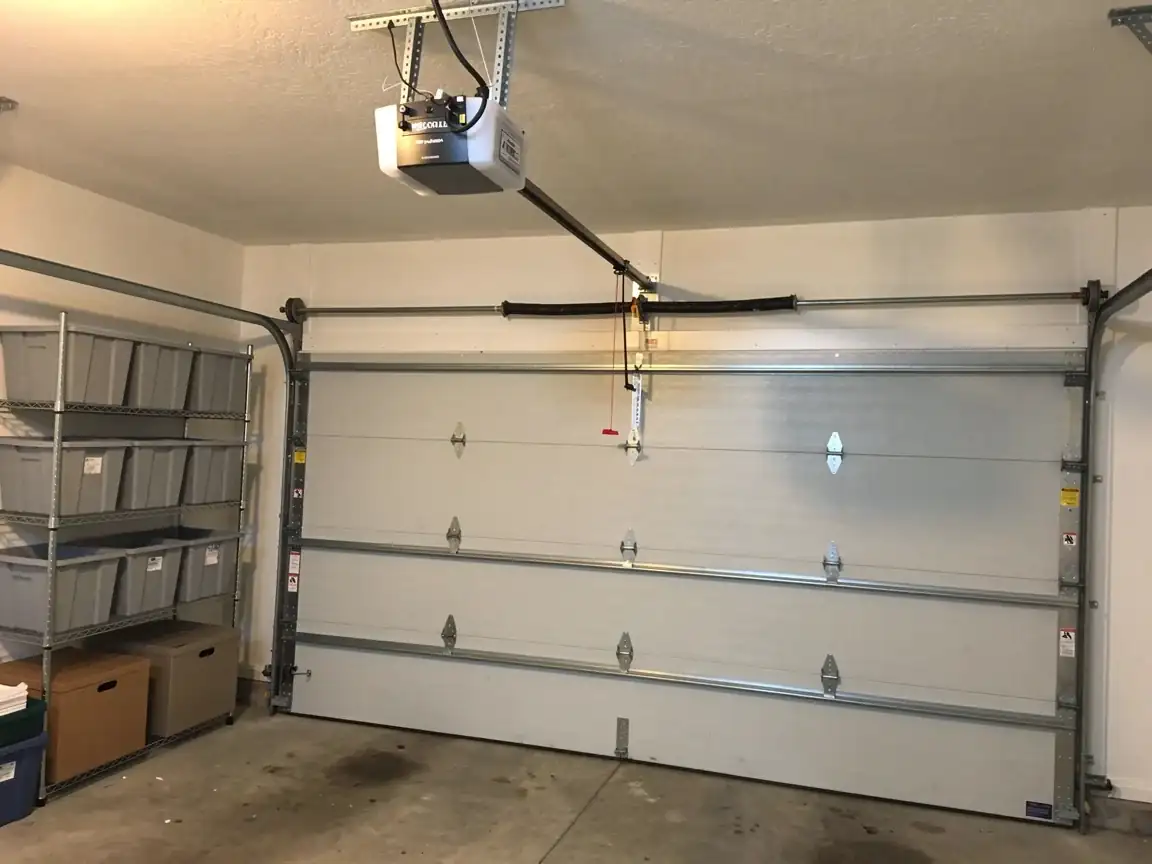
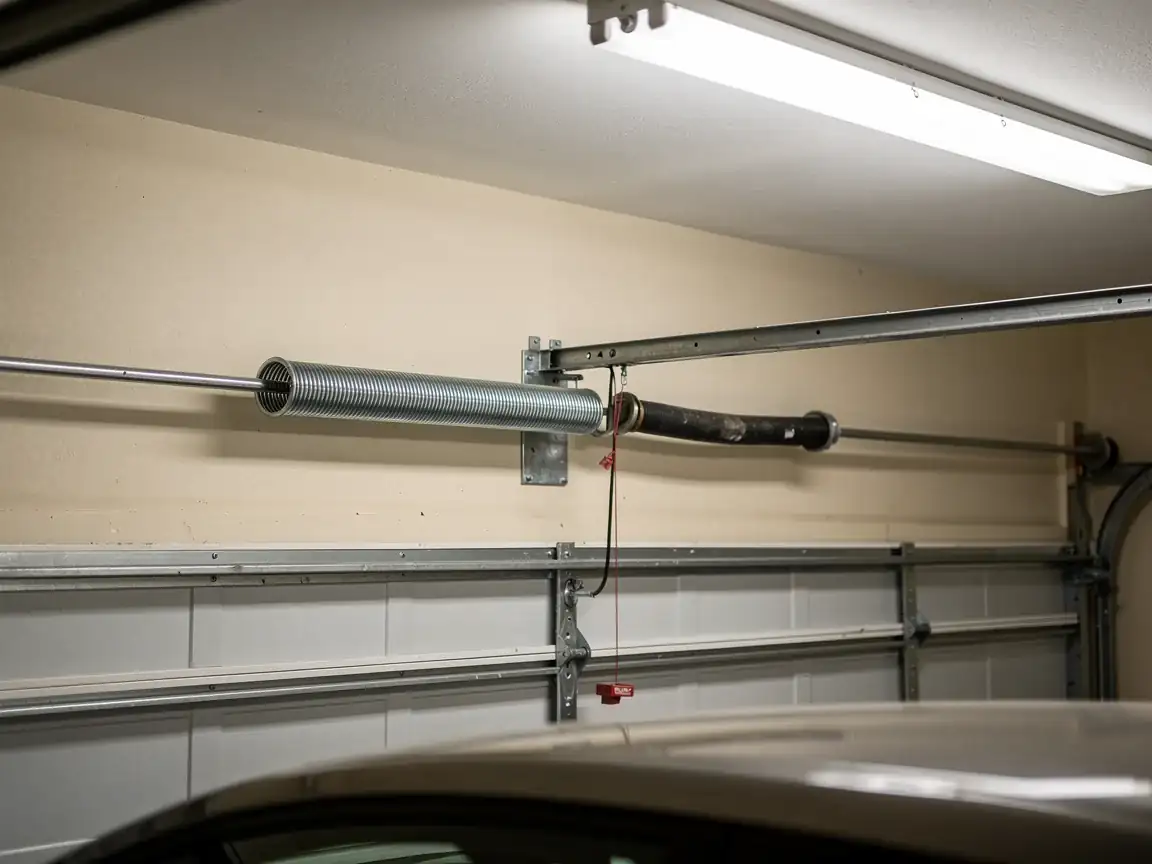
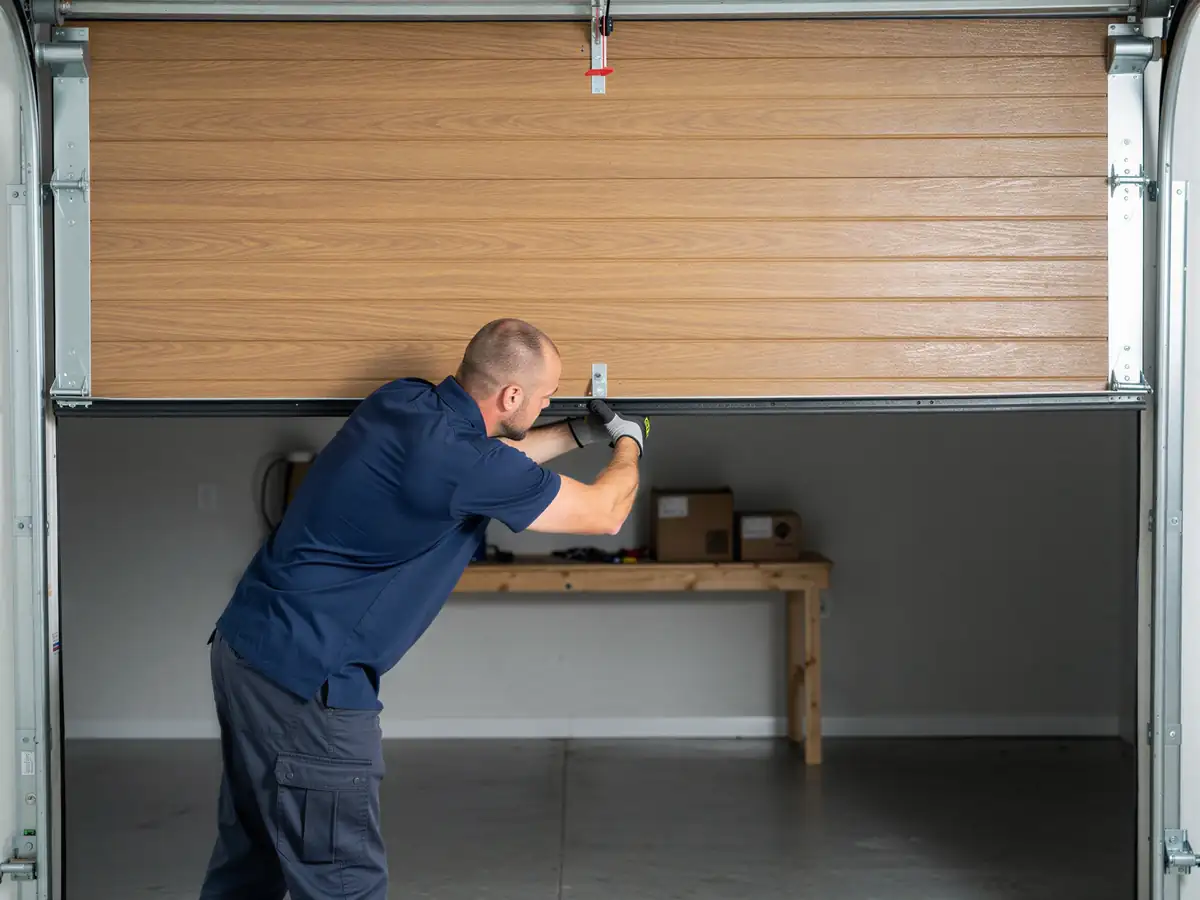
A torsion spring is wound under enough tension to snap a wrist bone if it lets go while you're holding it. We're not saying this to scare you into calling us - we're saying it because it's true, and because a lot of the doors in this area are old enough that the spring sizing isn't printed anywhere obvious anymore. On a house built in the 1950s, which covers a huge share of the housing stock across this service area, the original hardware has often been swapped once or twice already by whoever owned the place before you, and the replacement spring may not match the door weight it's holding. Guessing wrong means a door that slams down instead of lowering, or cables that jump the drum. If you've got a basic extension spring setup on a single garage and you've watched someone do it before, some homeowners manage it. If you've got torsion springs on a steel shaft over a double door, that's a two-person job with winding bars, not a Saturday project with a wrench. We'll say plainly: this is one of the few garage door repairs where the cost of a mistake is higher than the cost of the call.
What It Costs
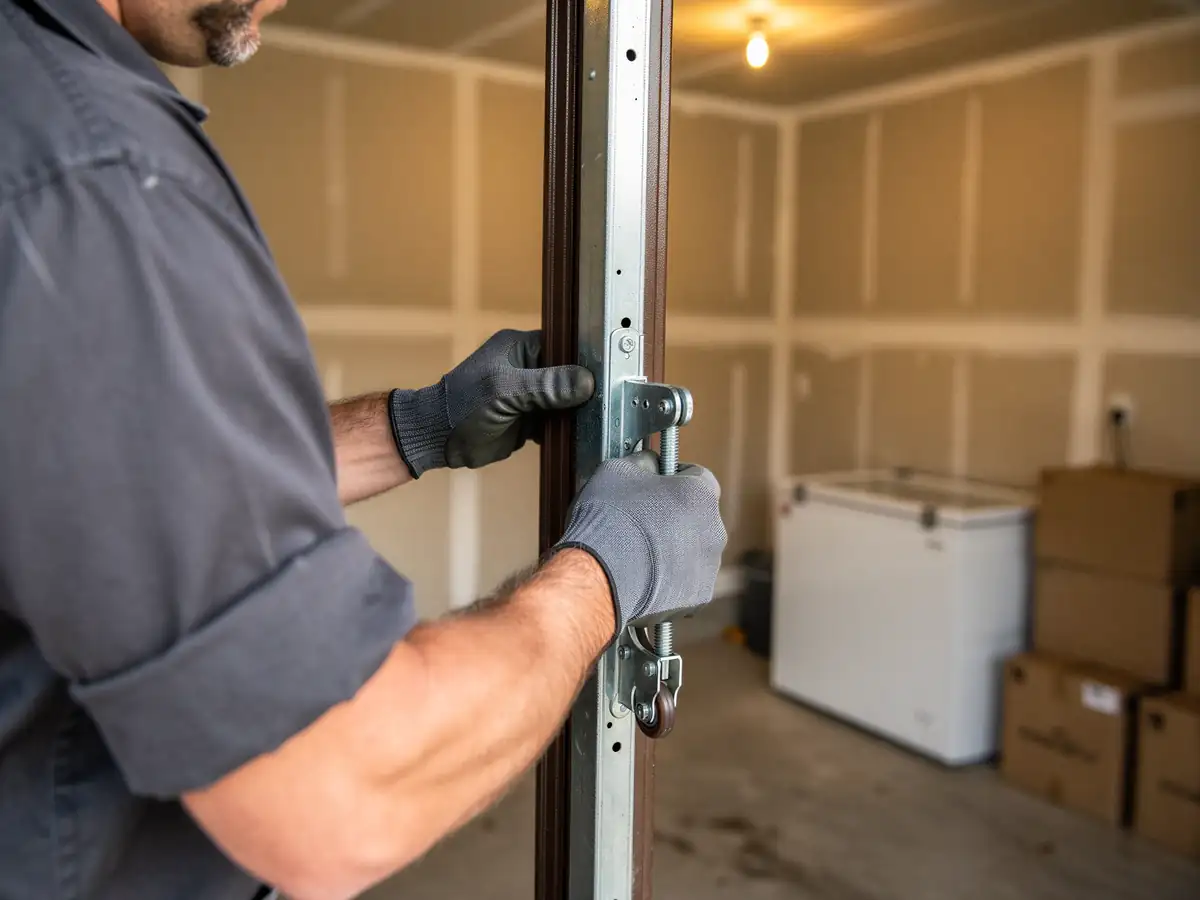
We don't have a flat number to put here that would hold up across every door size, spring count, and drum type we run into - a single torsion spring on a lightweight door and a pair of springs on a heavy insulated double door are not the same job, and quoting one price for both would be a lie by omission. What we can tell you is what drives the number: whether you need one spring or two, the wire gauge and diameter the door actually requires (not just whatever's currently installed), and whether the drums, cables, or bearing plates need replacing alongside the spring itself - common on doors from the older end of our area's 1938-1988 build range, where one worn part tends to take others down with it. Call and we'll give you a real number for your door, not a range pulled from a brochure.
How It Shows Up
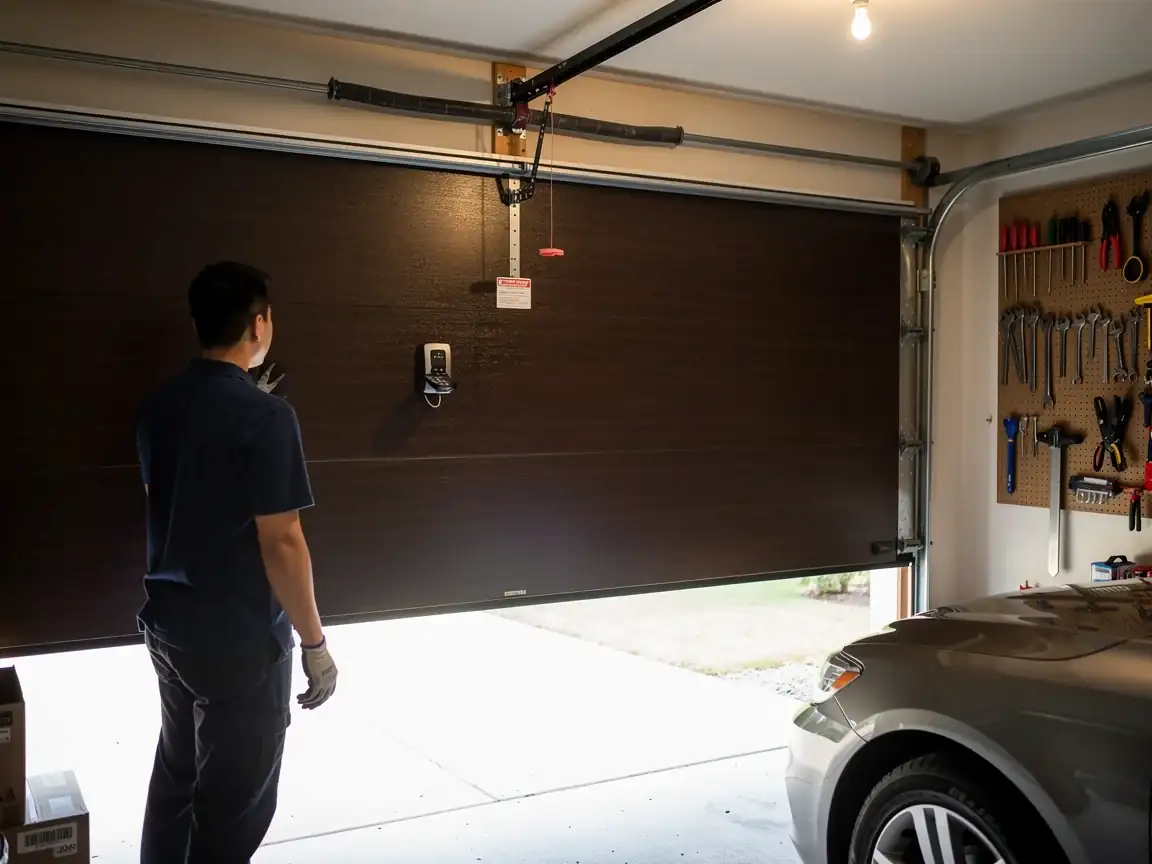
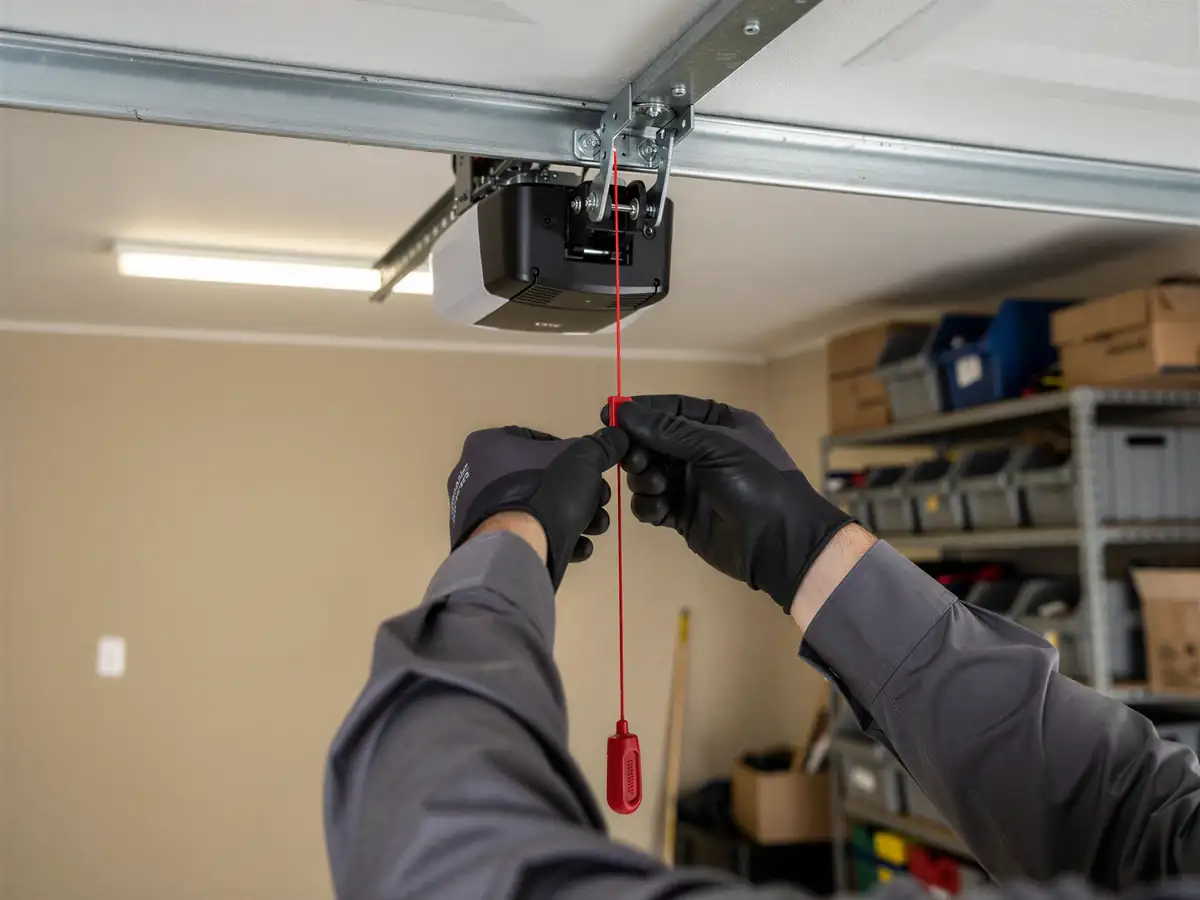
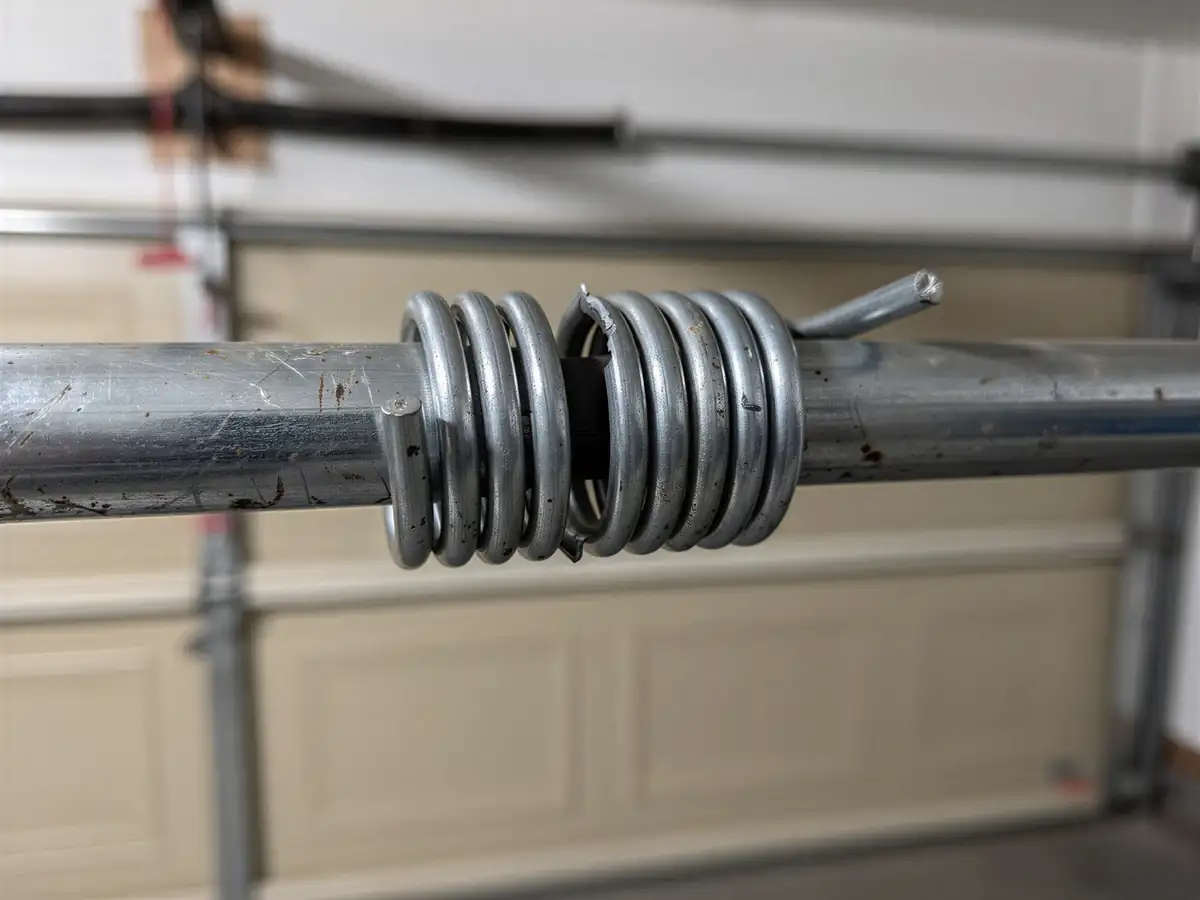
Most people don't notice a spring going until it's already gone. The early sign is a door that feels heavier than it used to when you lift it by hand with the opener disconnected - that's the spring losing tension gradually, not all at once. Then you'll hear it: a loud bang from the garage, often in the morning after a cold night, which is a torsion spring letting go under stress it couldn't hold anymore. After that the door either won't open at all, or the opener strains and reverses because it's trying to lift the full weight of the door with no spring assist. On older, heavier doors common across this area's pre-1960 housing, a broken spring can also let the door come down fast and uneven, cable slack showing on one side while the other stays taut - a sign the remaining cable or drum took damage too, and the fix just got bigger than one spring.