What Most People Get Wrong
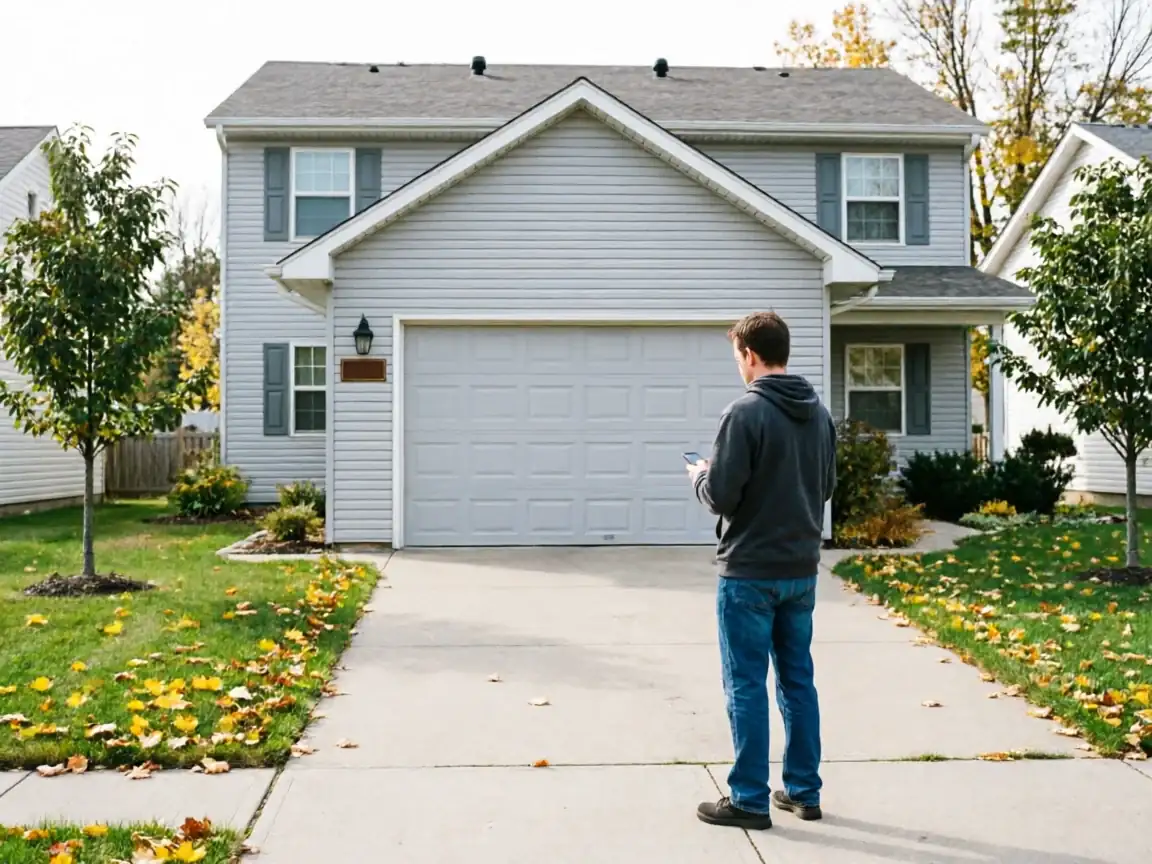
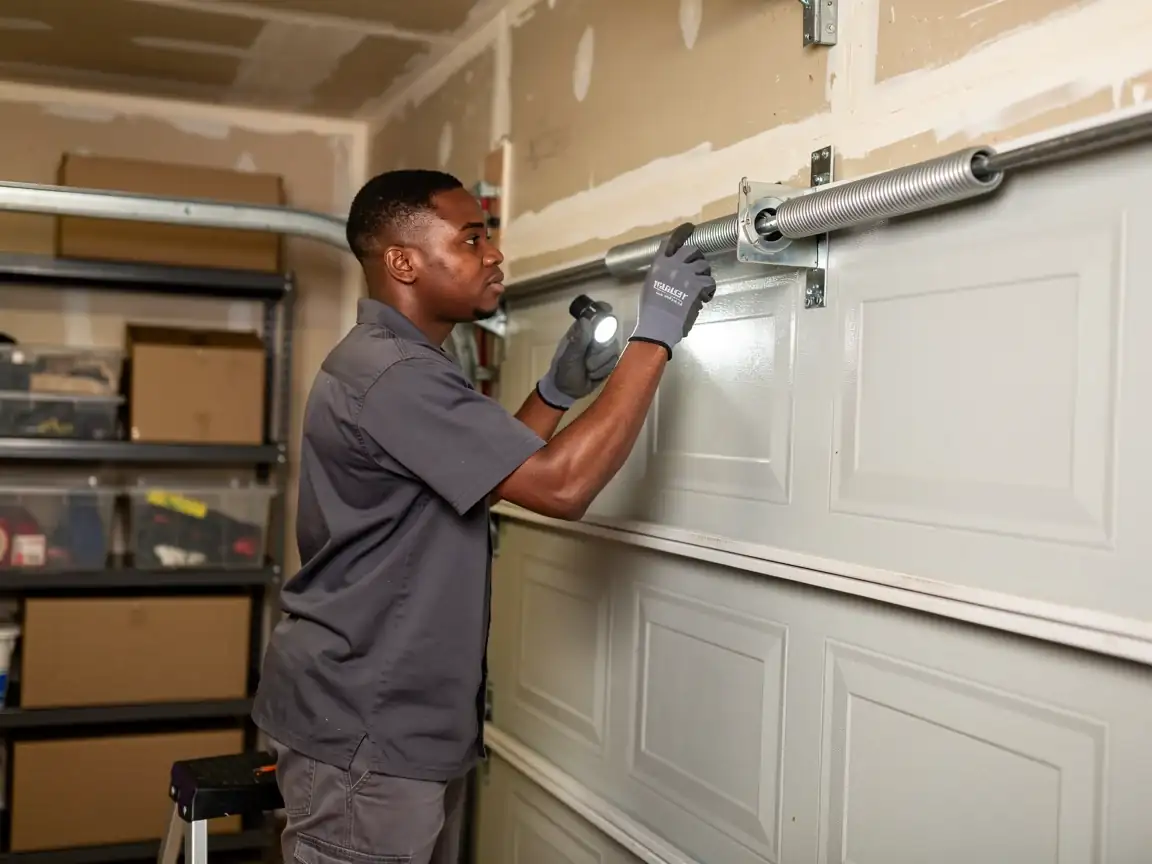
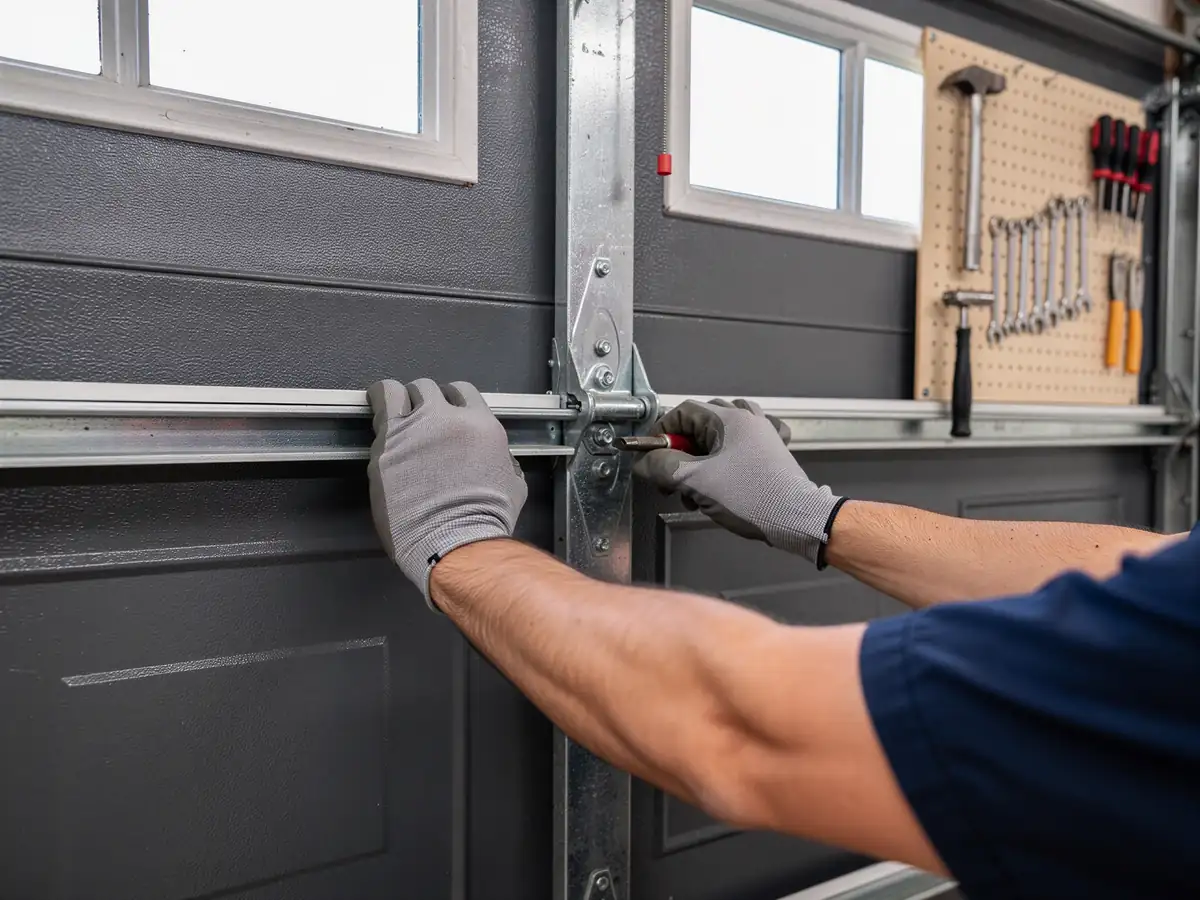
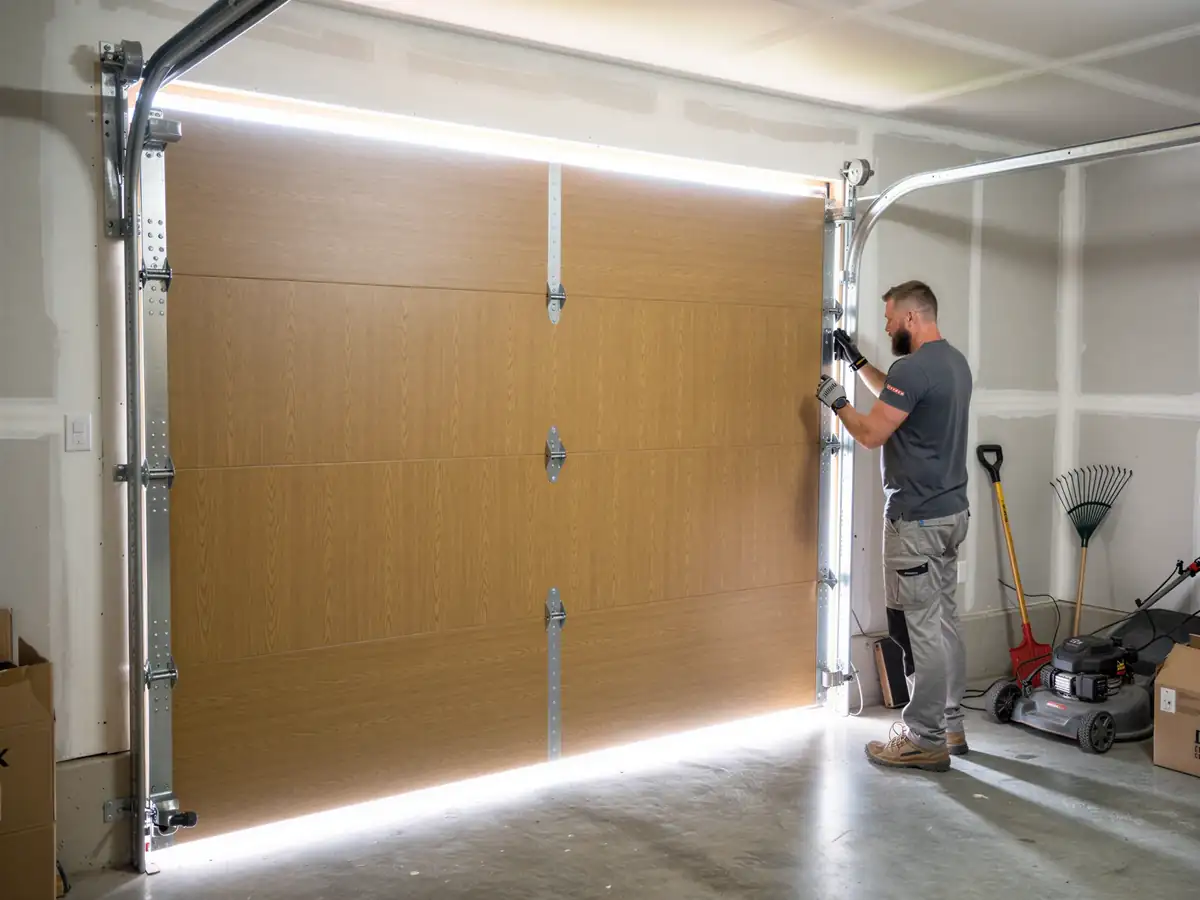
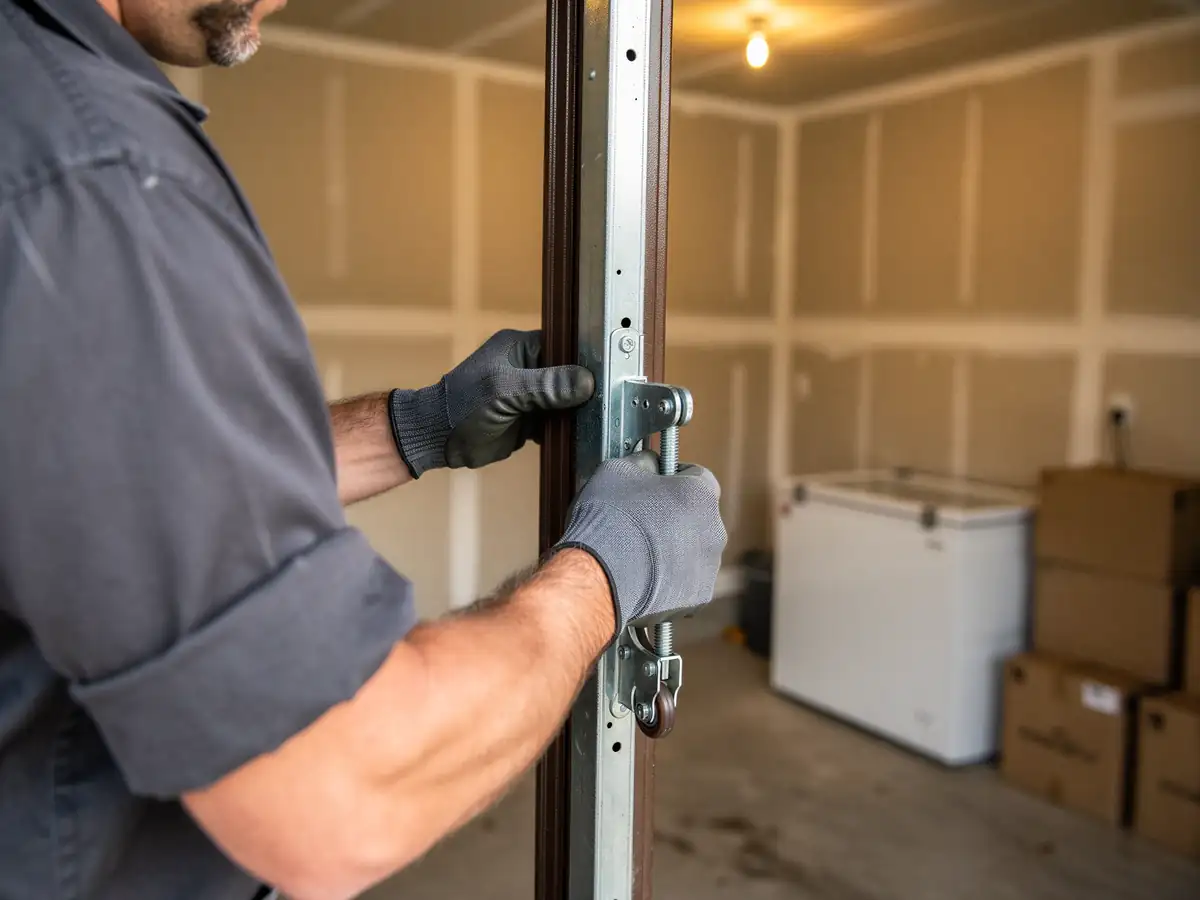
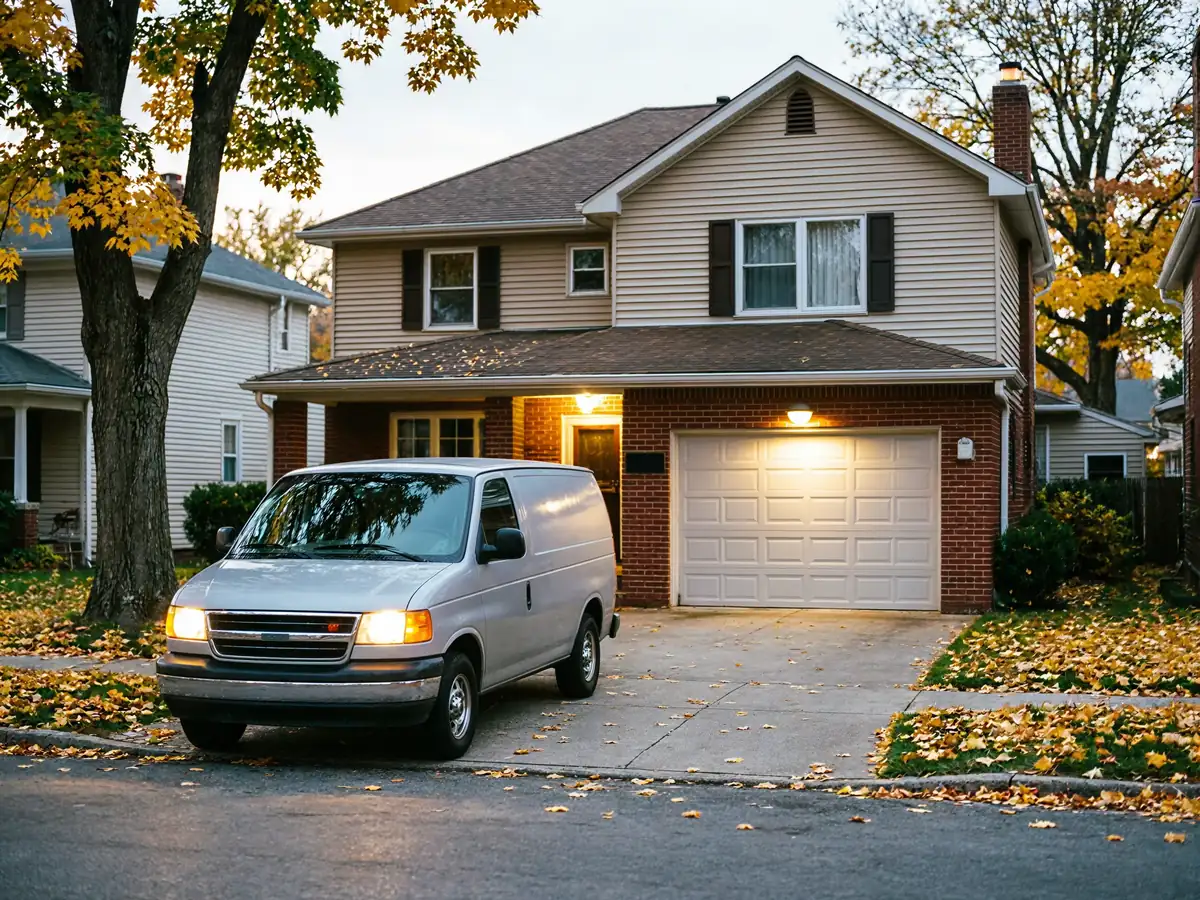
The usual assumption is that a dead opener is just a dead opener - swap the logic board or the motor and move on. In this service area that assumption misses the bigger issue. Most houses here went up between 1938 and 1988, with the typical home dating to 1954, and a lot of that stock still carries door hardware and headroom clearances sized for openers from decades ago. When a homeowner bolts a modern opener onto an old track and jamb setup without checking the fit, the opener strains, trips its own safety limits, or burns out early - and it looks like a bad unit when the real problem is a mismatch between new electronics and old carpentry. The other mistake is treating the opener as a stand-alone appliance instead of part of a system that includes the spring, the track, and the power feed to the garage. If the spring is tired and the door is heavy, the opener works harder every cycle, whether it's five years old or fifteen. We're not saying every call is a hardware mismatch - plenty are a simple burned-out motor - but on a house from this era it's worth ruling out before you replace a part that wasn't the problem.
How Local Conditions Play In
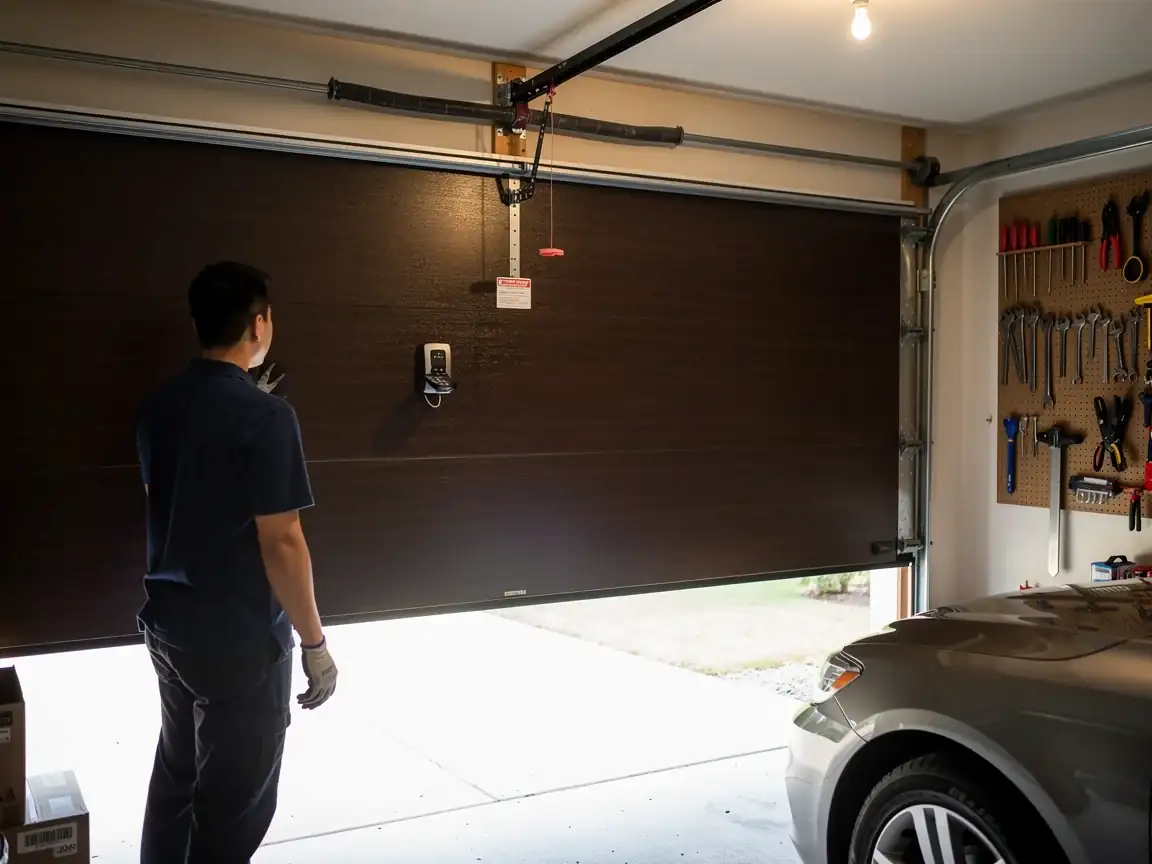
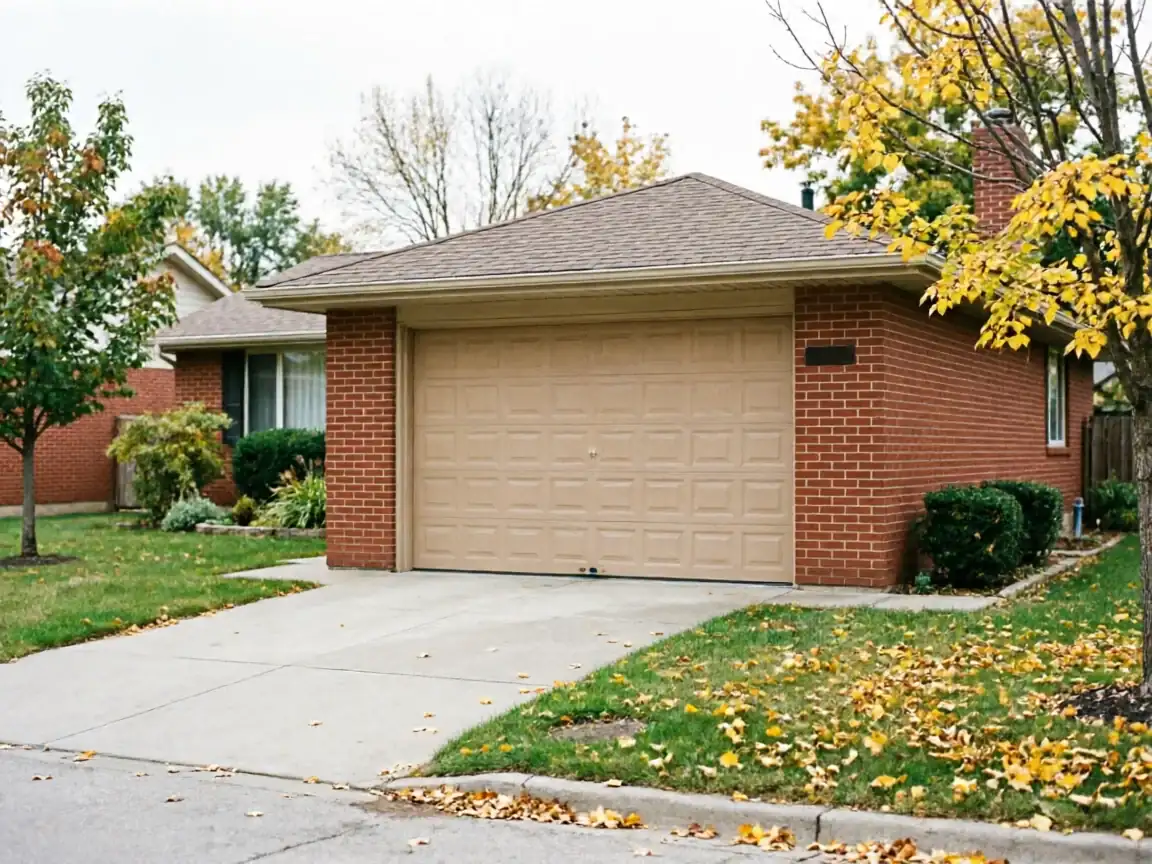
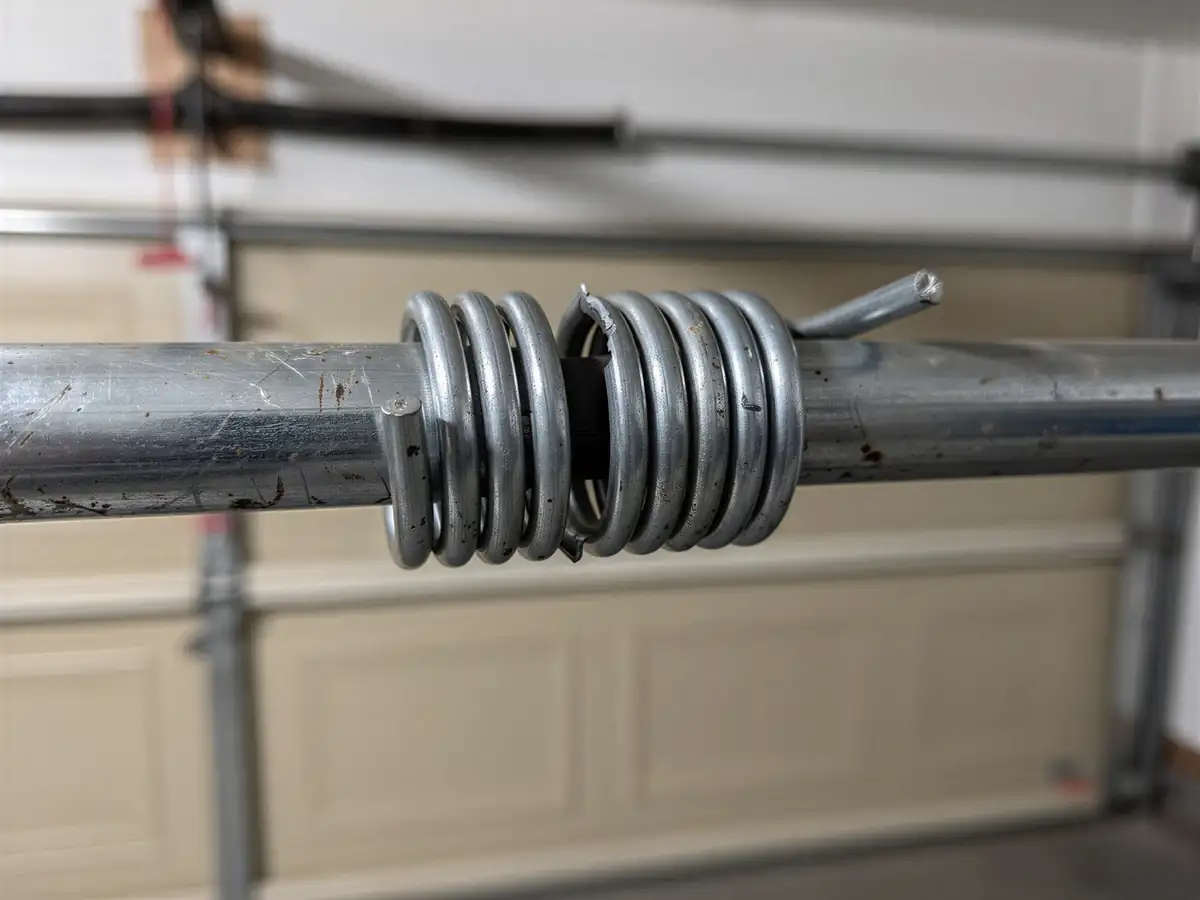
Jackson sits in a COLD severe climate band, where winter power cuts are common enough that an opener without battery backup can leave a door stuck shut - or stuck open - for days at a time. On a mid-1950s house, that's often paired with a steel door and a chain-drive opener that was never built with a backup battery in the first place, since that feature didn't exist when the unit went in. Cold also makes grease stiffen and metal contract, so a spring that was marginal in October can bind or snap in January, and it usually happens on the coldest morning of the year, not a mild one. None of this is dramatic - it's mechanical wear meeting a predictable seasonal stress. The practical response isn't a different opener brand, it's matching the opener's features to what the climate actually demands: a battery backup if outages are a real risk for that household, and a spring sized for the door's actual weight rather than whatever shipped with the house in 1954.
Doing Nothing For Now
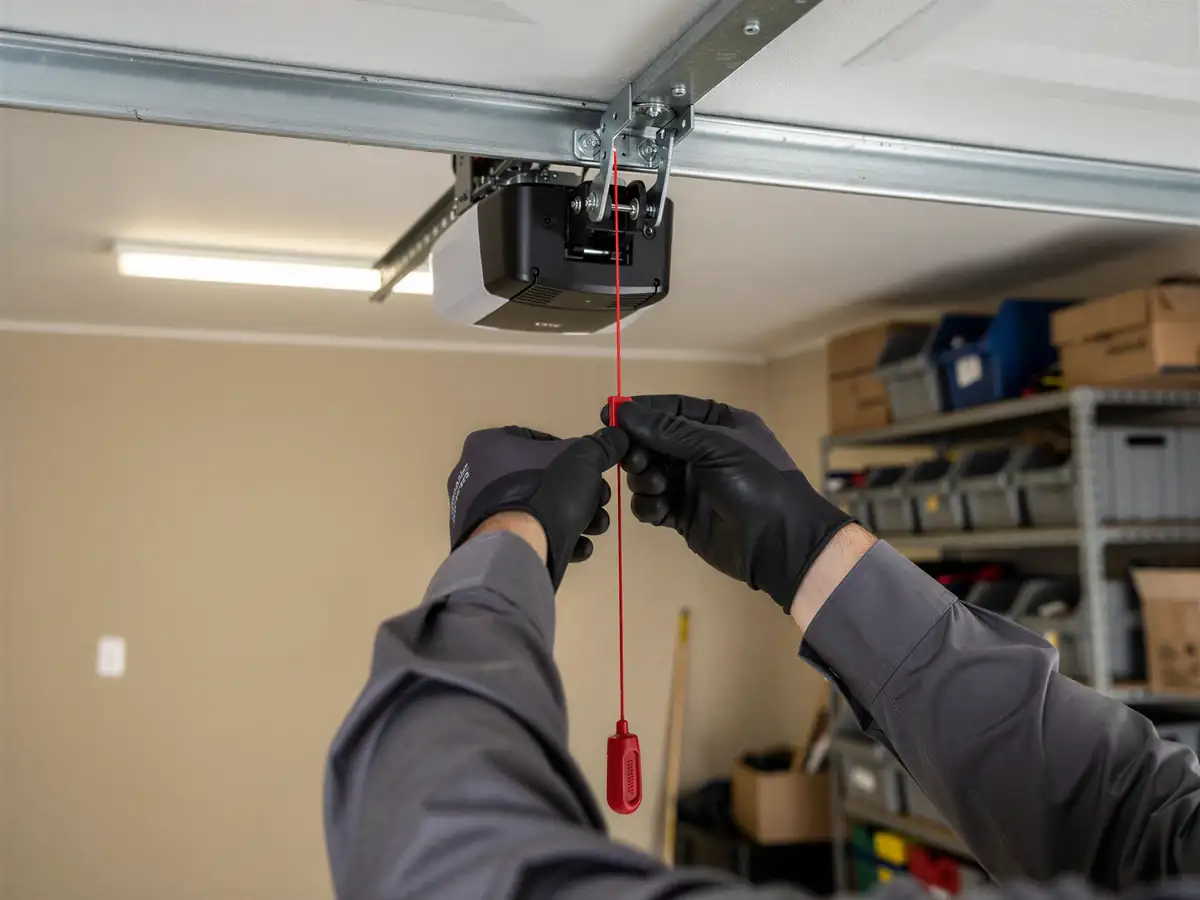
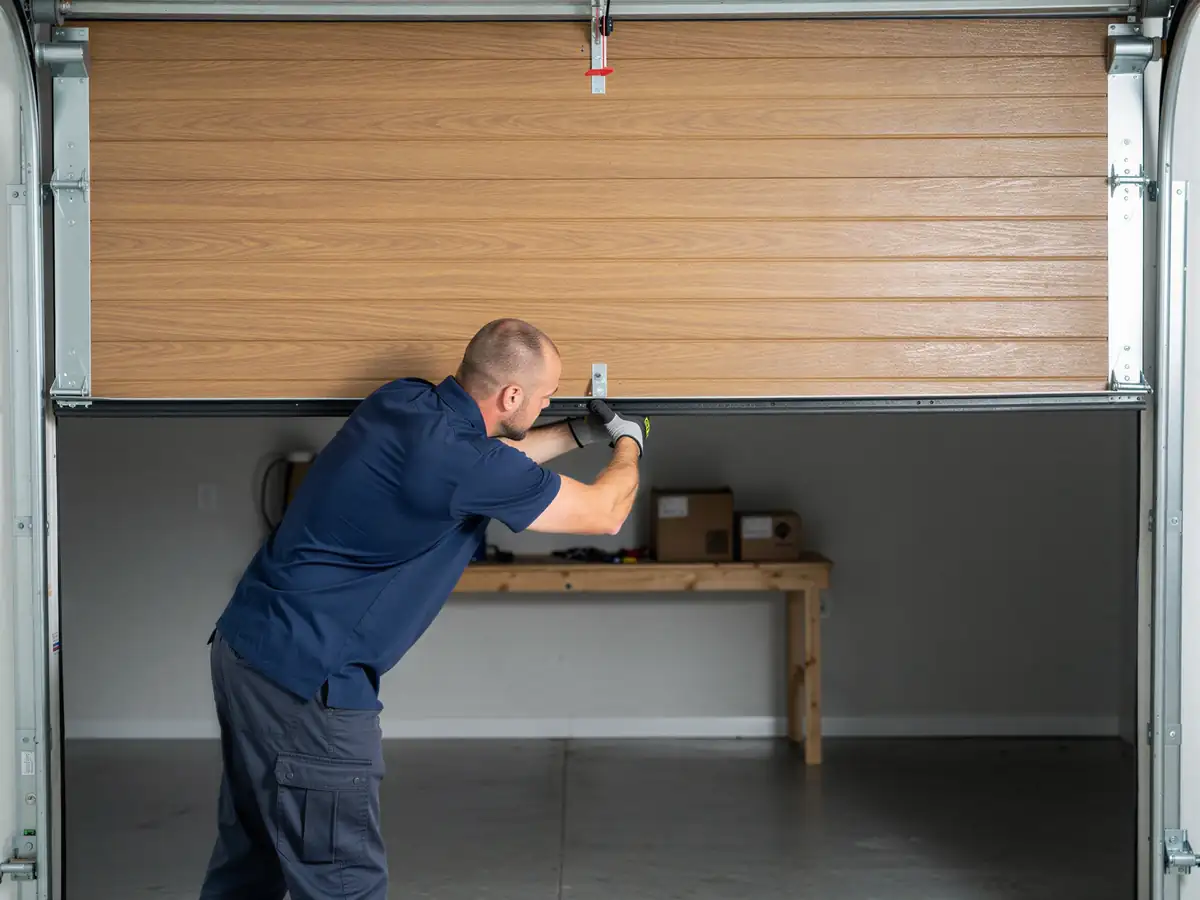
If your opener is working and your door balances and closes evenly, there's no reason to replace it ahead of schedule just because the house is old. Waiting makes sense when the unit still runs fine on manual override during a power cut and the spring shows no sag or uneven tension. Where waiting stops making sense is when the opener has already failed once in cold weather, or when you don't know whether it has battery backup and you live somewhere outages aren't rare. We'll say plainly: we don't stock every opener model for every house, and a part for an older chain-drive unit can take longer to get than a same-day repair on a newer belt-drive. If that lead time doesn't work for your situation, replacement with a current model is usually the faster path, not a sales pitch - just the honest tradeoff on parts availability for older gear.