What Most People Get Wrong
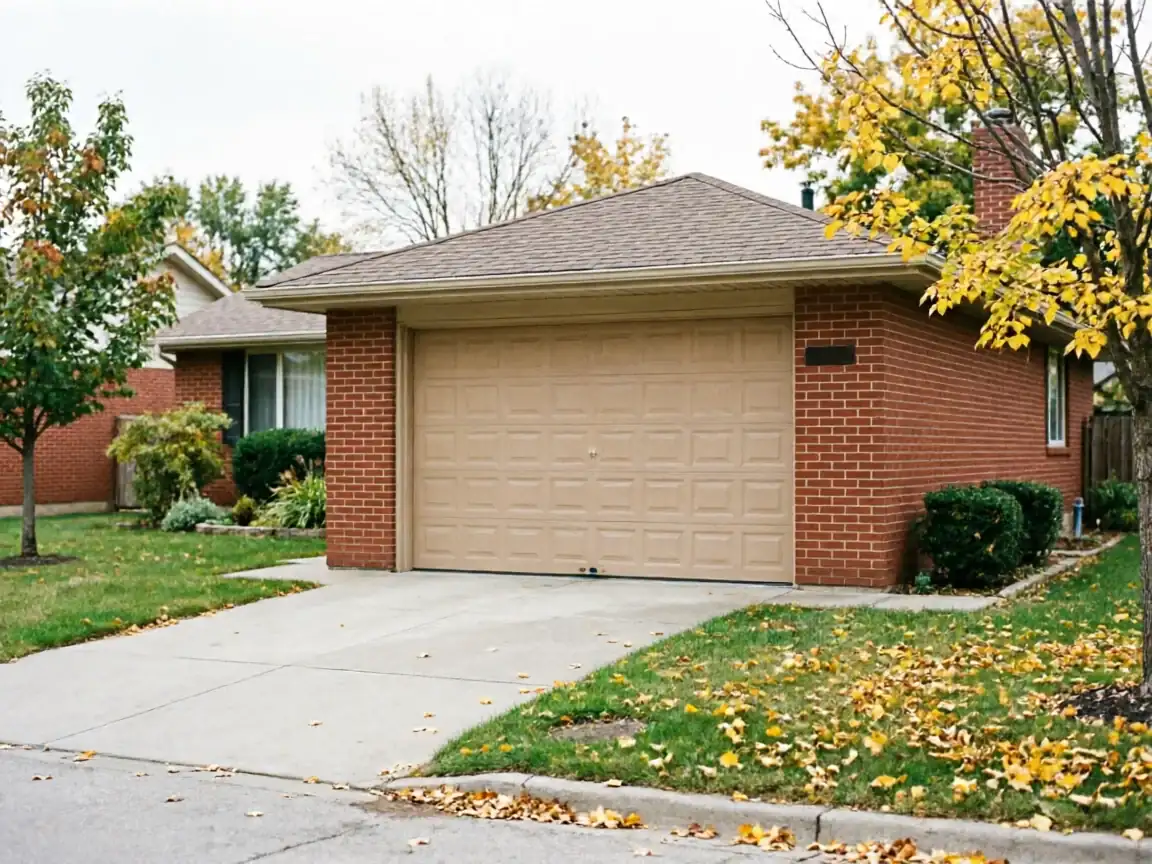
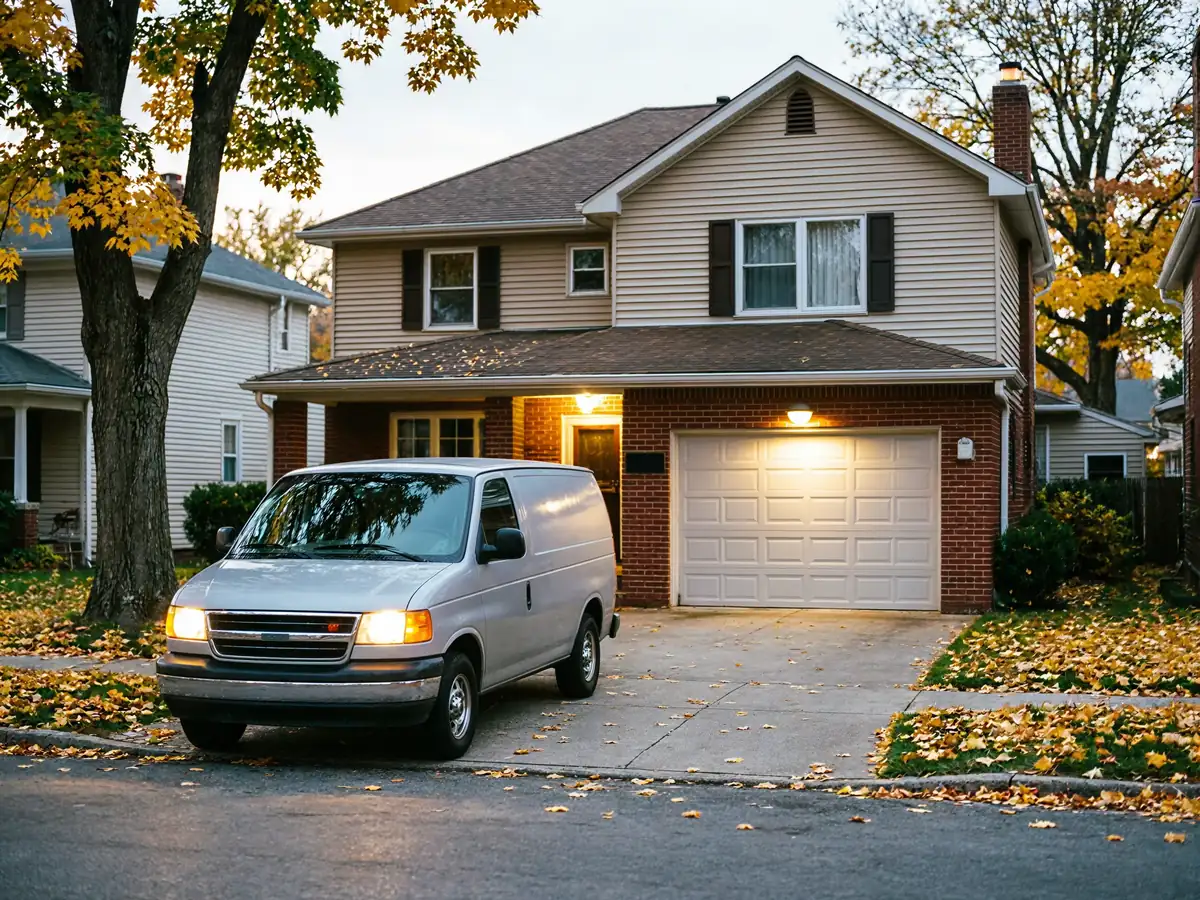
The usual mistake is treating a garage door call like it's the same job everywhere. It isn't, not around here. Housing in the Jackson service area runs from 1938 to 1988, with the median house landing around 1954, and across the nineteen communities we cover the stock is mostly pre-1960. That's not a trivia point - it's the reason a stock replacement door sometimes doesn't bolt up the way the catalog says it will.
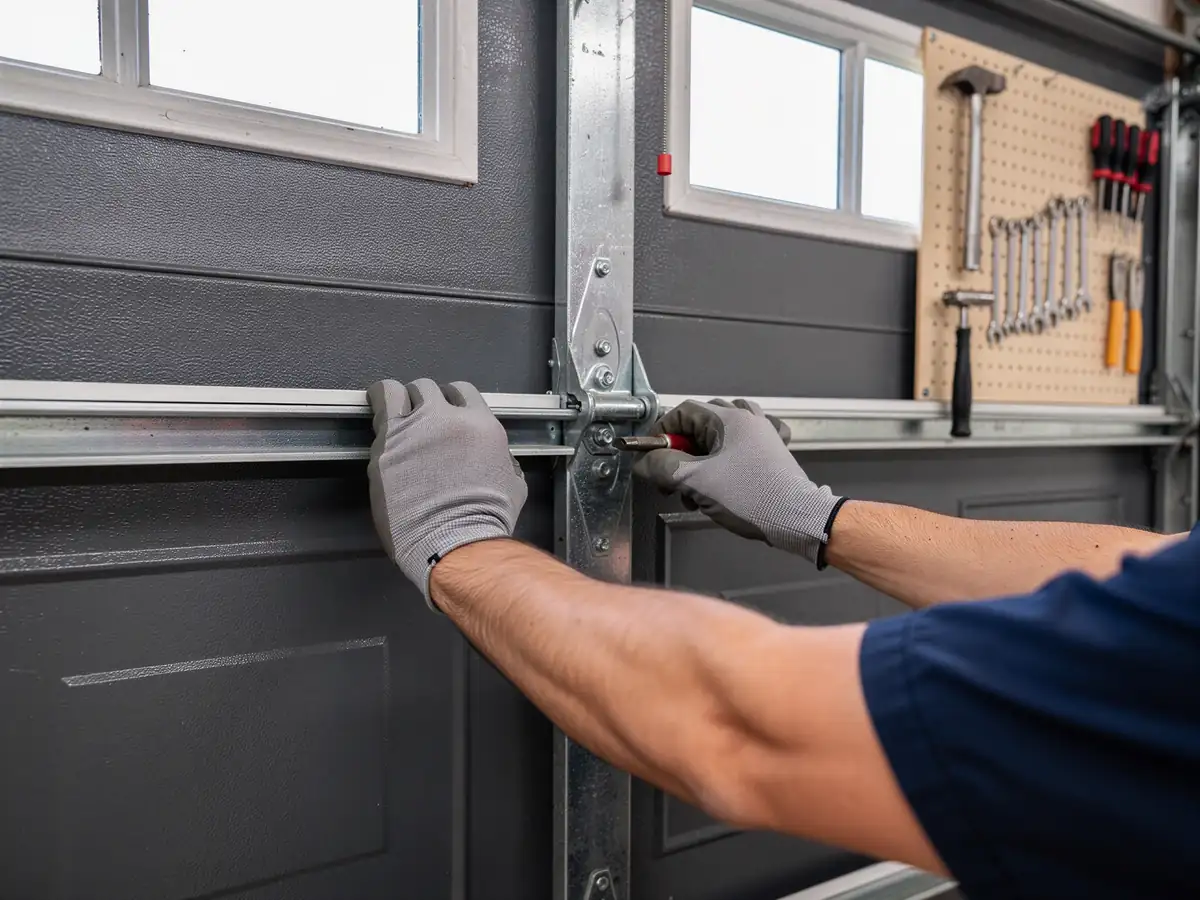
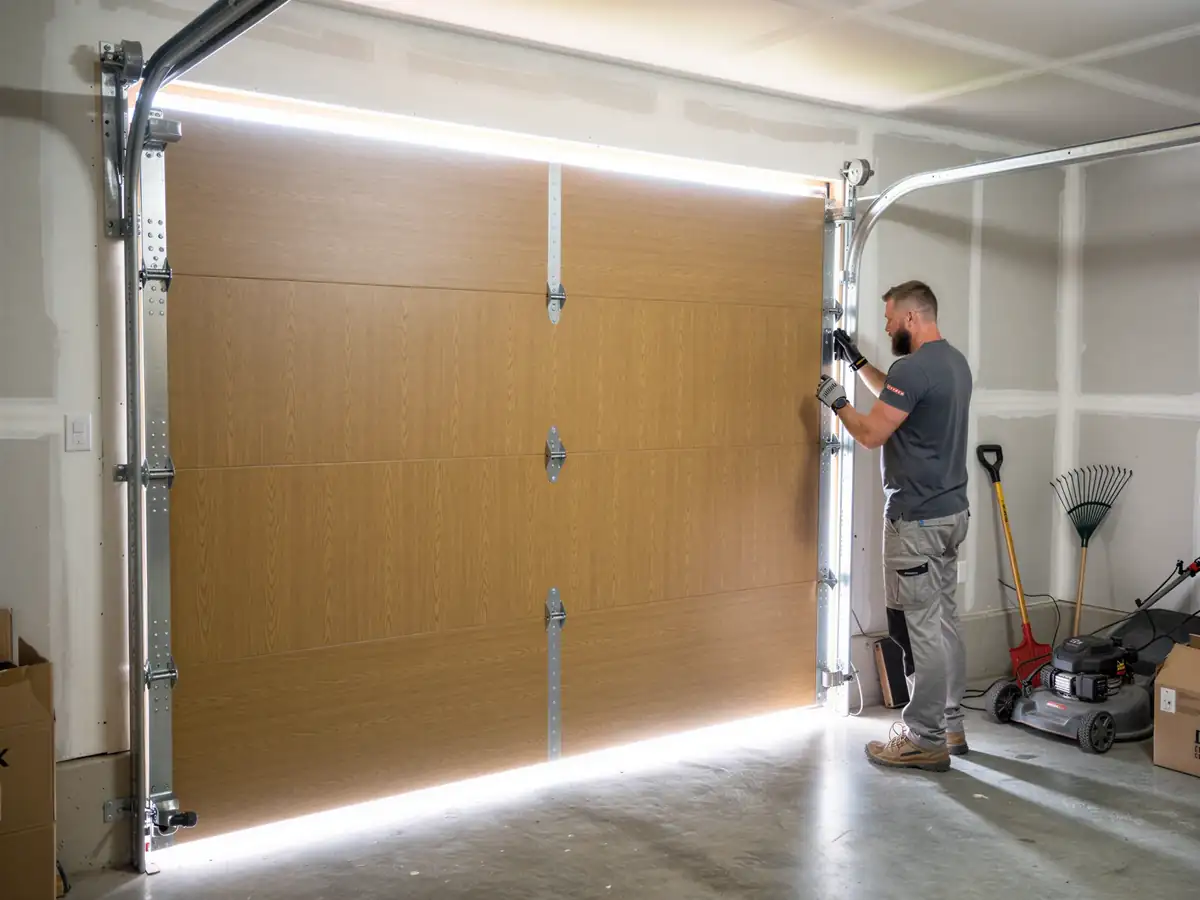
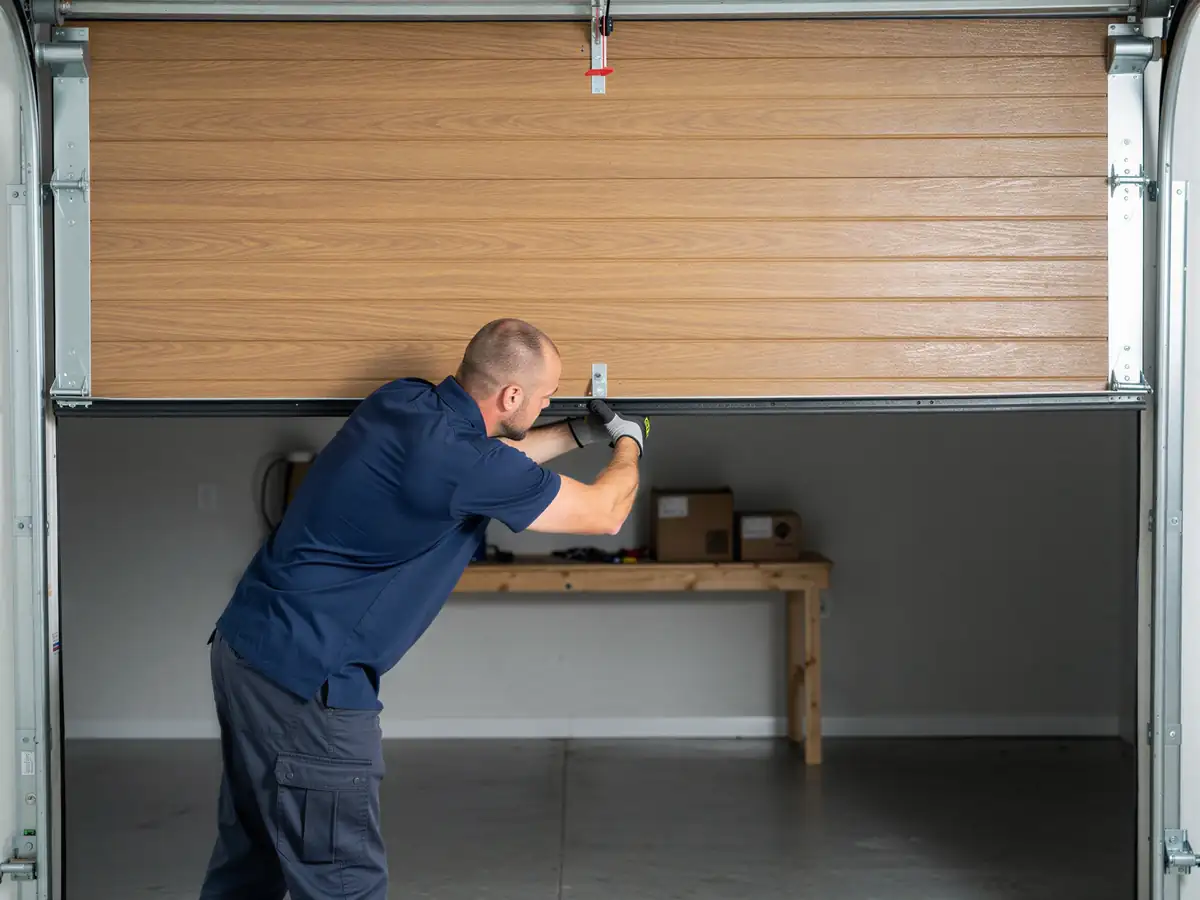
Header height, track clearance, and the spacing of the original framing in a house from the 1950s were set by builders working to a code that no longer exists. A door panel sized for a modern opening can need the jamb reframed before it will seat right on an older house. Homeowners who order online off a measurement tape, without checking the header and the track run against what's actually there, end up with a door that doesn't close square or a spring system fighting hardware it was never matched to.
The other common error: assuming a noisy door just needs oil. On a house this age, noise is often the track or the hardware having shifted slightly over seventy years of settling, and oil just masks it for a month.
The Situation
Jackson's service area has 14,232 households and 9,872 owner-occupied houses
With a median household income of $65,349. That's the group actually paying these repair bills, and it skews toward people who want a fix that lasts, not a patch every spring.
- 14,232 households
- 9,872 owner-occupied
- $65,349 median household income
The age of the stock matters because garage doors and their hardware have a working life
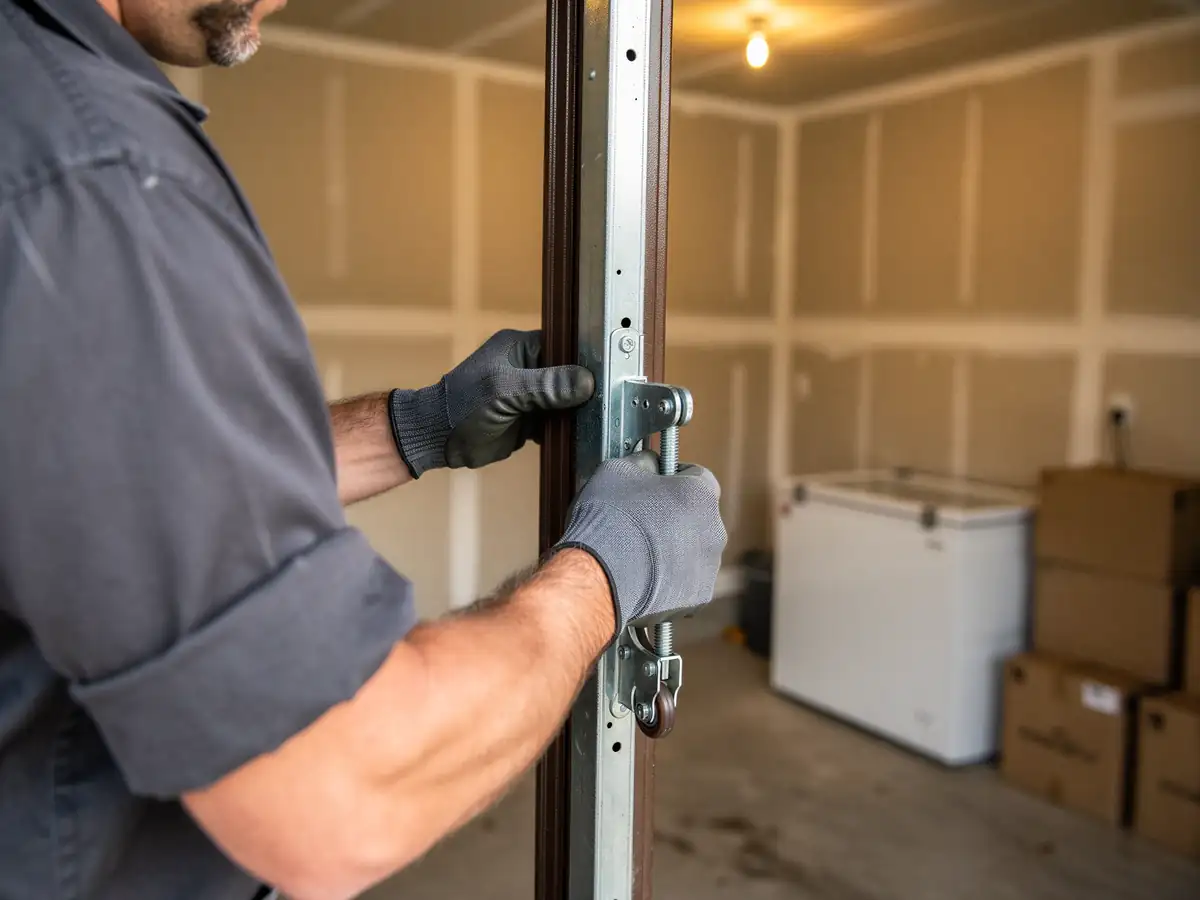
And a lot of these houses have outlasted at least one door generation already. A one-piece door on side-mounted torsion hardware, common on houses from this era, uses parts that current manufacturers don't stock on the truck the way they stock modern extension or torsion-spring kits. Finding the right spring or roller for an original setup sometimes takes more digging than swapping a part on a ten-year-old door.
We work this same housing pattern across the towns near Jackson
Vandercook Lake, Michigan Center, Parma, Spring Arbor, Napoleon, Brooklyn, Hanover, Concord, Leslie, Springport, Addison, Stockbridge, Albion, Onsted, North Adams, and Manchester. The build eras repeat from one of these towns to the next, so the same diagnosis - old hardware fighting a newer door, or an opening that was never squared to begin with - shows up again and again, not as a one-off.
How Local Conditions Play In
Jackson sits in a cold-severe climate band. That matters more on an older house than a new one, because the original garage structure on a 1950s build was rarely insulated to anything close to what's standard now, and the door itself often wasn't either.
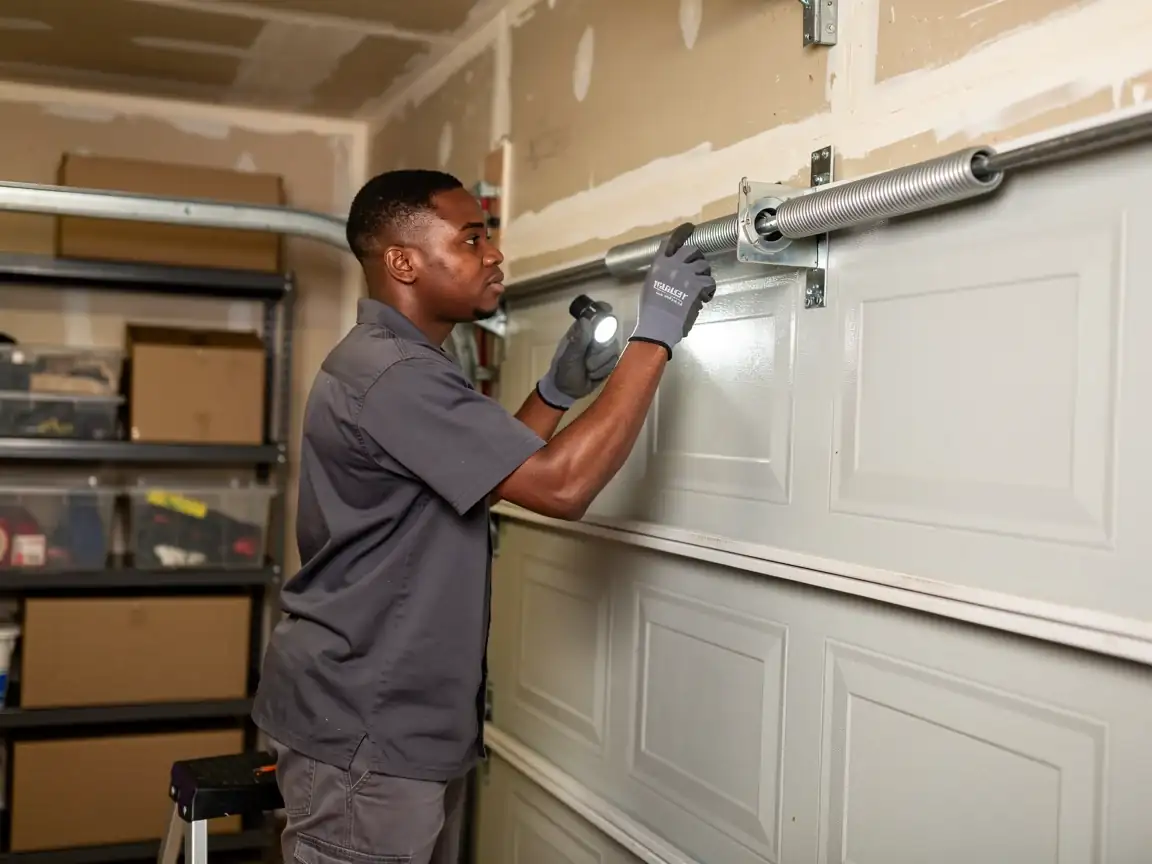
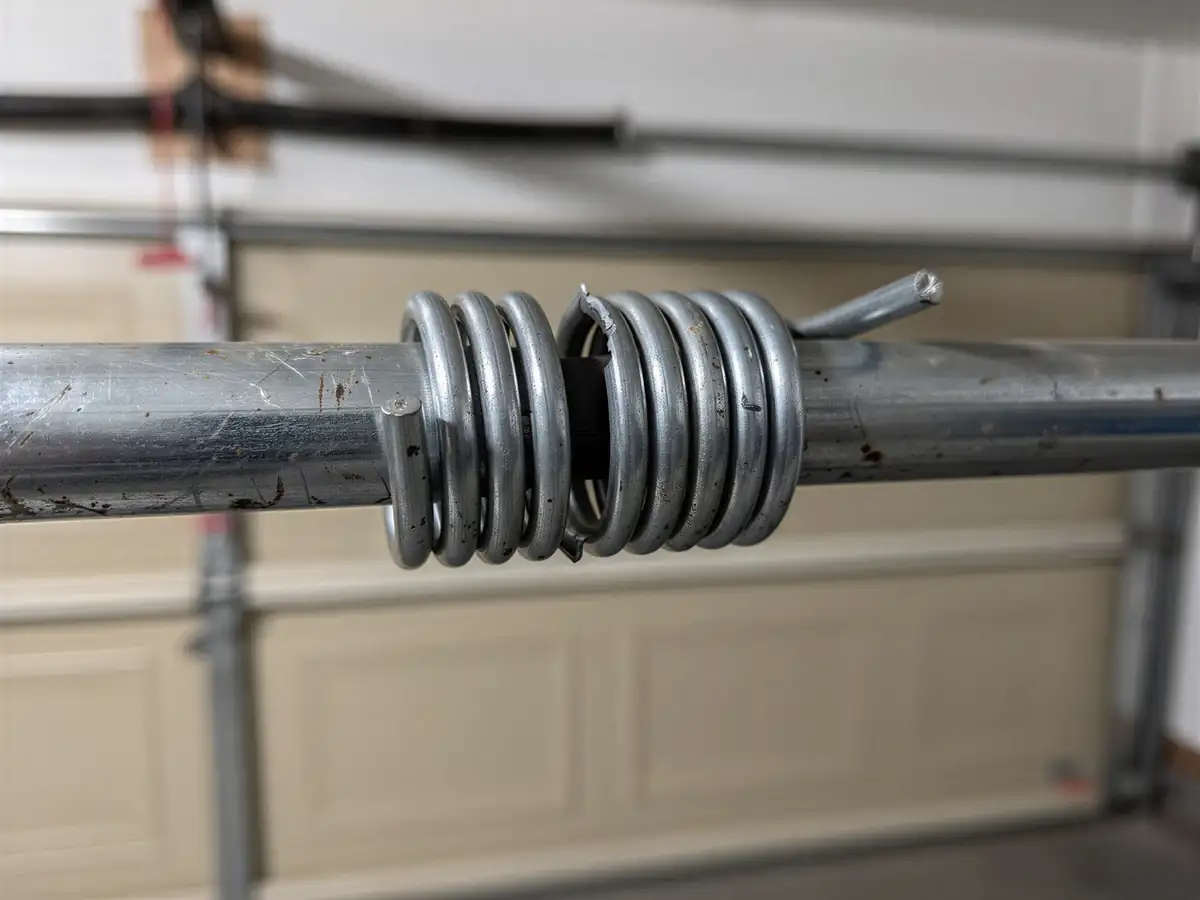
Cold steel contracts. On a torsion spring that's forty, fifty, sixty years old, repeated hard temperature swings fatigue the metal faster than they would in a milder climate, and a spring that's already near the end of its life is more likely to let go on a sub-zero morning than a mild one. Nylon rollers stiffen and crack in the cold too, and on an older track that's slightly out of alignment already, a stiff roller binds harder and strains the opener motor.
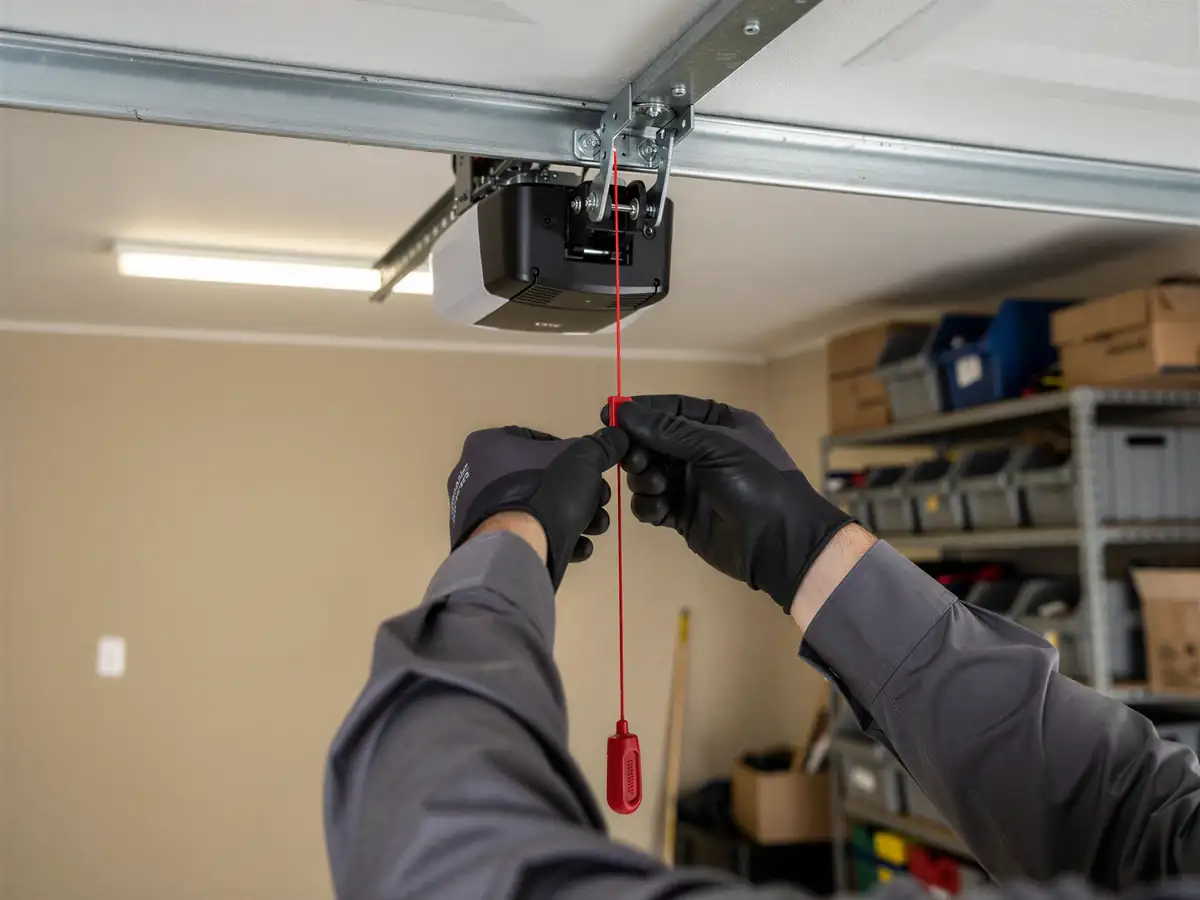
Openers themselves show it: a chain-drive unit installed decades ago, in an unheated or under-insulated garage bay, works harder every winter than the spec sheet assumed. None of this is unique to any one house - it's the pattern you get when old hardware and a cold climate band meet, winter after winter, and it's why a spring failure call here tends to cluster in the coldest stretch of the season rather than spreading evenly across the year.
Doing Nothing For Now
Sometimes the right call is to wait, and we'll say so. If a door on an older house is working, closing square, and the spring isn't showing visible wear - frayed cable strands, a gap in the coil, rust pitting - there's no reason to replace it just because of its age. Age alone isn't a failure.
Where we draw the line: if the opening itself was never squared, or if hardware from one era has been mixed with parts from another over the years, patch repairs stop being worth the labor. At that point, matching old parts piece by piece usually costs more over a year or two than reframing and replacing the whole assembly once.
Here's the honest limit on our end - we don't stock every obsolete part for a seventy-year-old torsion setup on the truck, and some original hardware takes a special order to source. If your door needs one of those parts, we'll tell you that up front rather than quote a same-day fix we can't deliver. That's a smaller job than it sounds, and it's better to hear it now than after a truck roll.