Can You Do This Yourself
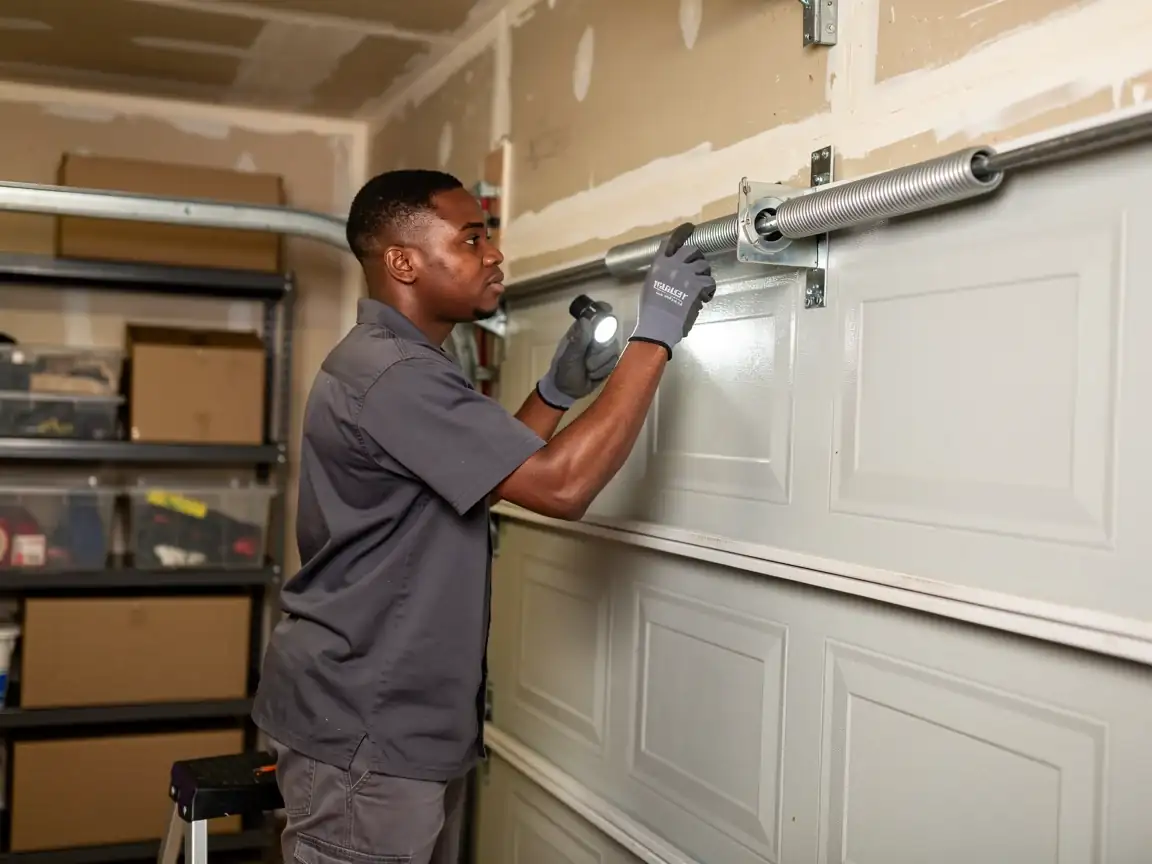
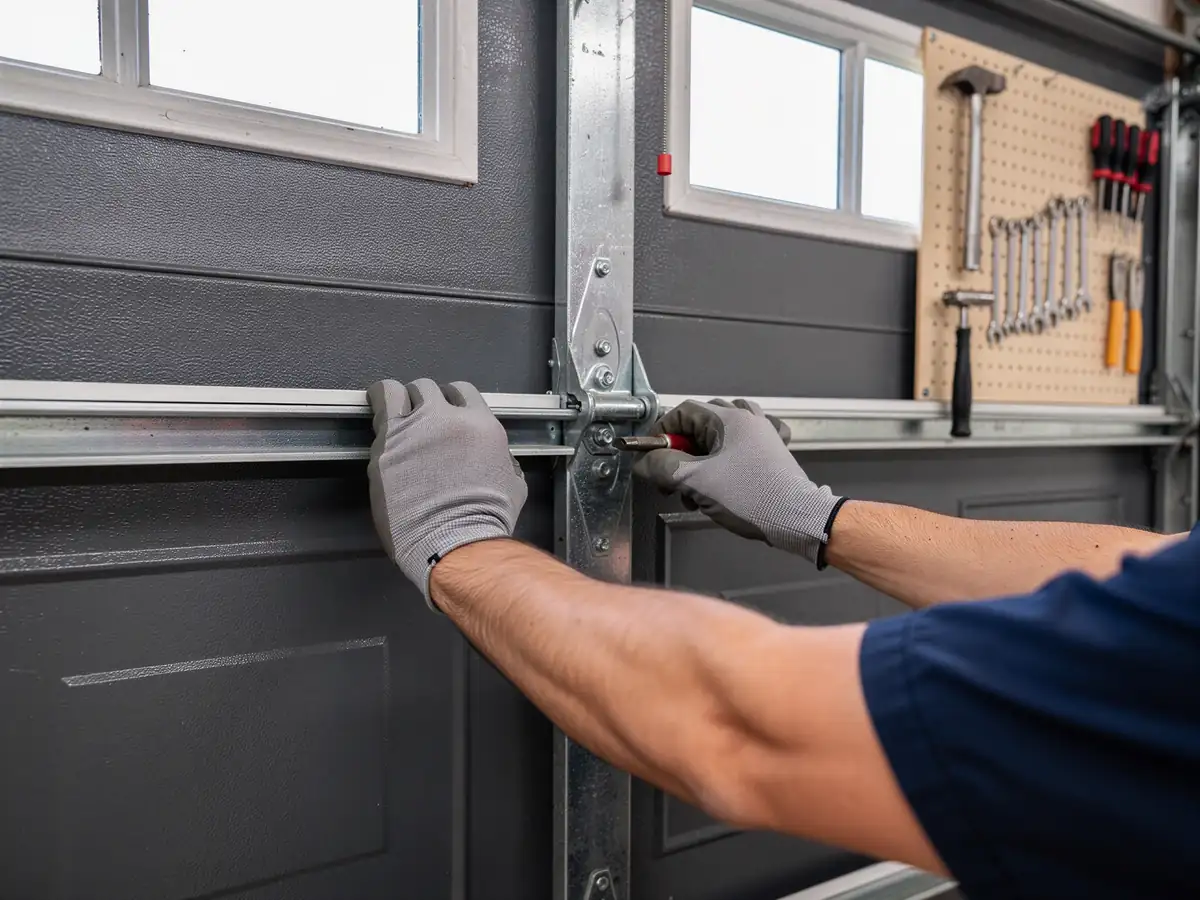
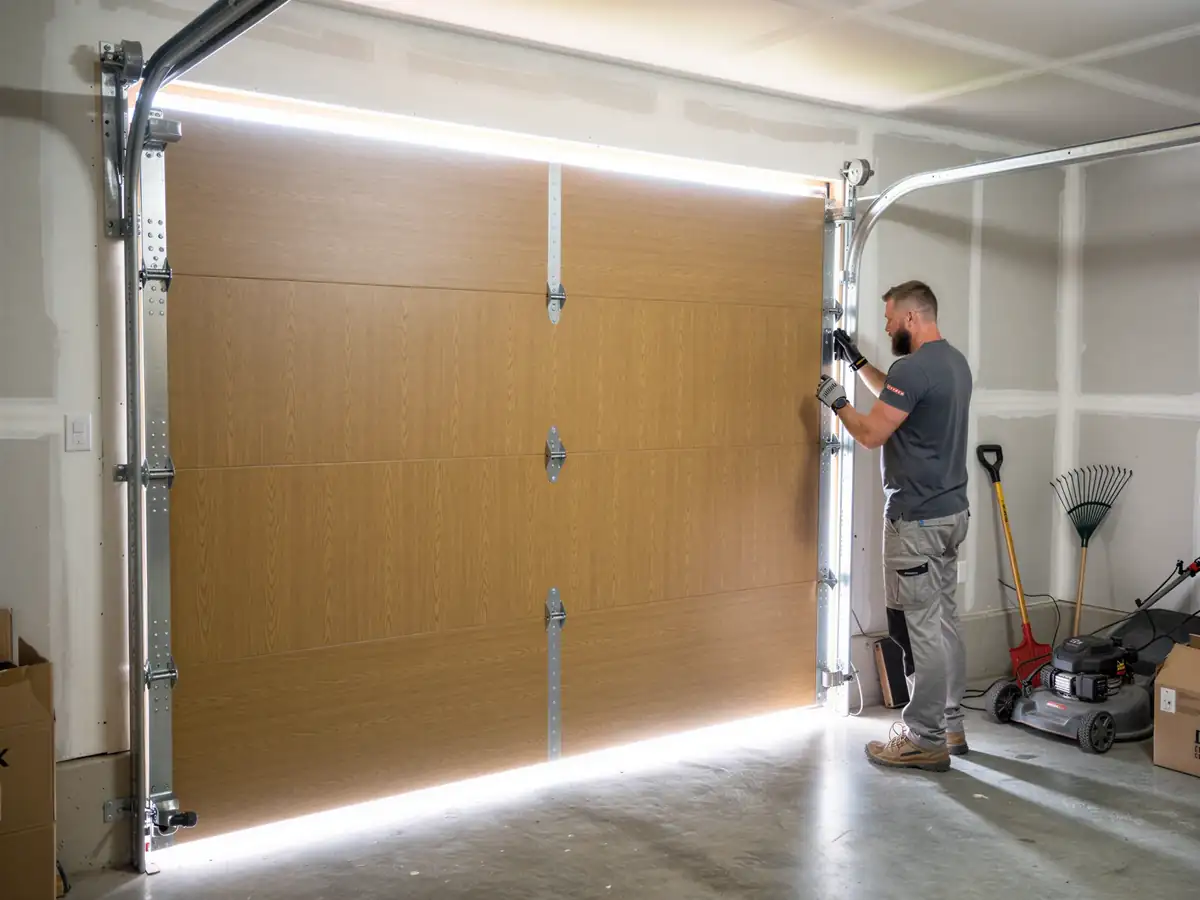
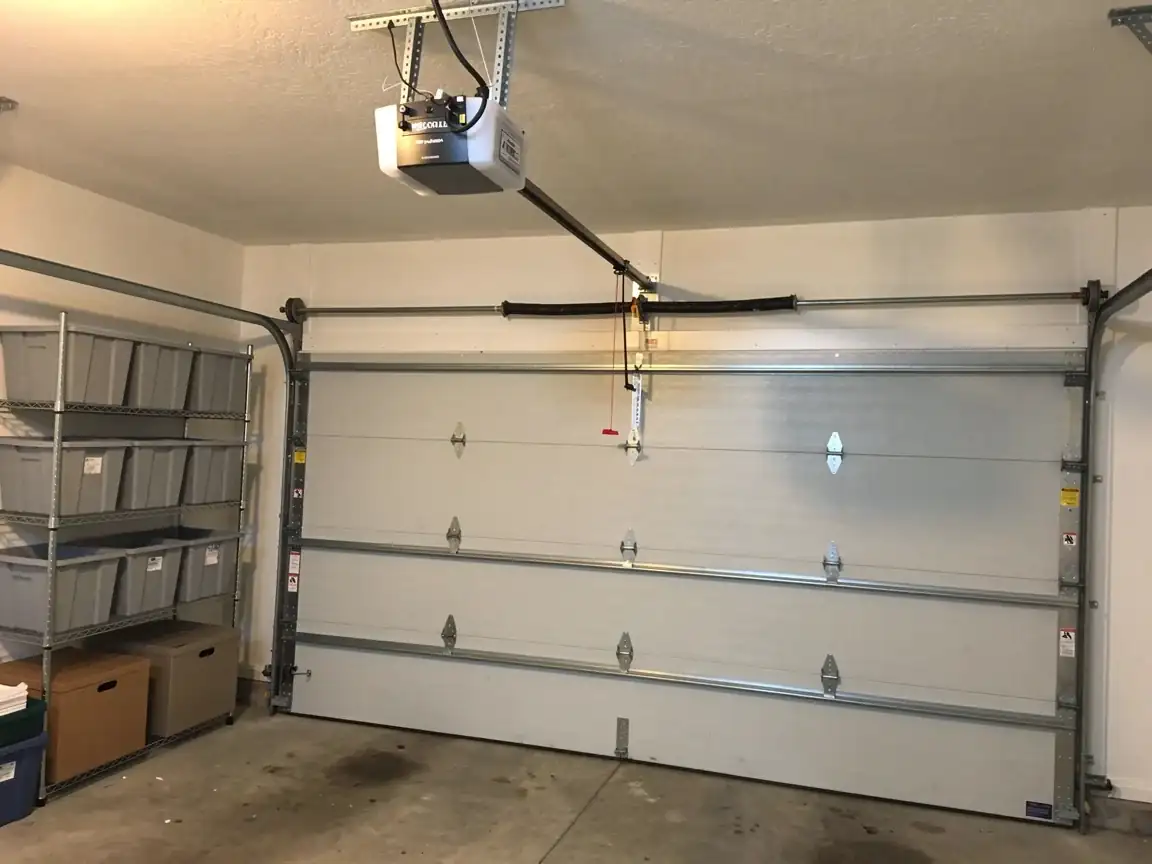
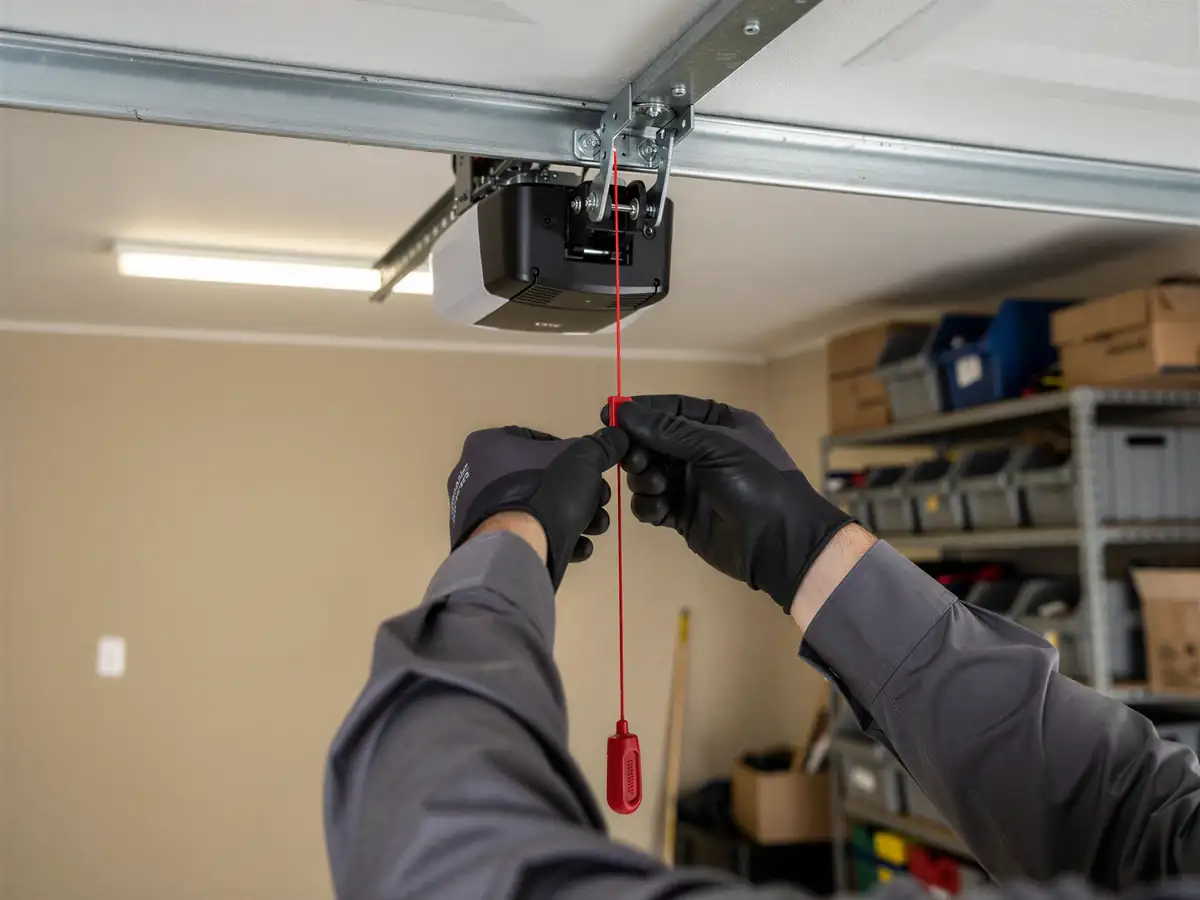
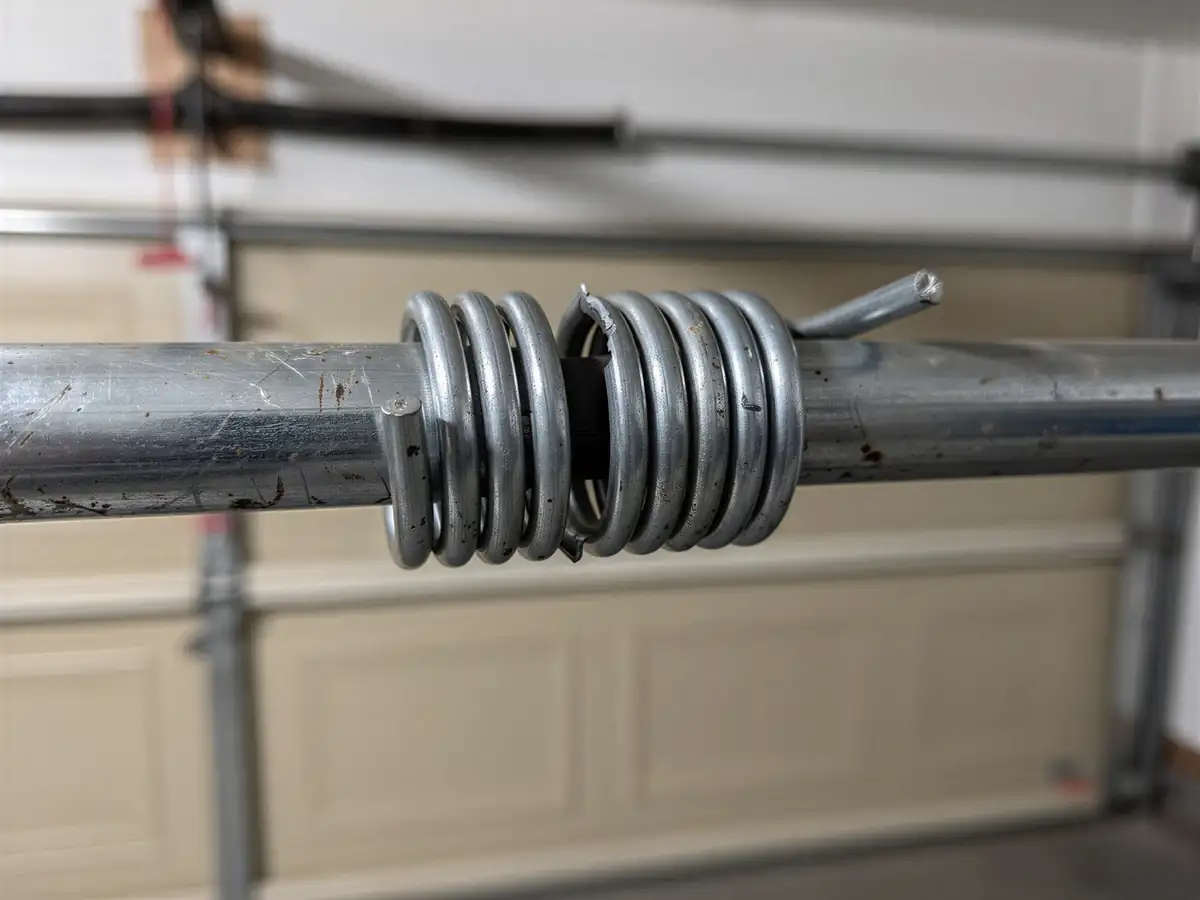
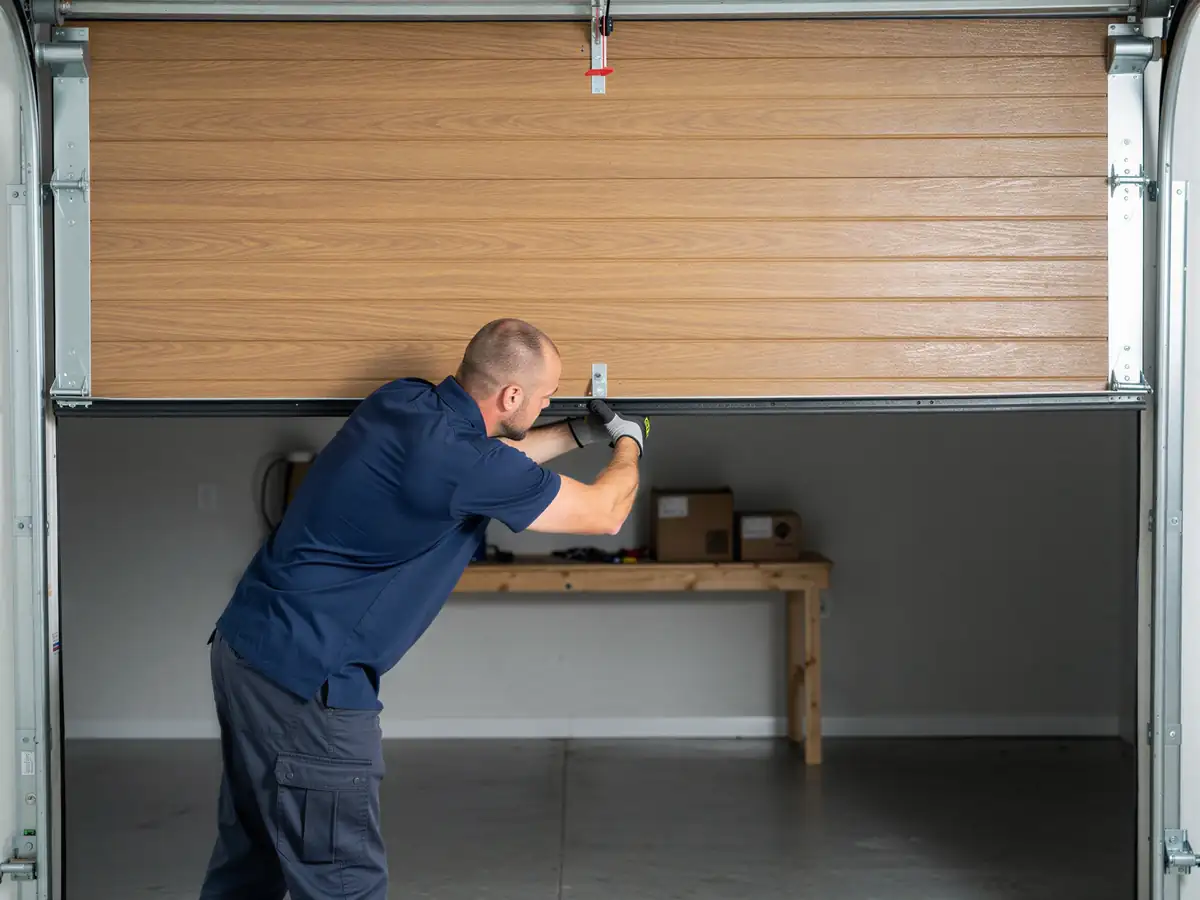
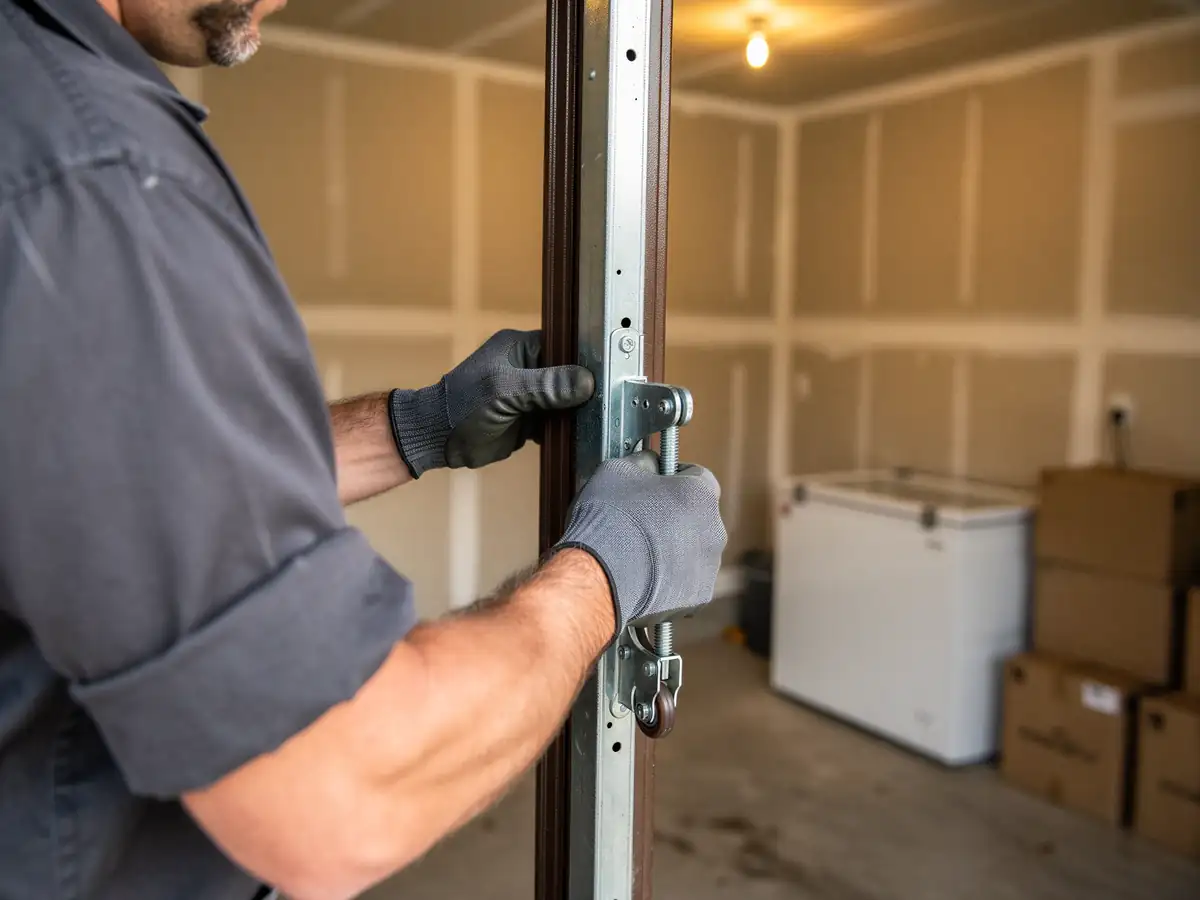
If a panel has jumped a roller and the door is still roughly square in the opening, you can sometimes walk it back onto the track with the door most of the way down and the opener disconnected. That's the limit of what's safe to try alone. Once a cable has come off the drum, a track bracket has pulled from the jamb, or the door is racked diagonally in the frame, you're not dealing with a simple nudge back into place - you're dealing with a door under spring tension that can drop or snap sideways. We won't walk a homeowner through re-tensioning a torsion spring or straightening a bent track over the phone, and we tell callers that up front. The honest answer is that most off-track calls we get involve more than the roller alone - usually a bent track section, a worn cable, or a bracket that's loosened from years of use. If the door still moves freely and nothing looks bent, it's worth a look yourself first. If it binds, grinds, or has visibly left the track by more than an inch, stop and call it in.
What It Costs
We don't post a flat number here because off-track repairs vary with what actually failed - a single bent roller and a track realignment is a different job than replacing a bowed track section or a bracket that's pulled out of the framing. What we can tell you is how we think about it on site: with median household income in the service area around $65,349 and most owners here holding onto their houses rather than flipping them, we price repairs with the expectation that you want the door fixed, not upsold into a full replacement unless the track or the door itself is actually damaged beyond repair. If the track is just bent and the door is otherwise sound, that's a repair call, not a replacement call. If the door has been forced off track more than once, or the opening itself has shifted with the house, we'll tell you that too, even if it's not what you wanted to hear.
How It Shows Up
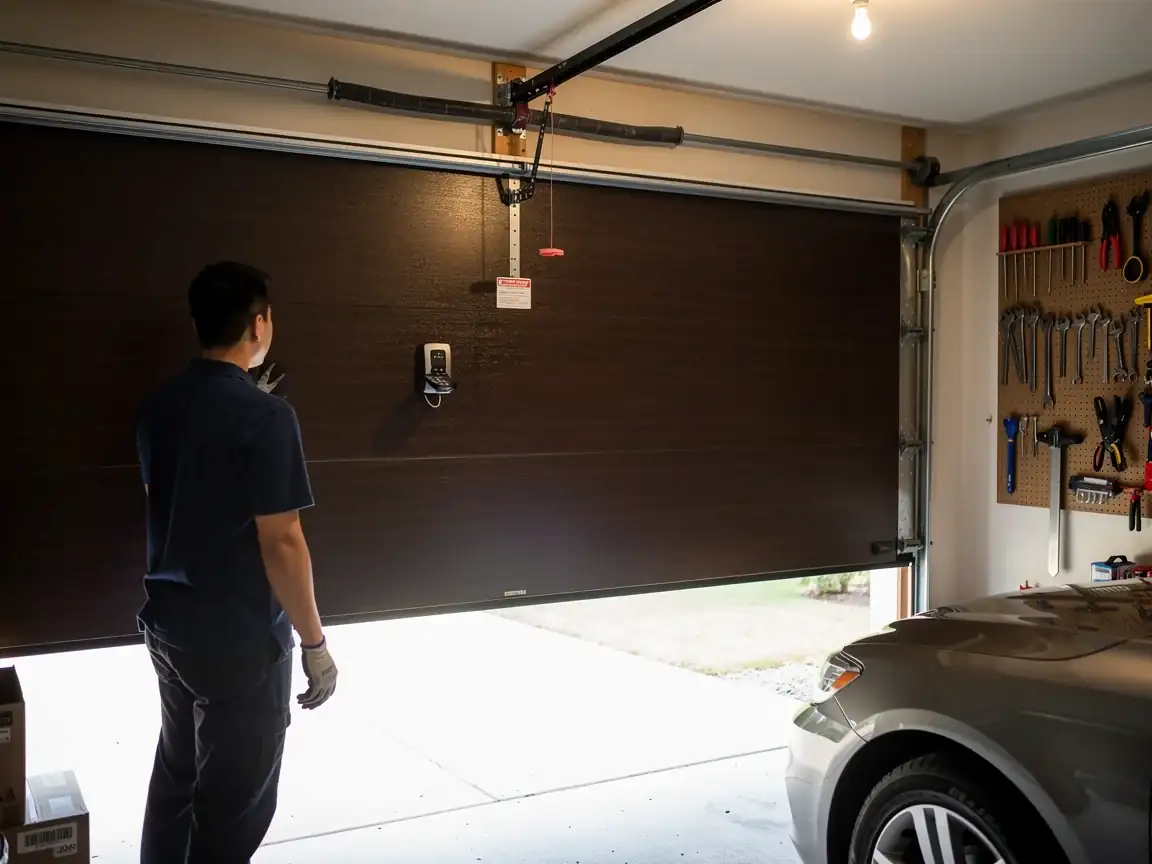
The most common version we see is a door that looks fine standing still but makes a new grinding or popping sound partway through its travel, usually near the top of the opening where the curve into the horizontal track puts the most lateral load on a roller. Some owners notice a gap between the bottom panel and the track on one side, a couple inches of daylight where there shouldn't be any. Others just notice the opener straining - more time to close, a louder motor note - before anything visibly moves. In colder months this often announces itself first thing in the morning, when the door's stiff from the overnight cold and a roller that's already riding loose in a slightly bent track finally gives up the track entirely. If your door has started doing any of this intermittently rather than failing outright, that's usually the early stage of the same problem, not a separate issue.