What Most People Get Wrong
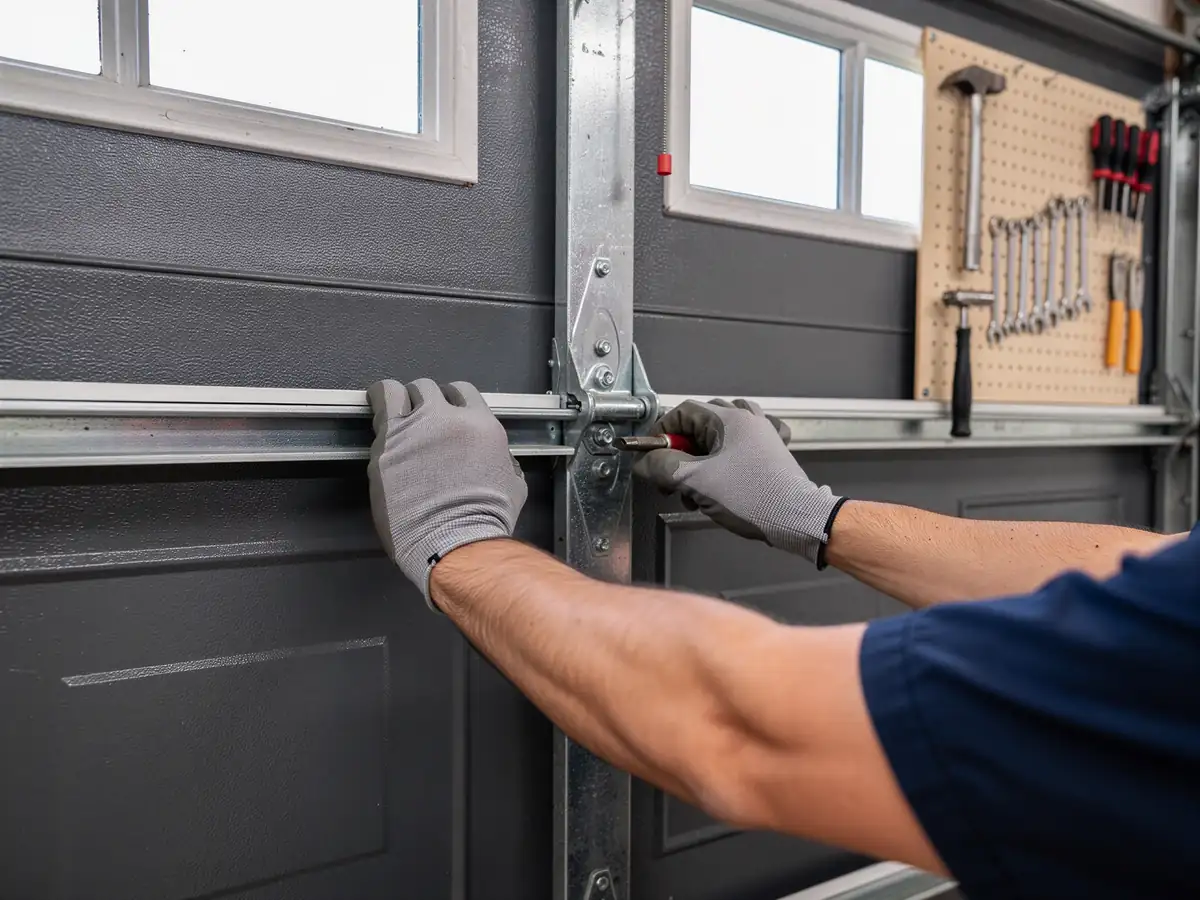
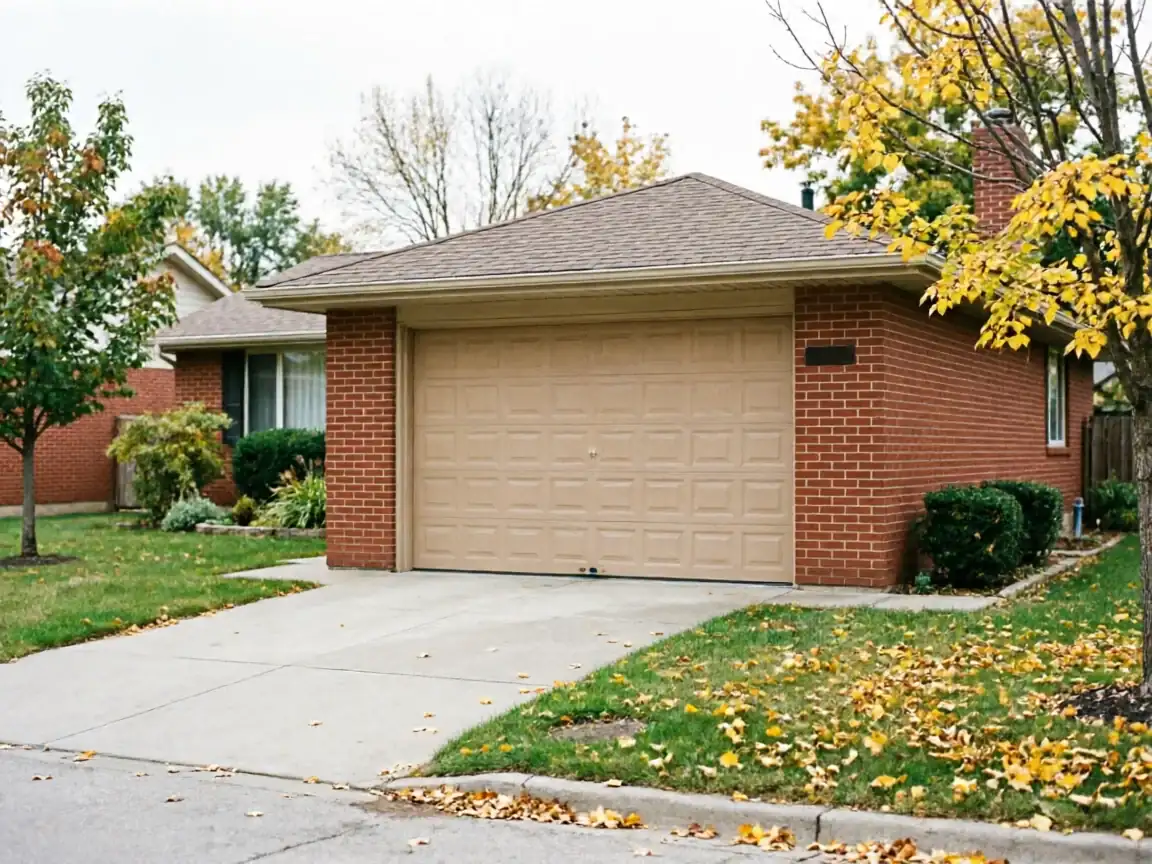
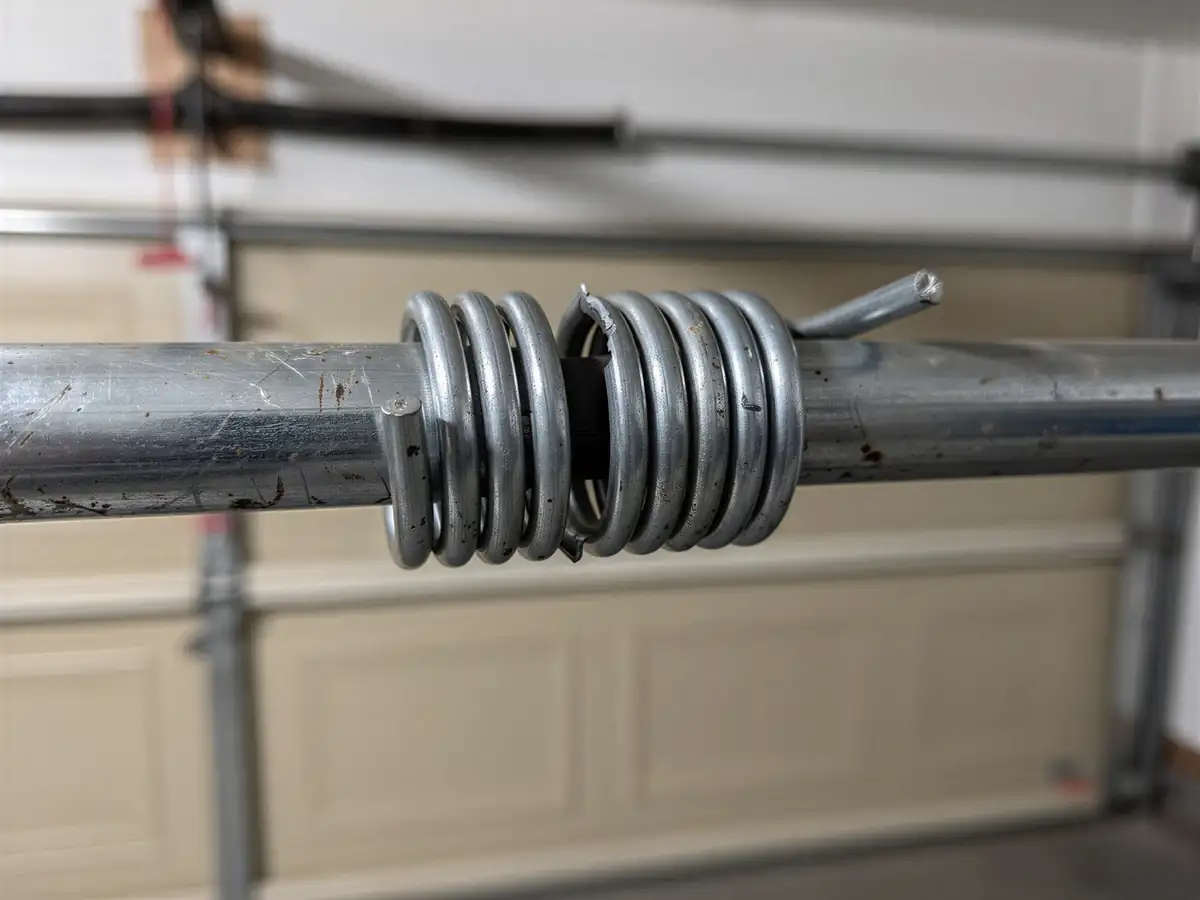
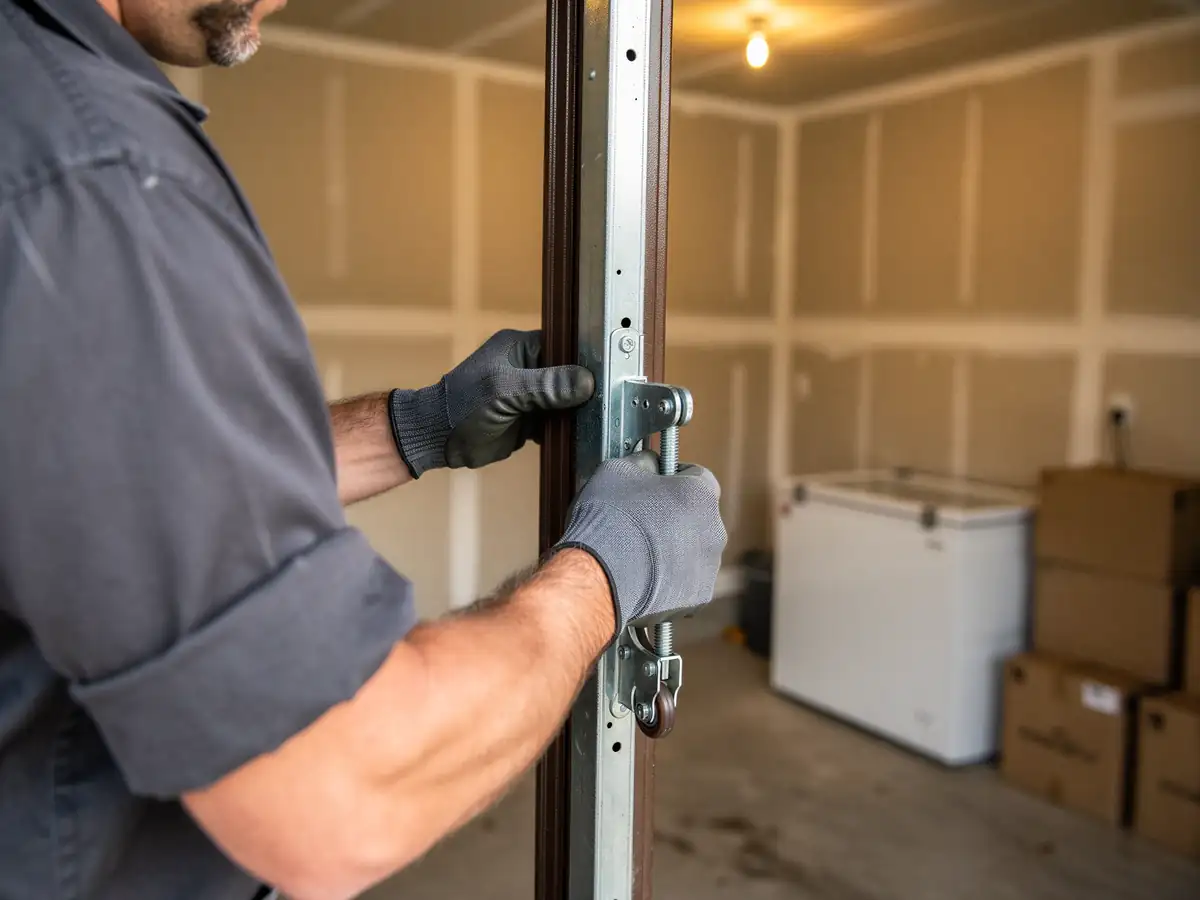
Most homeowners assume a noisy garage door just needs oil, and sometimes that's true. But across the Jackson area, where housing was mostly built between 1938 and 1988 with a median build year around 1954, the noise is more often a symptom of original hardware finally giving out after six or seven decades of cycles. A grinding sound on a door installed when Eisenhower was president isn't the same problem as a squeak on a door from 2015. People spray silicone on everything and call it fixed, when the real issue is a roller that's worn oval, a bearing plate that's cracked, or a spring that's stretched past its rated cycle count. The age of the housing stock in this area means a lot of doors are running on hardware nobody manufactures anymore, so a quick fix today can mask a part that's about to fail outright. Treating every noise the same way - as a lubrication problem - is how a $20 fix turns into an after-hours spring call in January.
How Local Conditions Play In
Jackson sits in a cold, severe climate band, and that changes what a noise means depending on the month. Steel contracts in the cold, which tightens tolerances that were already loose from age - a door that ran quiet in August can start grinding in January simply because the metal shrank around a worn roller or a track that's a hair out of plumb. Lubricant that worked fine in summer can thicken or go tacky in deep cold, turning a smooth roll into a stick-and-release chatter. On older doors with original torsion springs, cold also makes the steel more brittle, so a spring that's been groaning for weeks is more likely to let go on a frigid morning than a mild one. That's the pattern we see: noise complaints climb with the first hard cold snap, not because anything suddenly broke, but because winter exposes what summer was hiding.
Doing Nothing For Now
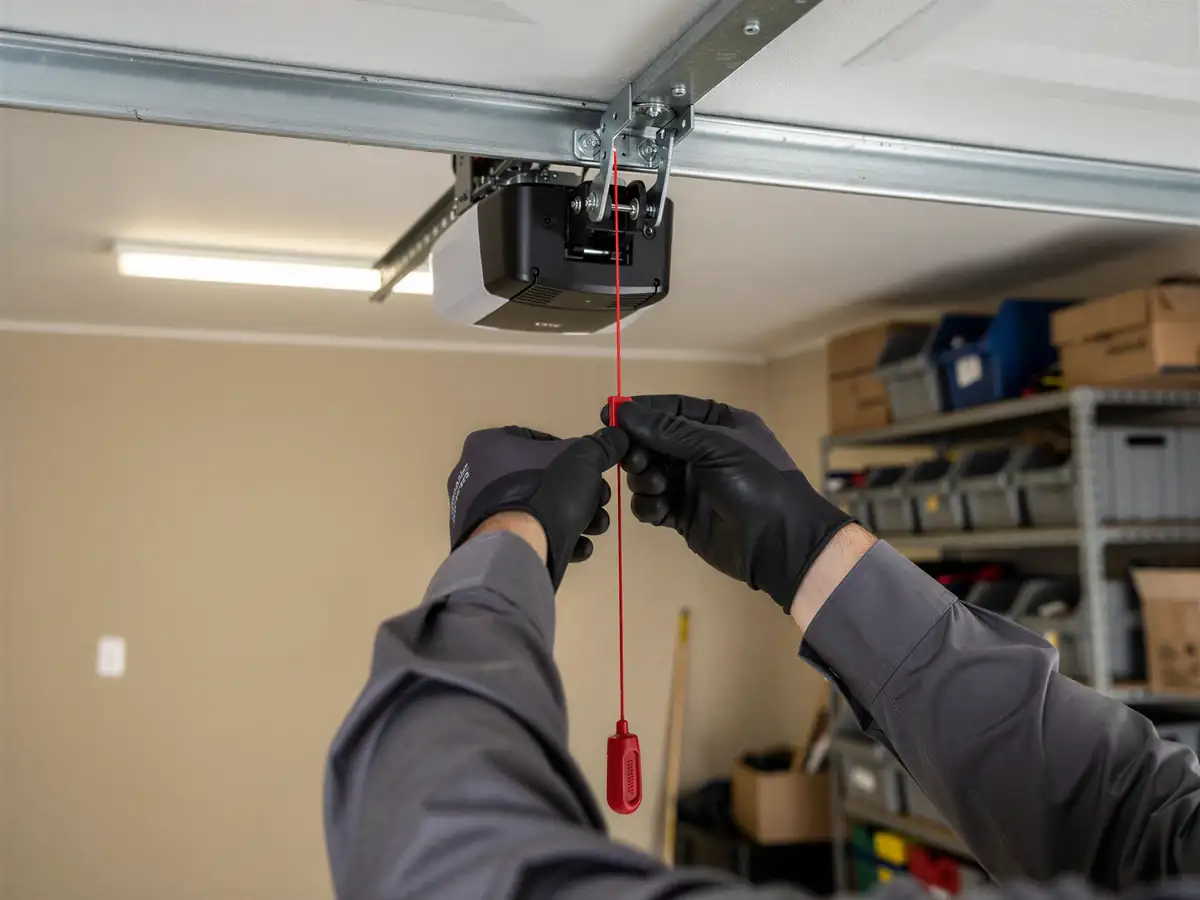
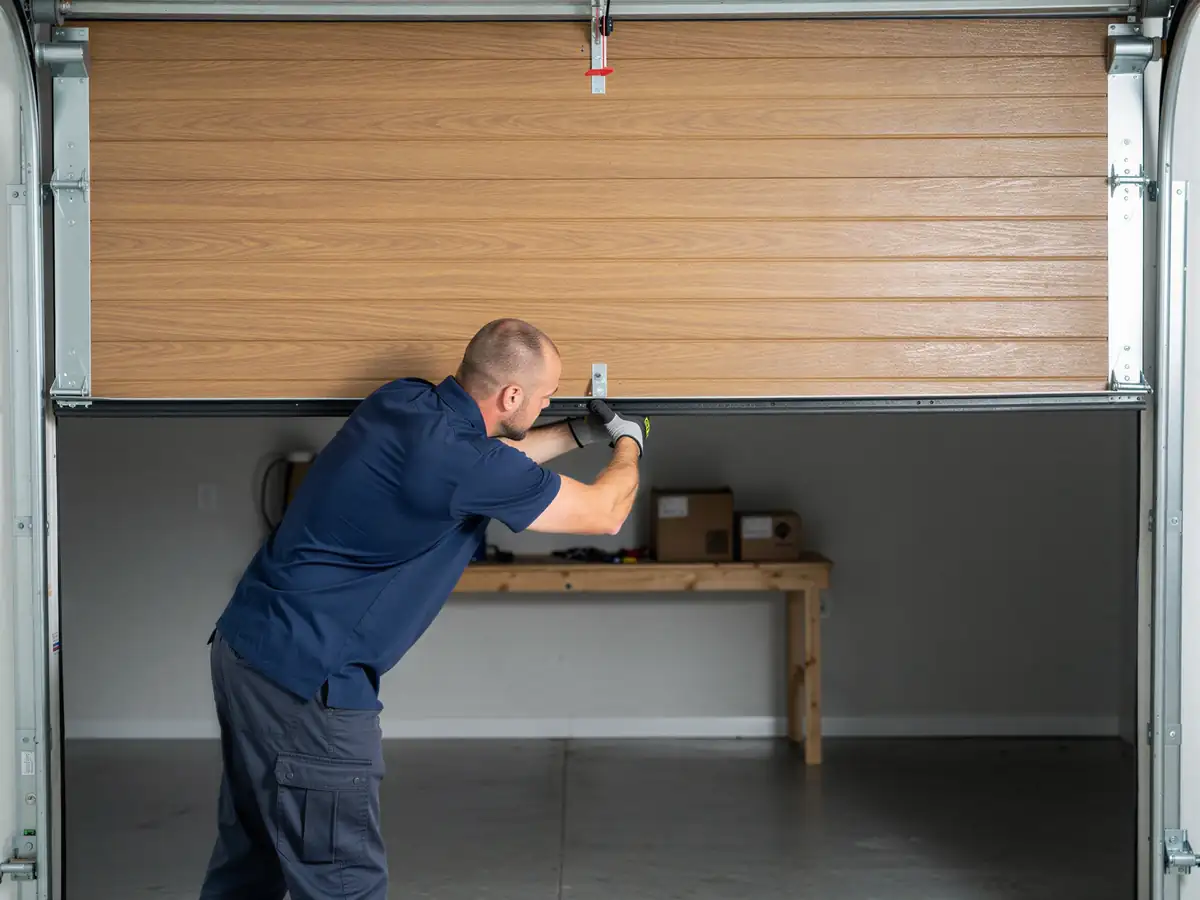
Not every noise needs an immediate call. If it's a light squeak on an opener chain or a rail, and the door still opens and closes smoothly on both sides, that's a lubrication job you can do yourself and it's fine to wait. We won't tell you to replace a door that's working fine just because it's old - plenty of the pre-1960 stock in this area still runs well with basic upkeep. The noises that matter are the ones with a rhythm change: a thump that gets louder, a scrape that's new, or any sound that lines up with the door hesitating or jerking. Those are the ones tied to a part actually failing, not just aging. If you're not sure which kind you're hearing, that's a fair question to bring to us rather than guess - a five-minute listen in person tells us more than any description over the phone.