Why This Fails Locally
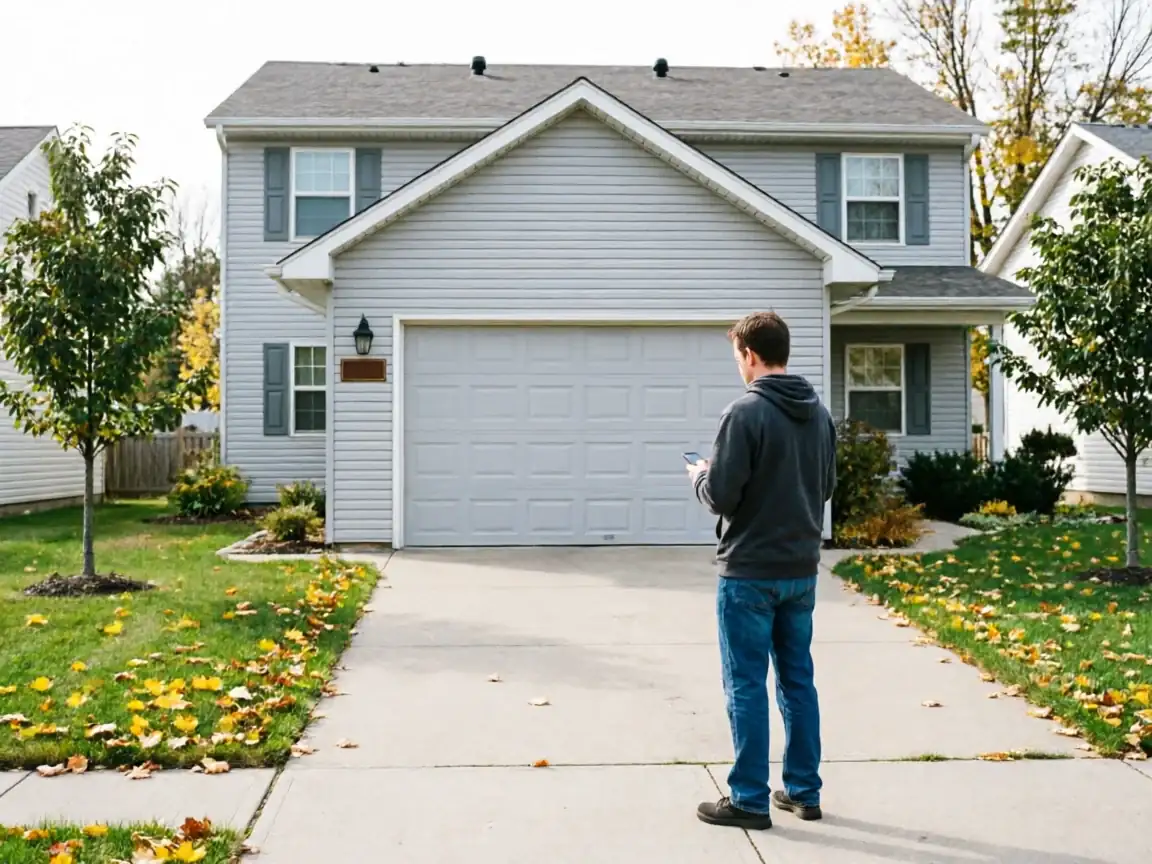
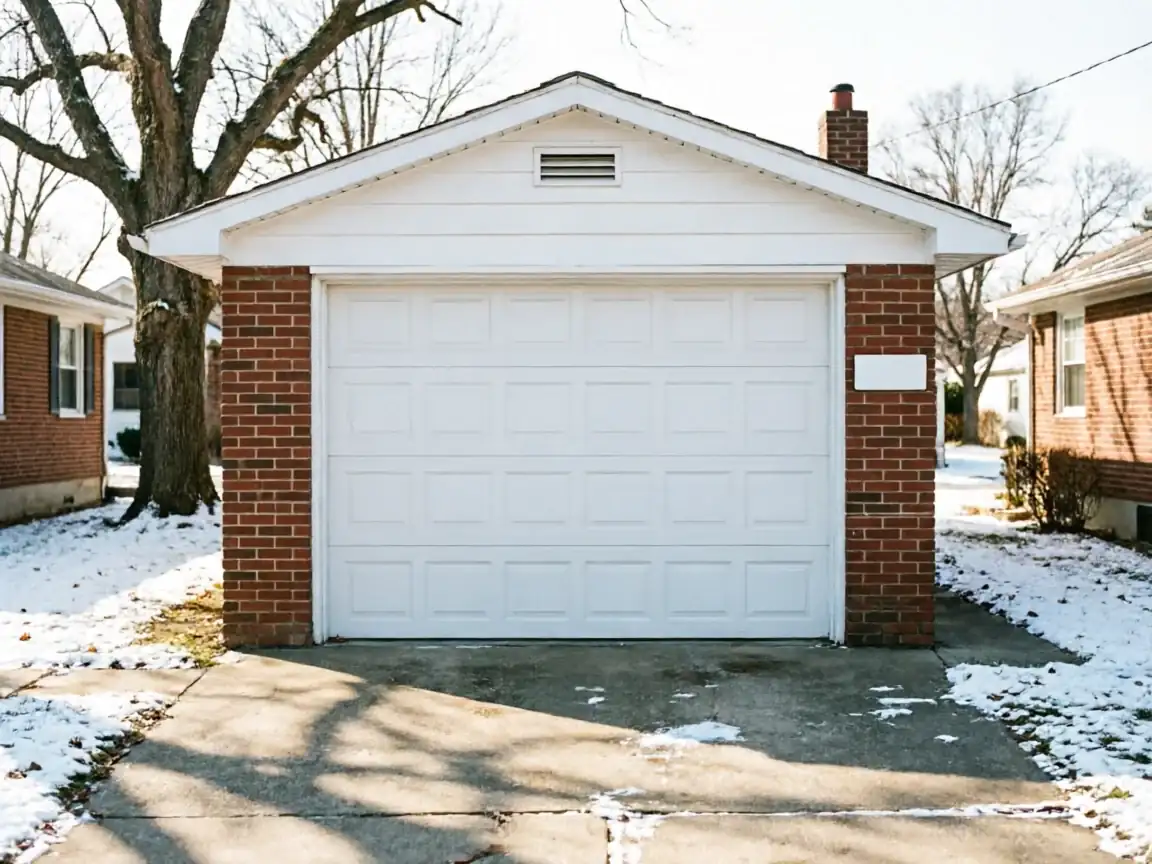
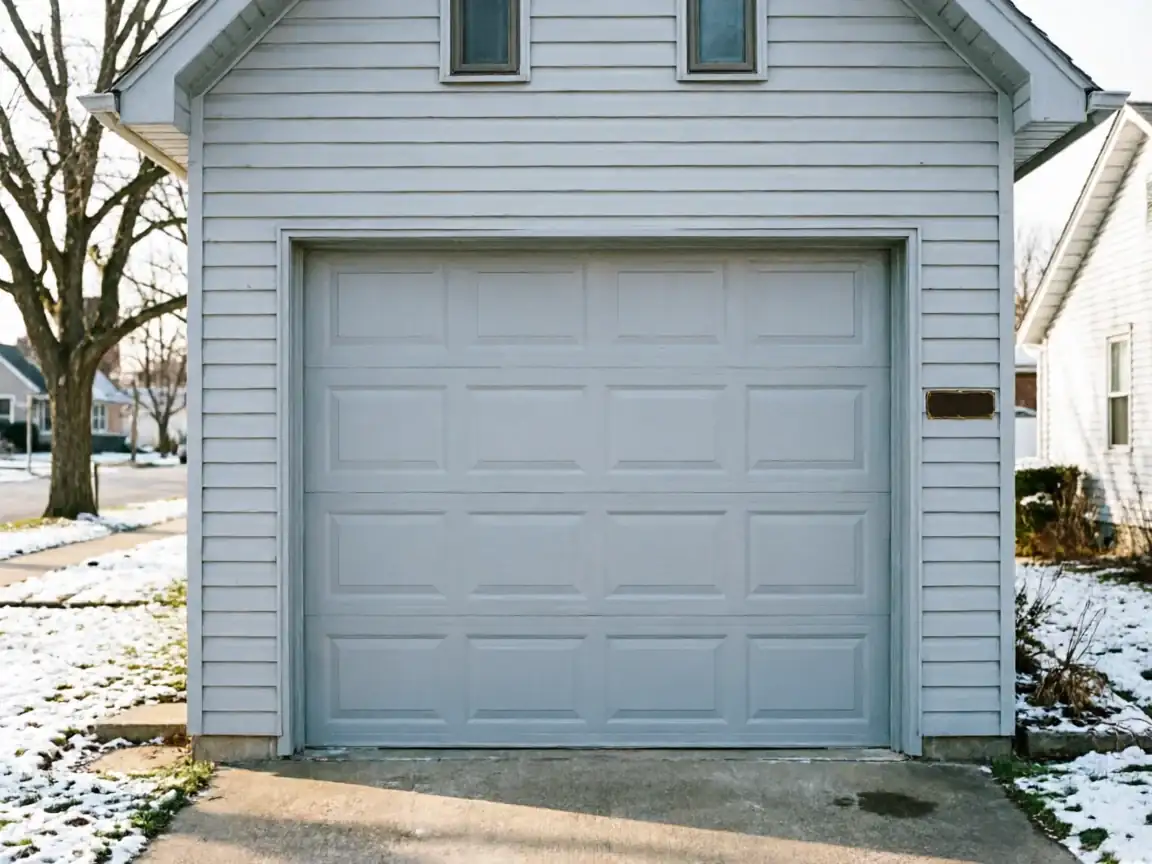
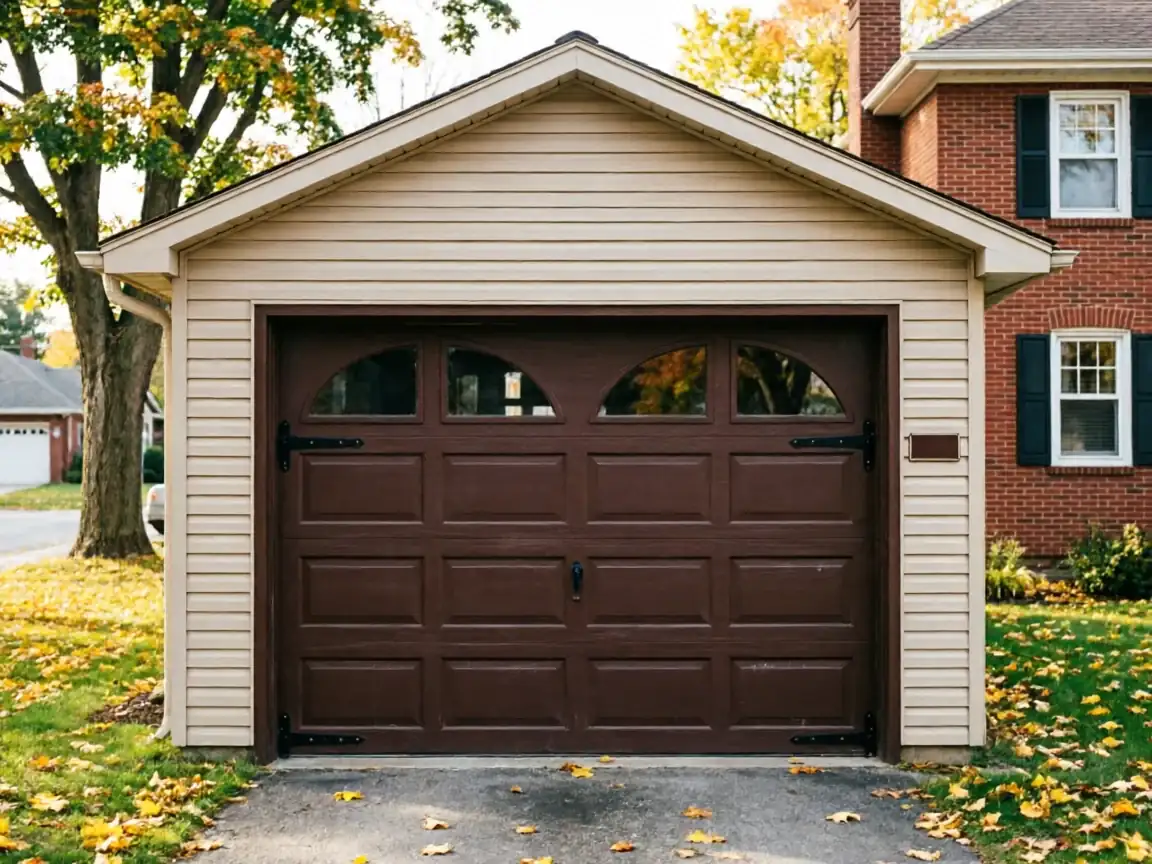
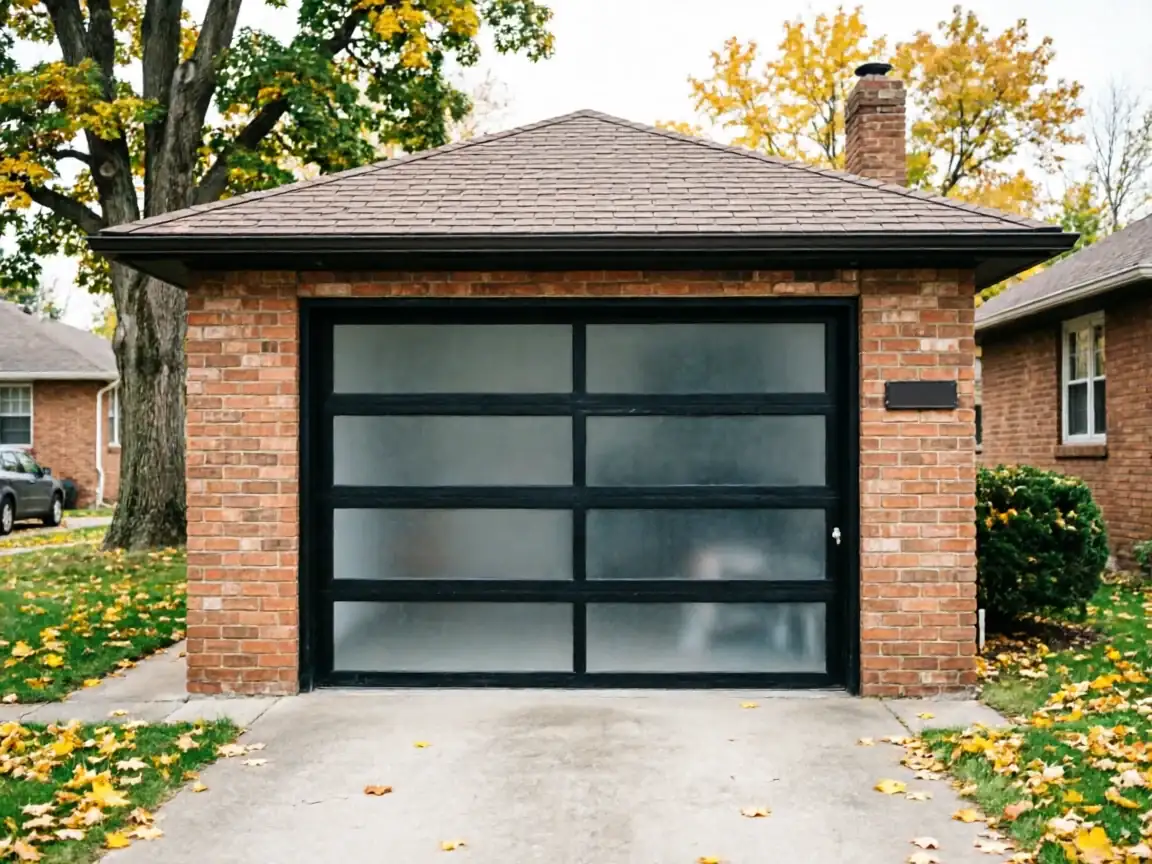
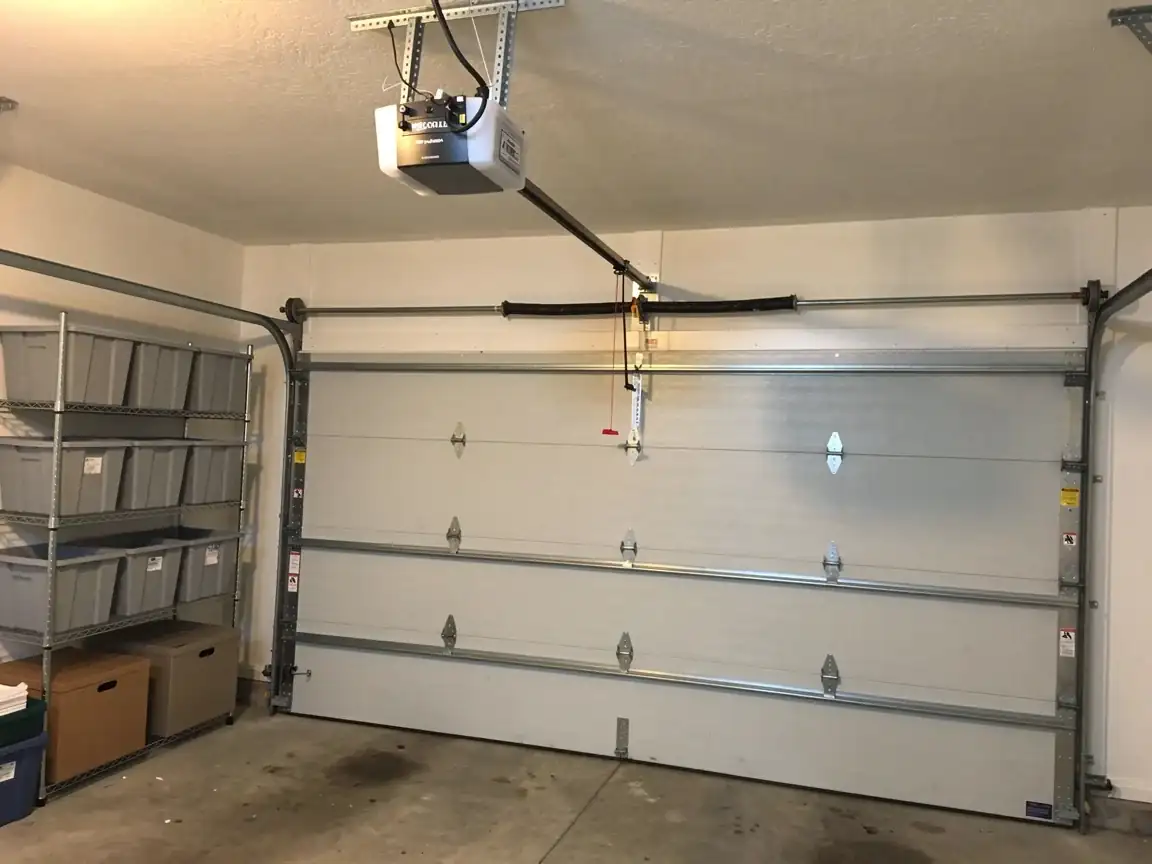
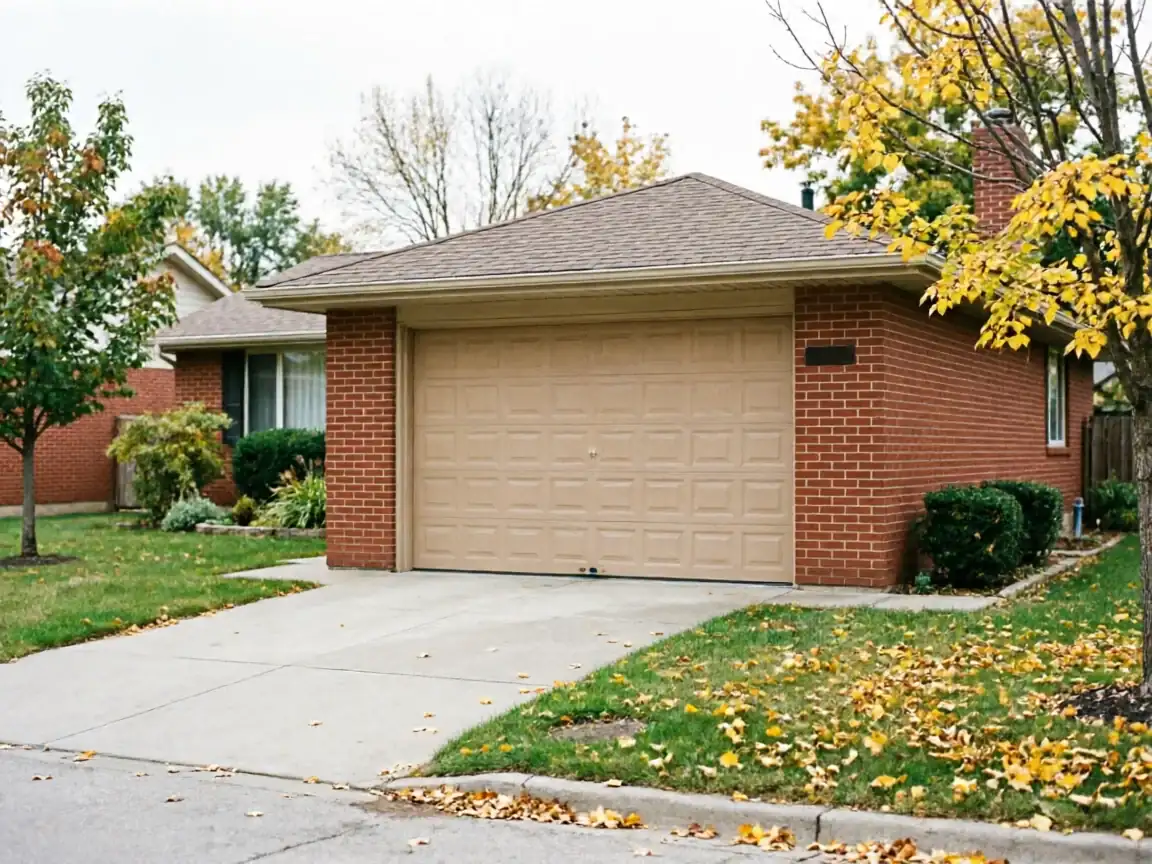
Most houses on this side of Manchester went up around 1959, back when a garage often came with a door but no motor at all. The opener got bolted on later, sometimes a decade or two after the house was built, onto a door and track that were never engineered with a motor in mind. That means a lot of these systems are chain-drive units muscling heavier wood or early steel panel doors than they were sized for, with mounting brackets that were improvised rather than spec'd.
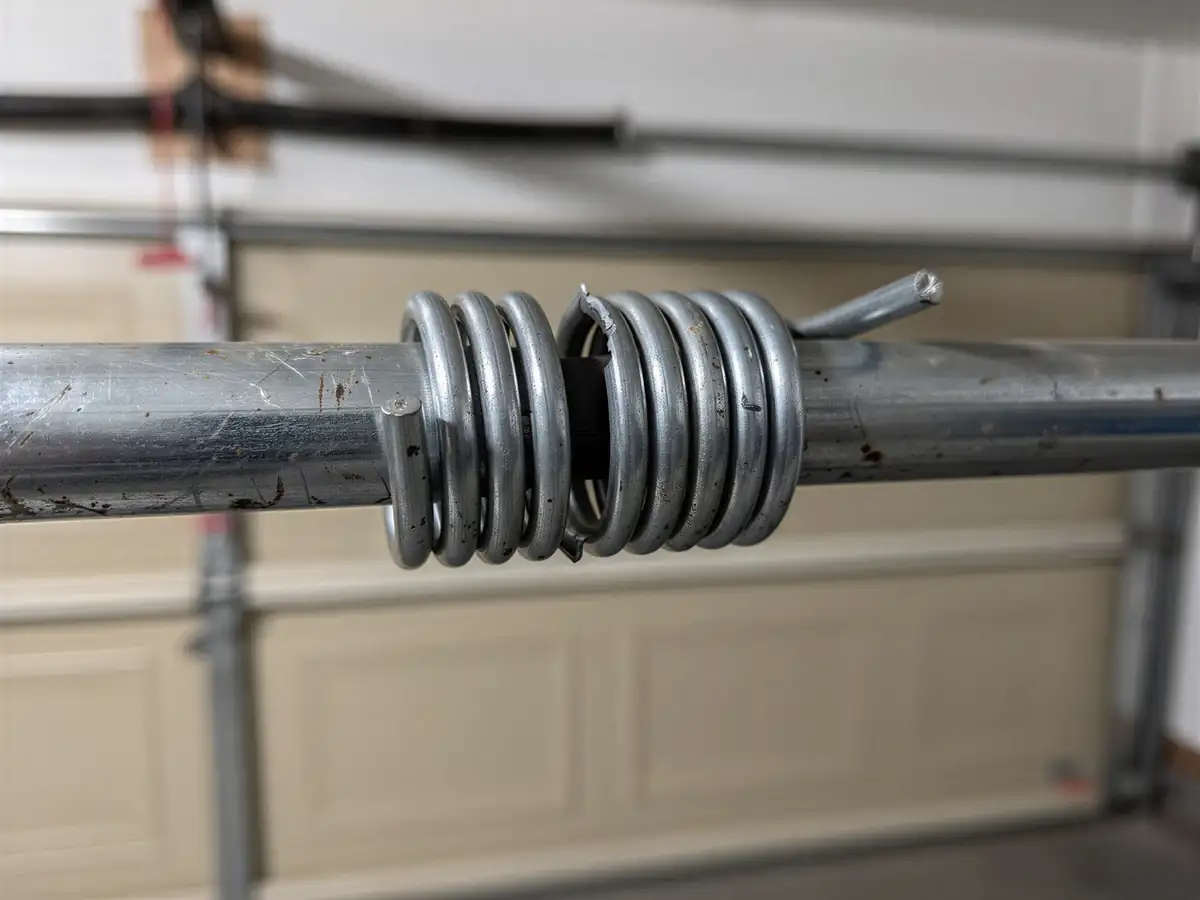
With 1,089 households in this area and most of the housing stock sitting in that same 1950s-60s band, the failure pattern repeats: the opener motor strains to lift a door that's gotten heavier with age as old wood panels absorb moisture, or a steel door whose rollers have rusted in their tracks. The opener takes the blame, but the real problem is often upstream of the motor - a binding track or a spring that's lost tension, forcing the opener to do work it was never built to do. Fixing the opener alone, without checking what it's lifting, is a repair that doesn't hold.
What It Costs
We don't post a flat number here because what's wrong with a Manchester opener varies more than people expect
A logic board swap on a working door is a different job than an opener fighting a door that's out of balance. What we can tell you is that median household income in this area runs $81,393, noticeably higher than the broader Jackson service area, and that's reflected in more owners choosing full opener replacement over patching an aging chain-drive unit once it's past saving.
We price the job after we've actually looked at the door, the track, and the springs, not off a phone description
If the opener is the only thing wrong, that's a smaller job than if we're also correcting a door that's been leaning on the opener for years. We'll tell you plainly if a repair isn't worth doing versus a straight swap.
How We Fix It
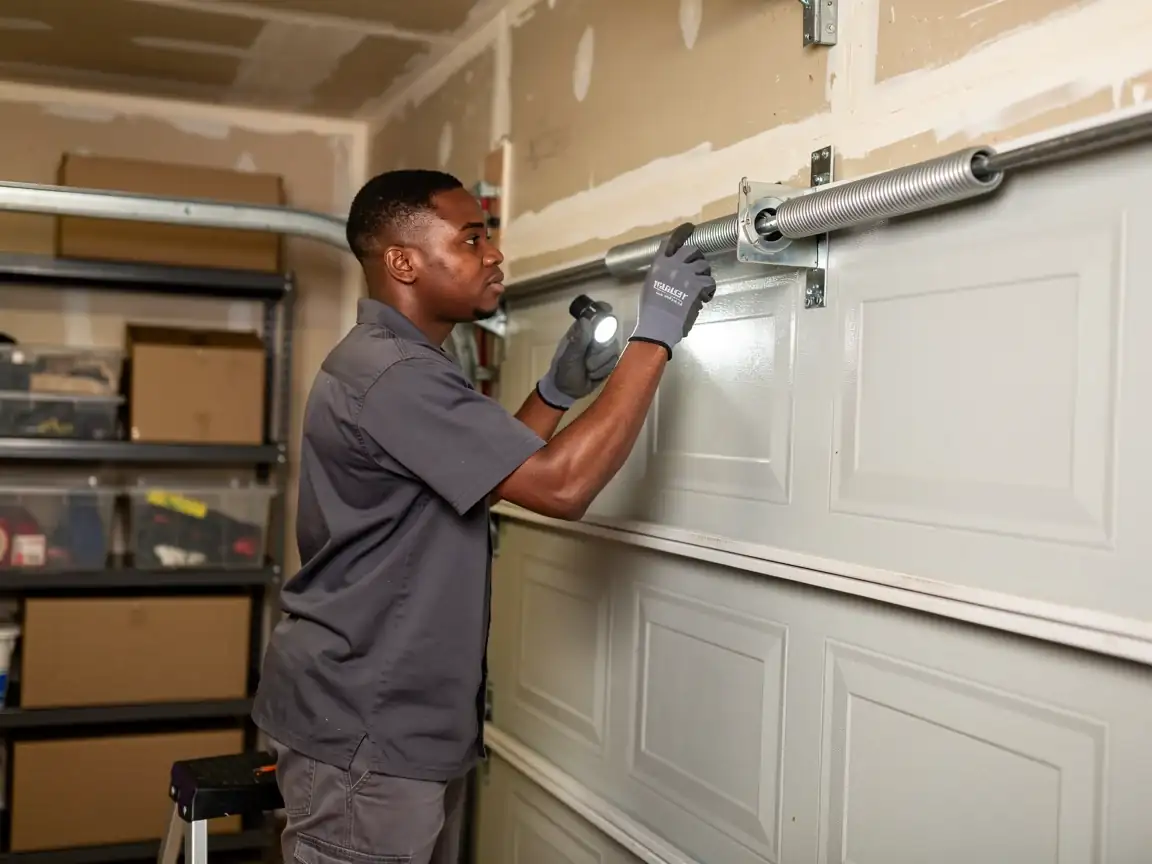
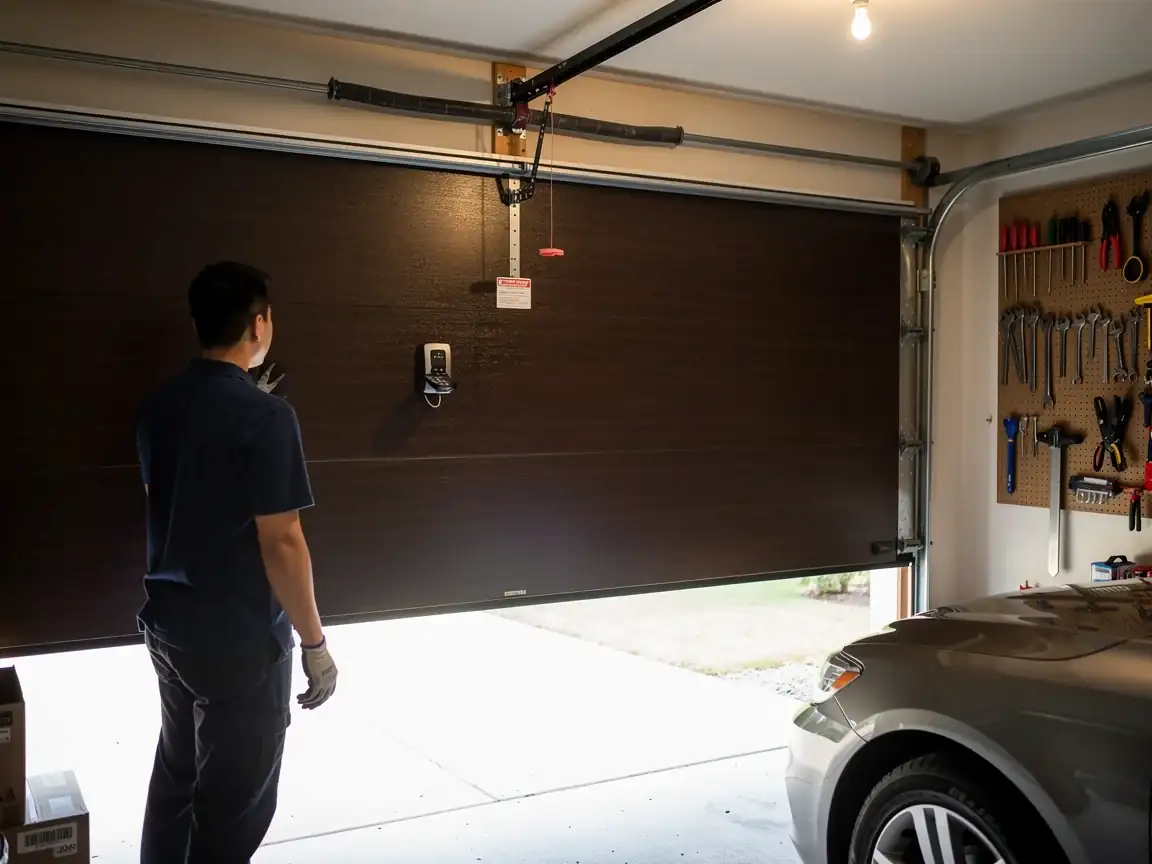
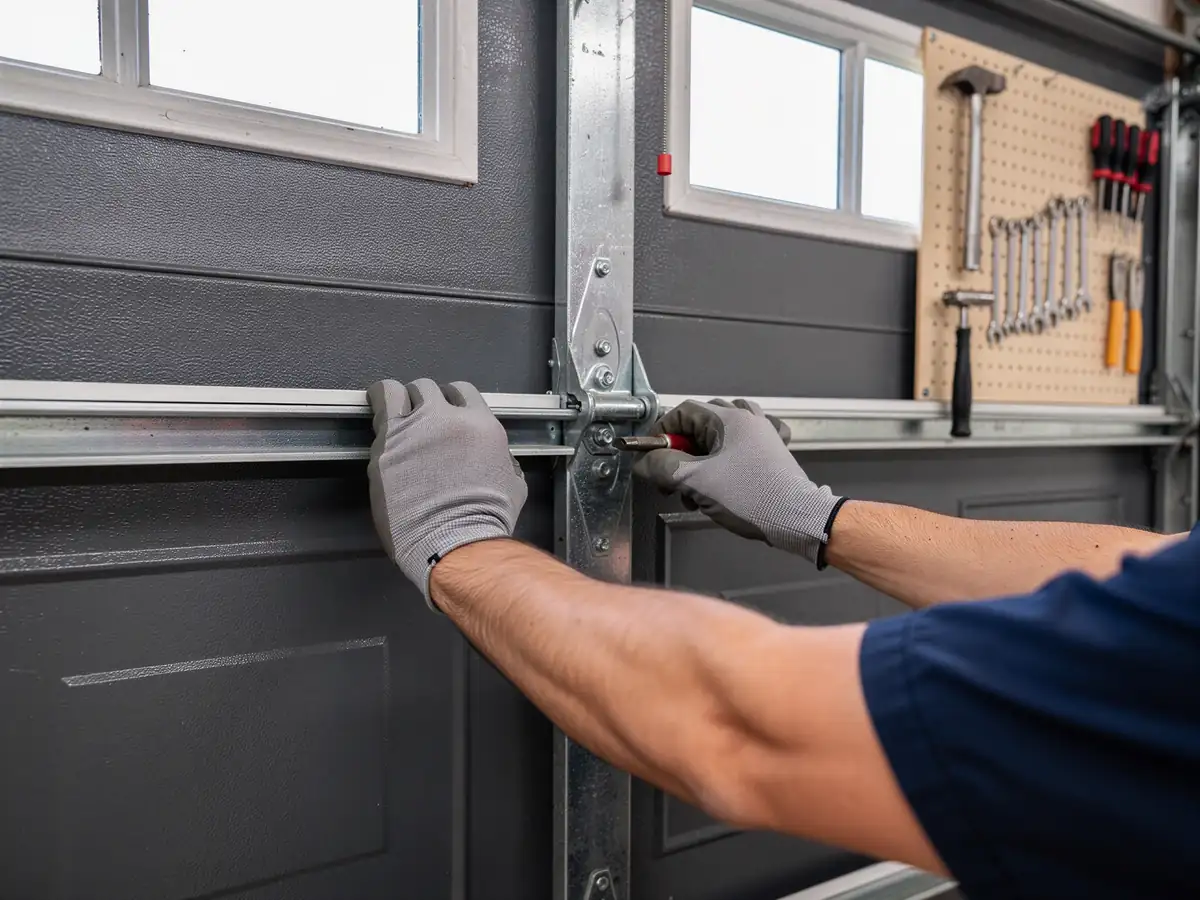
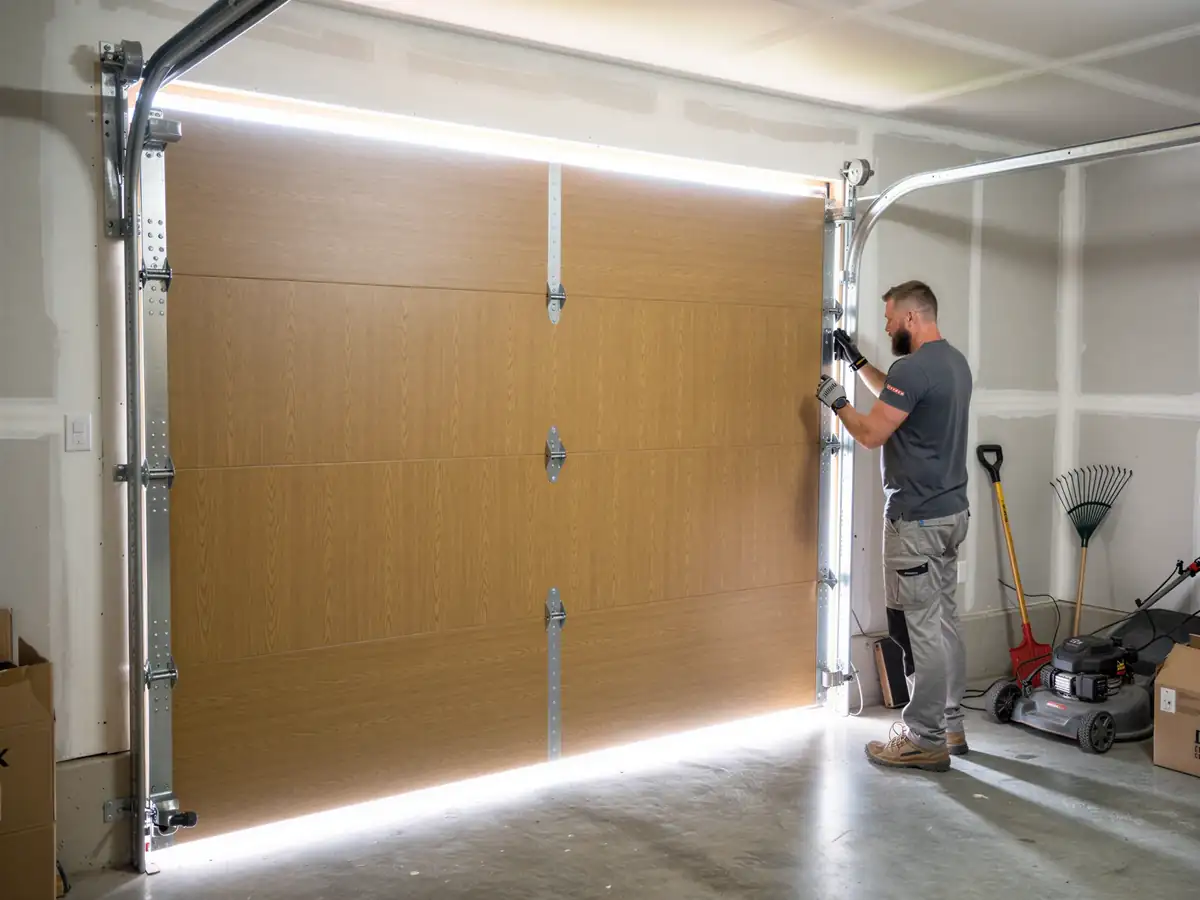
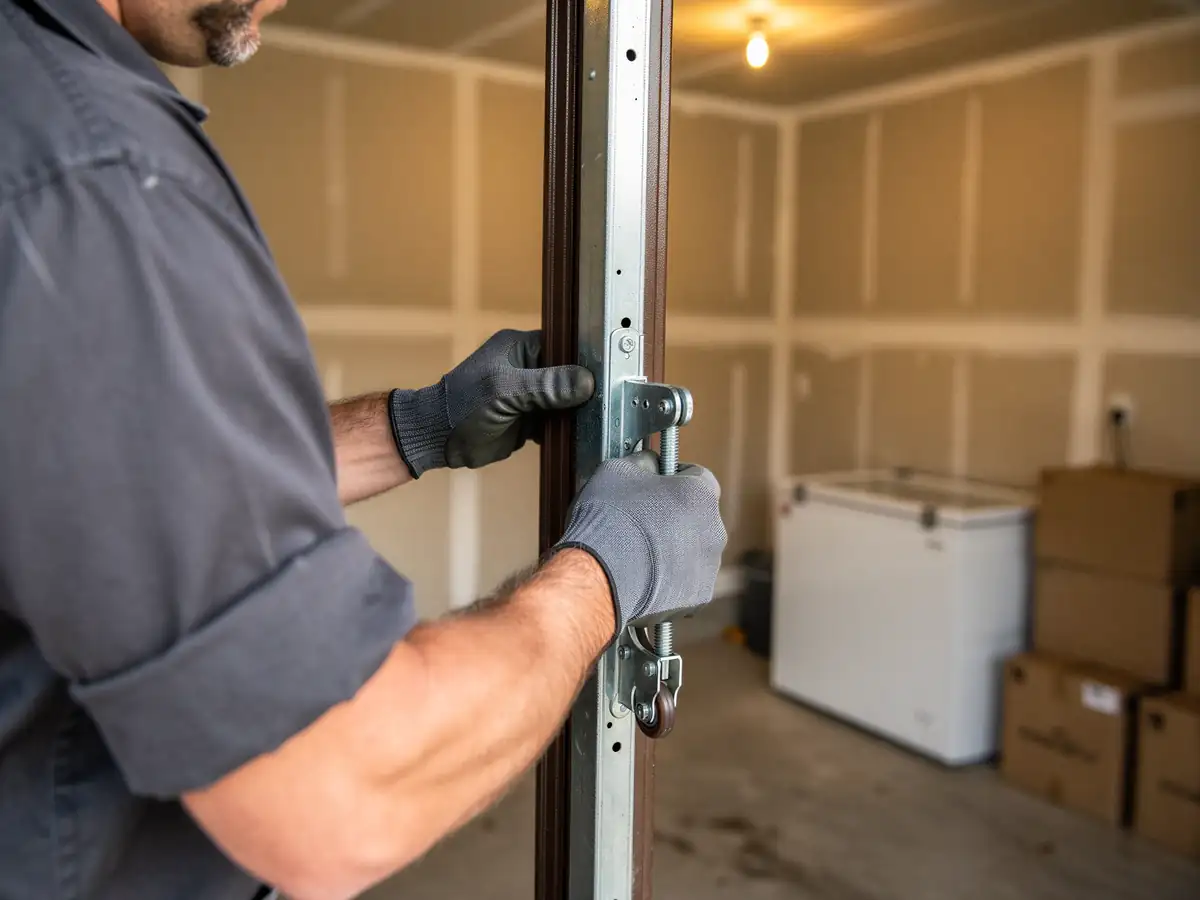
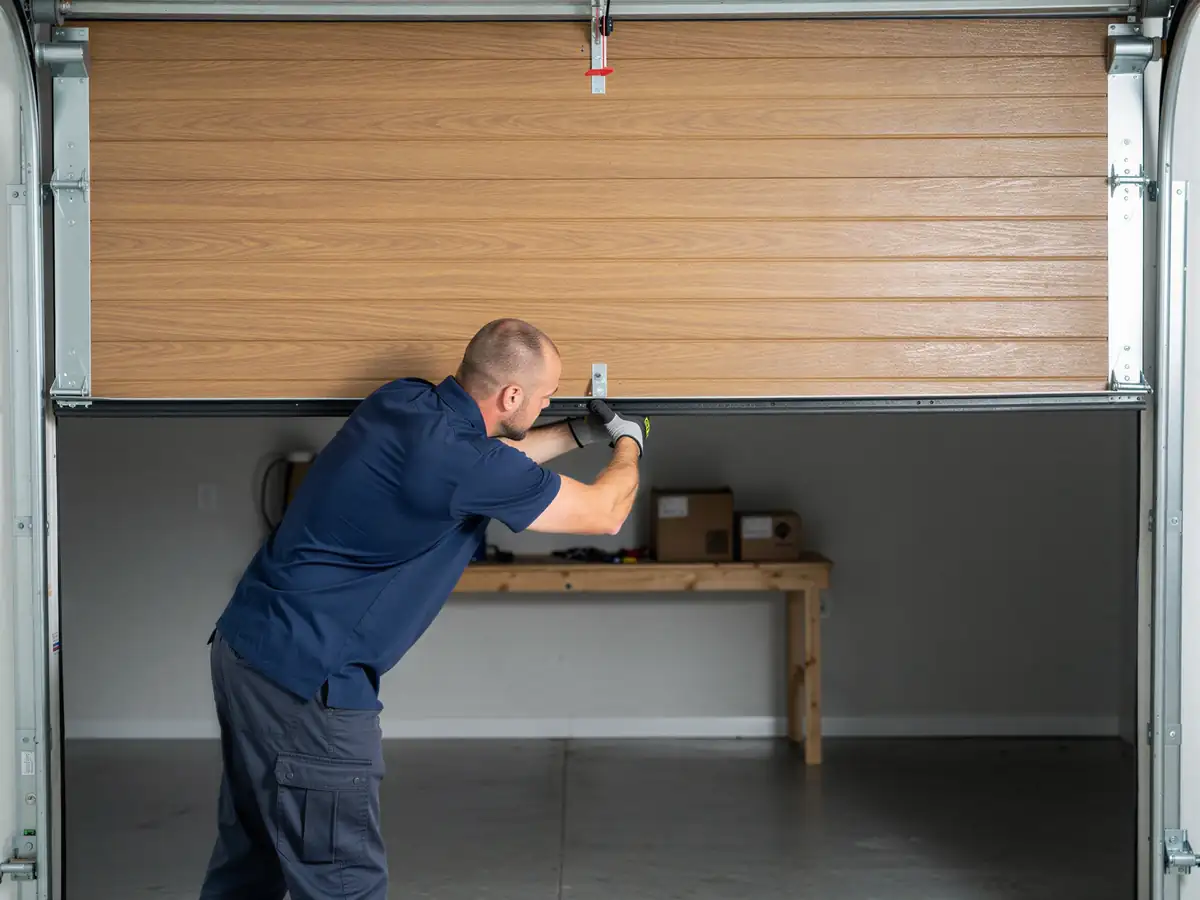
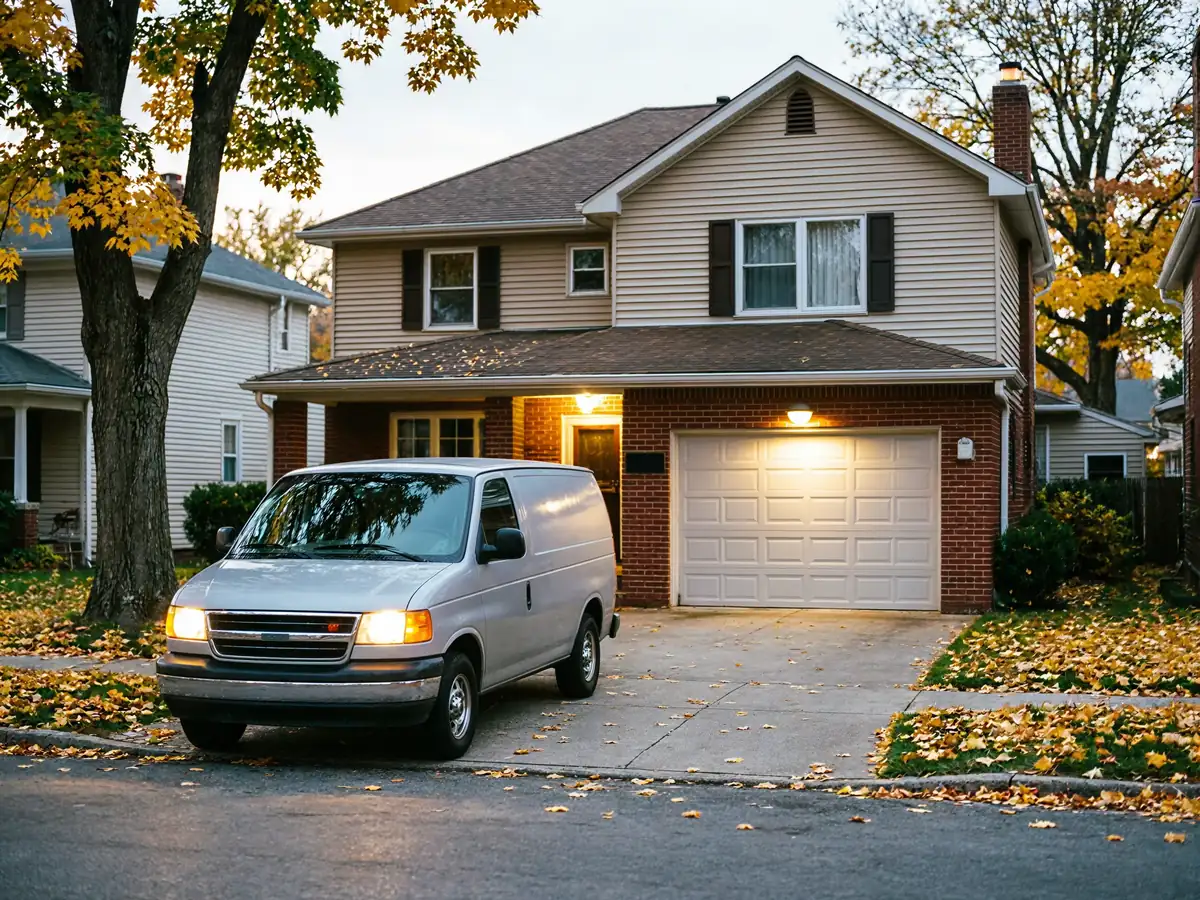
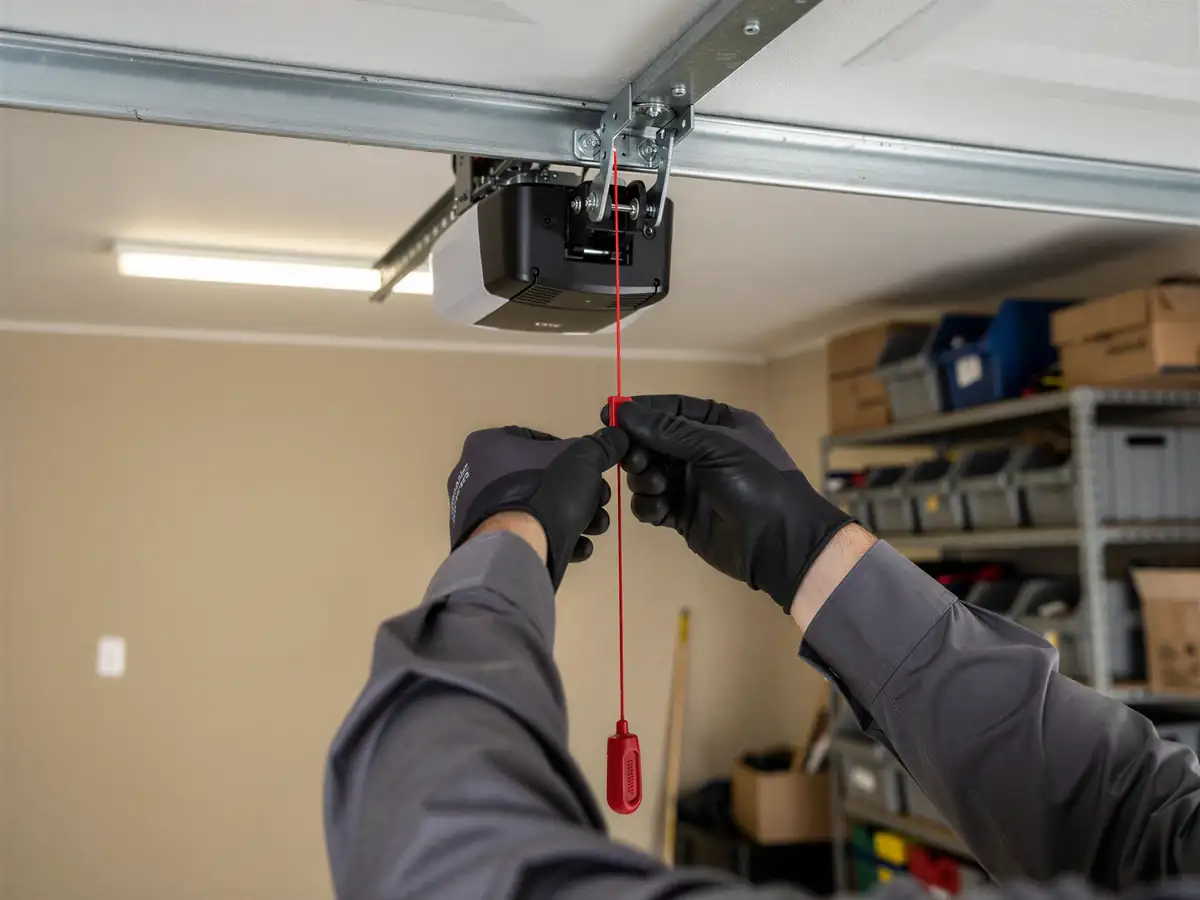
We run out of Jackson to reach Manchester, about 20 miles out, so there's no local branch here - every call means a truck making that drive. We check the opener's travel limits, the safety sensors, the drive gear, and then back out to the door itself: track alignment, roller condition, spring tension. On a 1959-era house, we're specifically looking for a door that's outgrown its original hardware or an opener mount that was never properly reinforced for the weight it carries.
If the fix is the opener - a stripped gear, a dead capacitor, a logic board that won't hold a signal - we replace that part and test the full cycle under load before we call it done. If the opener is fine and the door isn't, we say so.
The Complications
This area sits in a cold, severe climate band, and that matters for openers more than people assume. Grease that worked fine in September gets stiff by January, and a motor already straining against a heavy old door has to push harder through a cold start. We see more capacitor and gear failures in the winter months on these older setups than at any other time of year.
One honest limitation: if your opener is an older model and the control board has failed, we may not be able to get an exact replacement board quickly - some of these units are old enough that parts take longer to source than a same-week fix. In that case, full opener replacement is usually faster and more reliable than waiting on a part for a motor from the 1980s or earlier.