How It Shows Up
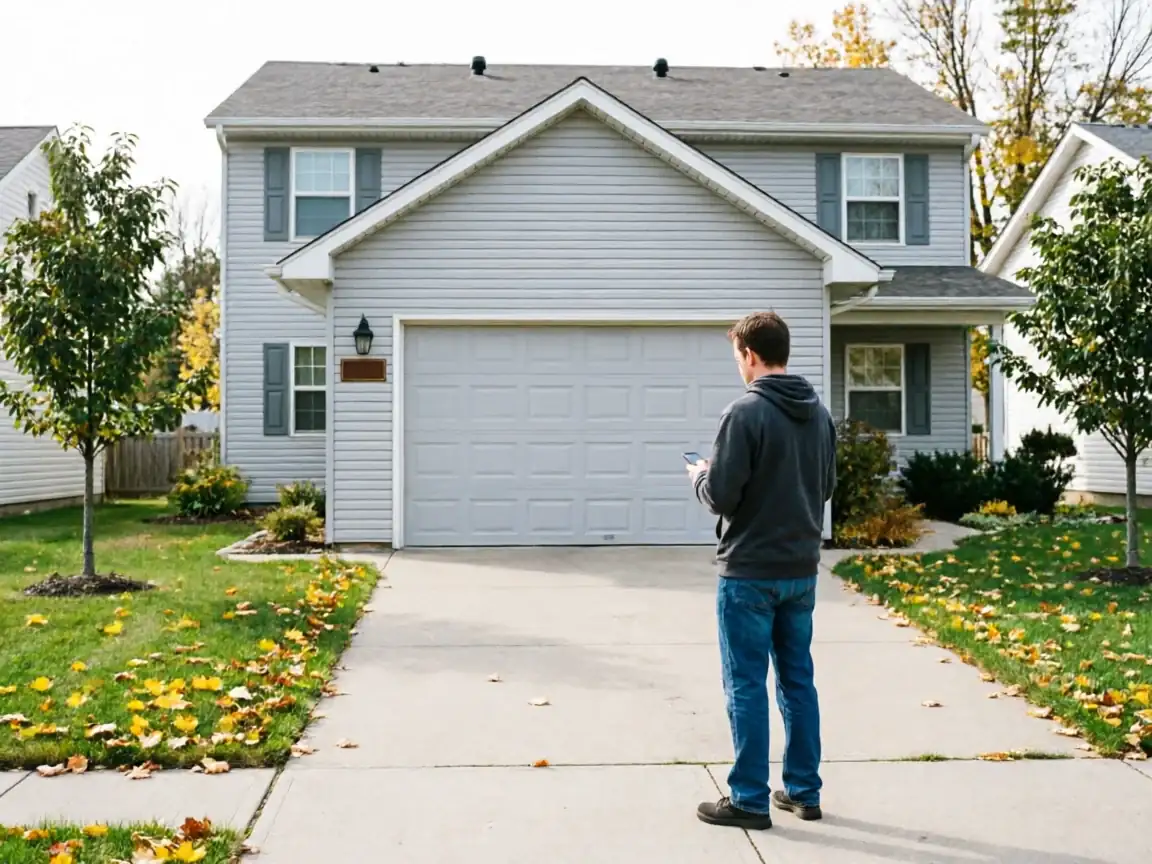
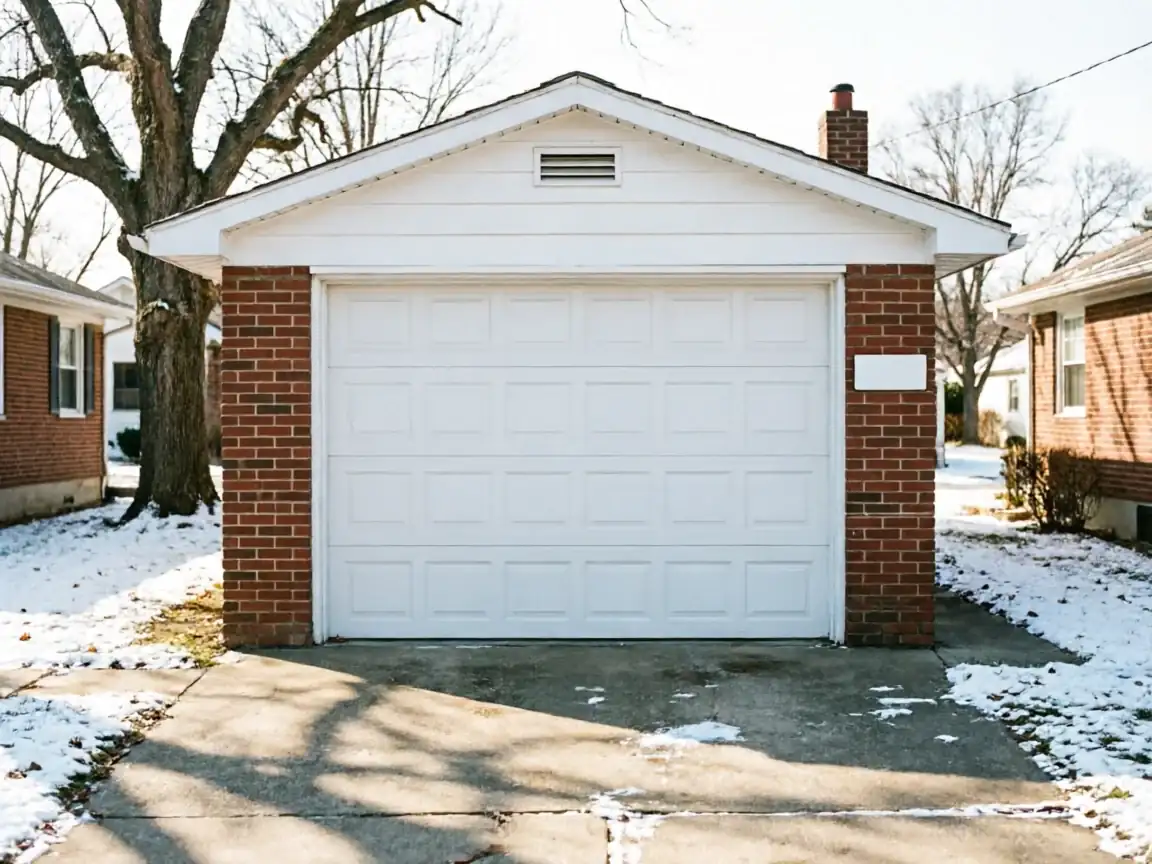
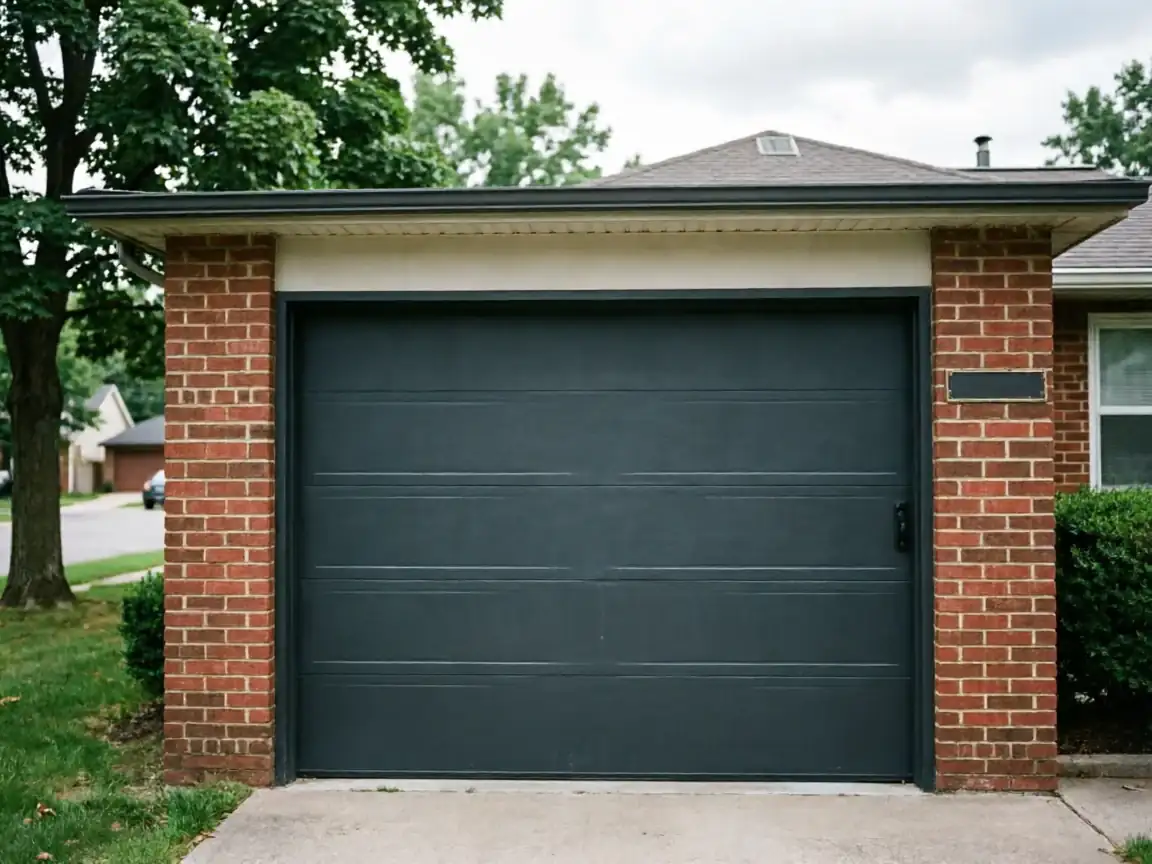
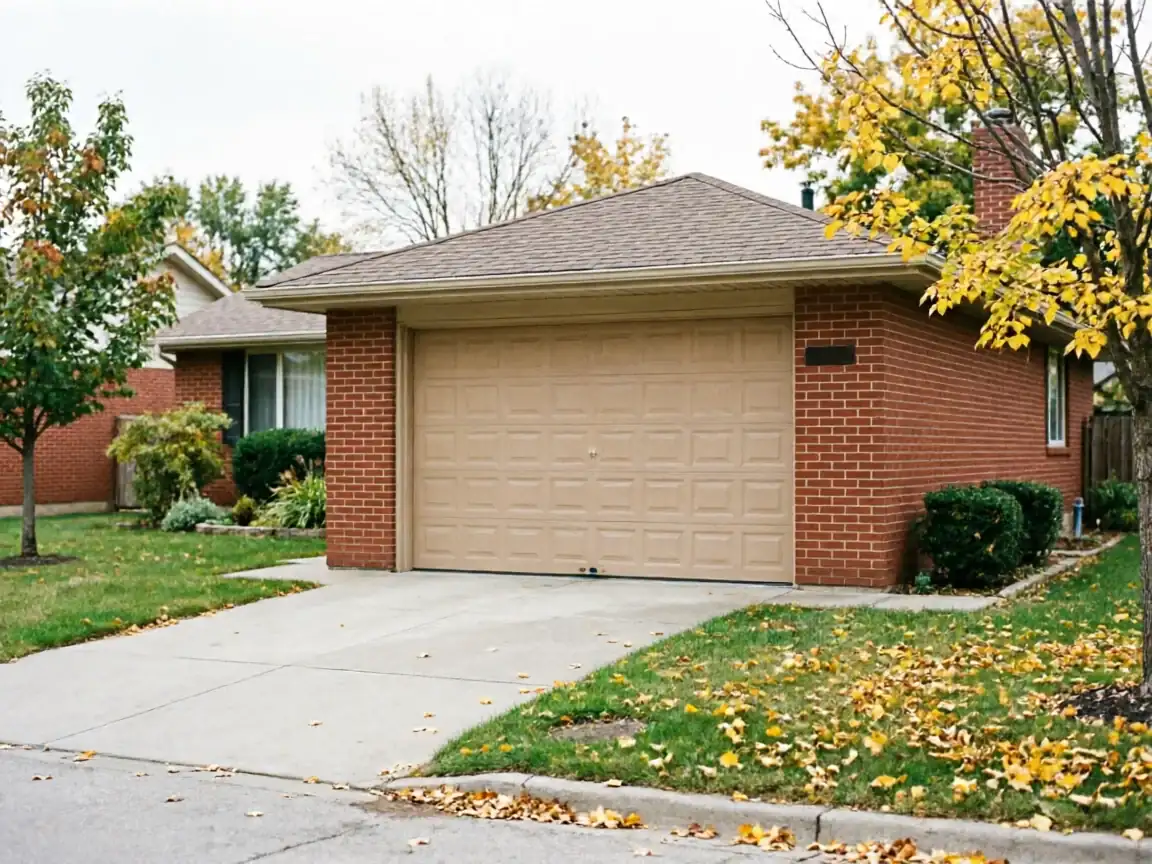
Michigan Center's median household income runs $68,114, a bit above the wider Jackson service area's $65,349. That gap matters more than people think, because it moves the repair-or-replace line earlier. A household at this income level can usually absorb the cost of a new door and opener in one job rather than stretching three separate repair calls over two years on a door that's already fighting its own age. The median home here was built in 1956, which puts most garages on original or near-original hardware - thinner steel panels, smaller rollers, and openers that have been swapped once already by a previous owner. When a door from that era starts binding on the track or won't seal at the slab, you're not looking at a quick fix so much as a decision about whether to keep feeding parts into a frame that was never built for today's opener weight or insulation standards. We make that drive from Jackson, four miles in, and the pattern we see at the door is consistent enough across Michigan Center's housing stock that it's worth naming up front rather than discovering it mid-estimate.
Why This Fails Locally
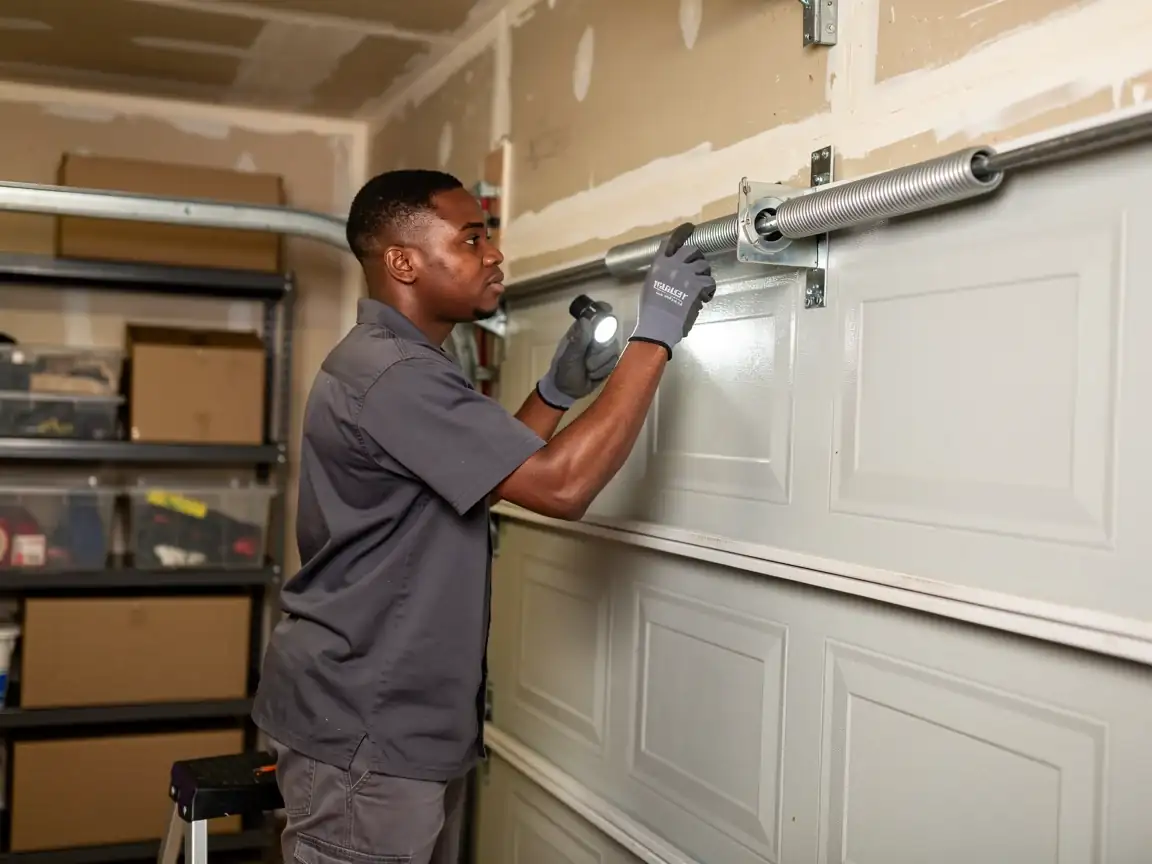
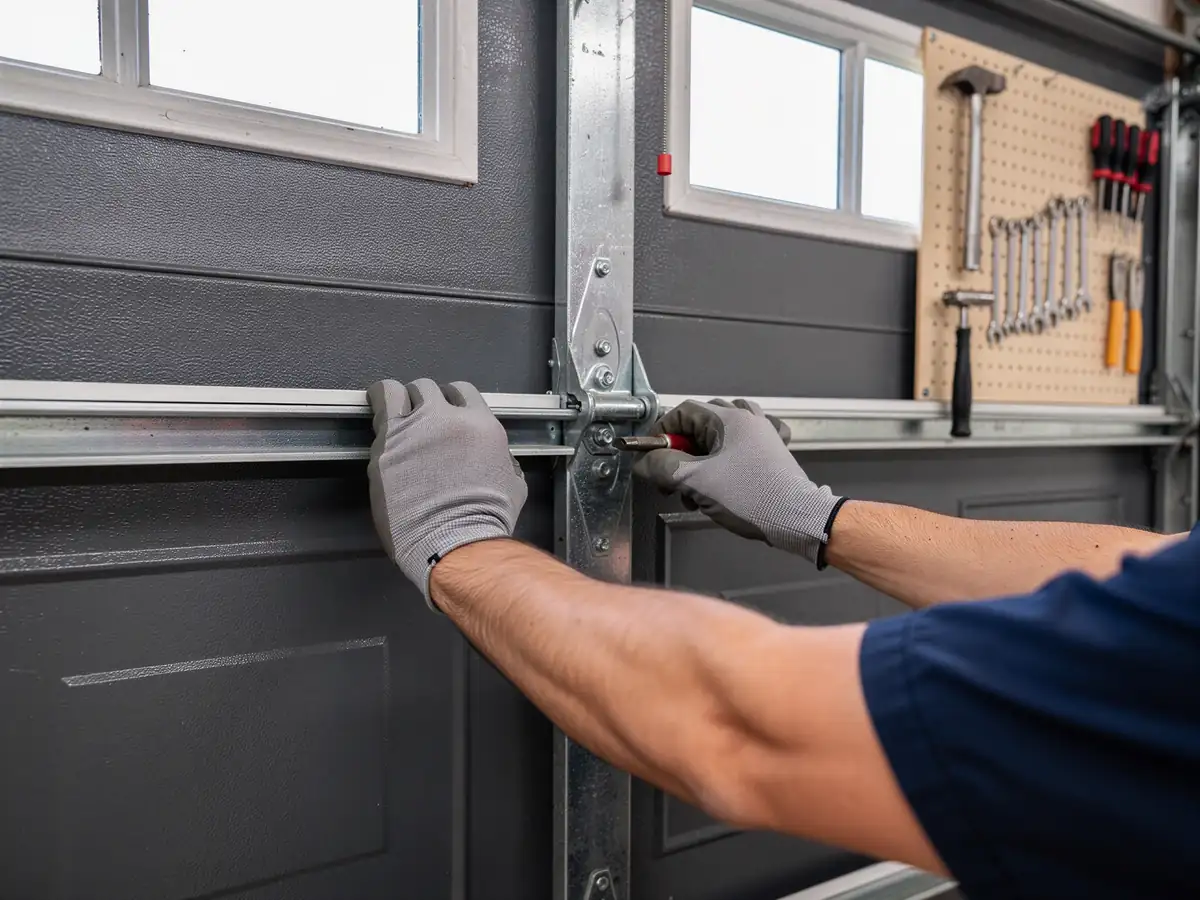
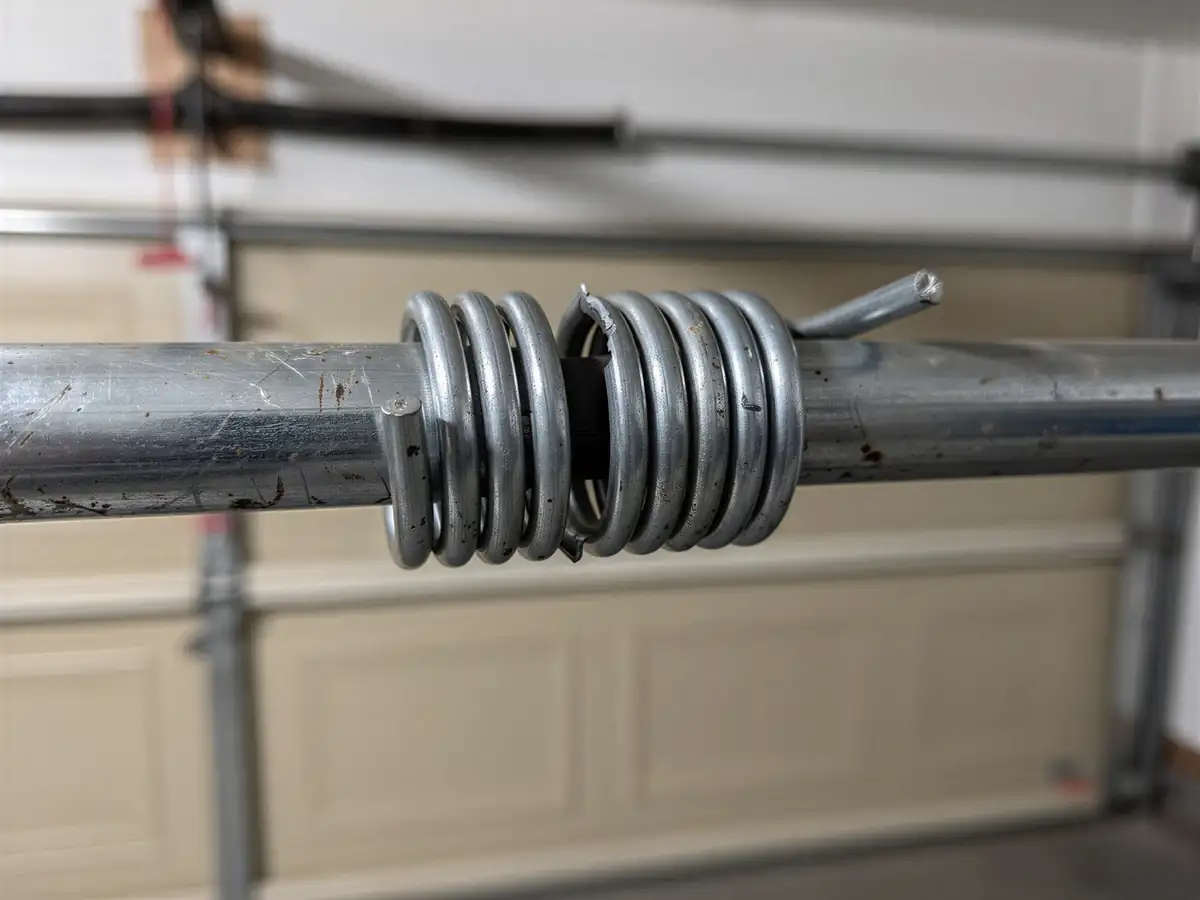
The failure isn't dramatic, it's gradual. A one-piece or early sectional door installed when the house was built in the mid-1950s was sized for a lighter opener and a garage that wasn't finished or heated. Decades later, the same frame is carrying a heavier insulated door or a retrofit opener it wasn't engineered for, and the imbalance shows up as a spring that wears out faster than it should, or a track that racks under load. With Jackson's climate running cold and severe in winter, a door that's slightly out of square lets more cold air into the garage every season, which is a slow problem until a cable finally snaps or the bottom panel splits along an old seam. None of that is unique to one house - it's a pattern across most of the pre-1960 stock in this part of the service area, and Michigan Center's 1956 median puts it squarely in that bracket.
The Complications
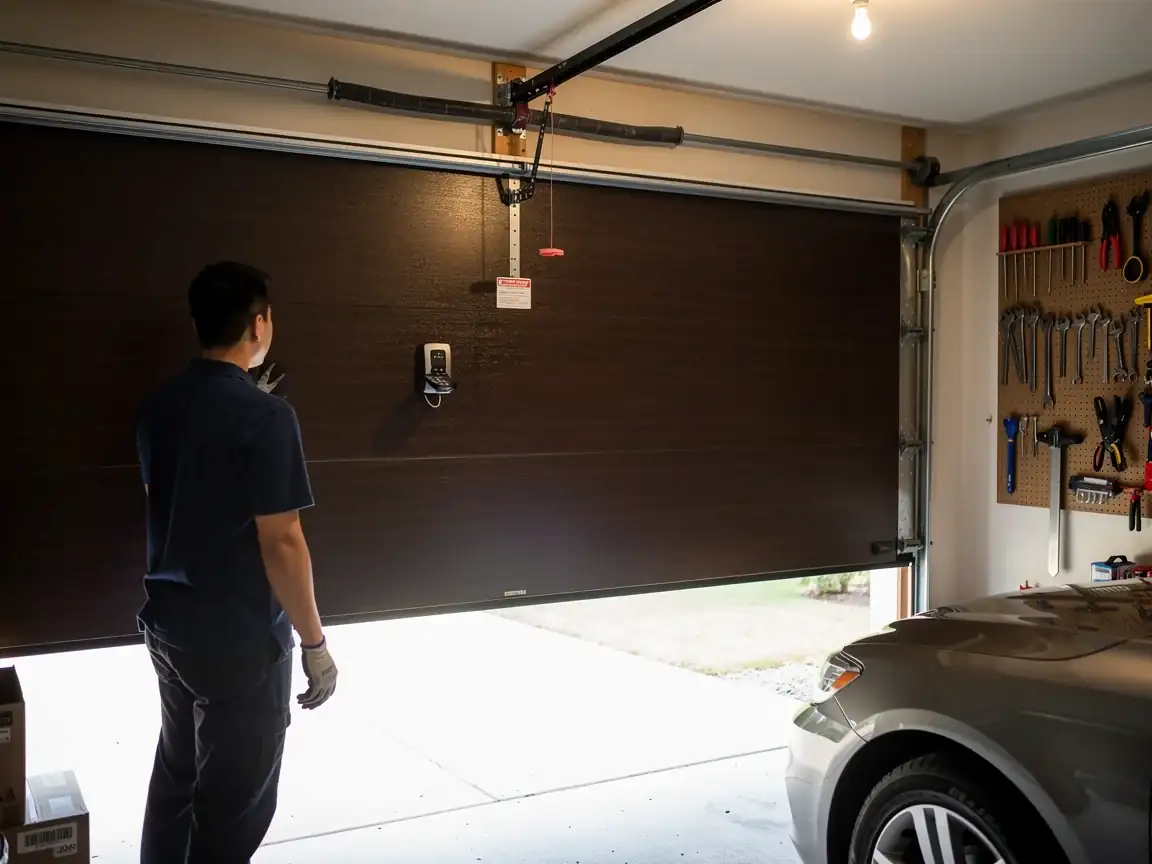
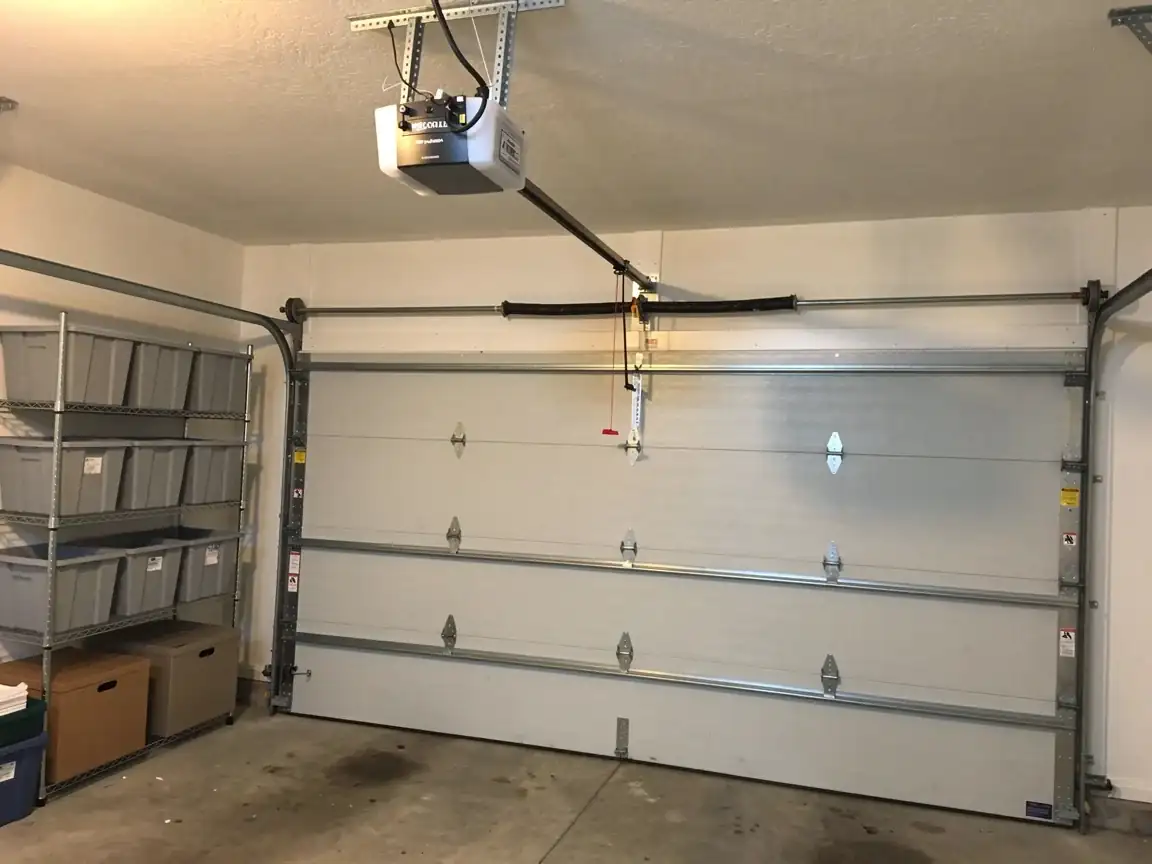
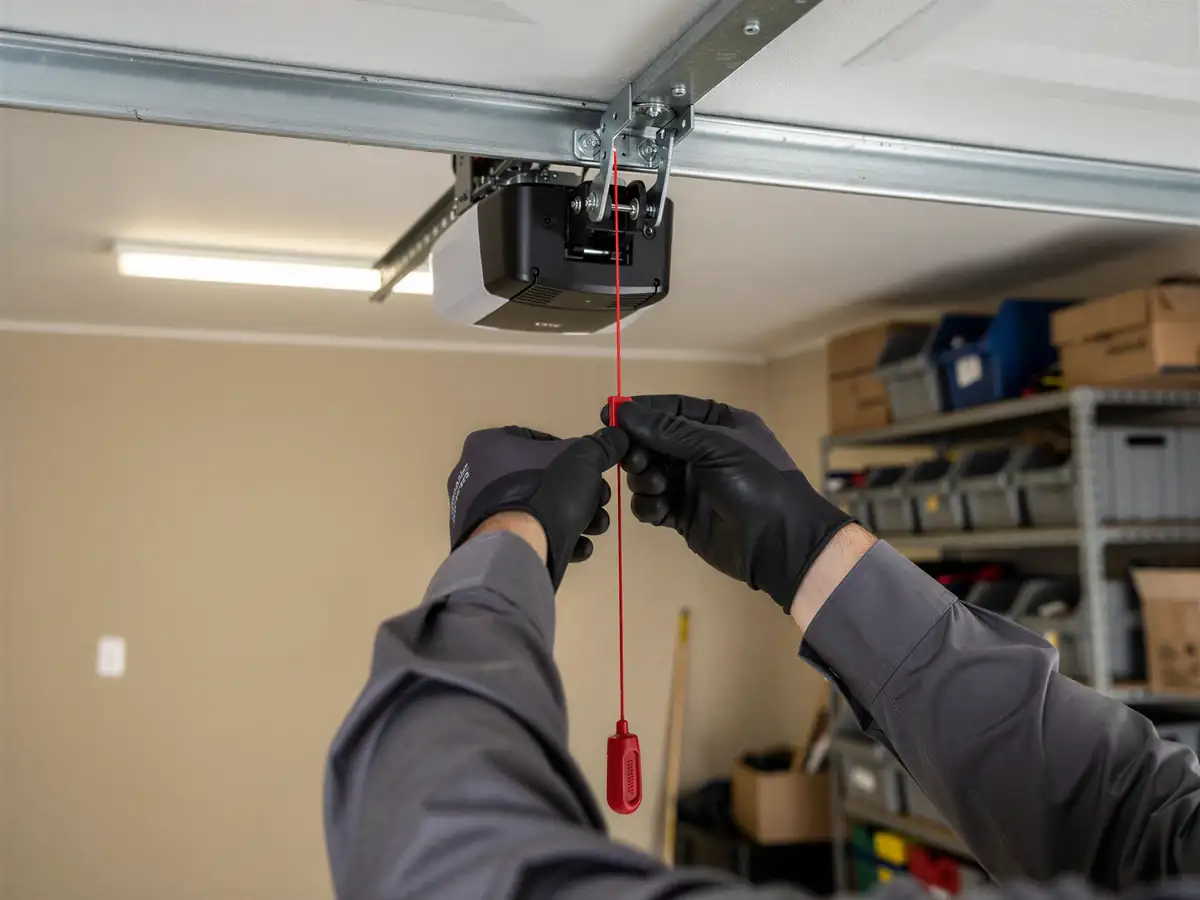
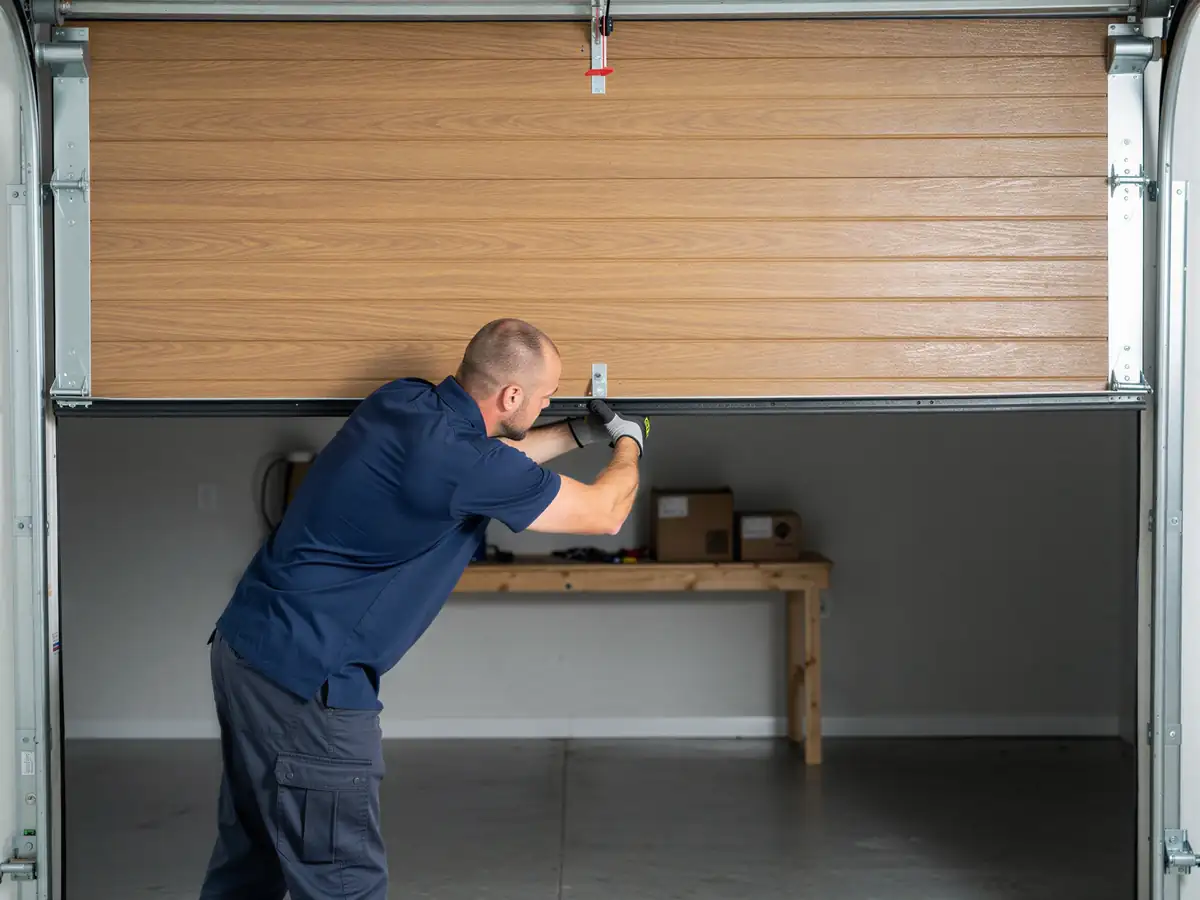
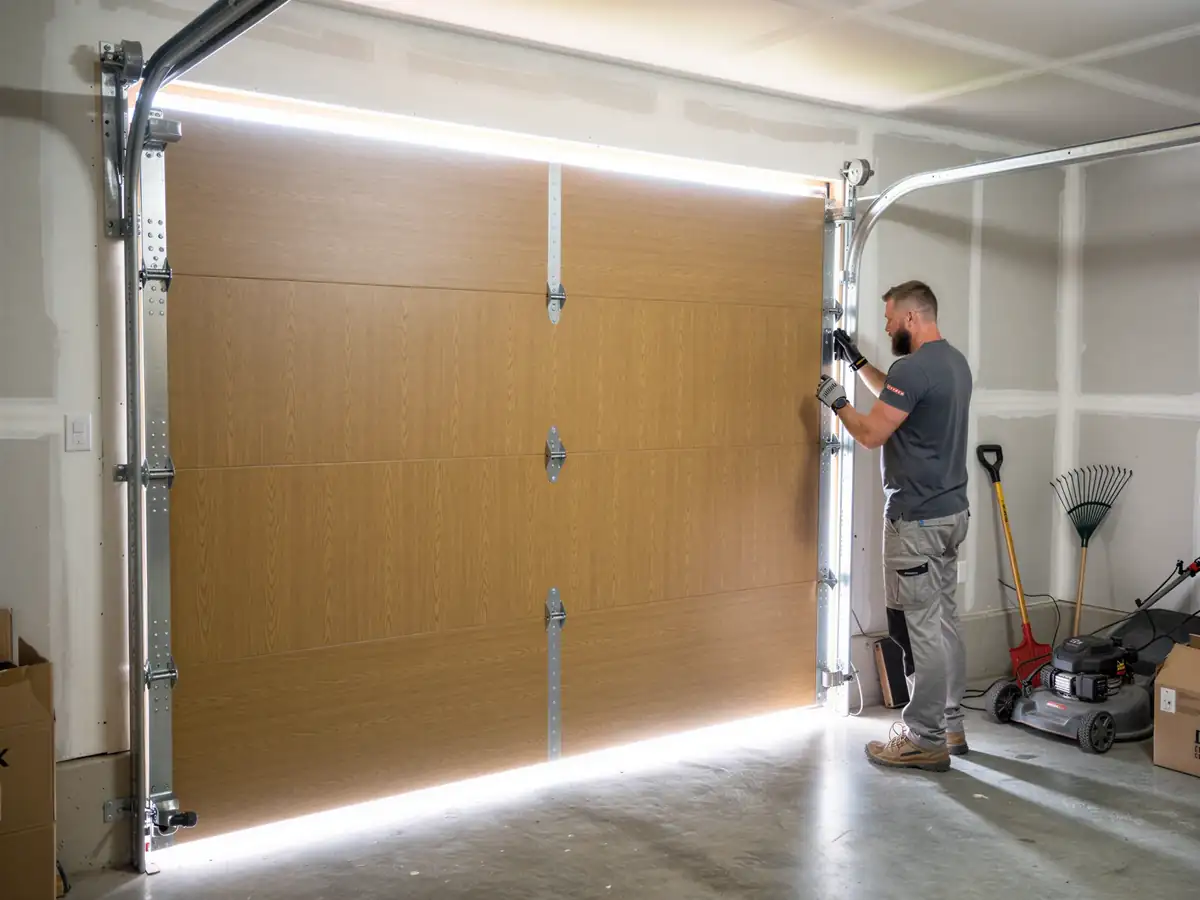
Two things slow down an install here that wouldn't come up on a newer house. First, headroom: garages built in this era sometimes have less clearance above the door opening than current opener brackets expect, which can mean a low-headroom conversion kit rather than a standard mount. Second, if the opener being replaced was added after the house was built - common once garages here started getting finished into usable space - the electrical run to the opener may not be on its own circuit, and we'll flag that rather than wire around it. We don't do electrical panel work ourselves; if the circuit needs upgrading, that's a call to an electrician before we hang the opener, not something we paper over to finish the job in one visit.