How It Shows Up
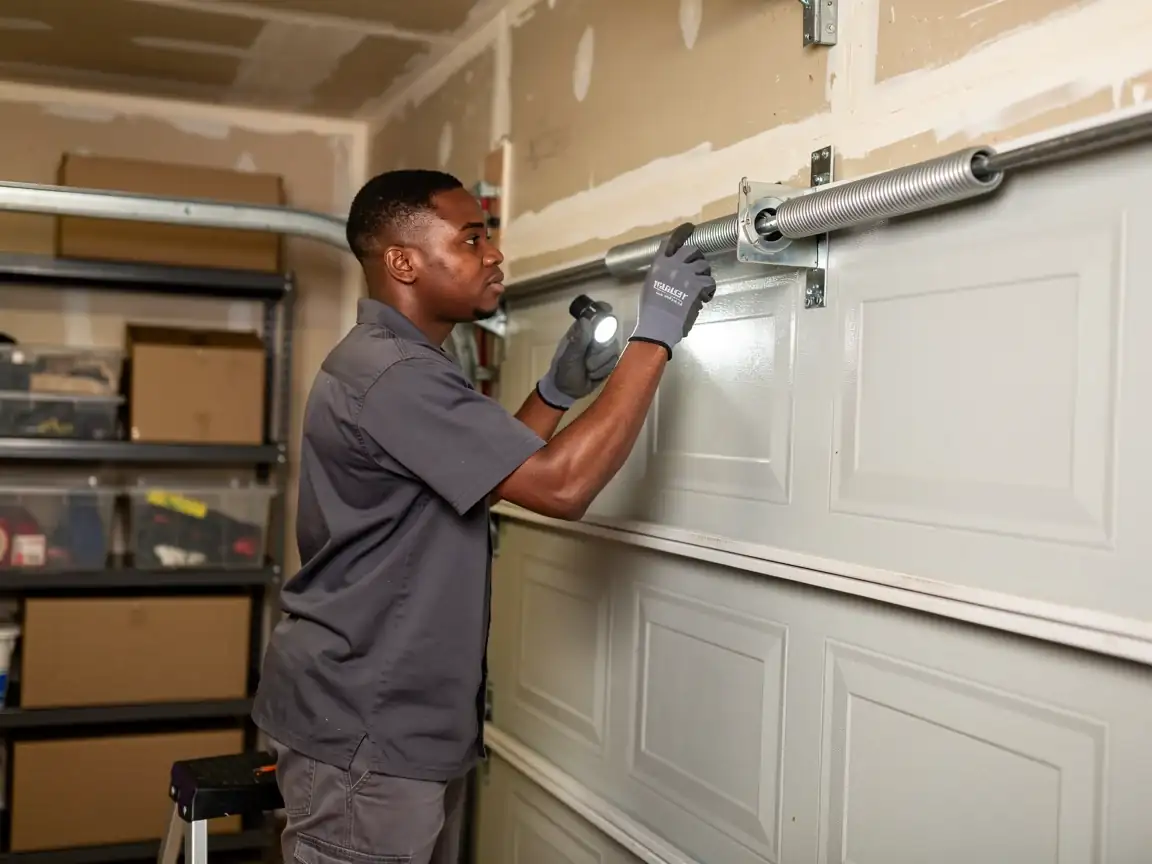
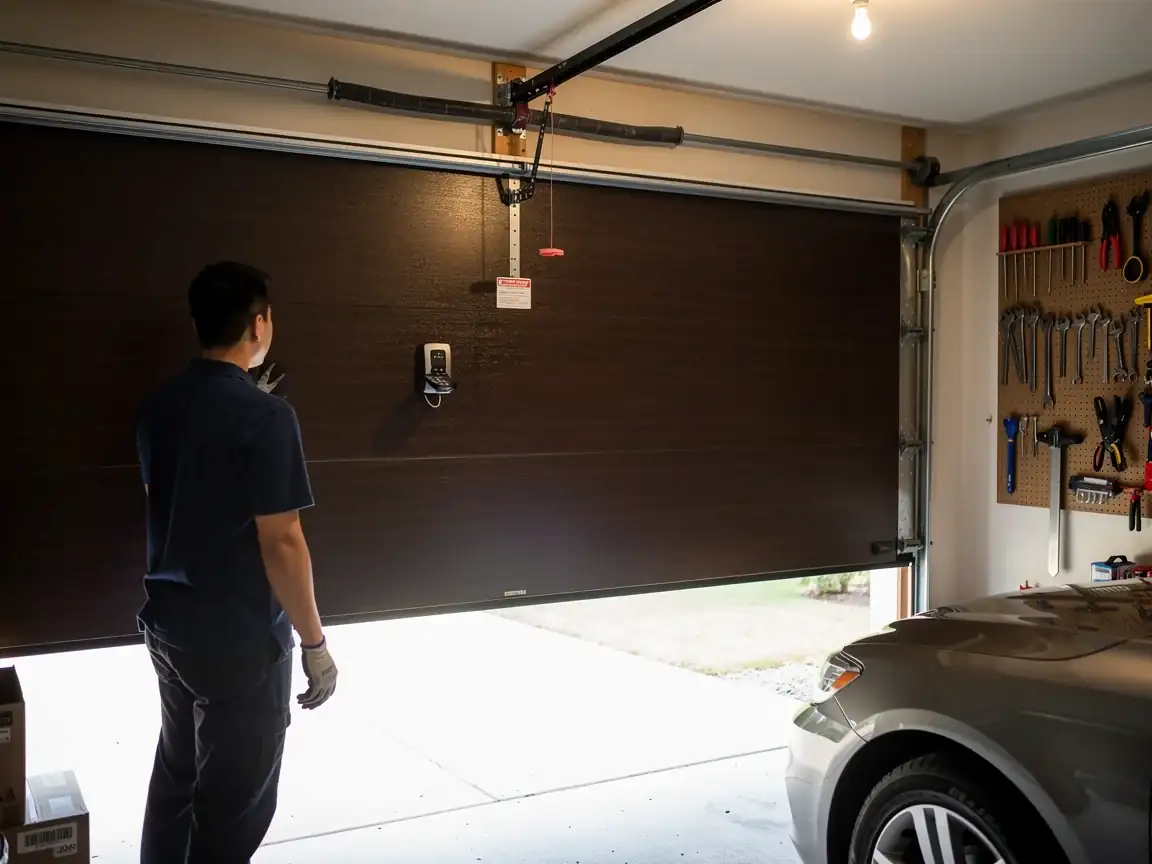
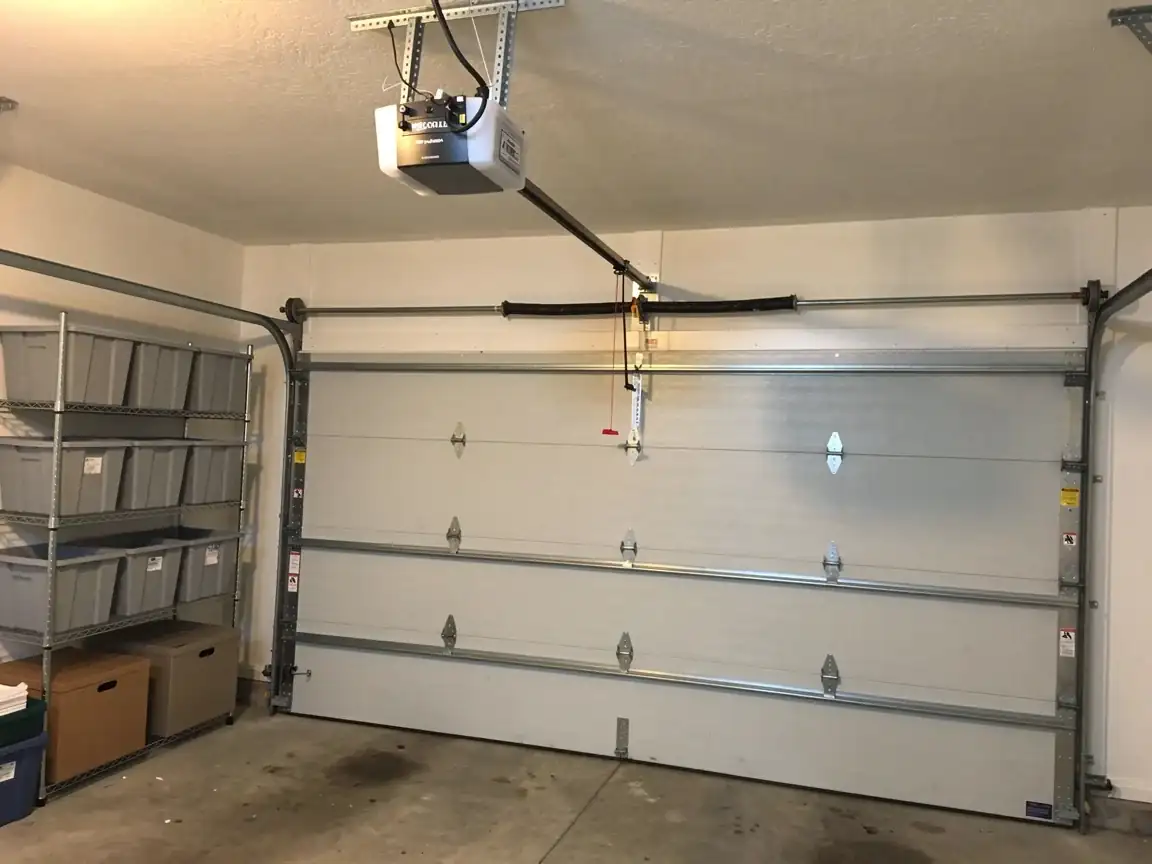
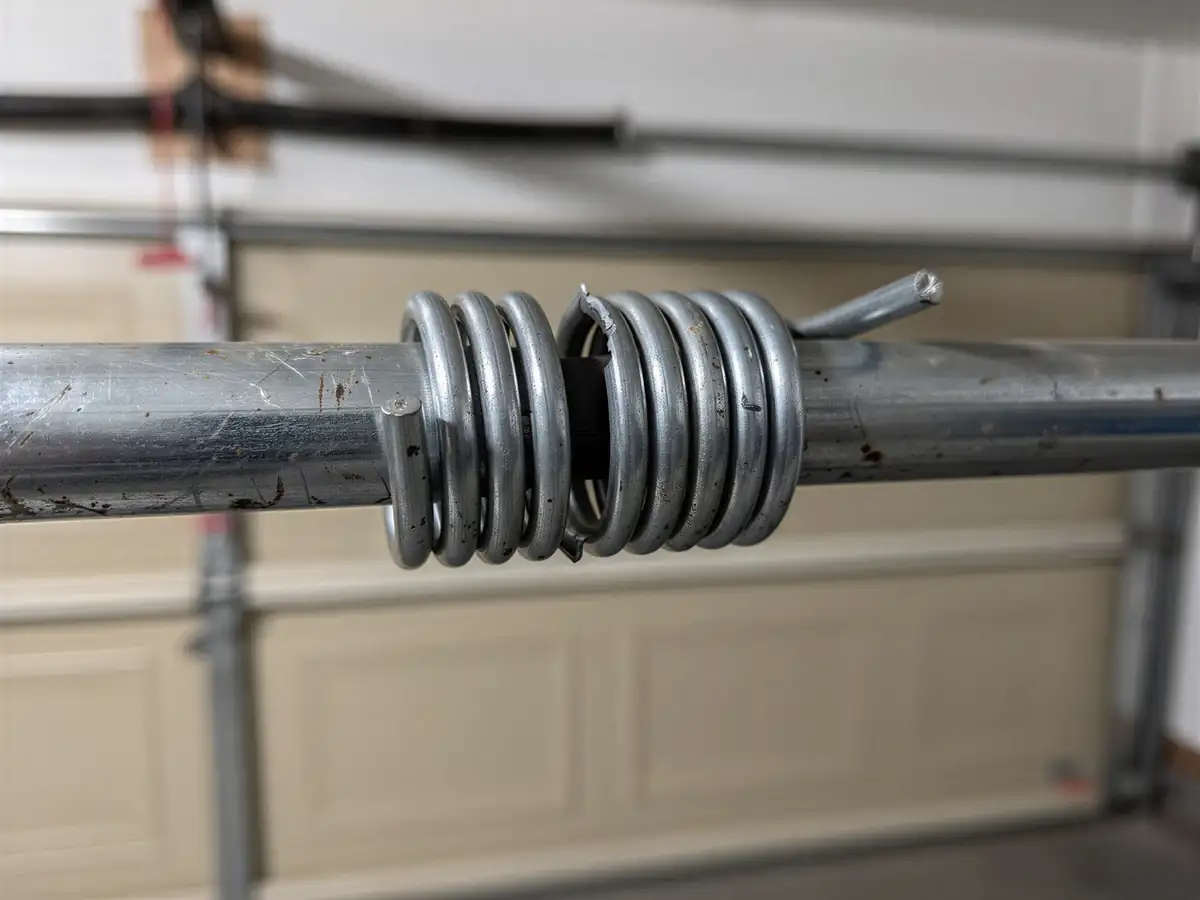
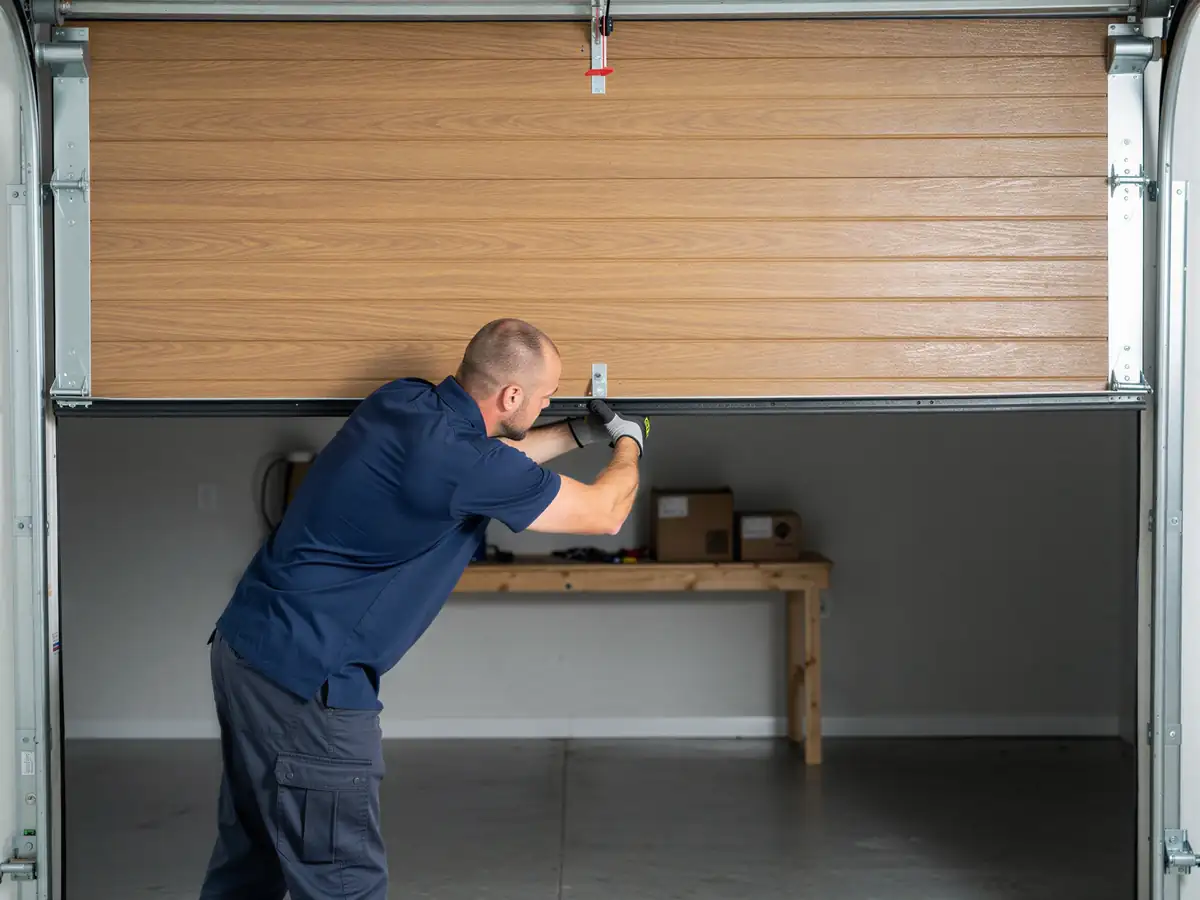
The first sign is almost always cold-weather behavior: the opener strains to lift a door that moved fine in October, or the door reverses halfway up on a January morning and runs smooth again by afternoon. That's a torsion spring losing tension as steel contracts in the cold, and it shows up here more than it would in a newer subdivision.
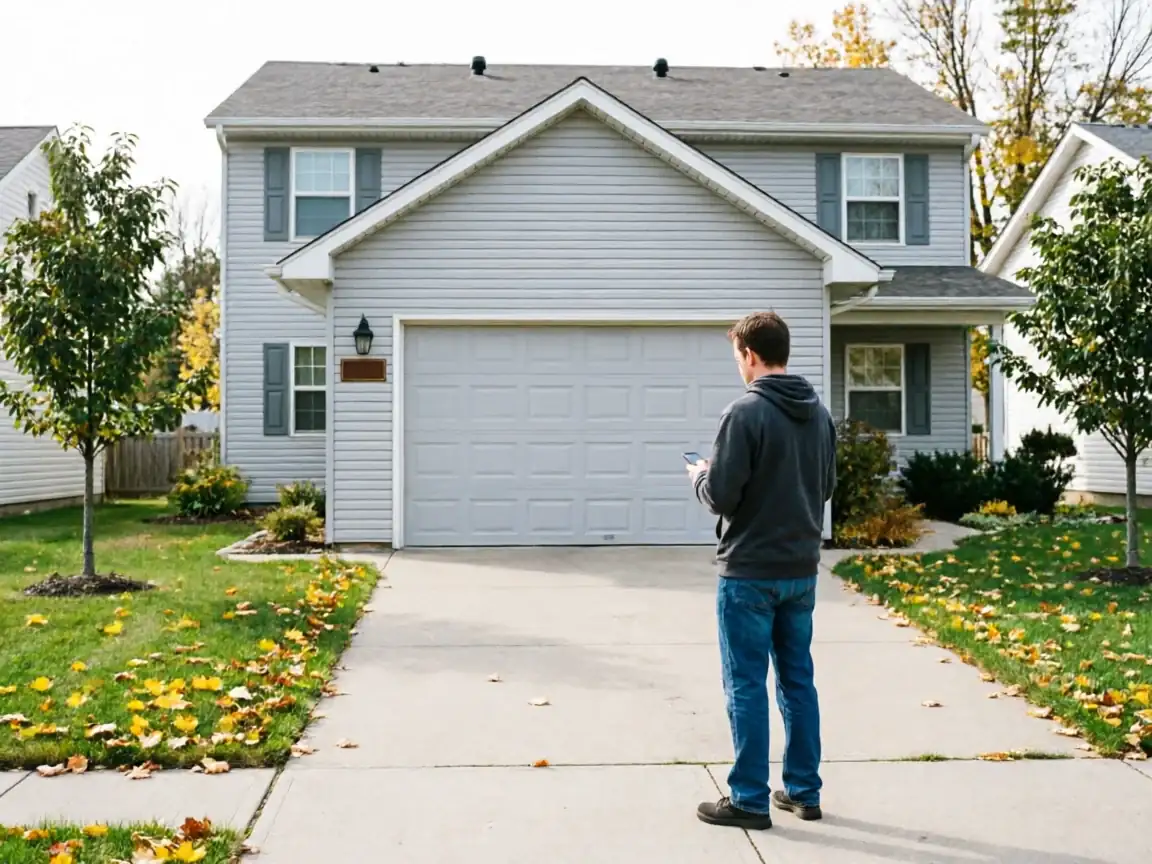
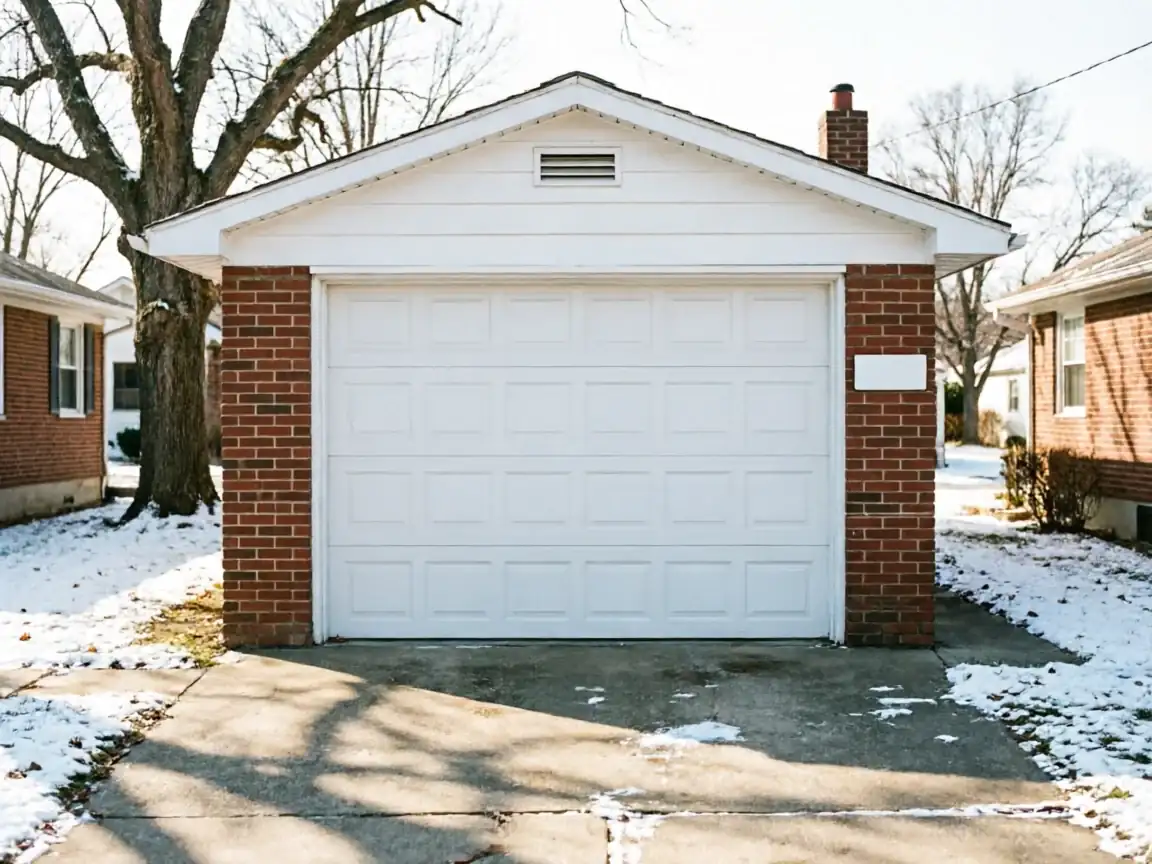
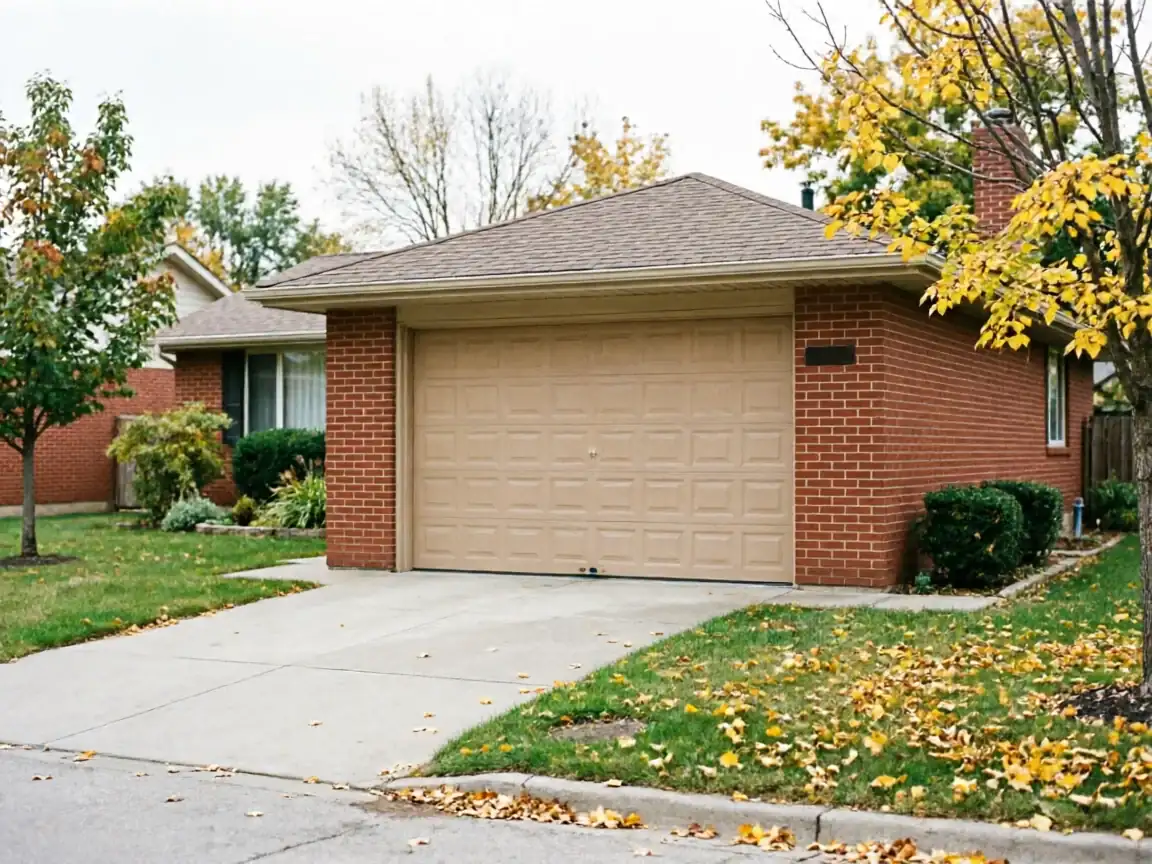
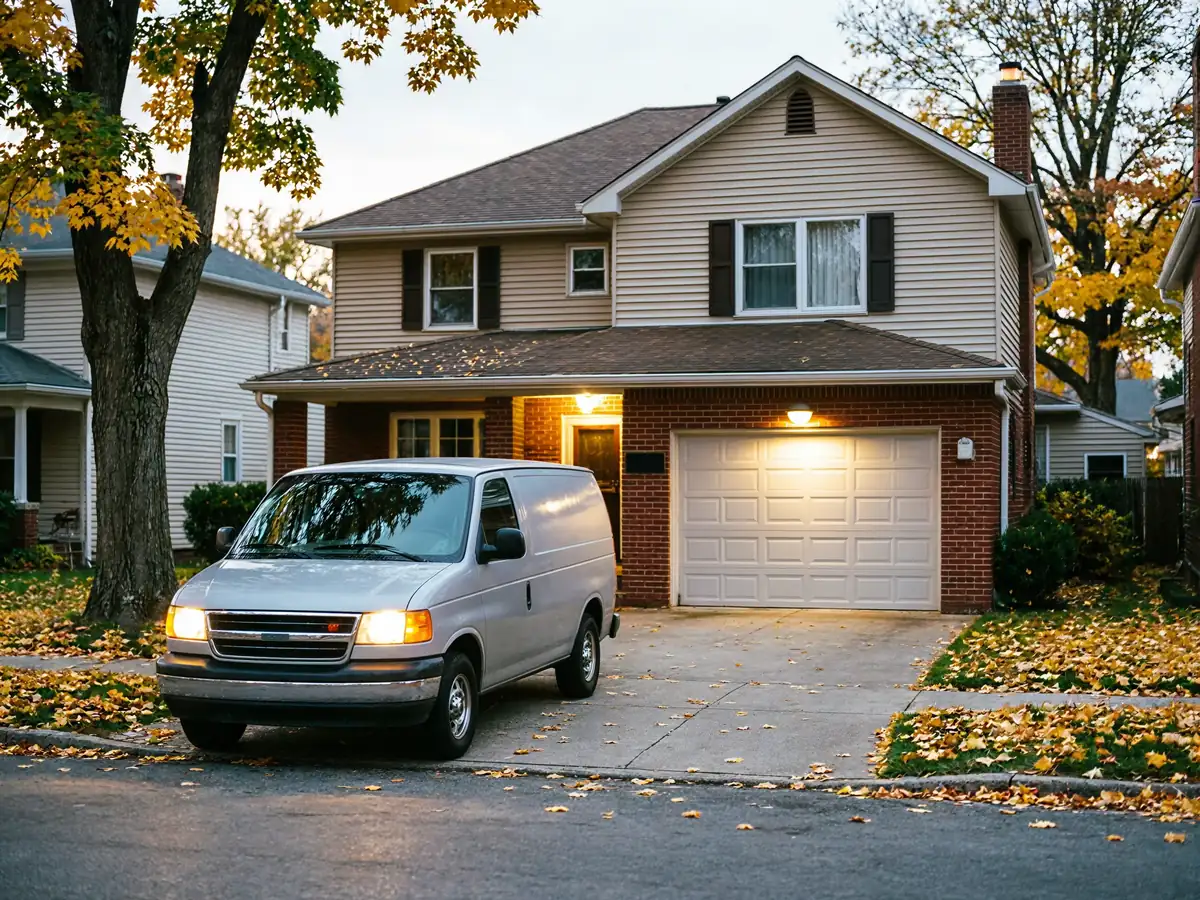
Michigan Center's housing stock centers on 1956, which puts most garages at the tail end of the original one-piece steel door era or the early sectional-door years. A lot of that original torsion hardware is still in place, sized for a door that's been repainted or reinforced since but never had the springs matched to the new weight. When the spring was never upgraded, cold is what finally exposes it - not because the metal failed overnight, but because decades of cycles plus a hard freeze is what it takes to show the wear that's been building since the Eisenhower administration.
Stocked Parts
For a 1956-median neighborhood, the calls that come up most are torsion springs sized for older low-headroom tracks
Steel rollers worn oval from decades of use, and weatherstripping that's hardened and cracked rather than sealed. These are common enough parts that a truck from Jackson carries standard sizes for most of them.
The honest limit: some of the older extension-spring setups still running in this area
Especially ones without a safety containment cable, use hardware that isn't stocked on the truck and has to be special-ordered. If that's what's on your door, the first visit is often a diagnosis and a return trip rather than a same-day fix. We'd rather tell you that up front than have you wait by the window for a part that isn't coming that day.
Why This Fails Locally
Michigan Center's median household income, at $68,114, runs a bit above the $65,349 figure for the wider service area, and the town's 2,156 households are a small slice of the 14,232 across that area. That combination tends to mean owners here are more likely to maintain a door themselves - oiling a track, tightening a bracket - than to let it run to failure, which is good, except that self-maintenance on 1950s-era hardware often misses the one thing that actually matters: spring tension.
A homeowner can lubricate rollers and hinges all year and still have a spring that's been overdue for replacement since before they bought the house. In a climate band that runs cold and severe, that spring is the part most likely to let go exactly when the door is under the most strain - a frozen morning, several short cycles in a row. Maintenance here isn't about the parts people can see; it's about the one they can't easily judge by eye.
The Complications
Michigan Center is 4 miles from Jackson, the shortest run of any town in the service area, which keeps travel simple, but it doesn't change the fact that there's no local depot or branch here - every truck and every part comes out from Jackson. That means scheduling works the same way it would from any distance: a booked slot, not a drive-by.
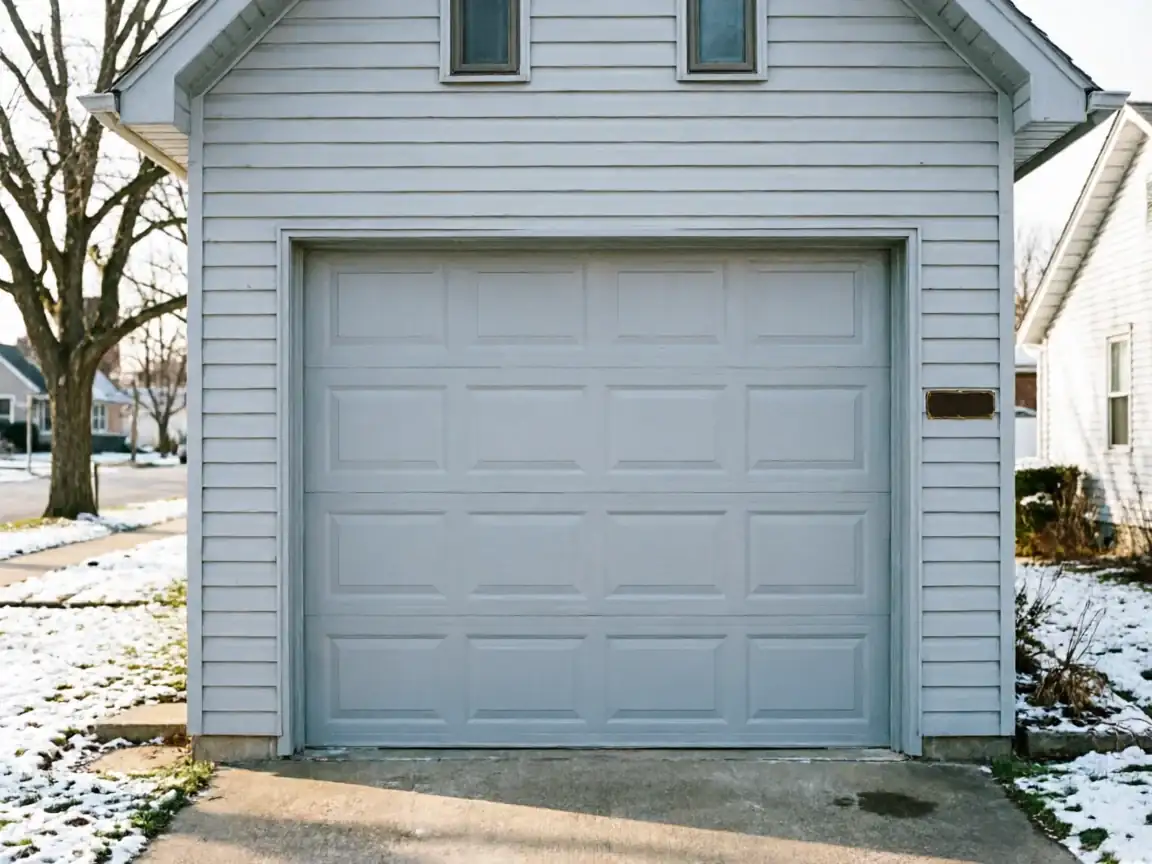
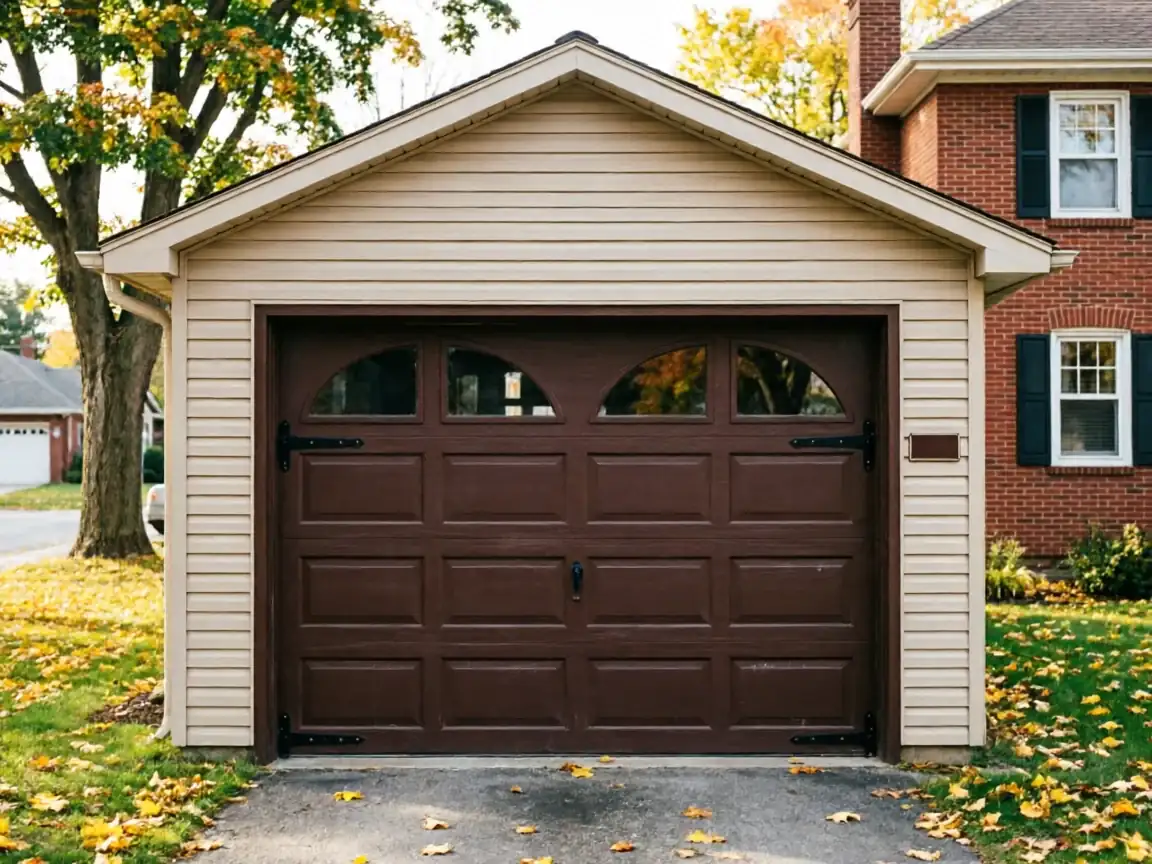
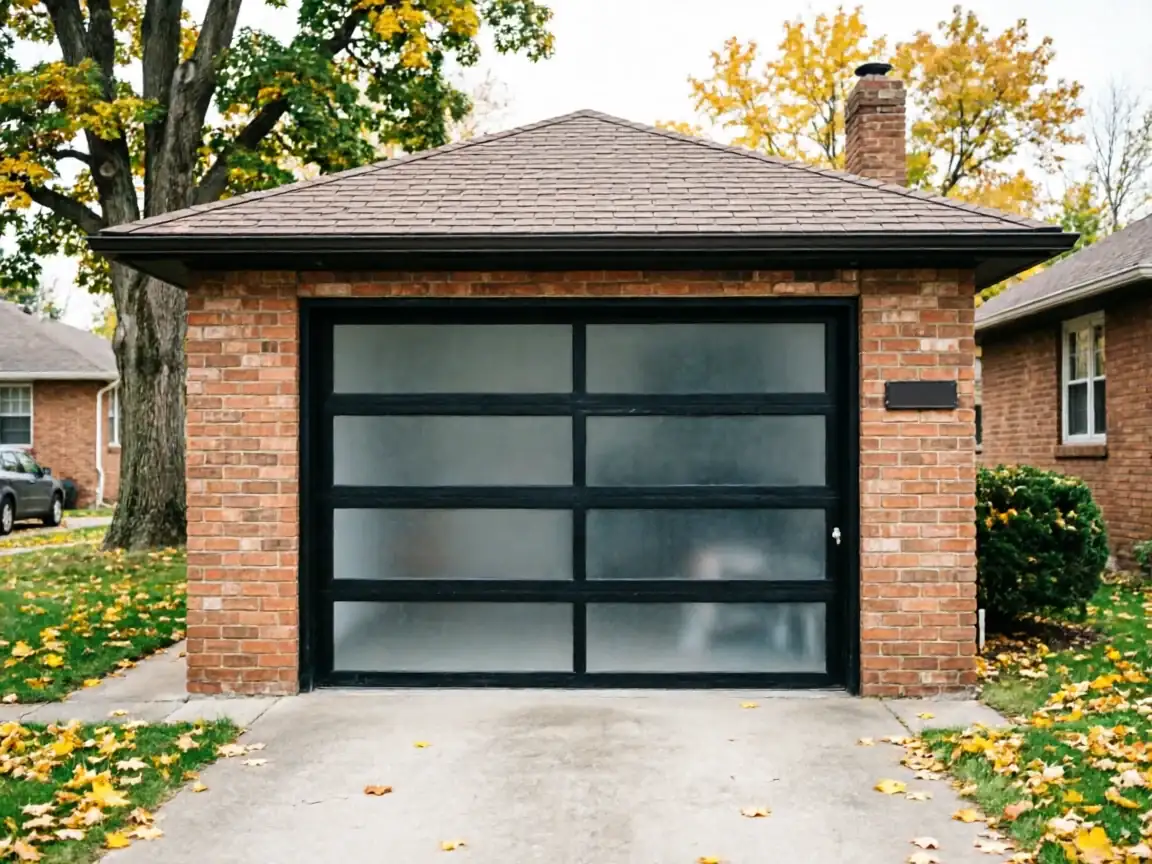
The other complication is the housing itself. A neighborhood built mostly around 1956 means a wide range of garage configurations - some converted, some original, some with headroom that doesn't match a modern spring kit. That variation means a maintenance visit sometimes turns into a conversation about whether a part should be replaced now or watched for another season, rather than a fixed checklist. We'd rather have that conversation than force a one-size routine onto a door built two generations ago.
How to Book
If you're in Michigan Center and want a door looked over before the hard freeze sets in
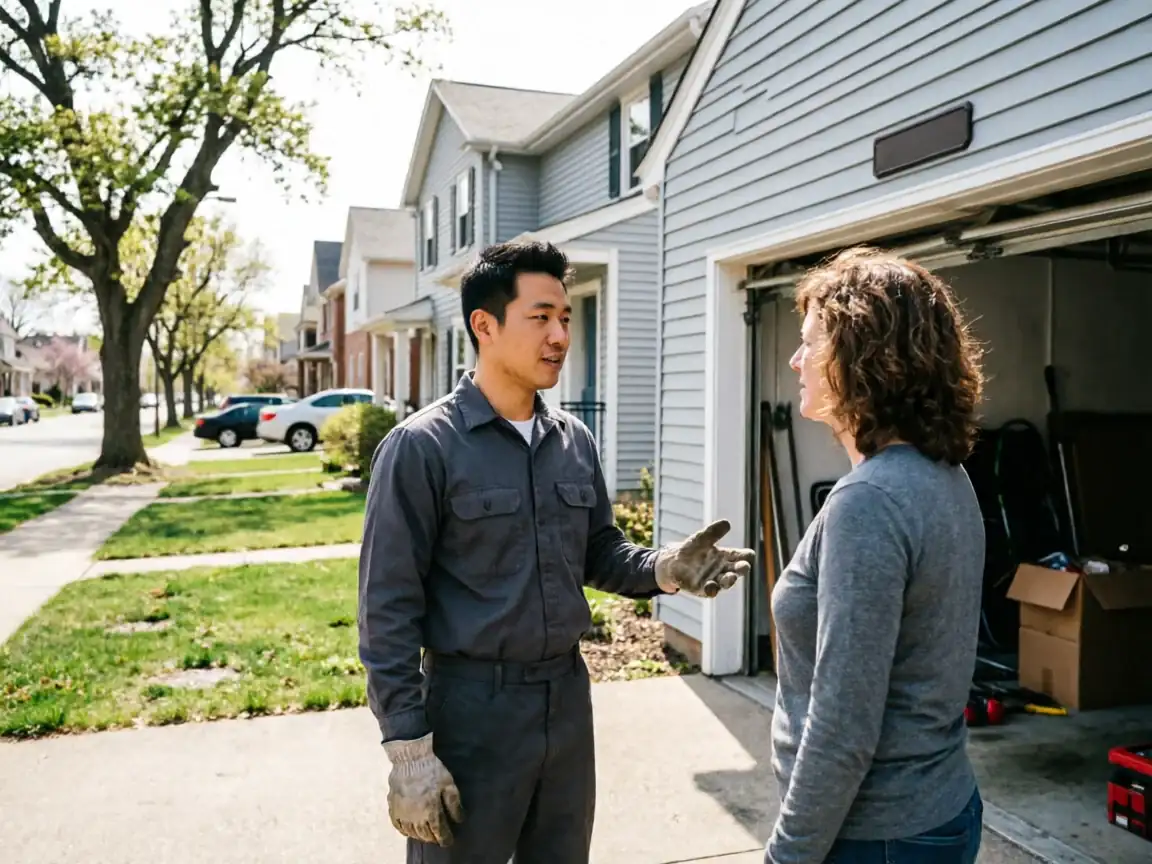
Or you've already noticed the opener working harder than it used to, the next step is scheduling a visit from the Jackson crew. You can see what a standard service call covers on the Michigan Center service page, and if what you actually need is a broader look at maintenance across the service area, that's covered on the Jackson maintenance page.
For Michigan Center specifically, the short version is this
Tell us the age of the house if you know it, and whether the door has ever had new springs installed. That one detail - original hardware or replaced - tells us more about what the visit will involve than almost anything else you could mention.