How It Shows Up
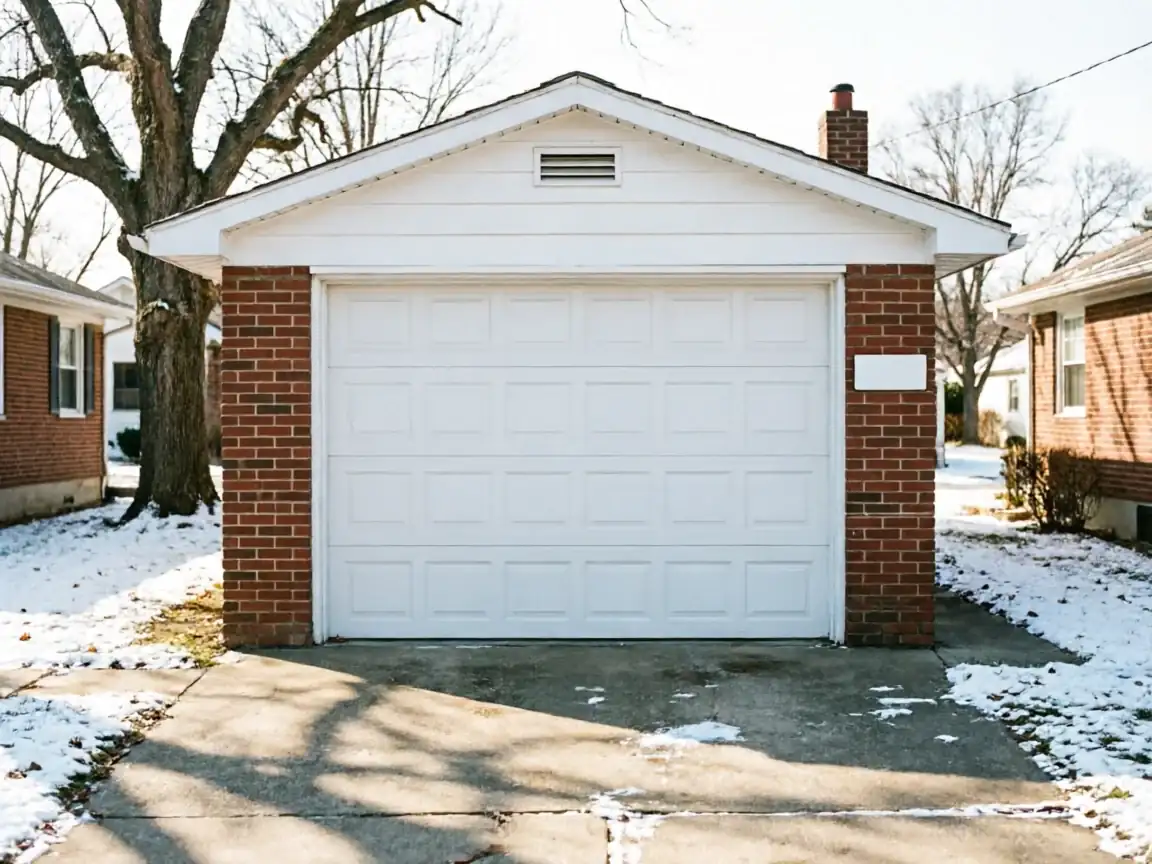
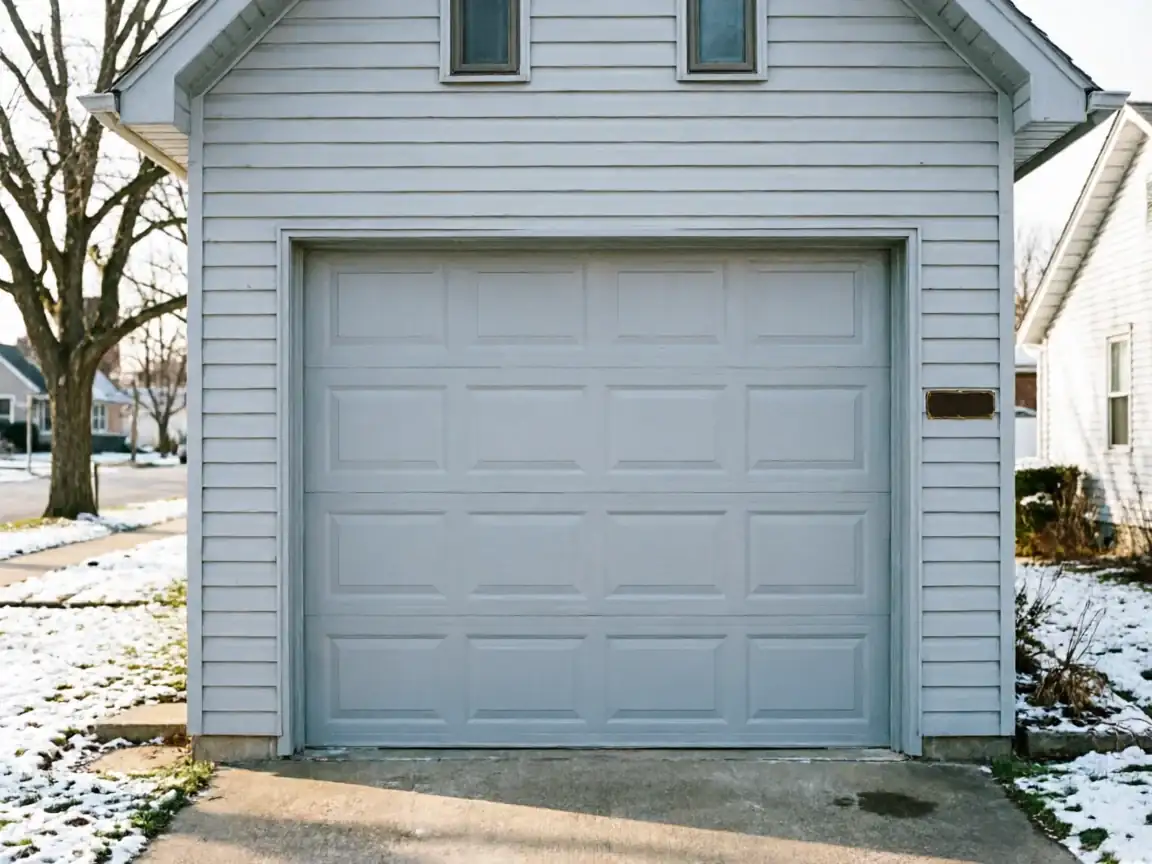
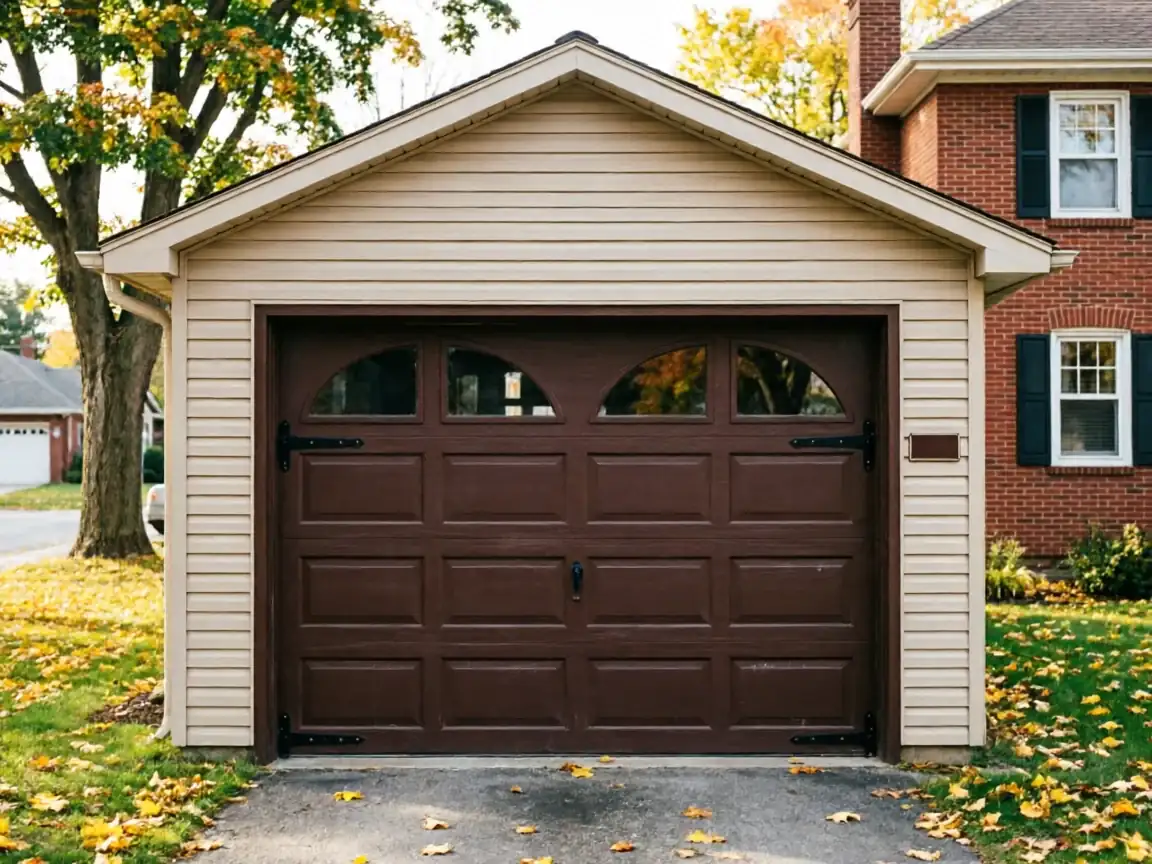
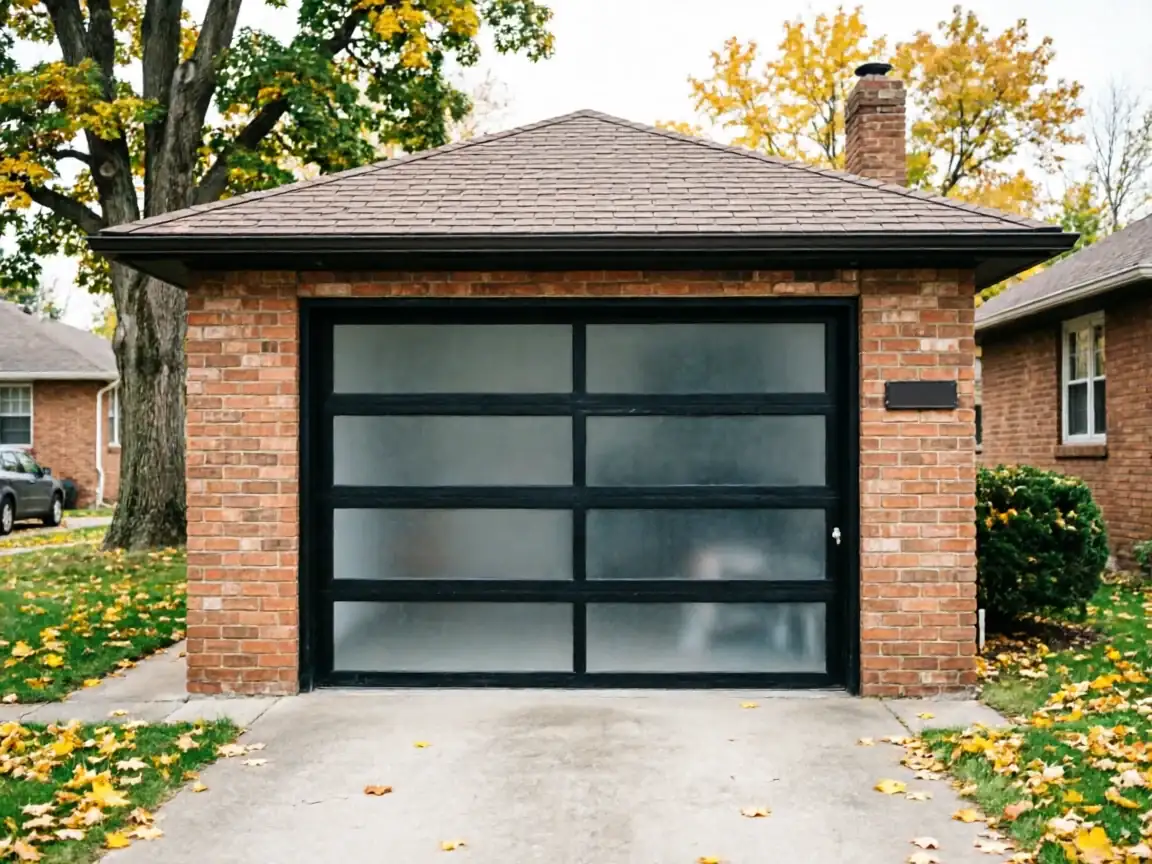
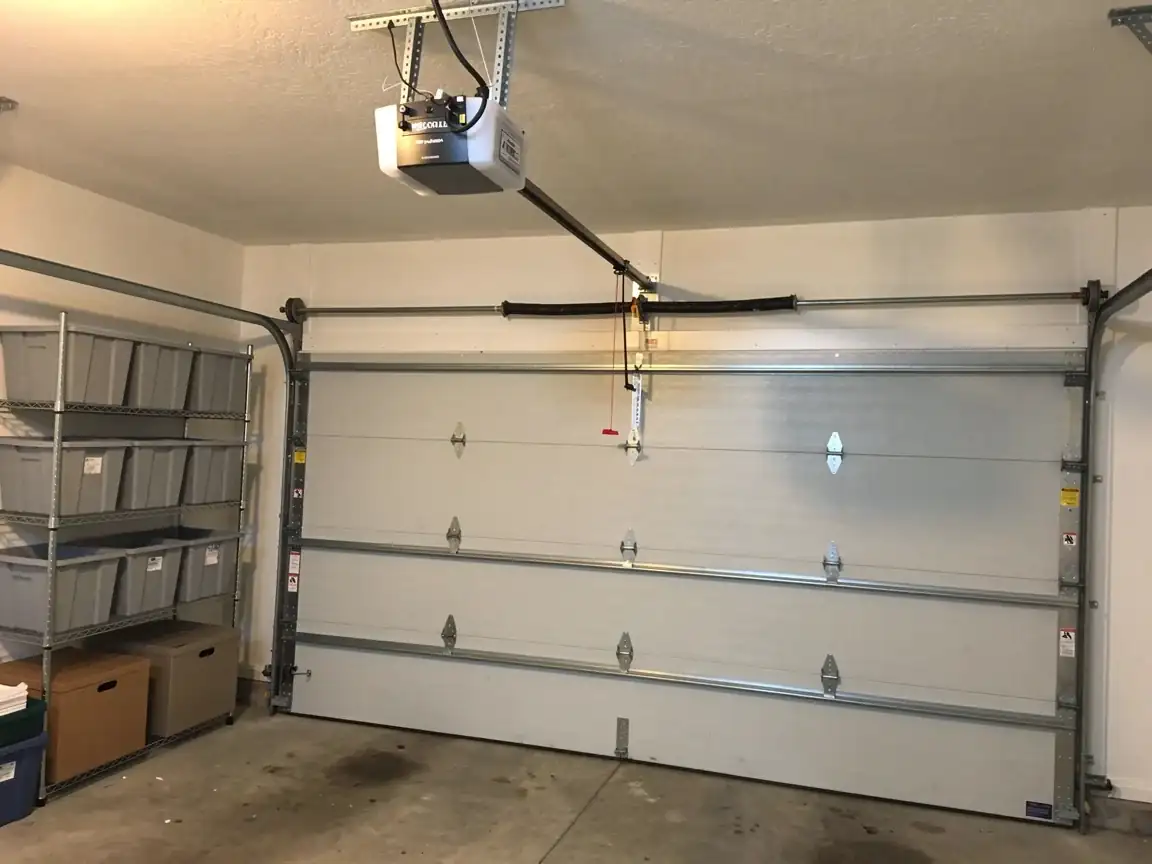
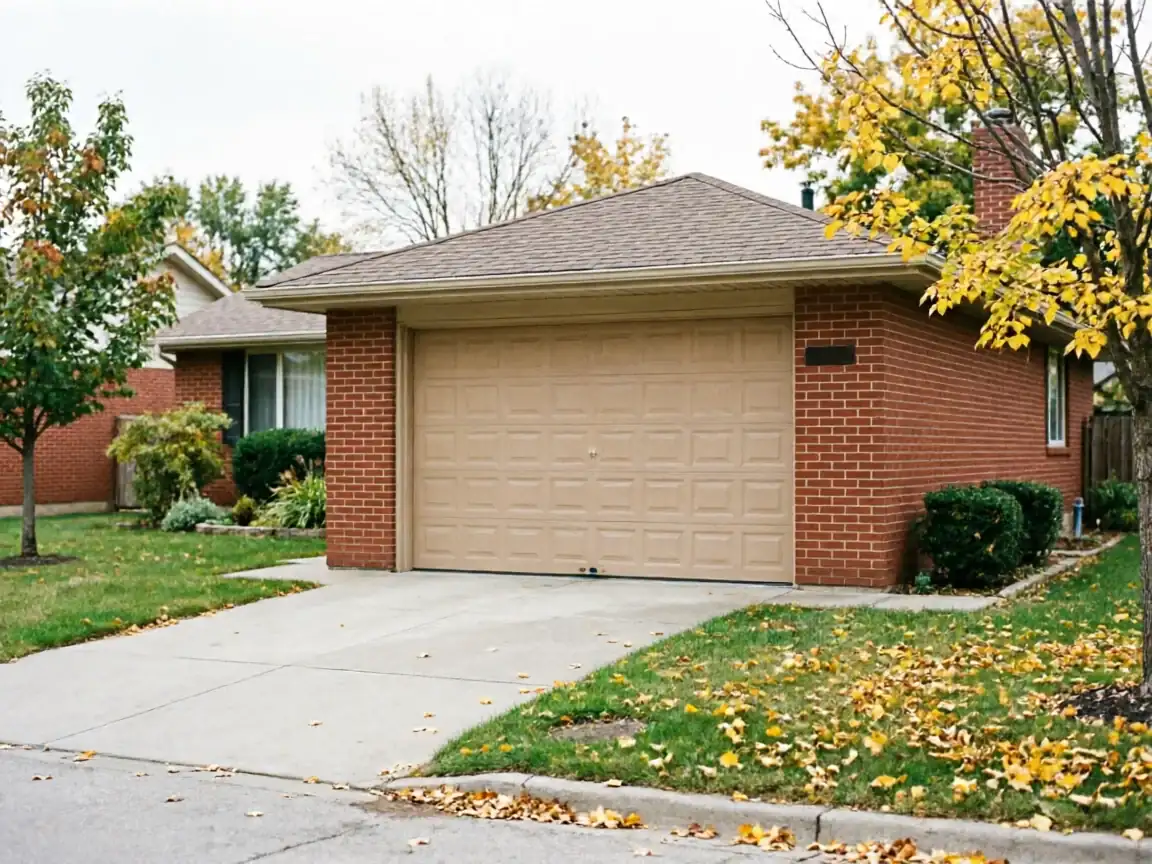
Most houses in Michigan Center went up around 1956, back when a garage was often a single narrow bay with a heavy wood or early steel door hung on track that was never meant to carry an electric opener. Openers got added later, bolted onto framing that was built for a hand-lifted door, not a motor pulling against it every day. That mismatch is where the trouble starts. You'll hear the motor run but the door won't move, or it moves a few inches and reverses. Sometimes the light blinks a code and nothing else happens. On these older doors the opener is frequently fighting a travel limit that was set for a different door, or pulling on a bracket that's worked loose from fifty-plus years of vibration. The opener gets blamed first because it's the part that makes noise, but on a lot of these jobs the opener is fine and the door assembly under it is the actual problem.
Why This Fails Locally
Severe cold is the other half of this. An opener drawing hard against a door that's stiff from cold-shrunk grease or a warped older wood panel pulls more amperage than it should, and that's what burns out a logic board or a capacitor years before it would wear out in a mild climate. On a 1950s-built house the garage is also often unheated and attached at an angle that catches wind, so the door itself works harder in winter than a newer, better-sealed unit would. The opener takes the blame, but the real strain started at the door. This is the pattern we see repeatedly on calls from this side of the service area, where median household income sits at $68,114 and a lot of owners are maintaining a house built the same decade the opener industry itself was still young.
The Complications
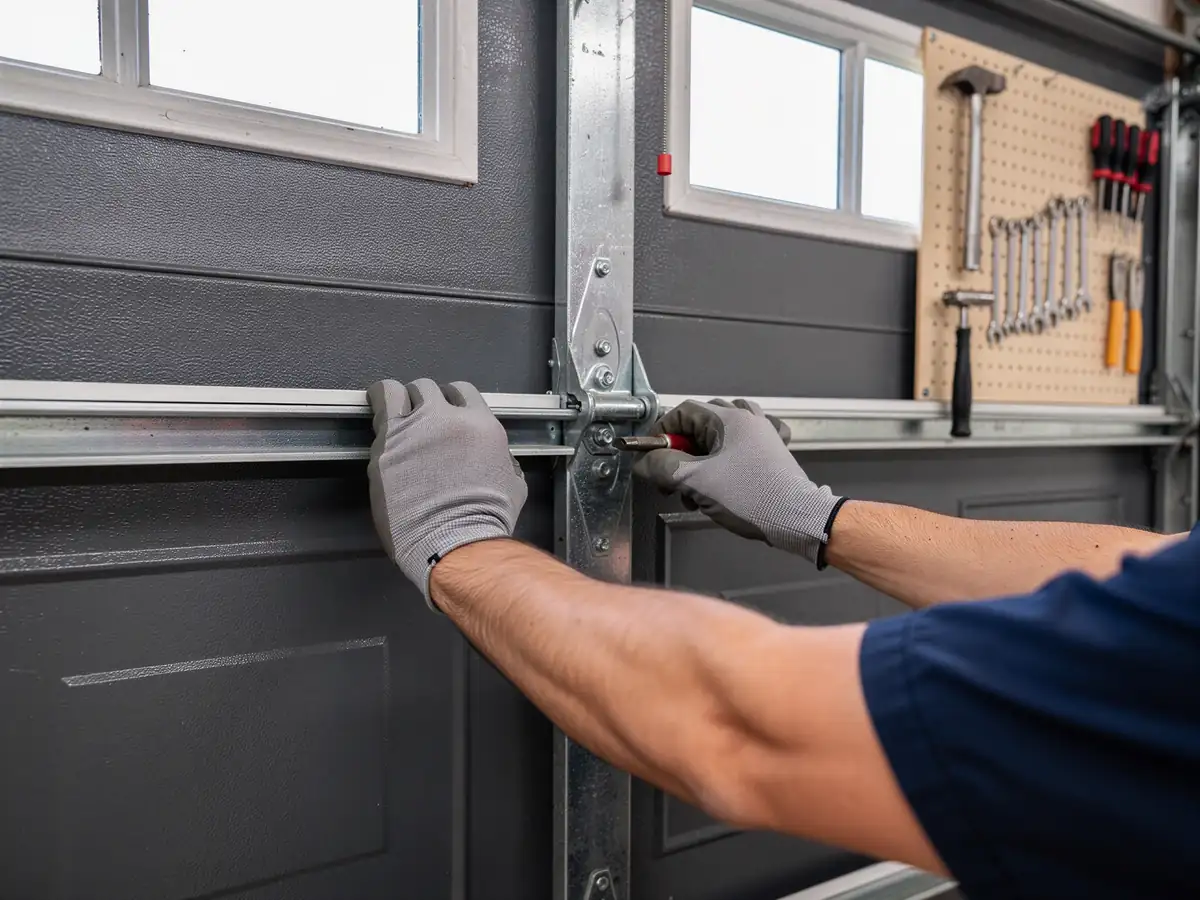
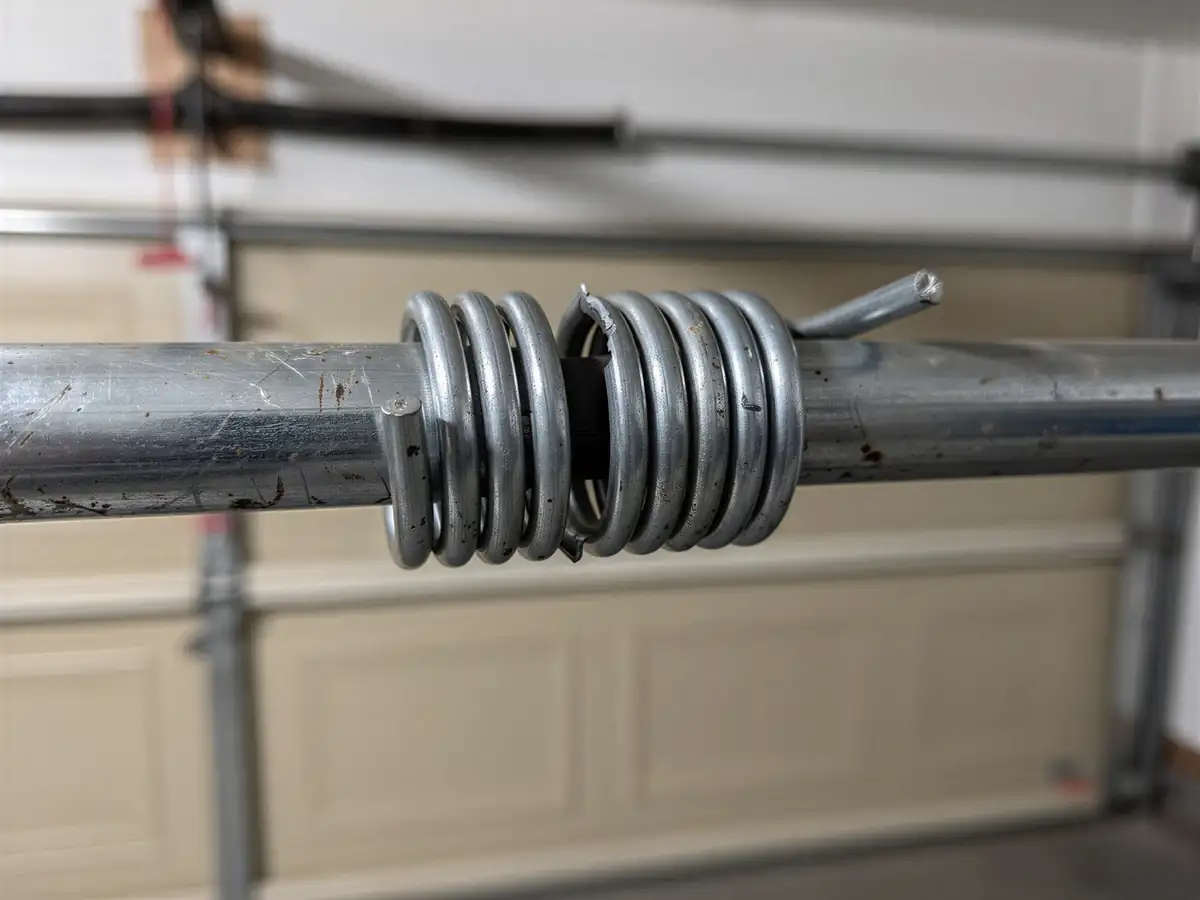
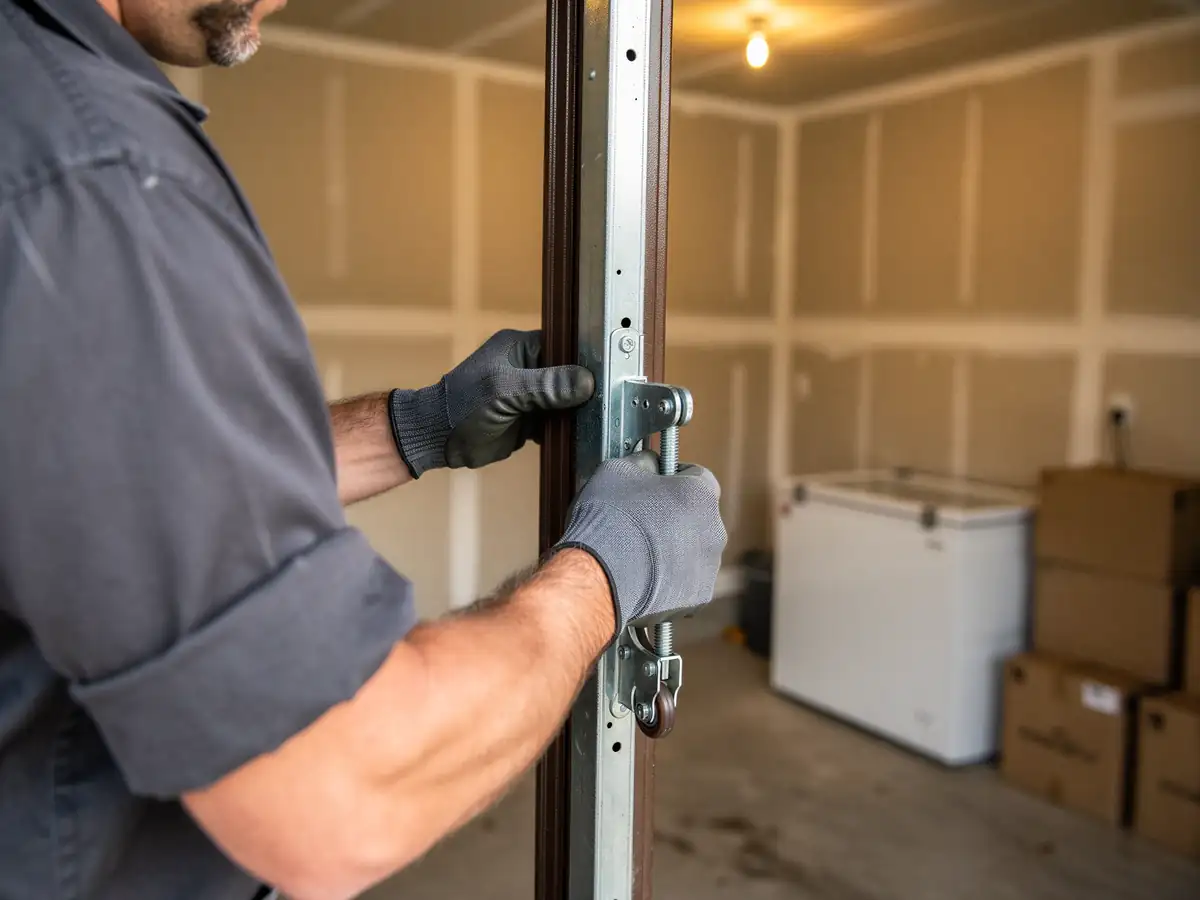
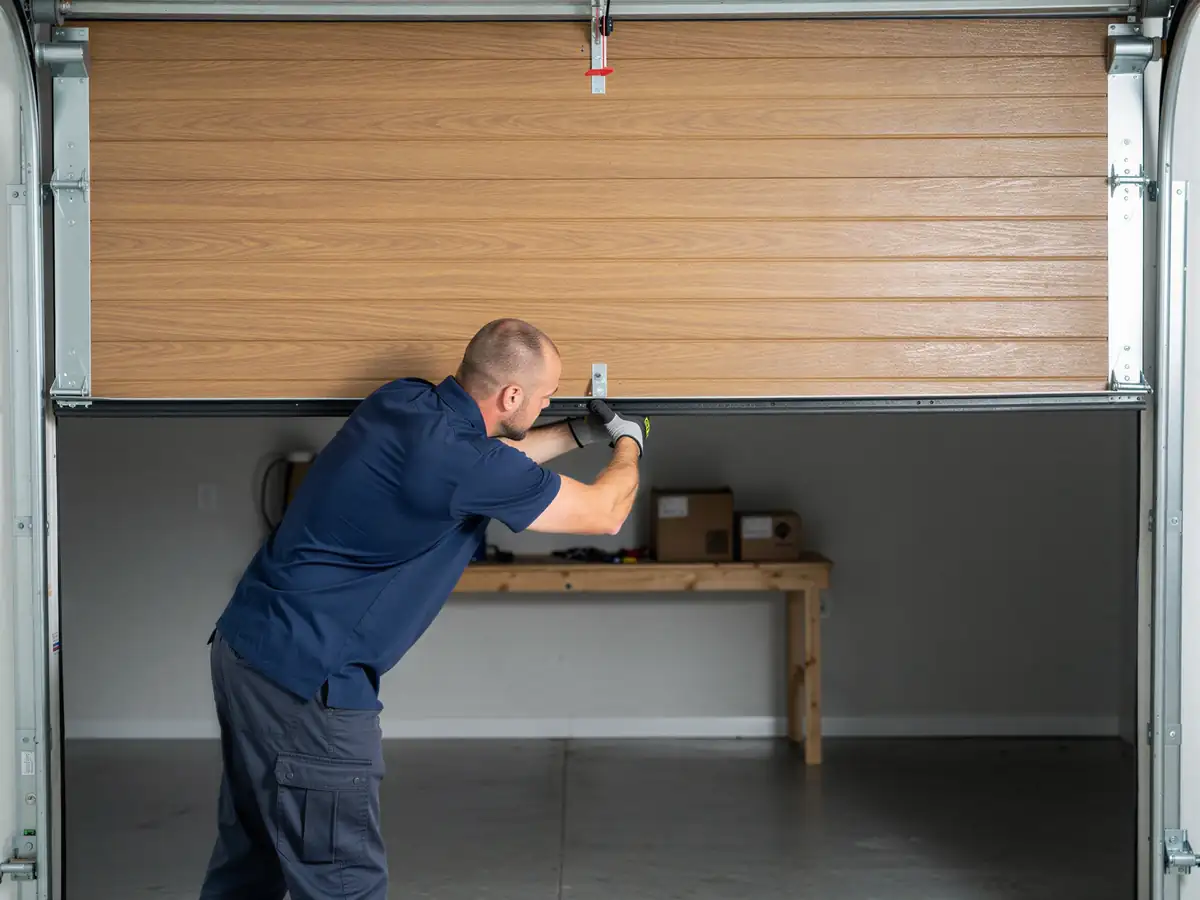
Once an opener fails on a door this old, there's a decision point: repair the opener in place, or admit the door and track are also due. We'll give it to you straight - if the door is racked, the rollers are shot, or the track is bent from decades of use, a new opener bolted onto that same bad geometry will fail again, usually within a year. That's not a reason to always replace; plenty of these doors are structurally sound and just need the opener-to-door interface rebuilt properly. But we won't install a new motor on a door we know is going to keep fighting it. Parts availability is the other complication worth naming honestly: a legacy opener model sometimes means a short wait on a specific rail or sprocket rather than a same-day fix, since Michigan Center is served from our Jackson shop four miles out and we stock for the common cases, not every discontinued model.