How It Shows Up
Michigan Center is a small place - about 2,156 households, nowhere near the size of the bigger service towns we cover out of Jackson. That matters for how calls come in. A town this size doesn't generate enough volume for any shop to park a truck here full time, but it's close: four miles from our Jackson base, which is a short run whether it's a Tuesday morning tune-up or a spring that let go on a Saturday.
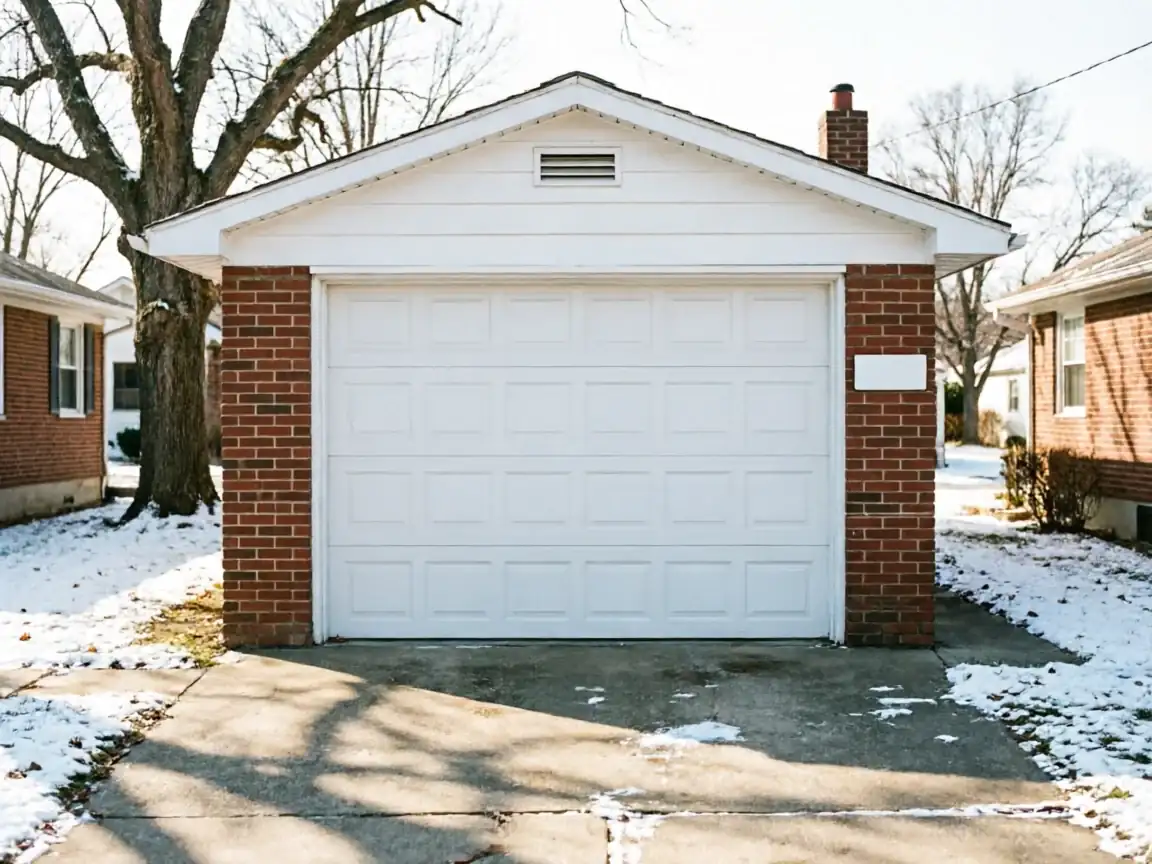
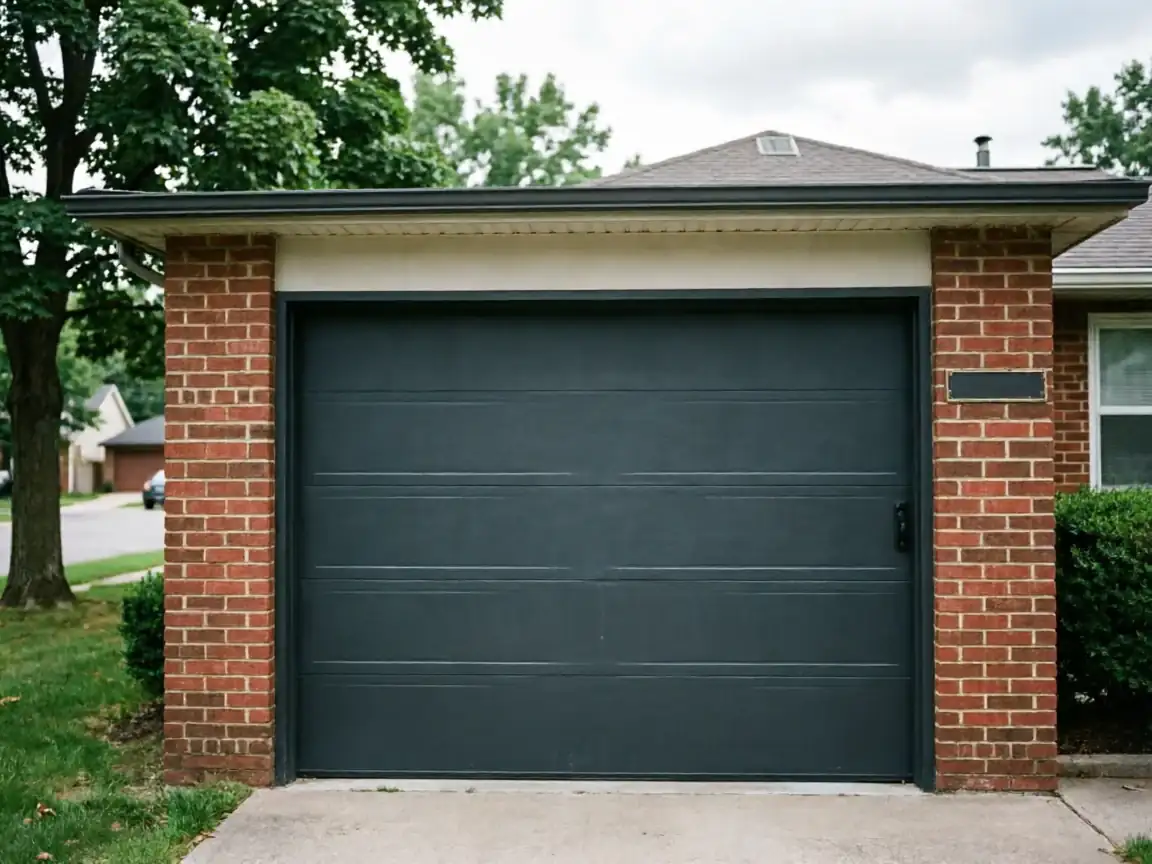
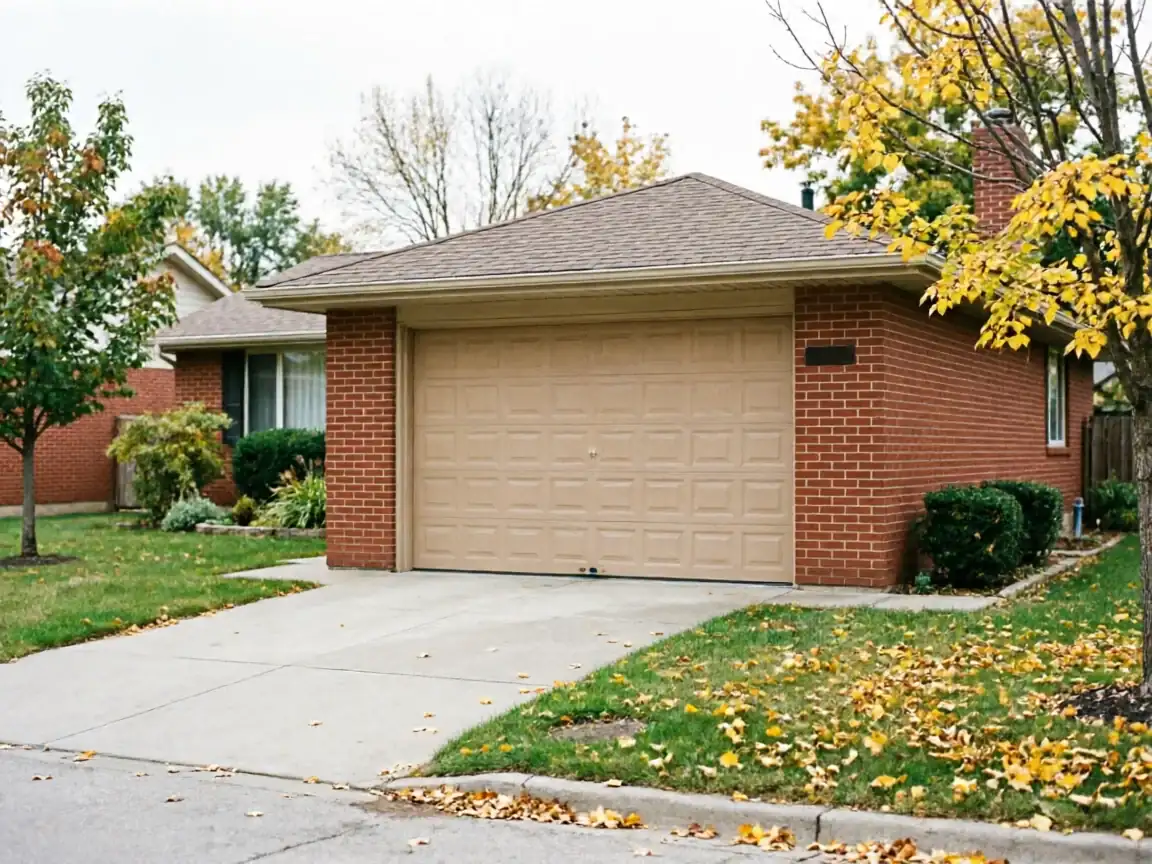
With a household count this small, the calls tend to cluster by housing era rather than by neighborhood, since there isn't the sprawl of newer subdivisions you'd see in a bigger town. Most of what we see here traces back to homes built around the median year of 1956, which lines up with the broader pattern across the area of houses going up between 1938 and 1988. That means a lot of original hardware still in service, or a first-generation replacement that's now old itself.
The short distance keeps the job itself simple - it's the door that's usually not simple, because of what was installed decades ago and never touched since.
Stocked Parts
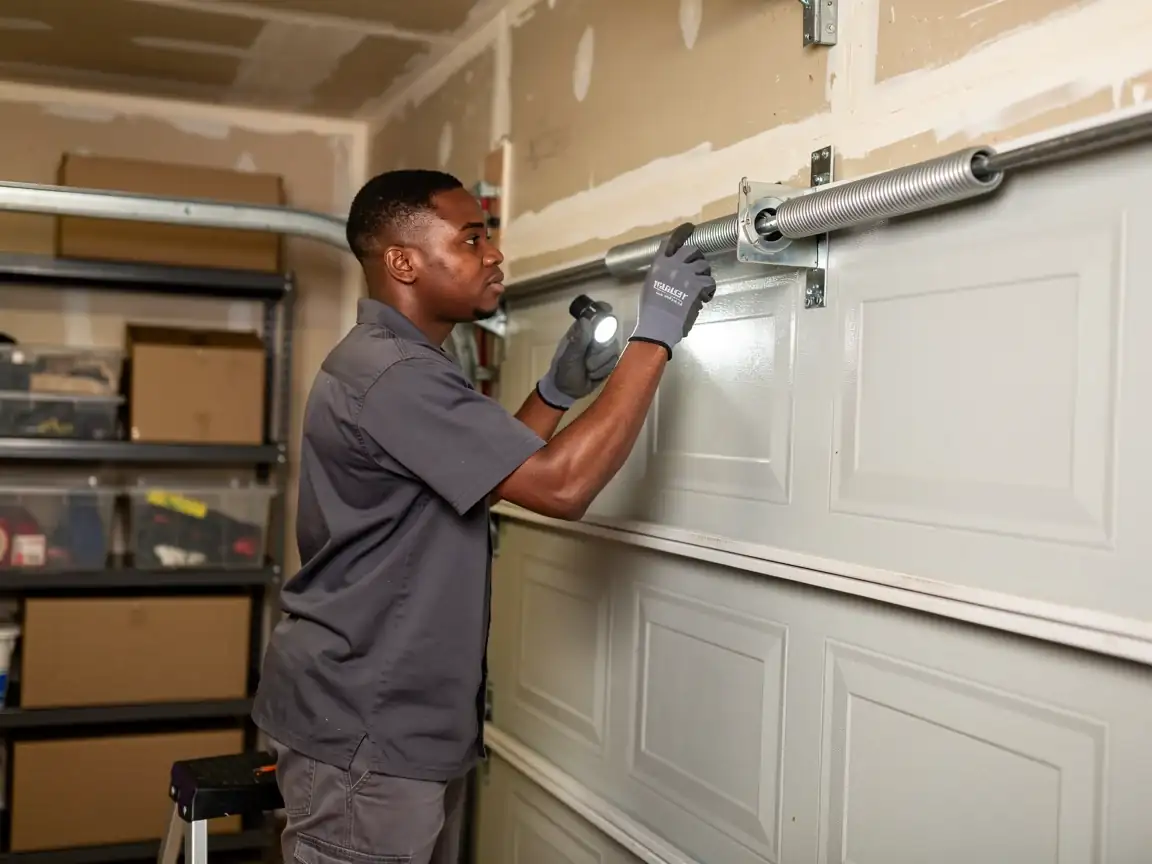
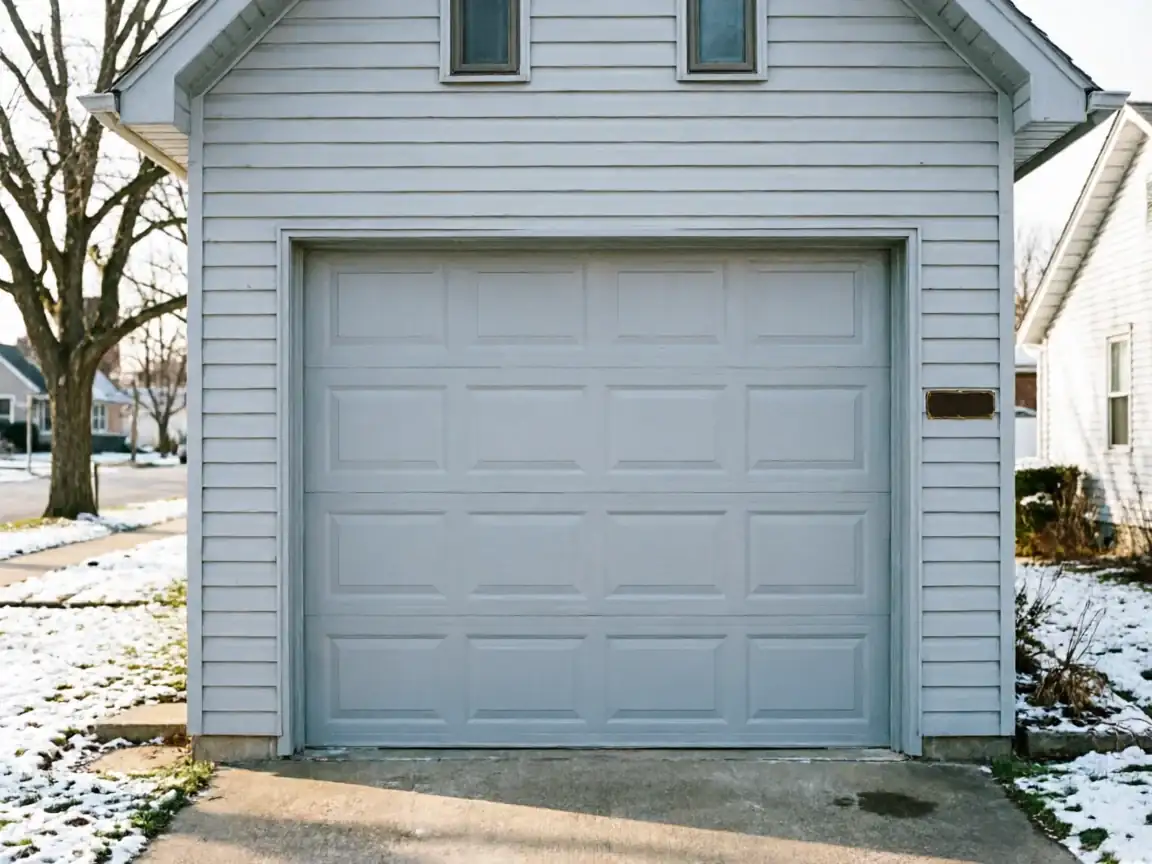
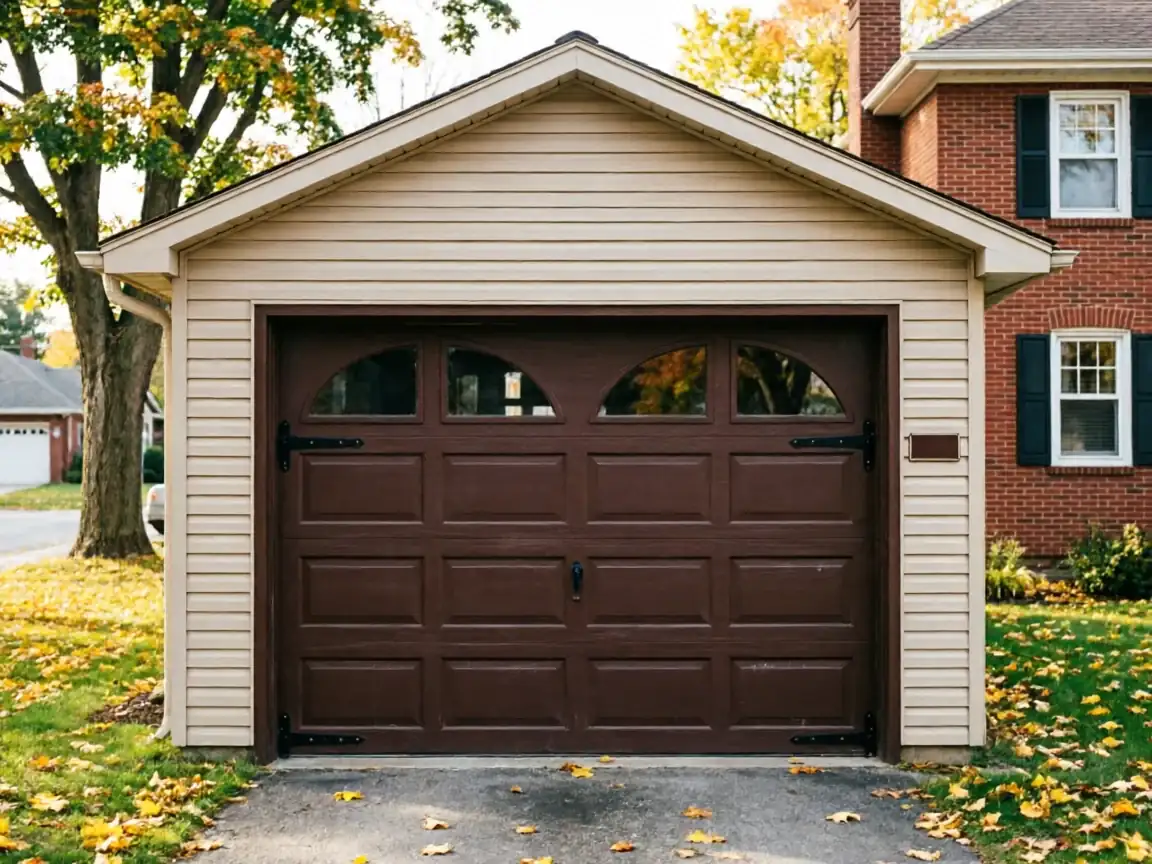
Doors built around 1956 commonly ran lightweight sectional panels on torsion springs sized for a lighter door than what often replaced them later
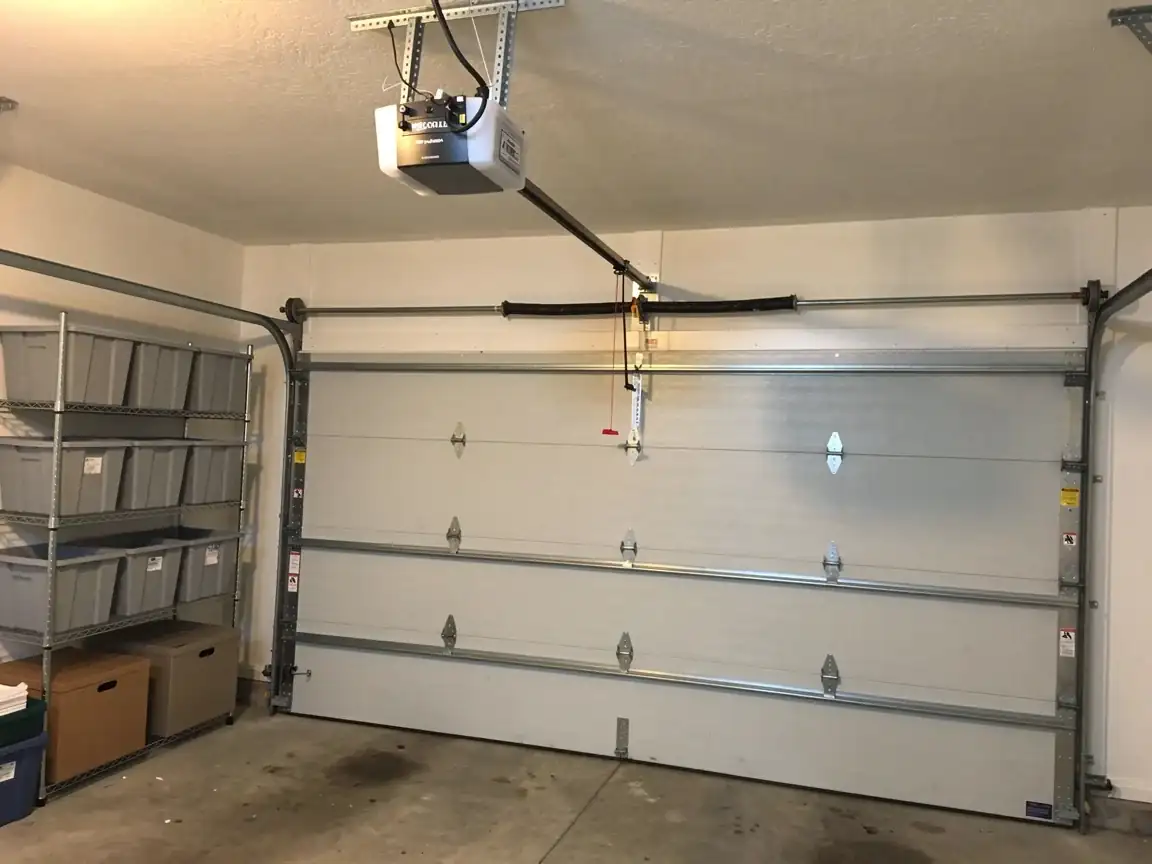
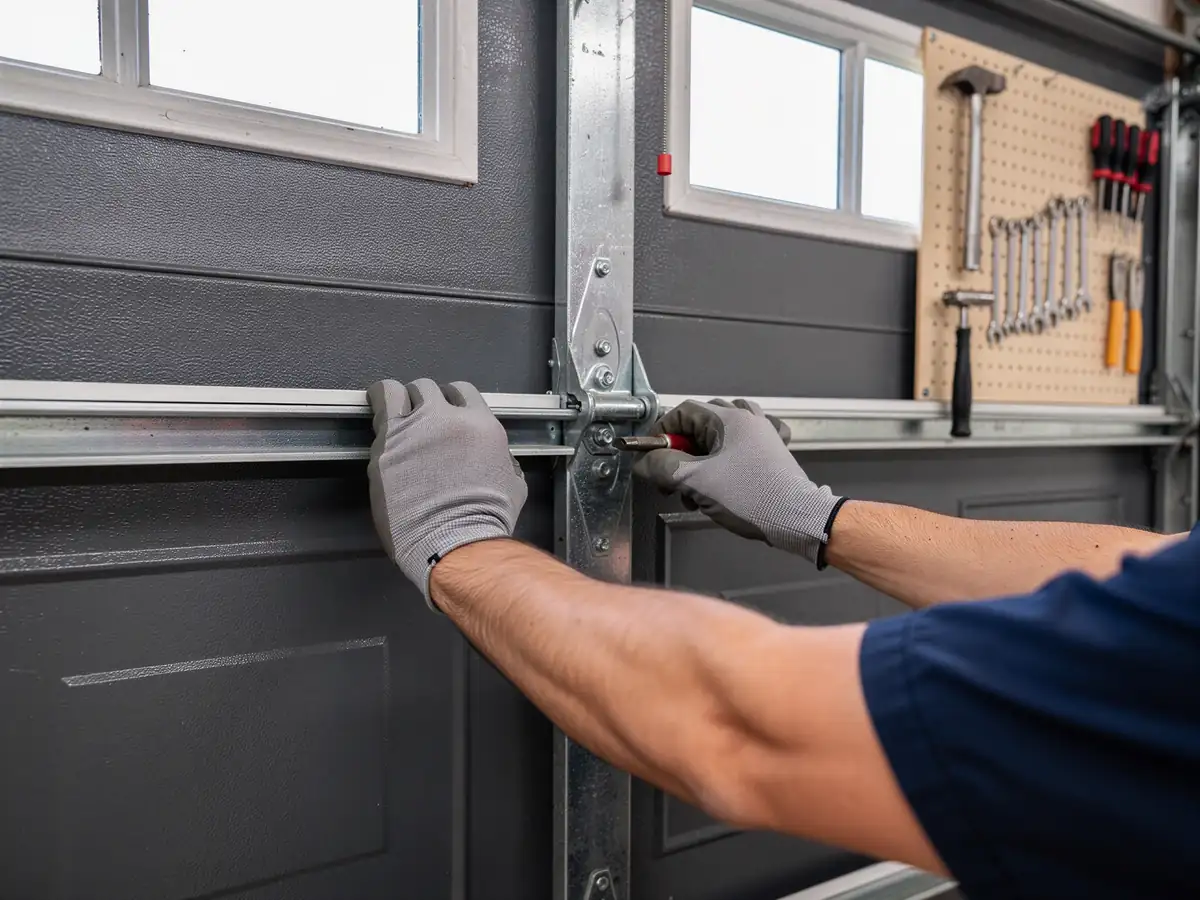
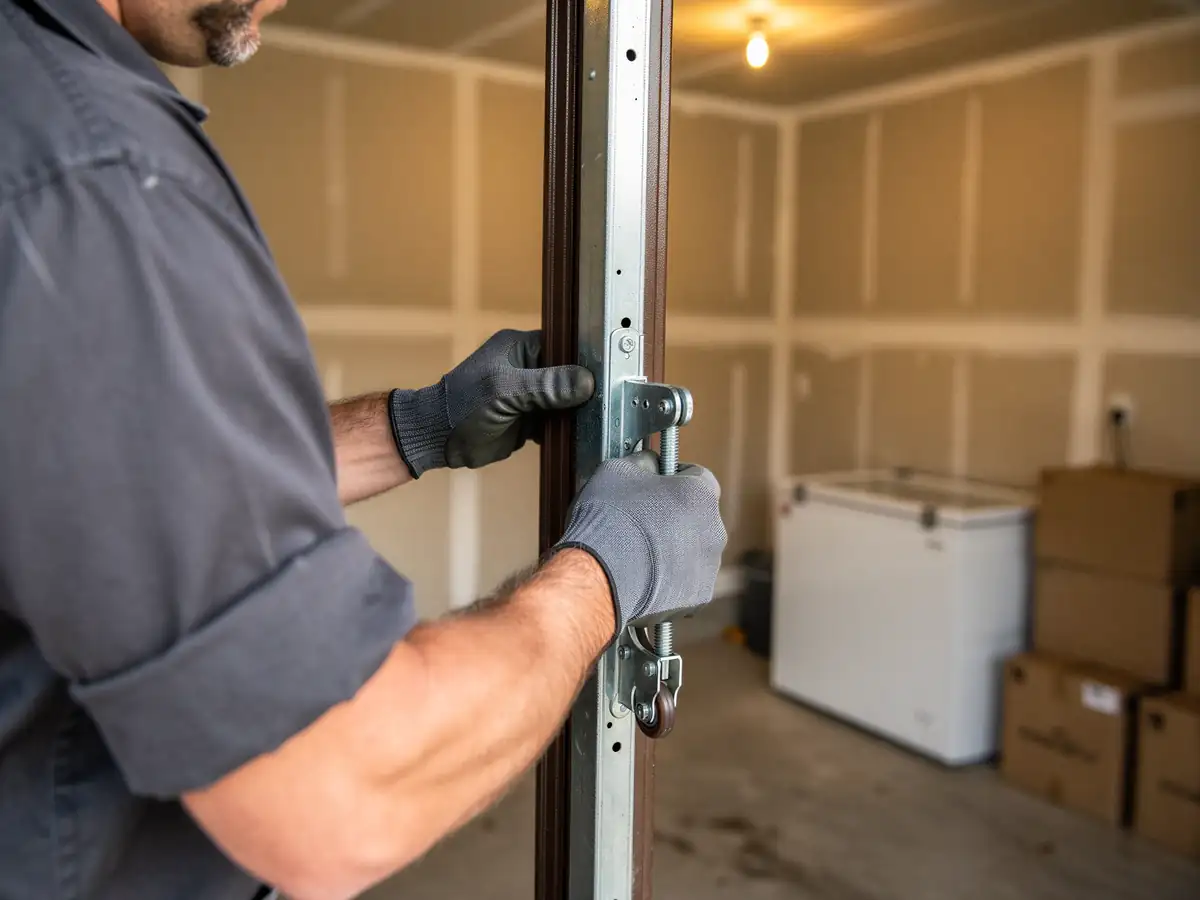
A heavier insulated panel swapped in without anyone checking the spring rating. We carry torsion springs across a working range of sizes for exactly that reason, along with standard-width tracks and rollers that fit the older stud spacing seen on this era of house.
We also stock extension spring kits
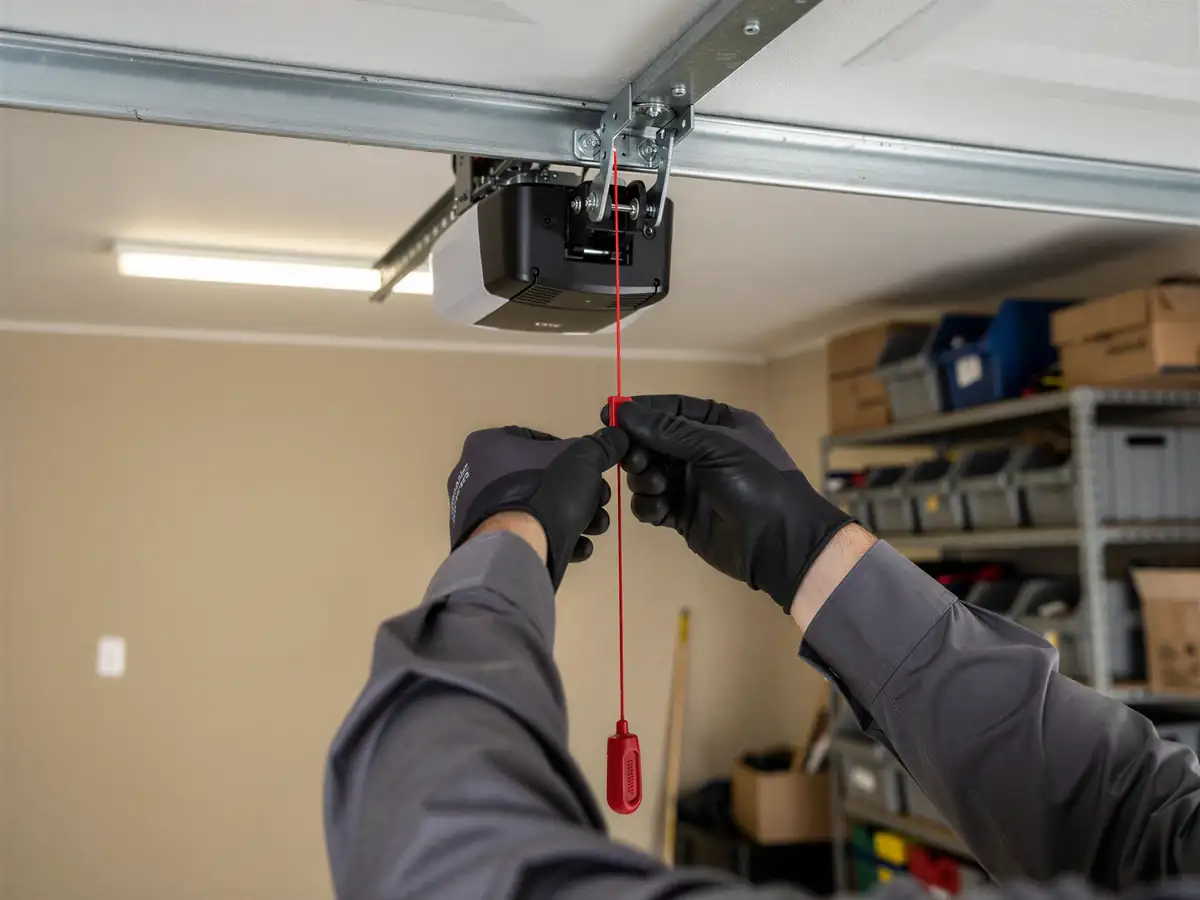
Since some homes from this build window still run that older lift style instead of torsion. If your opener is original or close to it, parts for it may simply not exist anymore - we'll tell you straight if that's the case rather than quote a repair that won't hold.
One honest limit: if a part is genuinely obsolete
A specific drum or a bracket pattern nobody's cast in twenty years - we replace the assembly rather than chase a part that doesn't exist. That's not us upselling; it's that the part stopped being made.
Why This Fails Locally
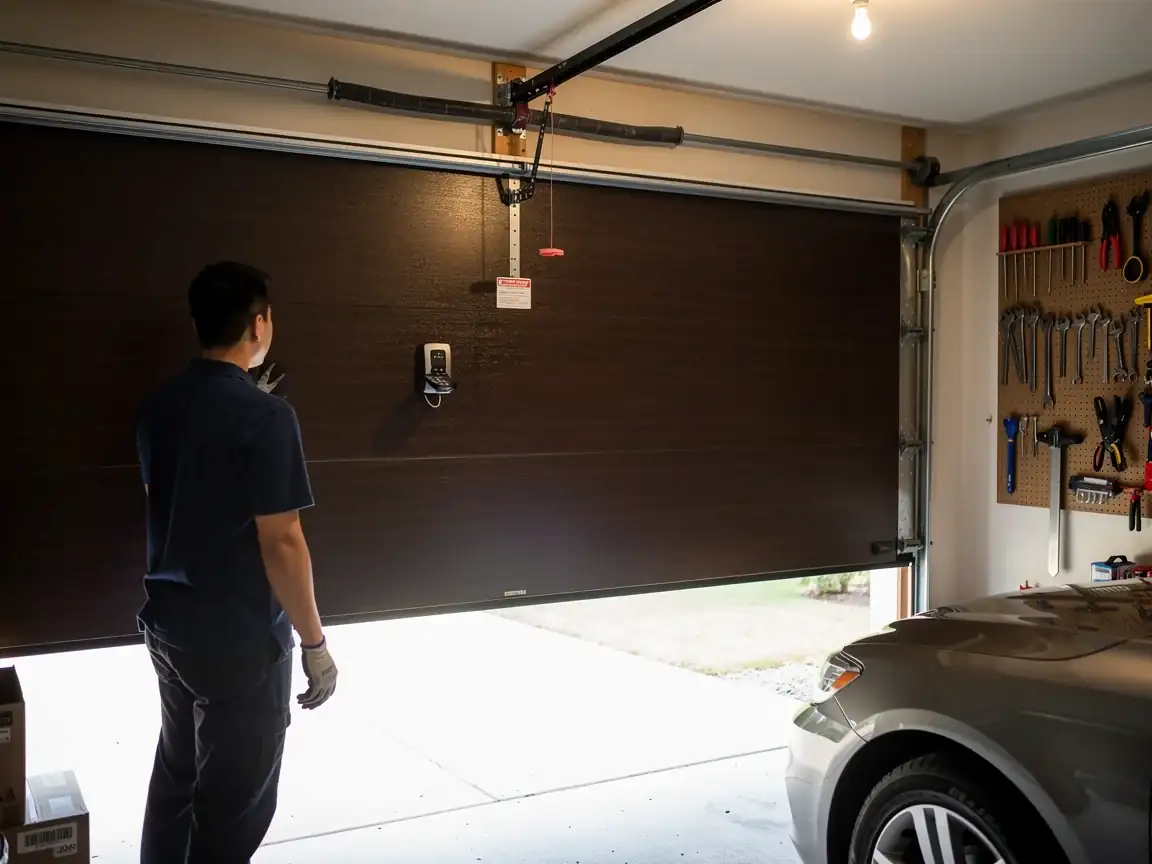
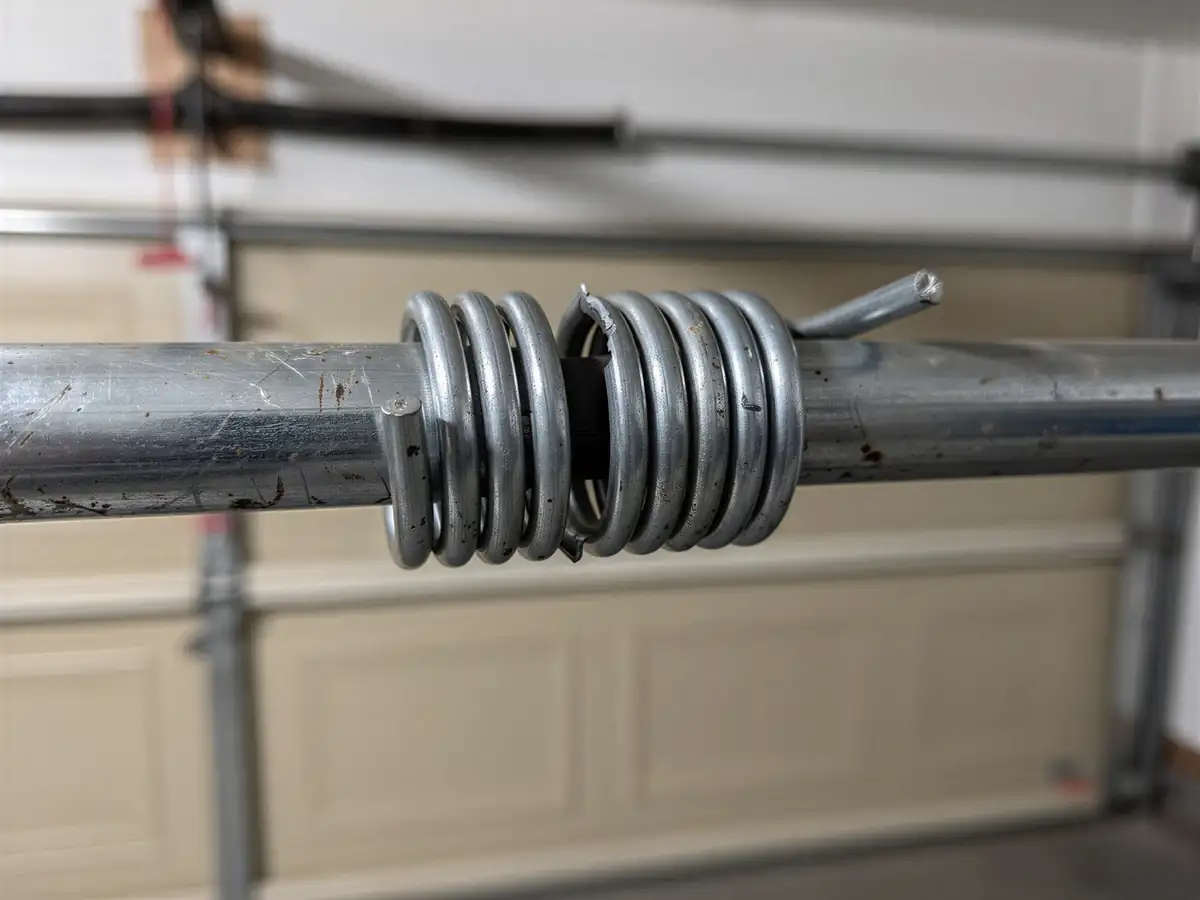
The area sits in a cold climate band with winters hard enough to matter for steel hardware. Torsion springs lose tension cycling through temperature swings faster than people expect, and on houses from the 1950s the springs were never upgraded to account for insulated retrofit doors that weigh more than what the original hardware was rated for. That mismatch - old spring, heavier door - is the single most common failure we see on this vintage of house.
Cables on these older systems also run thinner than modern standard, and when they fray, they tend to go without warning on a cold morning when the steel is stiffest and least forgiving. None of this is specific to one street or one subdivision; it's a function of when the house was built and what climate it's sat in since.
The Complications
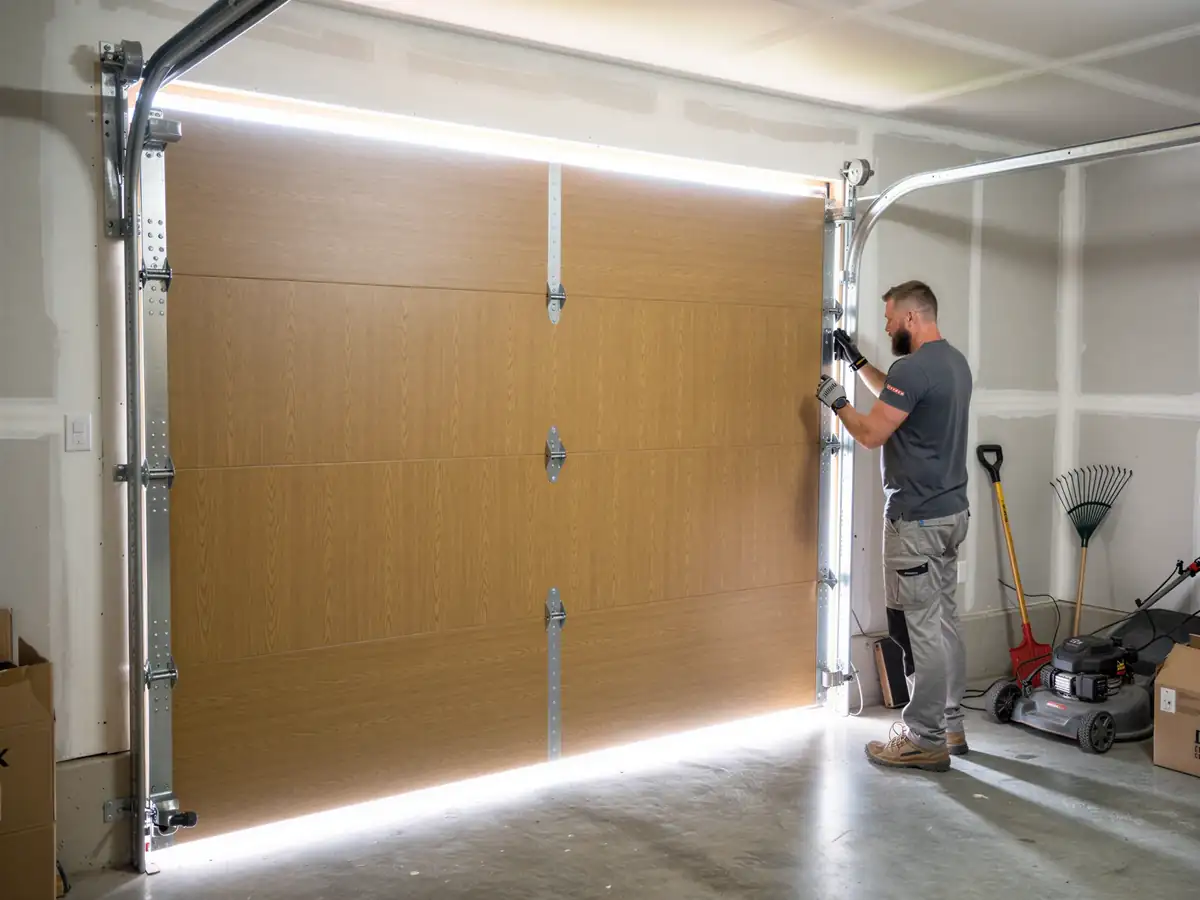
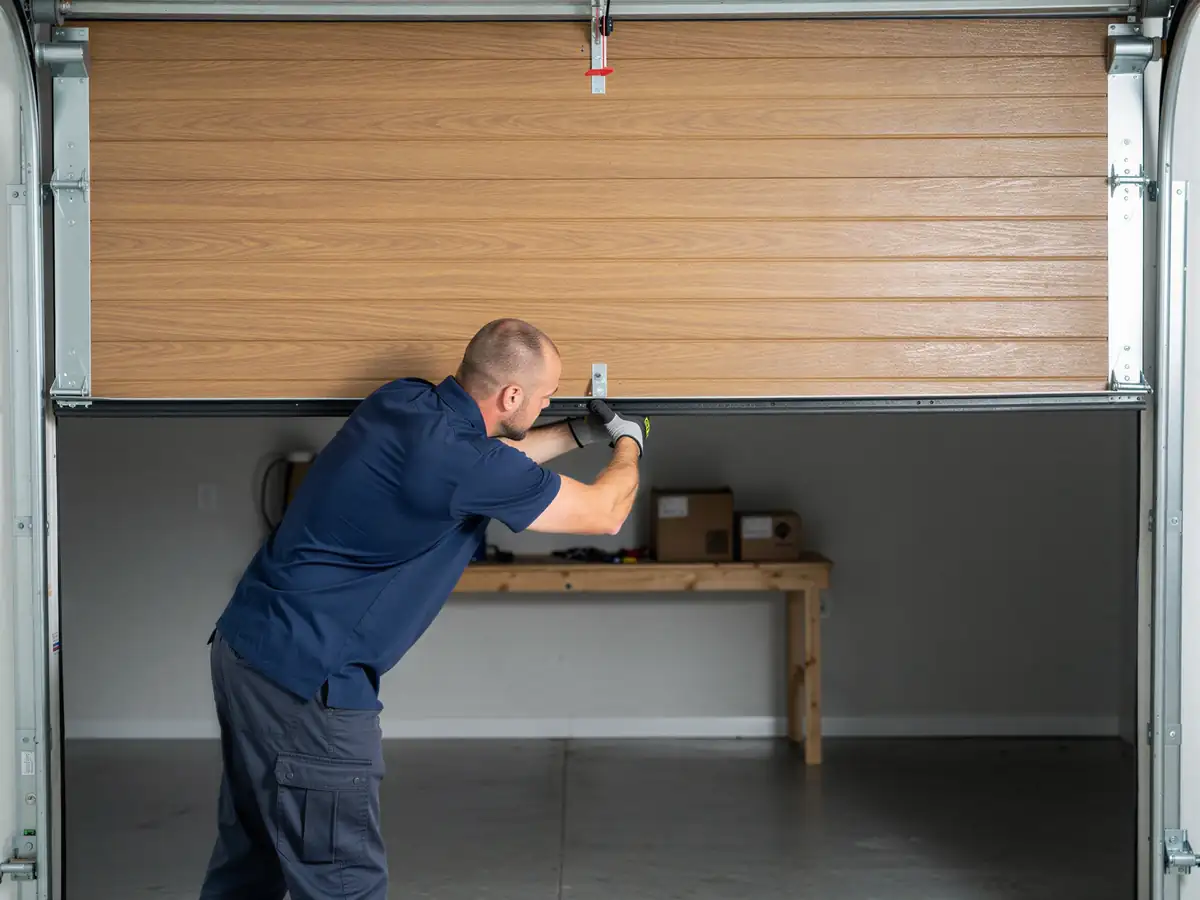
A four-mile run from Jackson keeps logistics simple, but the job itself isn't always quick once we're on site. Houses from this build era sometimes have had partial upgrades - a newer opener bolted to old track, or a replacement door hung on original hardware - and those mismatches take longer to diagnose than a straightforward failure.
With median household income in the area at $68,114, somewhat above the broader service-area median of $65,349, we see more owners opting for full hardware replacement over patchwork repair once a spring or cable lets go, rather than nursing 60-year-old parts along. That's a reasonable call on a door this old, but it's the homeowner's call to make, not one we push.
How to Book
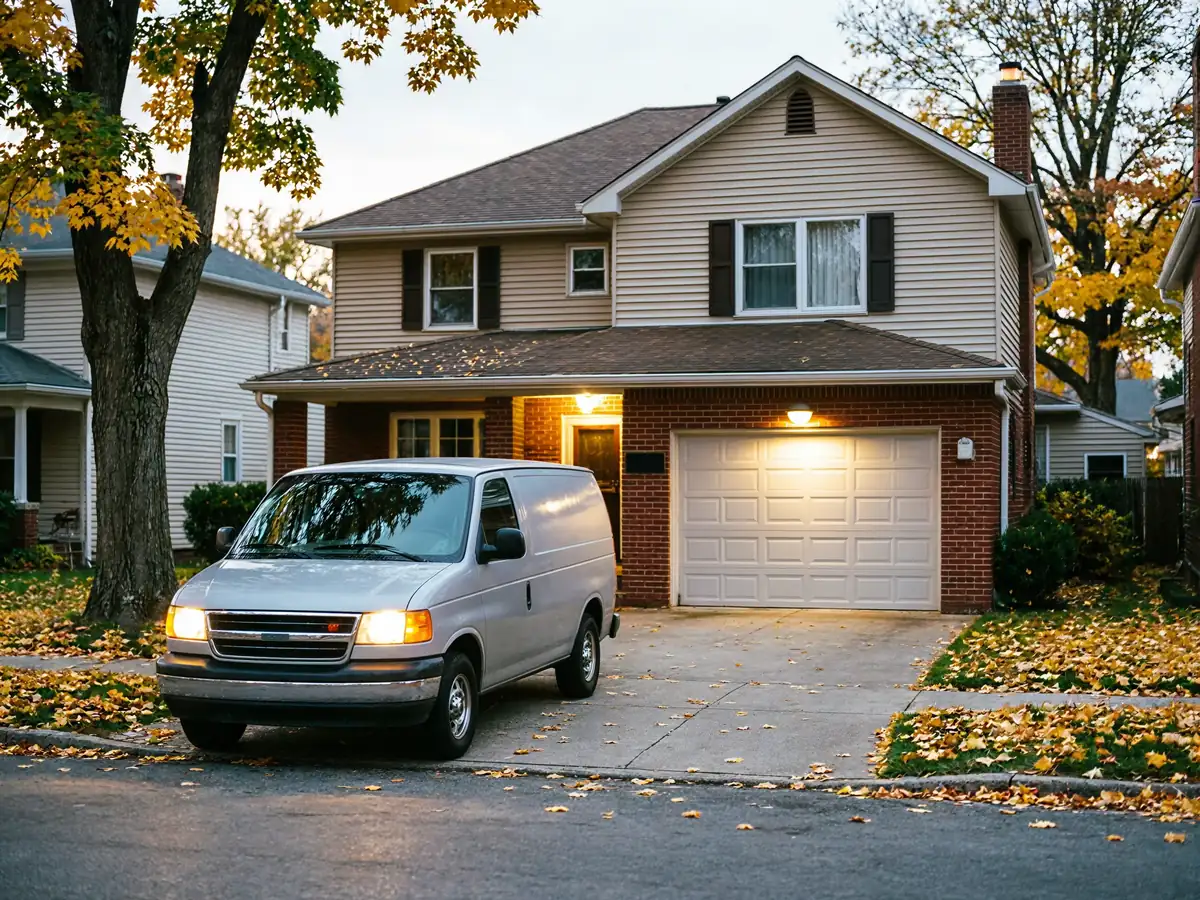
We come out from Jackson, four miles in
There's no local branch to call separately - the same crew and the same scheduling handle Michigan Center as the rest of the area. Tell us the age of the house if you know it and what the door is doing (won't open, dropped on one side, opener grinding but door not moving); that alone usually tells us what's in the truck before we arrive.
Book through our Michigan Center service page or reach the main Jackson line
Either routes to the same crew.