Stocked Parts
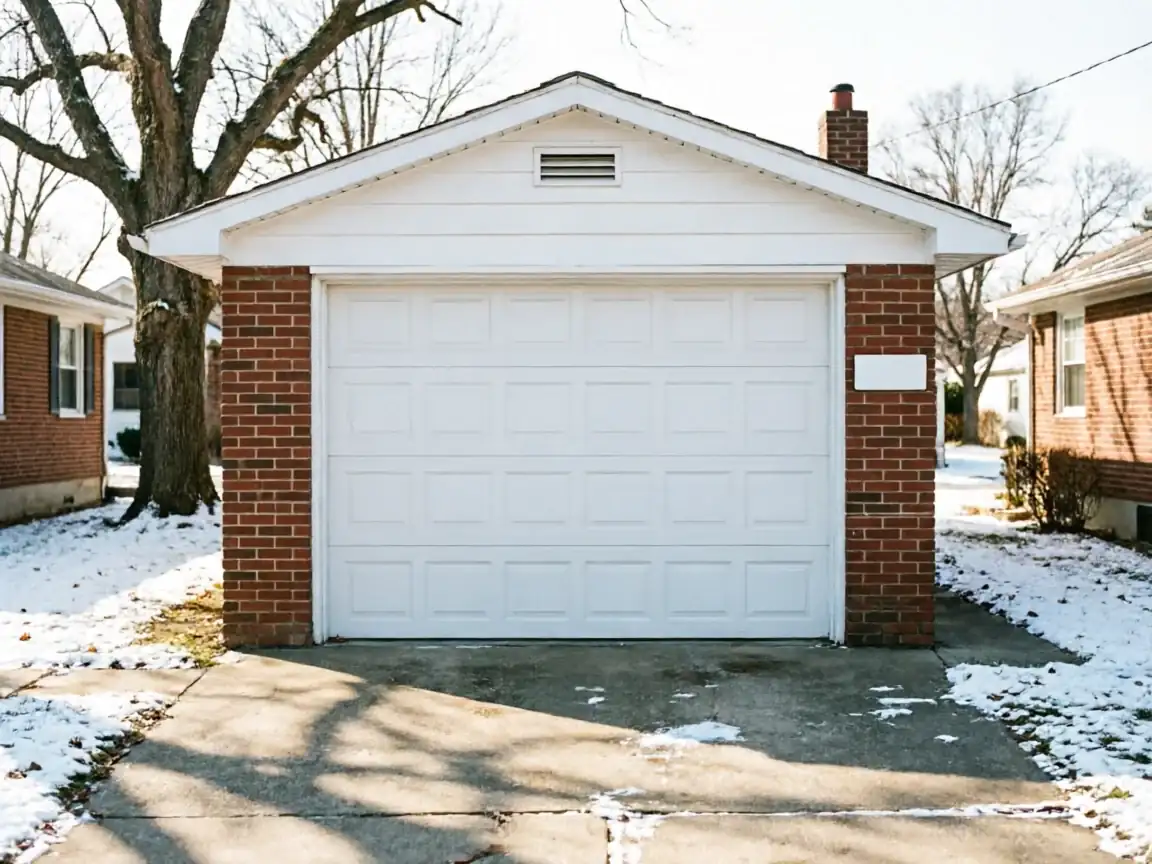
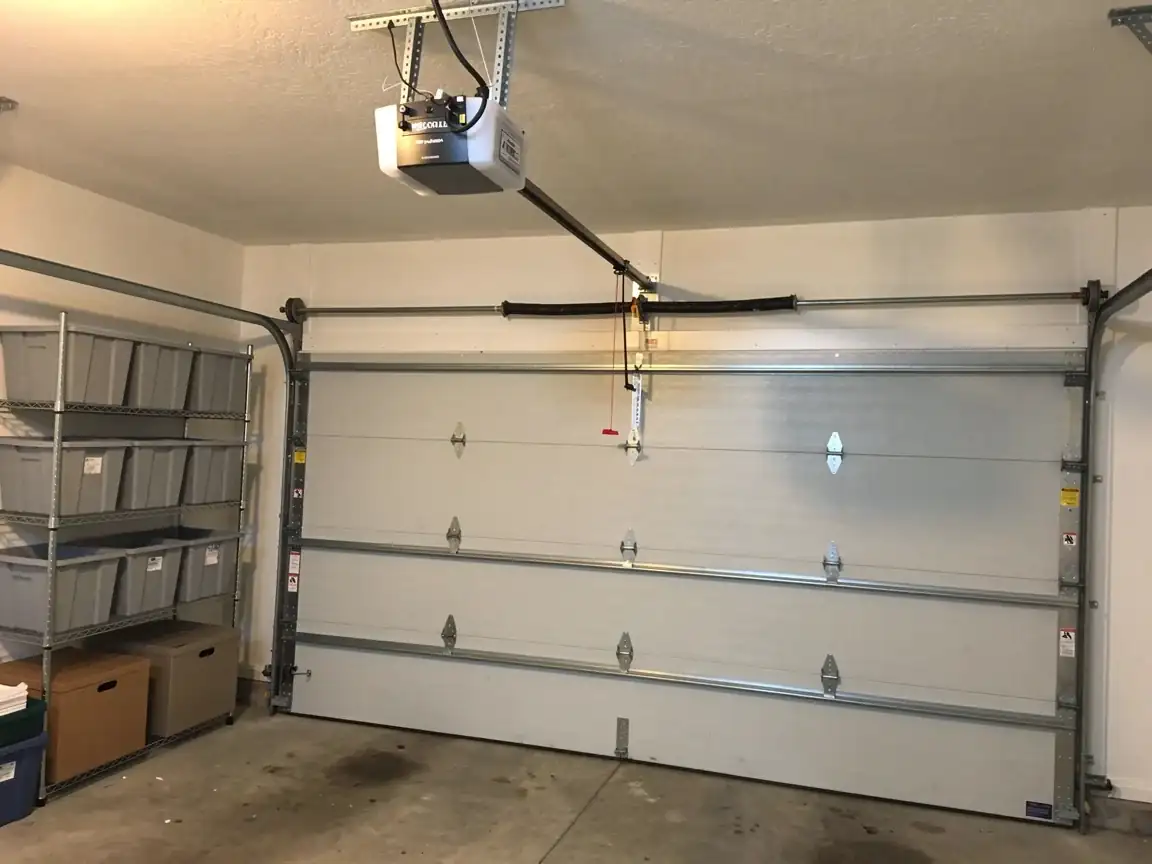
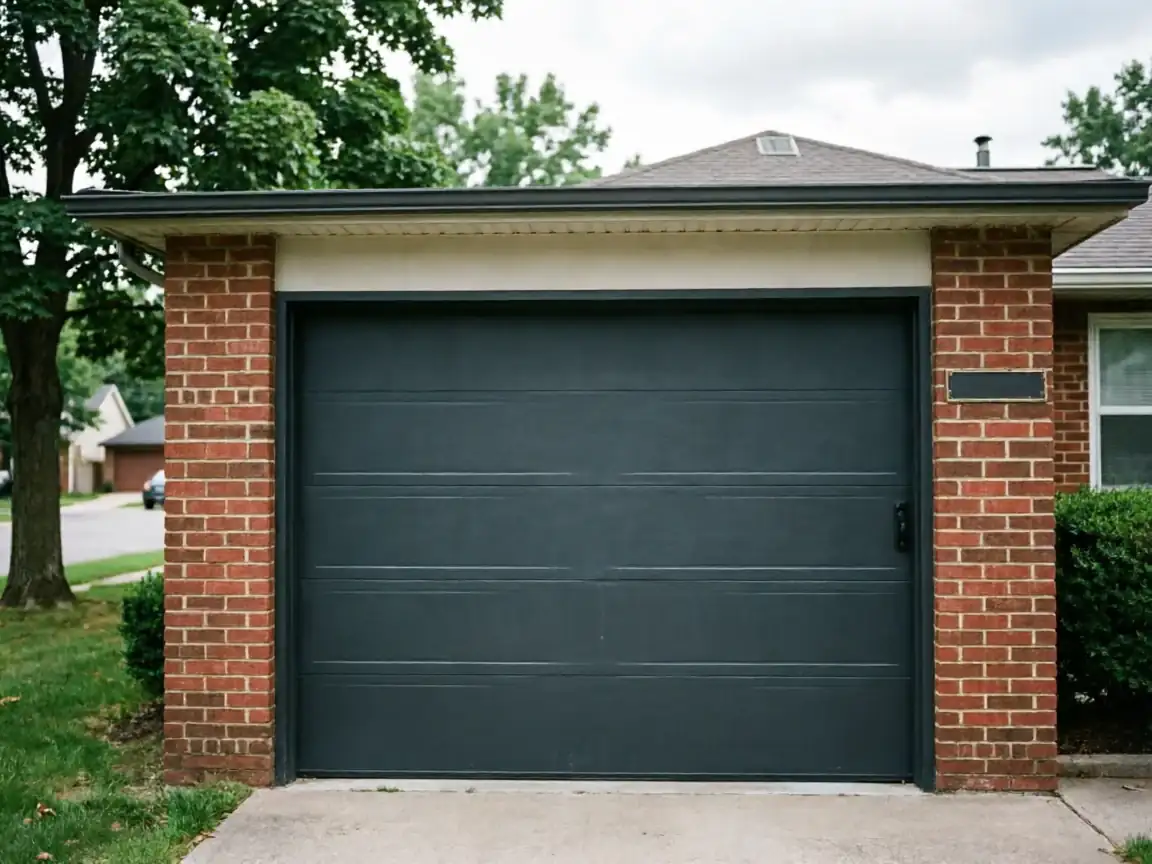
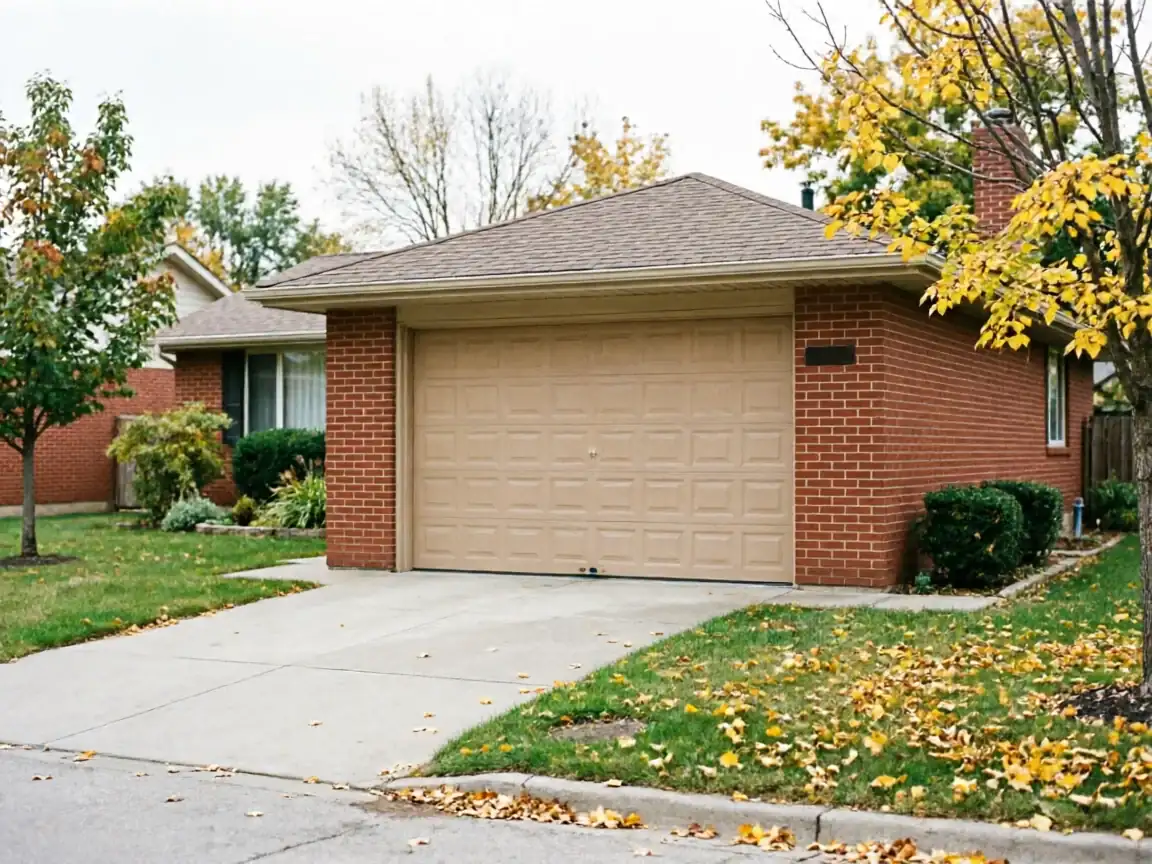
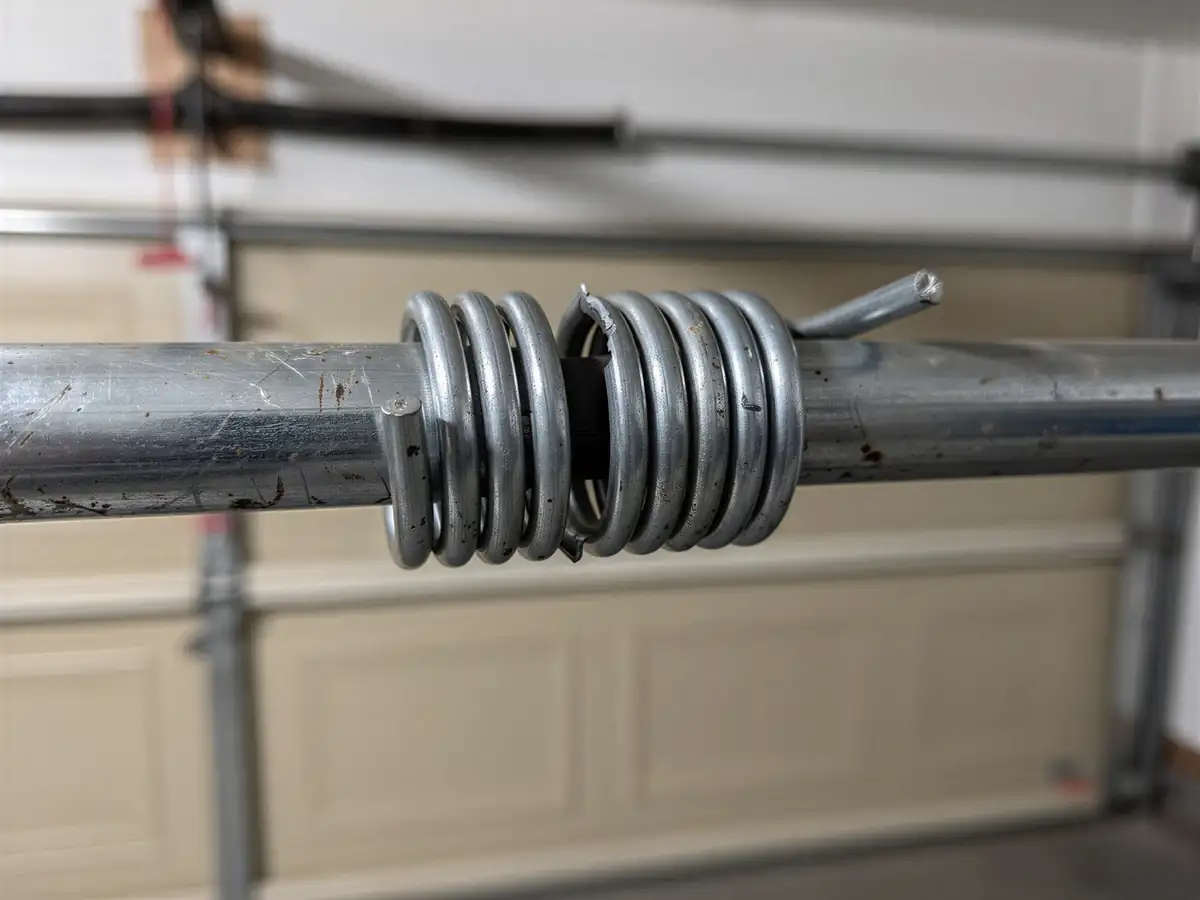
At a median household income of $52,337 here, a spring job has to make financial sense or it isn't worth doing, and that starts with what's actually on the truck. Vandercook Lake's median house was built in 1956, which puts most doors in that stretch of torsion-spring hardware sized for the lighter wood and early steel panels of the era - not the beefier extension setups you'd find on newer construction elsewhere in the county. We carry standard torsion springs in the wind and wire sizes that match mid-century single-car and two-car openings, plus the drums and end bearing plates that wear out alongside them on a door this old. What we don't carry on the truck is anything custom-wound for a nonstandard door width - those get ordered, and that's the one real lead-time gap on this job. If your opener is original to a 1956-1960 build, the spring is almost never the opener's fault; it's the spring's age catching up with it.
How to Book
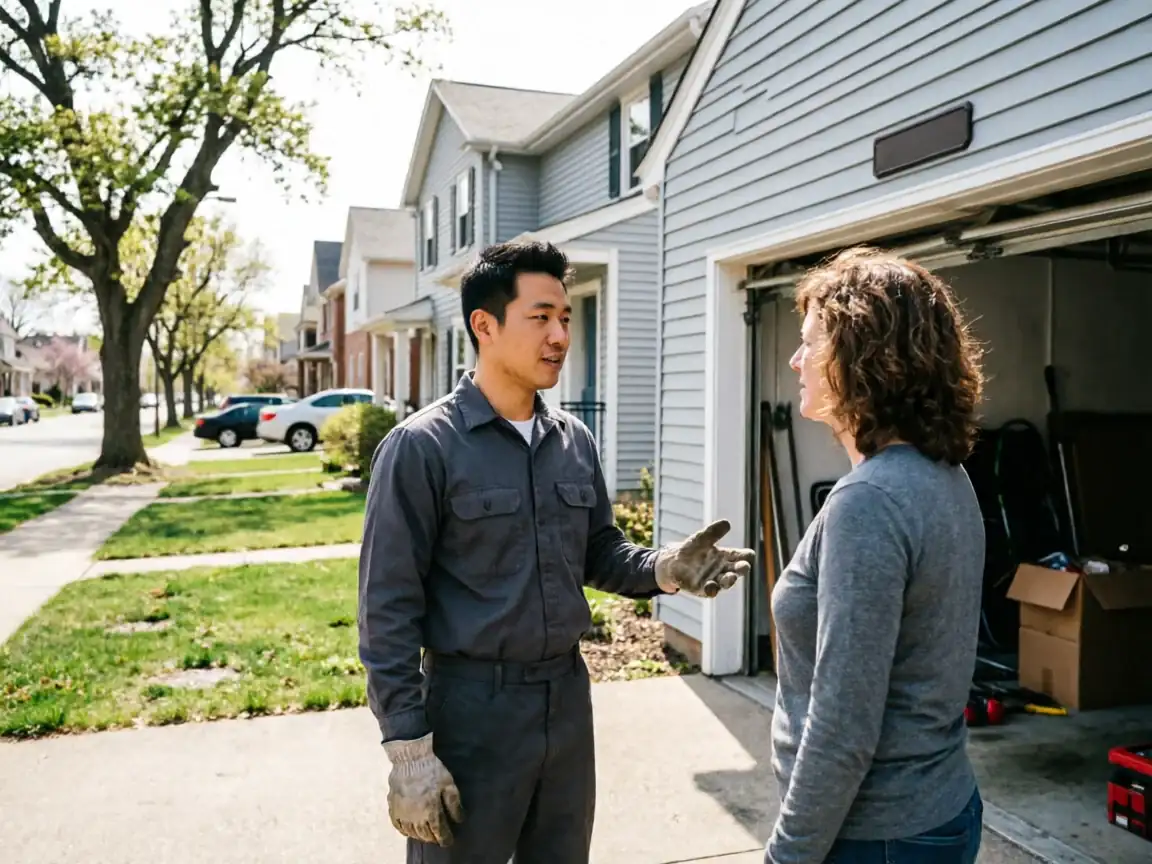
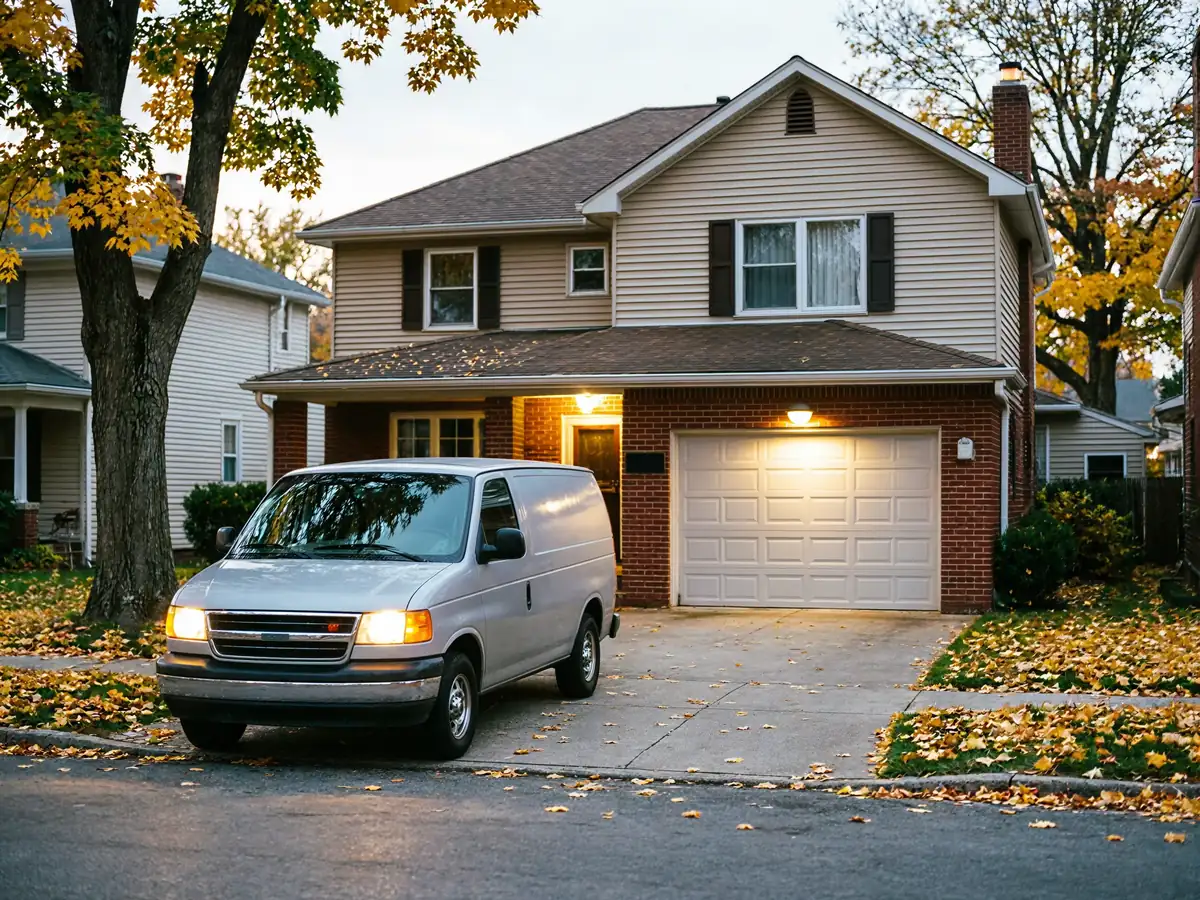
We travel from Jackson out to Vandercook Lake, a straightforward 4-mile run, so we schedule the visit before sending anyone out rather than promising an arrival window we can't back up from the shop. Call and describe what you're seeing - a bang, a stuck door, a strained opener - and we'll tell you honestly whether it sounds like a spring or something else in the system, like a cable or a track out of alignment. We don't keep a branch or a drop point in Vandercook Lake itself; every job here is dispatched from Jackson, which is worth knowing if you're comparing us to an outfit that claims a local depot they don't have. Booking is simple: a phone call, a description of the door and when it was built if you know it, and we go from there.
How We Fix It
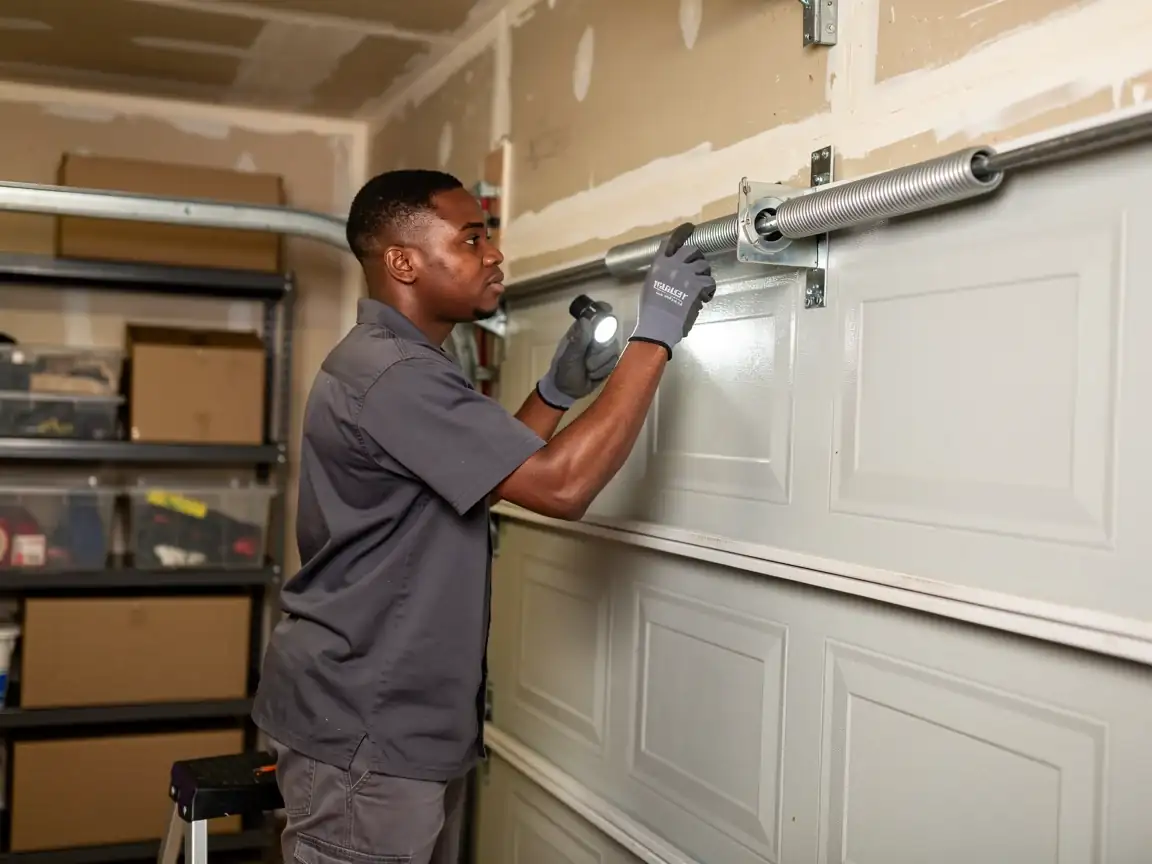
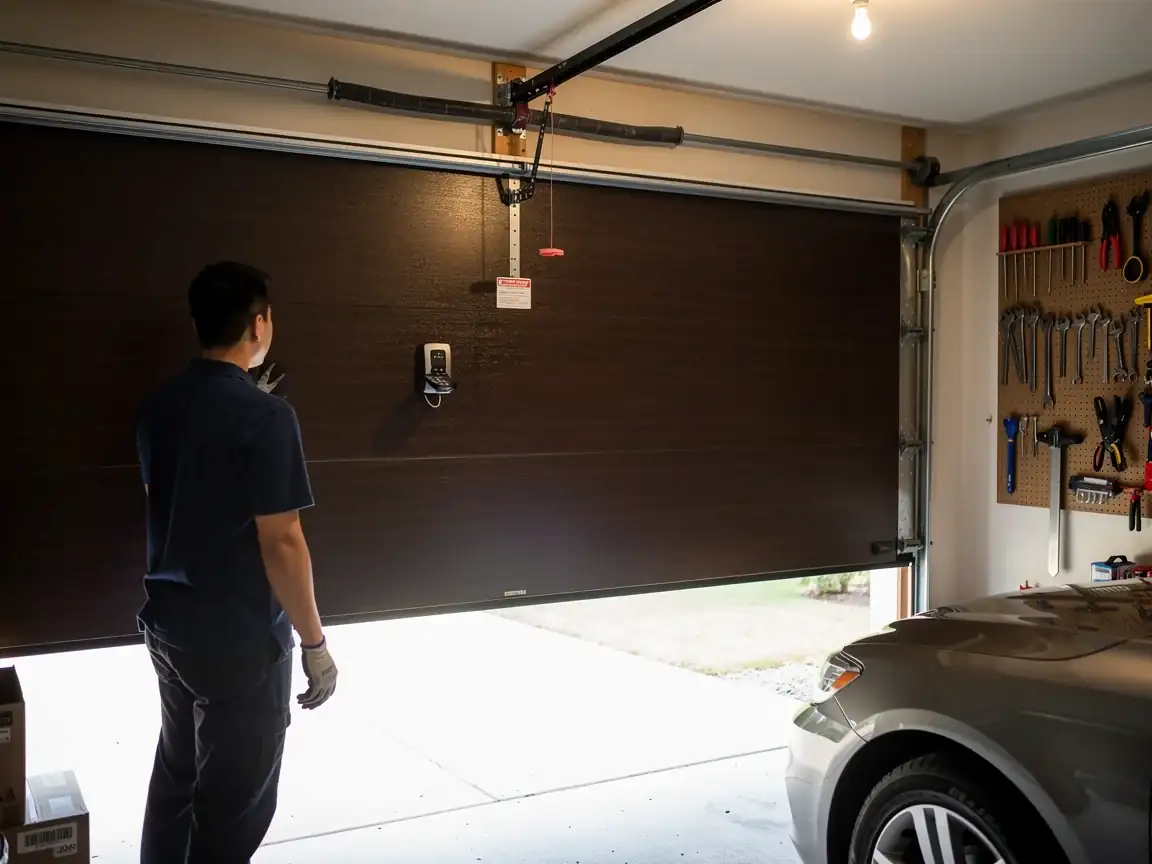
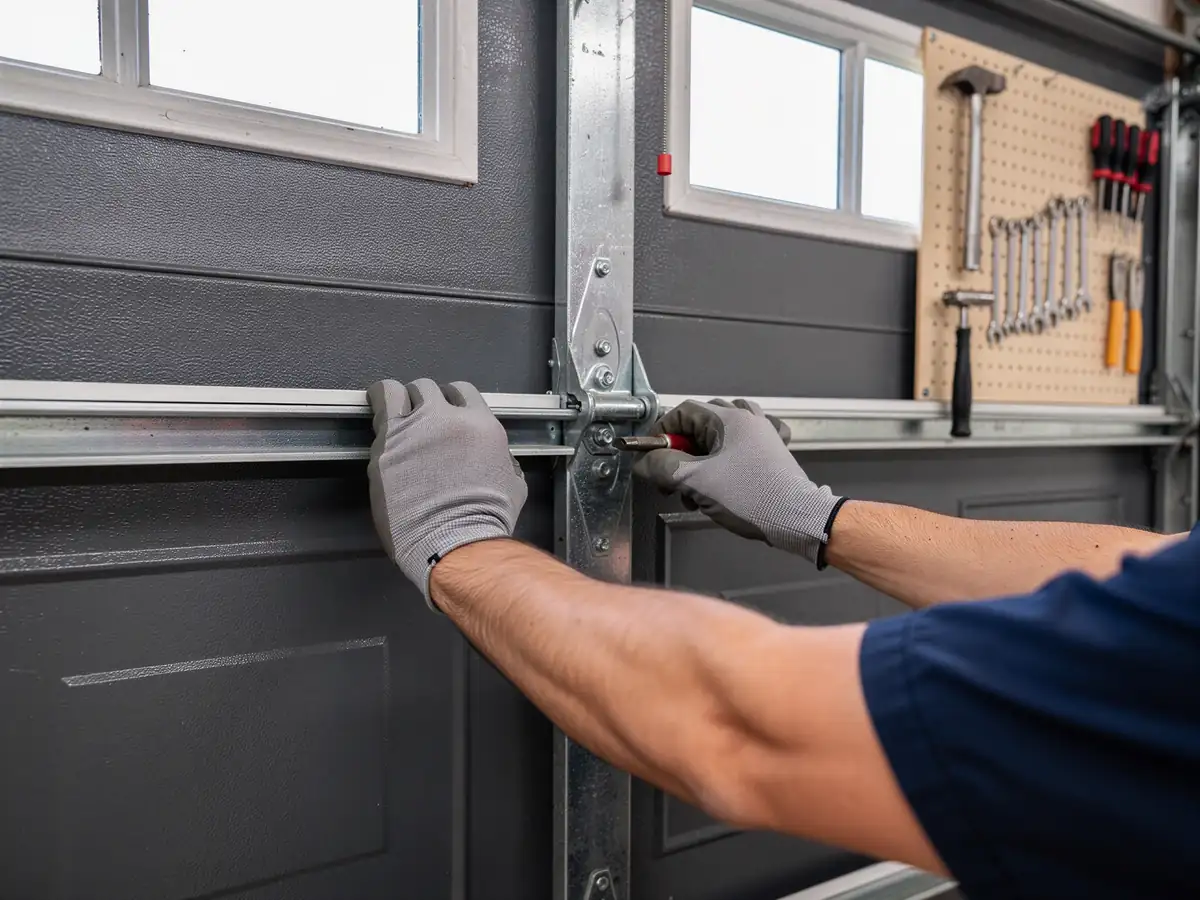
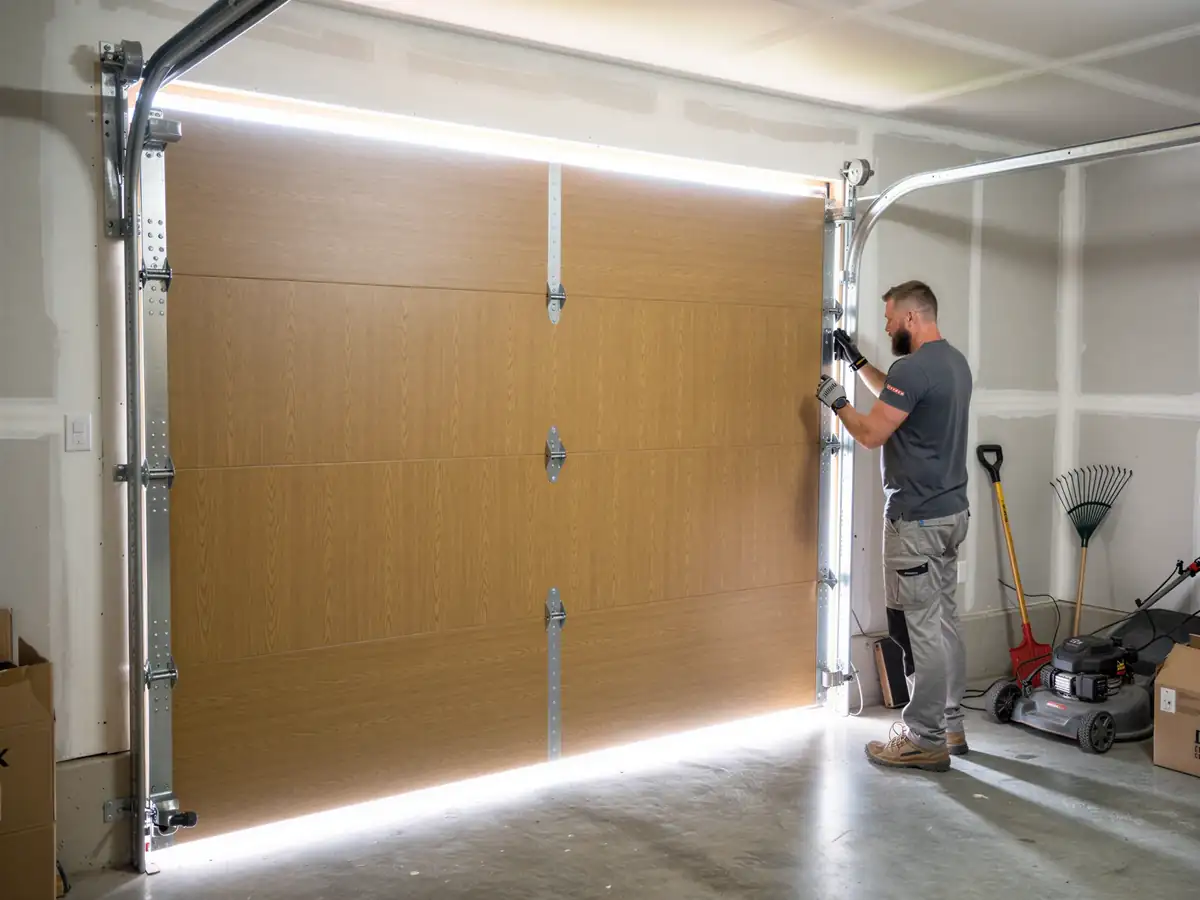
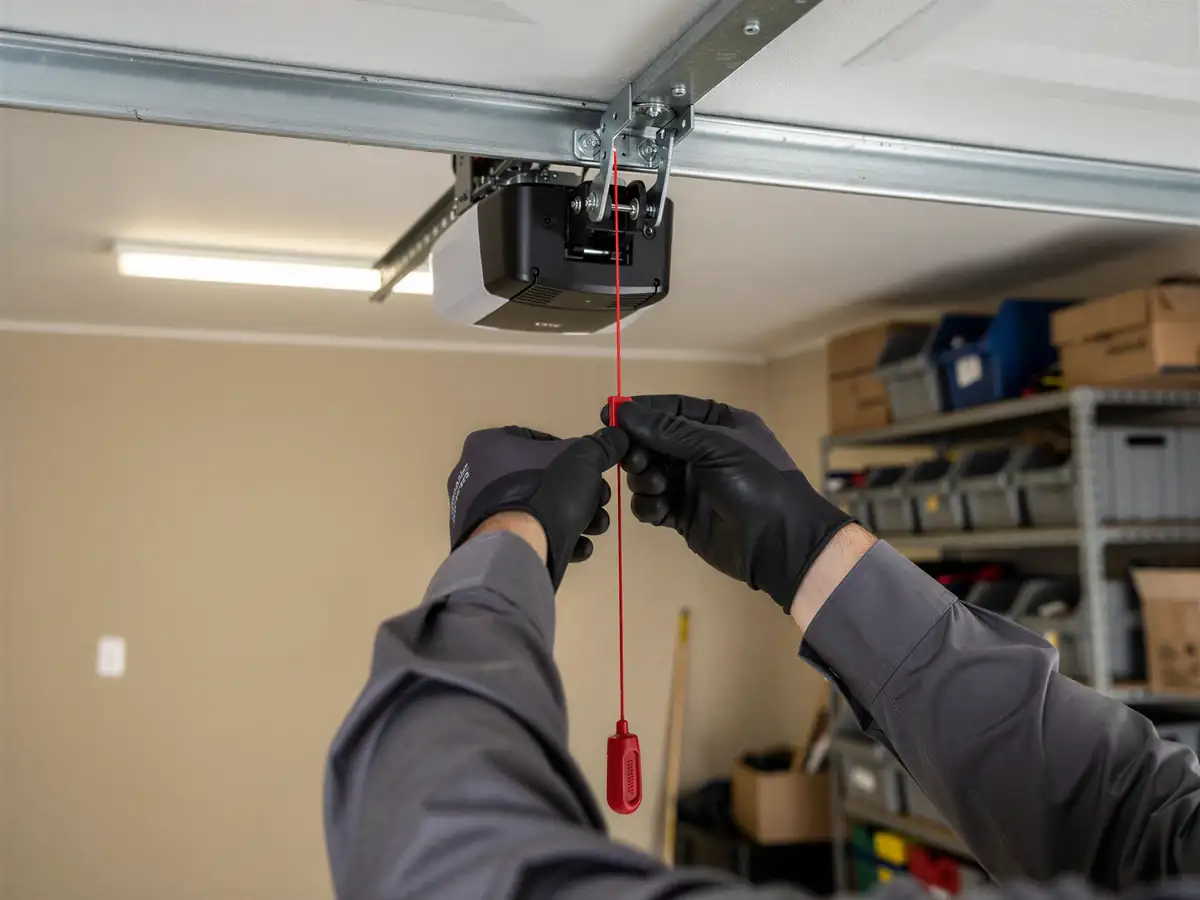
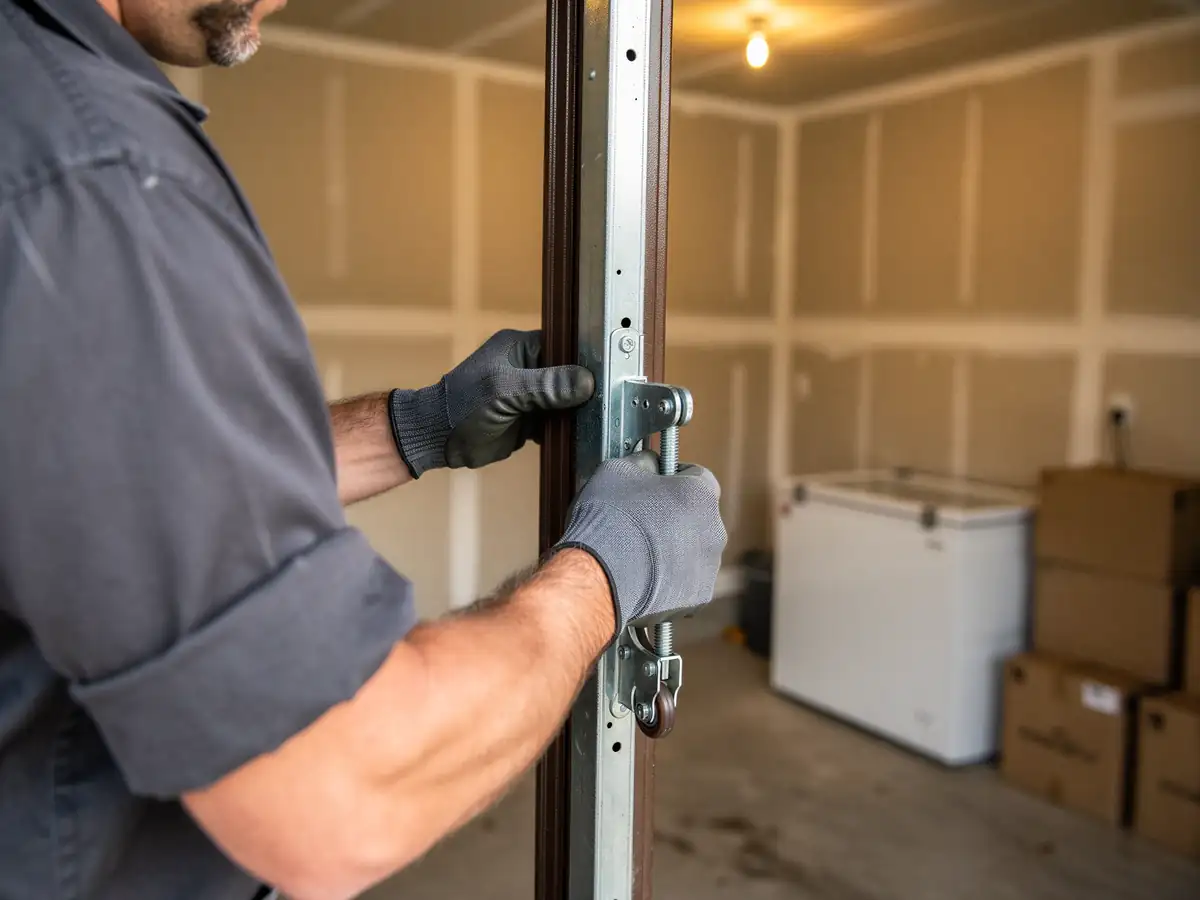
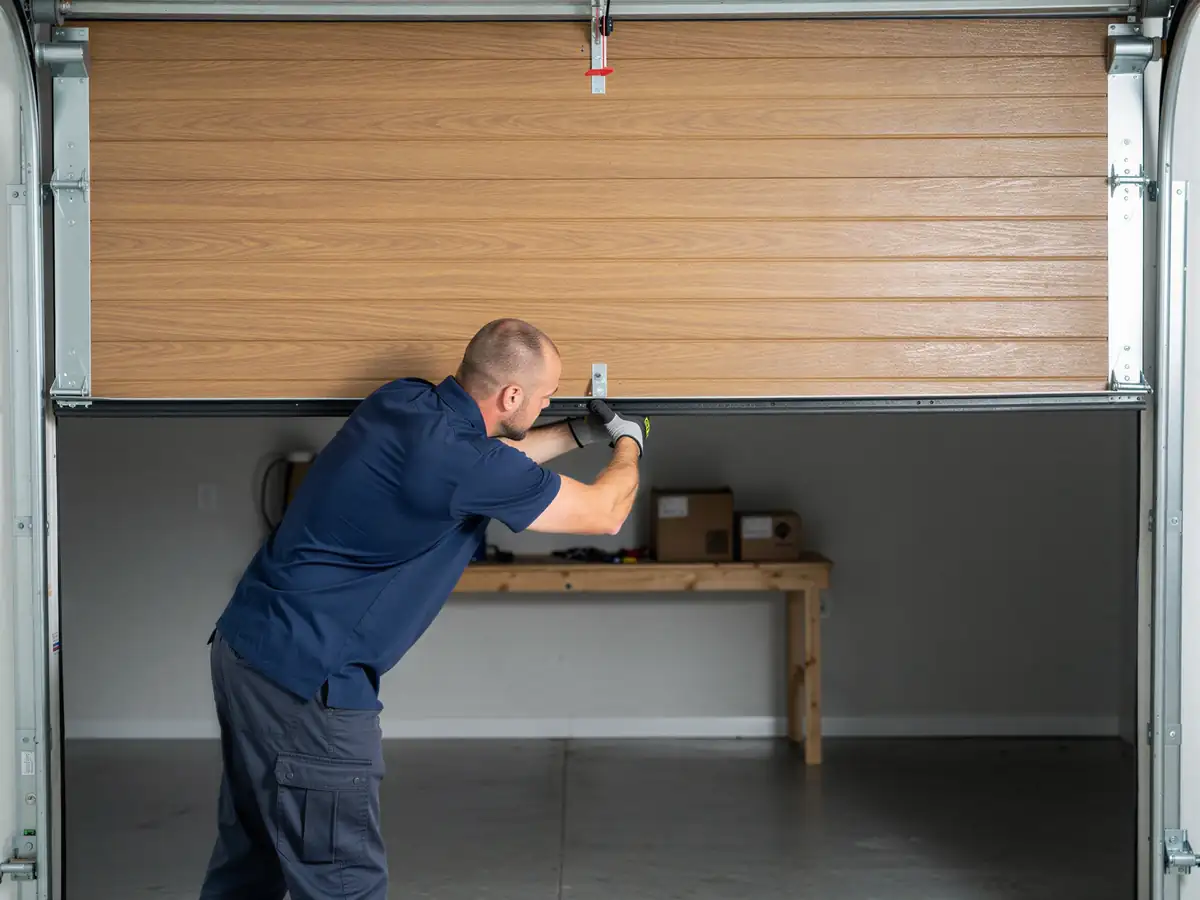
On a 1956-era door the first step is matching the spring to the door's actual weight and wind, not just swapping in whatever's closest - undersized springs fail again within a year, oversized ones strain the opener. We disconnect the opener, clamp the door, and replace both springs on a double-spring torsion system even if only one has failed, because the other is the same age and close behind. We check the drums, cables, and center bearing at the same time, since on hardware this old those parts wear on the same schedule as the spring and replacing one without checking the others just means a second visit. If the door itself is sagging, warped, or the track is badly worn from decades of use, we'll say so plainly - sometimes the spring is the cheap part of a door that's telling you it's done.