Stocked Parts
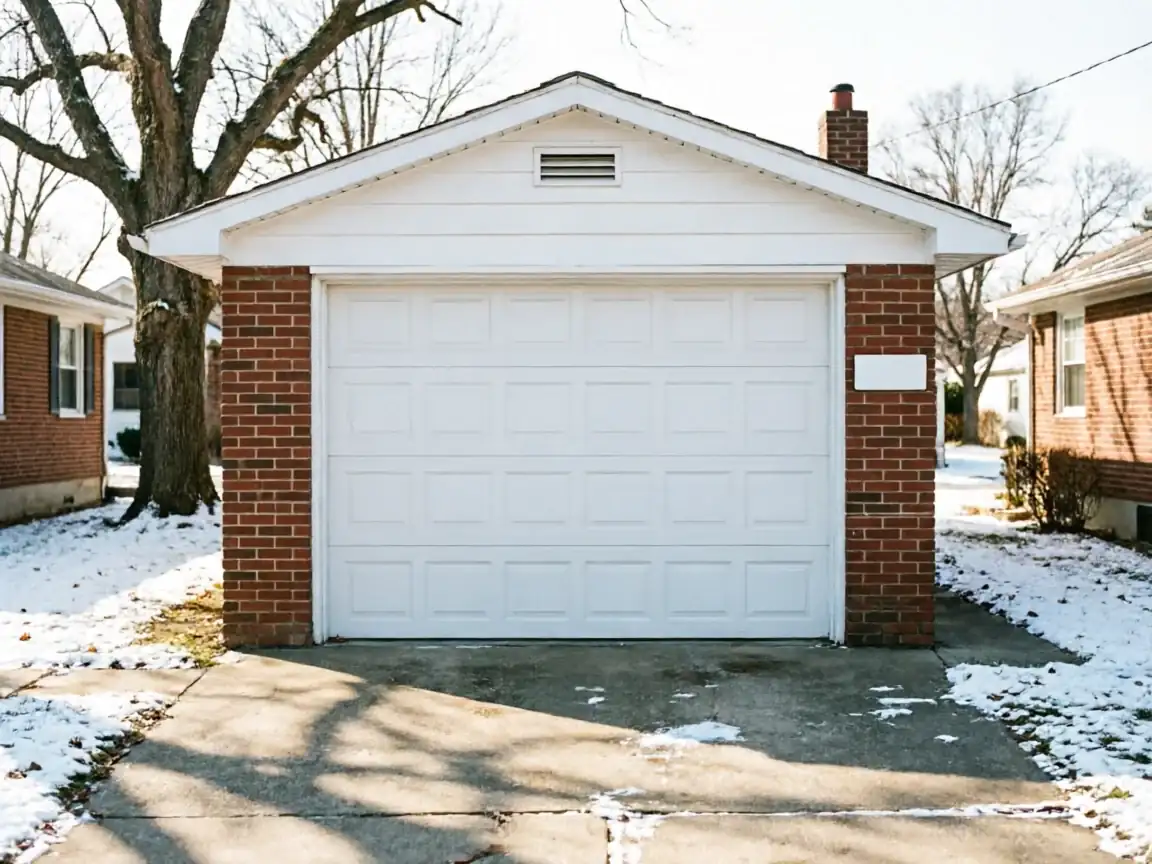
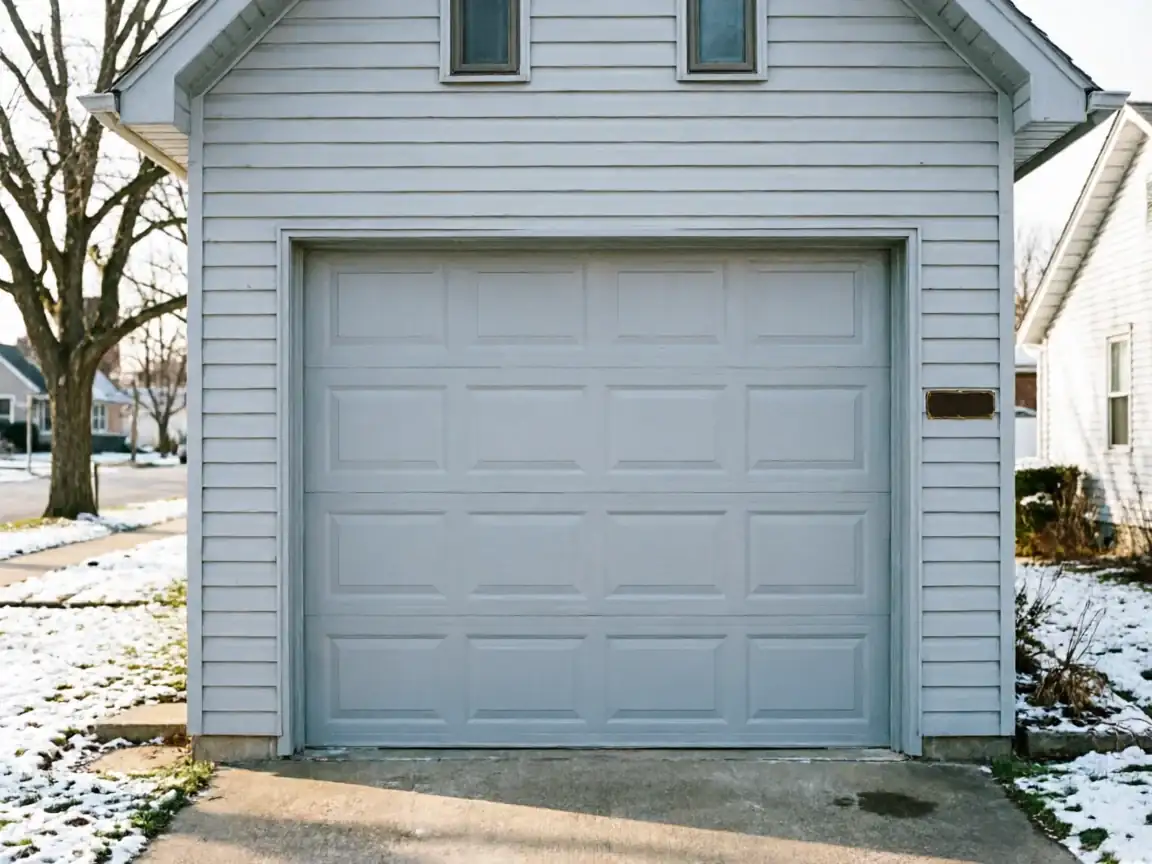
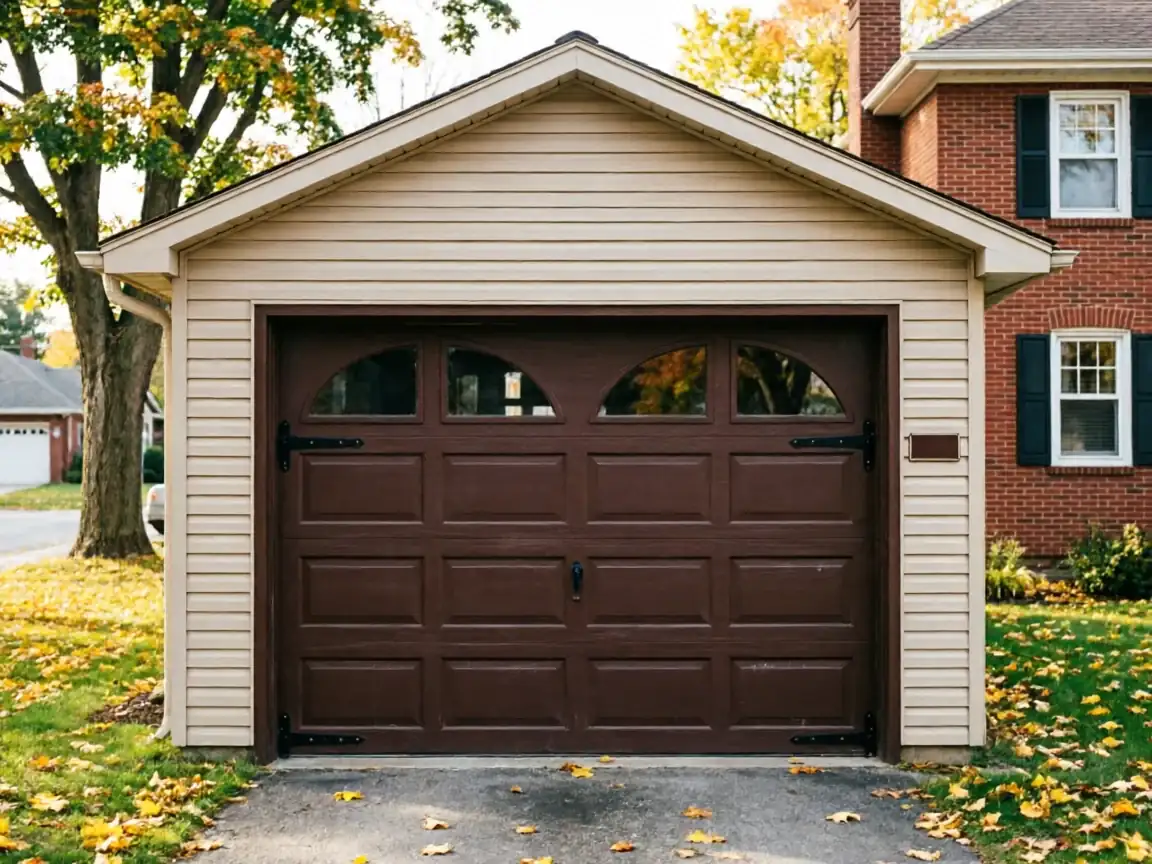
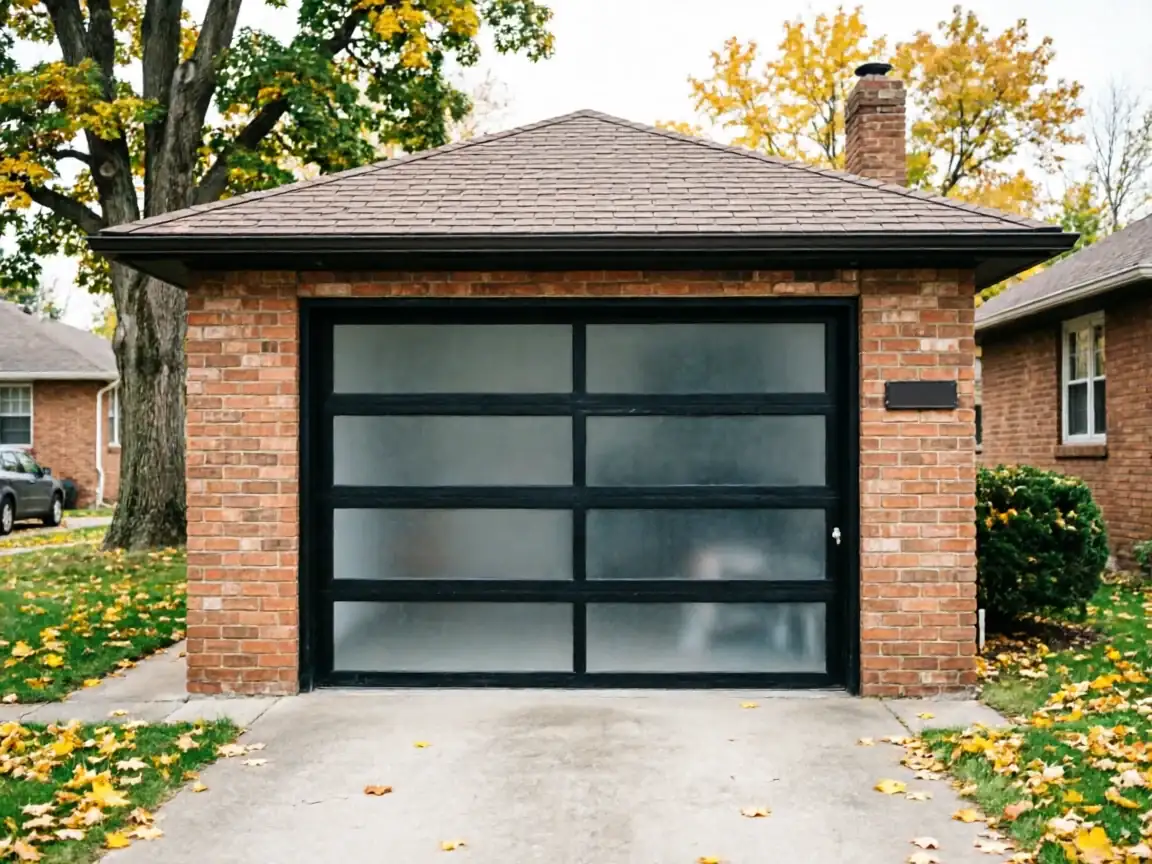
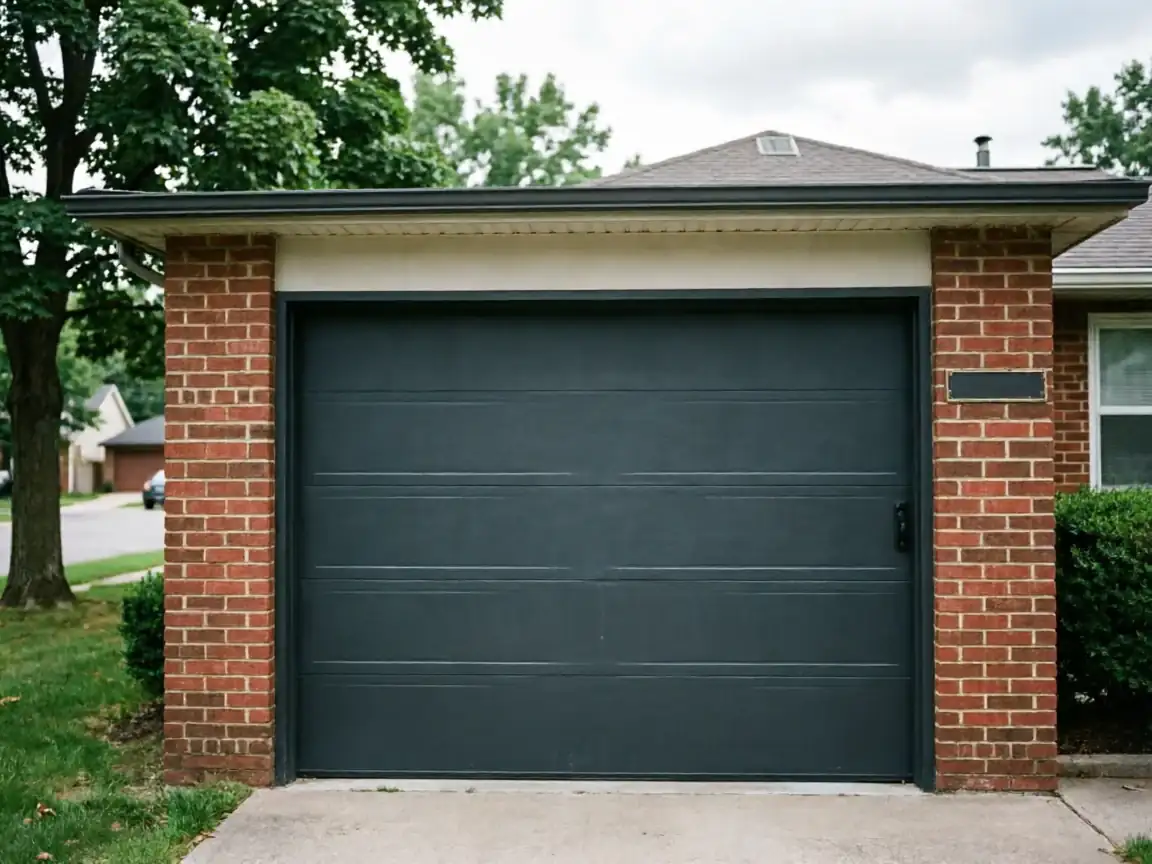
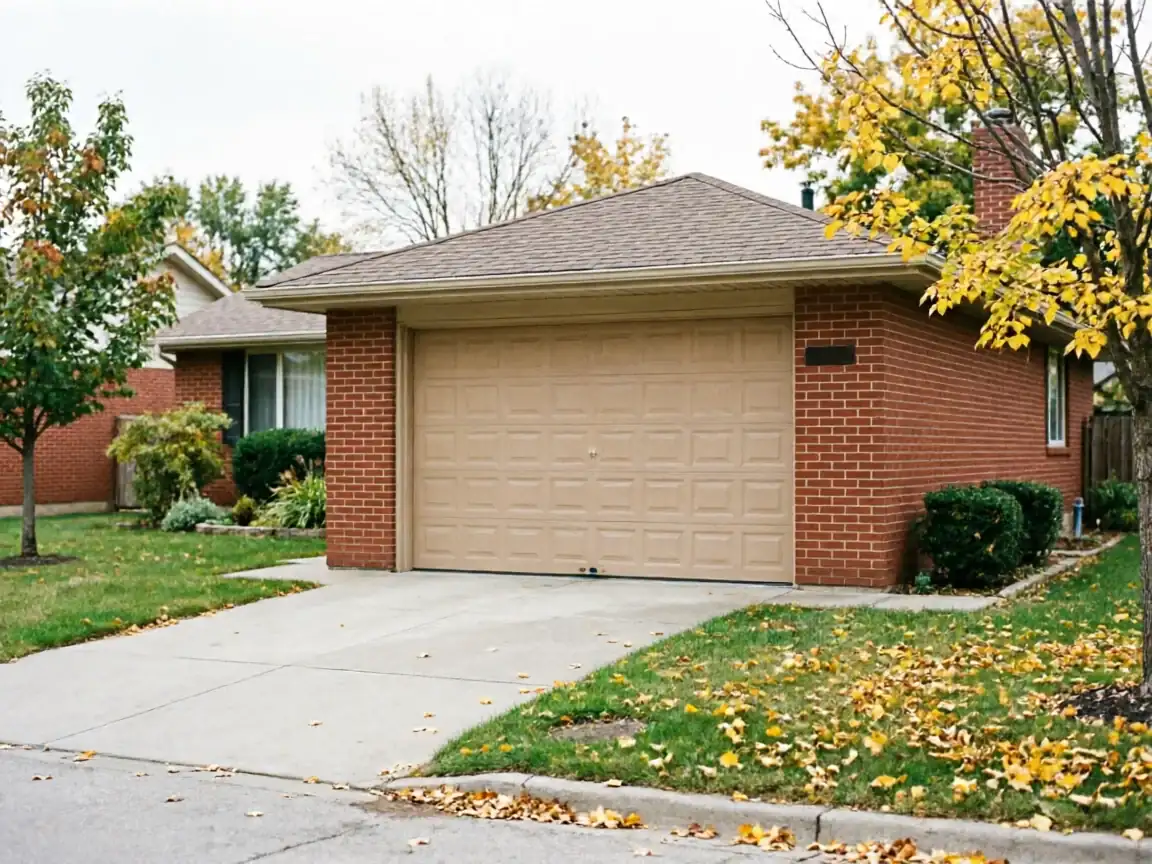
Vandercook Lake sits about 4 miles south of Jackson, and the housing here runs older than a lot of what we see closer in - median build year 1956. That matters for installation because a door going into a 1950s opening often has to deal with framing and header heights that newer stock doors weren't drawn for. We carry standard width-and-height sections for the common single and double openings from that era, but we measure the actual rough opening before we quote, not the nominal size stamped on the old door. Some of these openings have settled or been reframed once already over the decades, and that changes what track and jamb hardware fits. We don't stock every custom width on the truck - if your opening is narrower or taller than the standard run, that's a lead-time item, not a same-visit swap. Worth knowing going in. Steel sections with factory insulation are what we install most here, since Jackson County sits in a cold climate band and an uninsulated door on a 1950s-era garage with no other weatherproofing is a hard sell for comfort or for the attached room on the other side of it.
How to Book
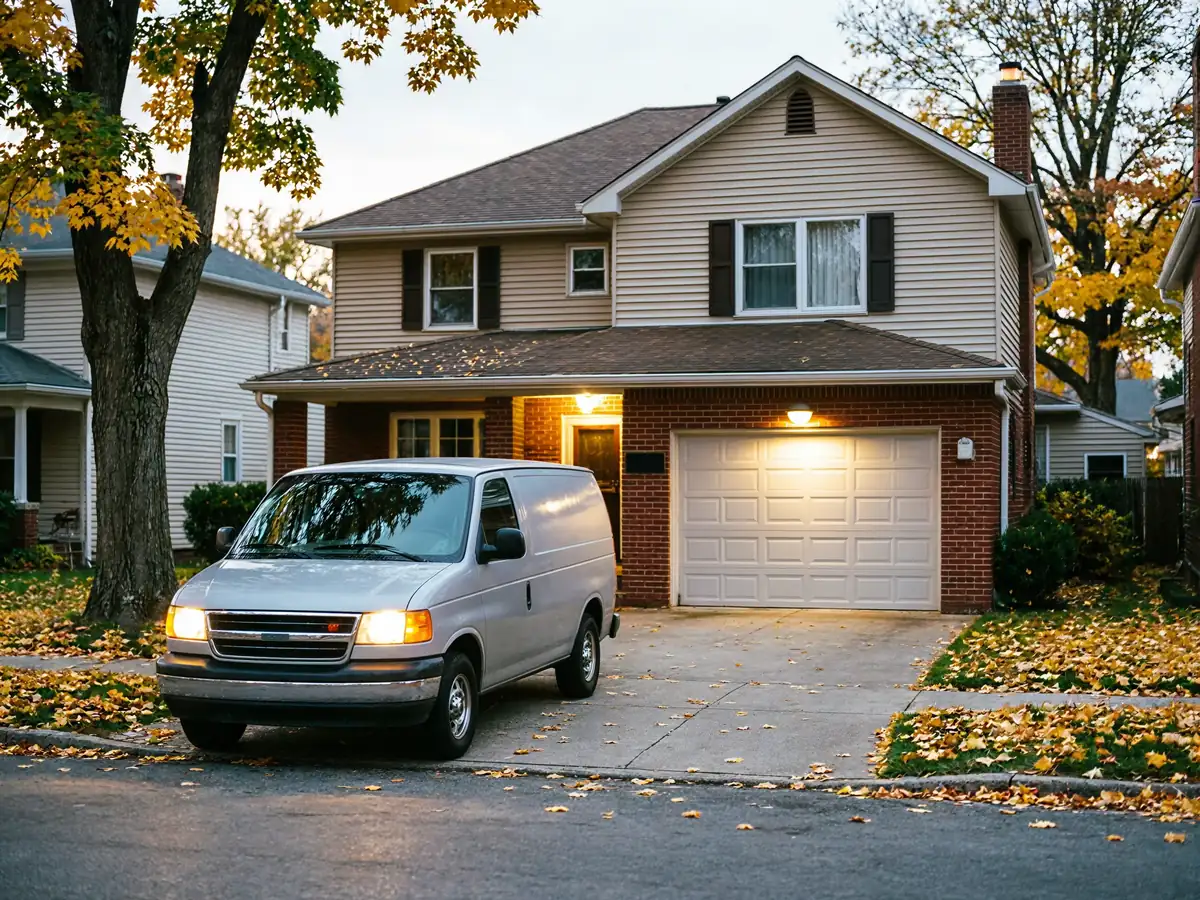
We're based in Jackson and travel out to Vandercook Lake for installation jobs; there's no branch or drop-in counter in town, so every job starts with a call or a request through the site. Use the /vandercook-lake/garage-door-service/ page if you're not sure yet whether you need a repair or a full replacement - that page covers the service side. If you already know you want a new door, tell us the age of the house and whatever you know about the current door (single or double, insulated or not) when you reach out, and we'll bring the right stock sections and hardware instead of guessing on-site. For general installation details that apply across the service area, the /garage-door-installation-jackson-mi page has the broader rundown; this page is specifically about what we see on Vandercook Lake openings.
How We Fix It
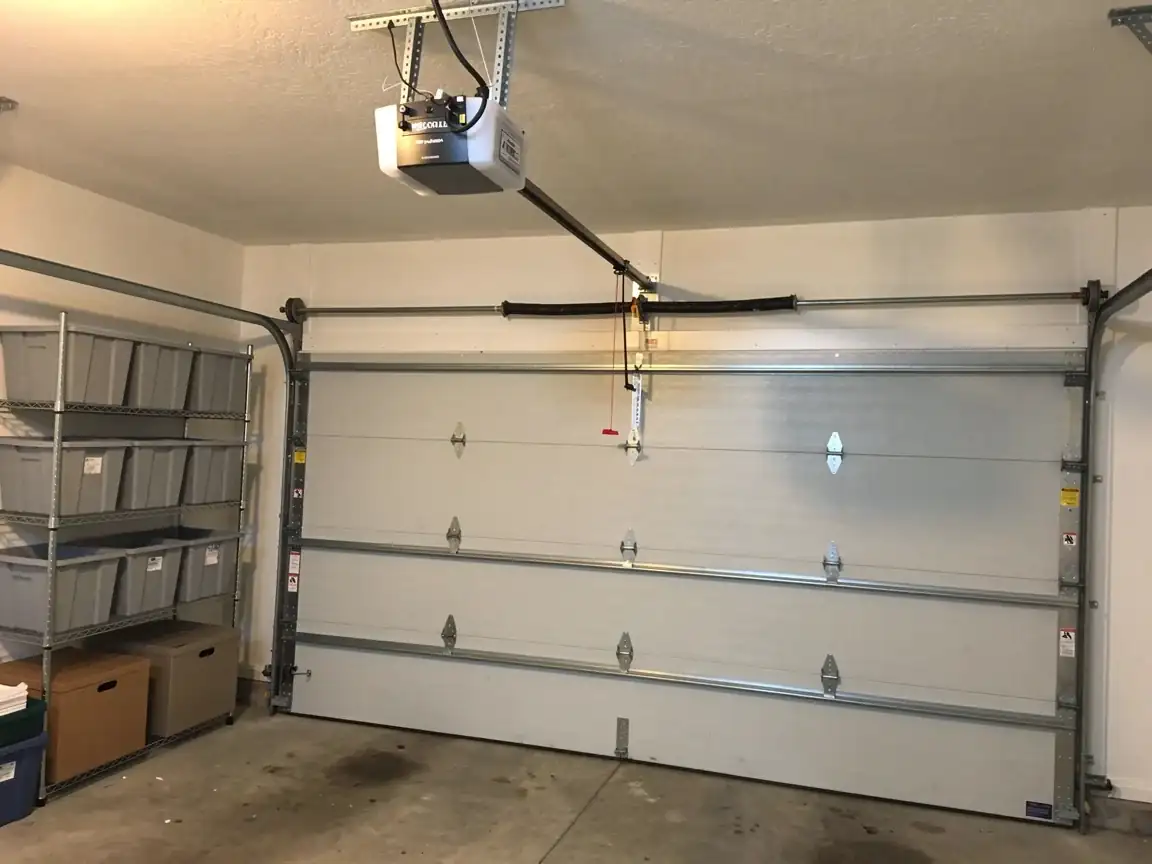
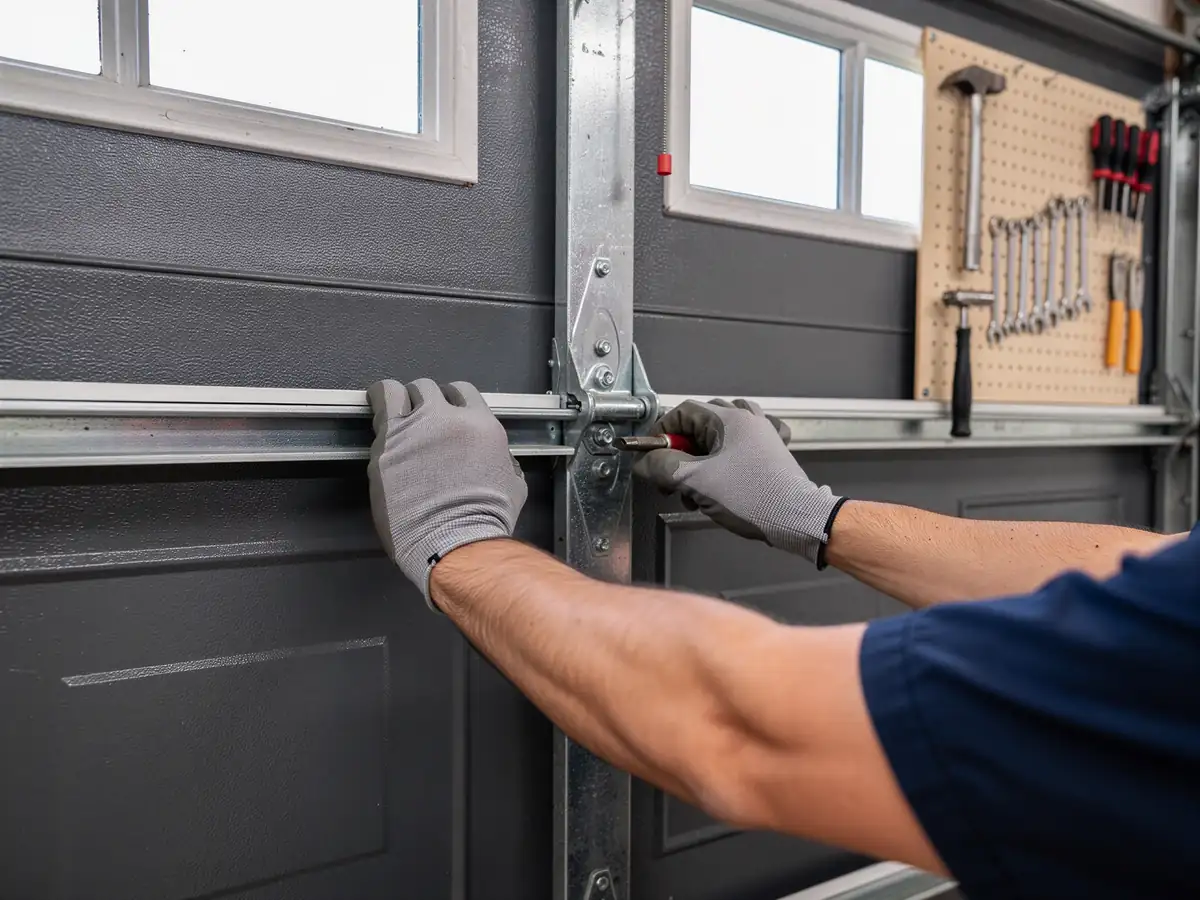
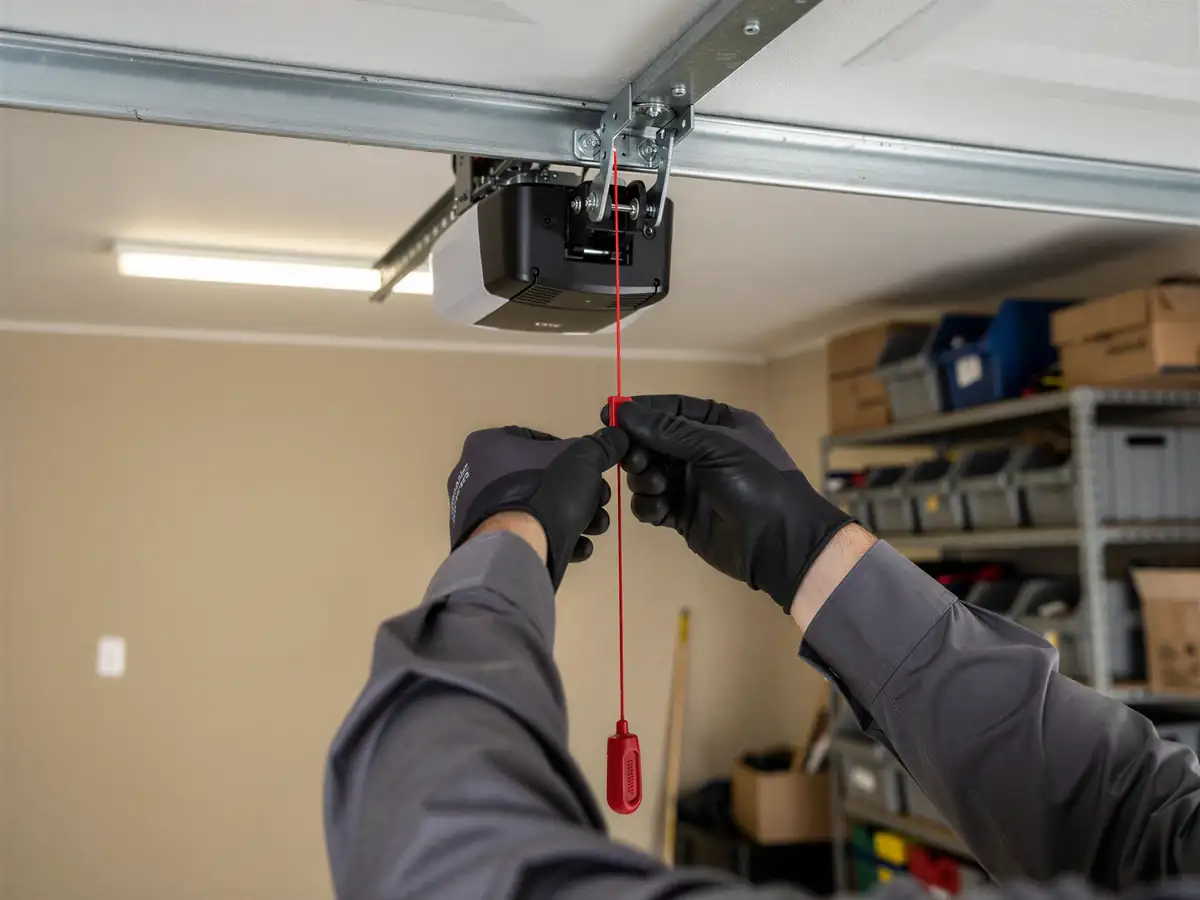
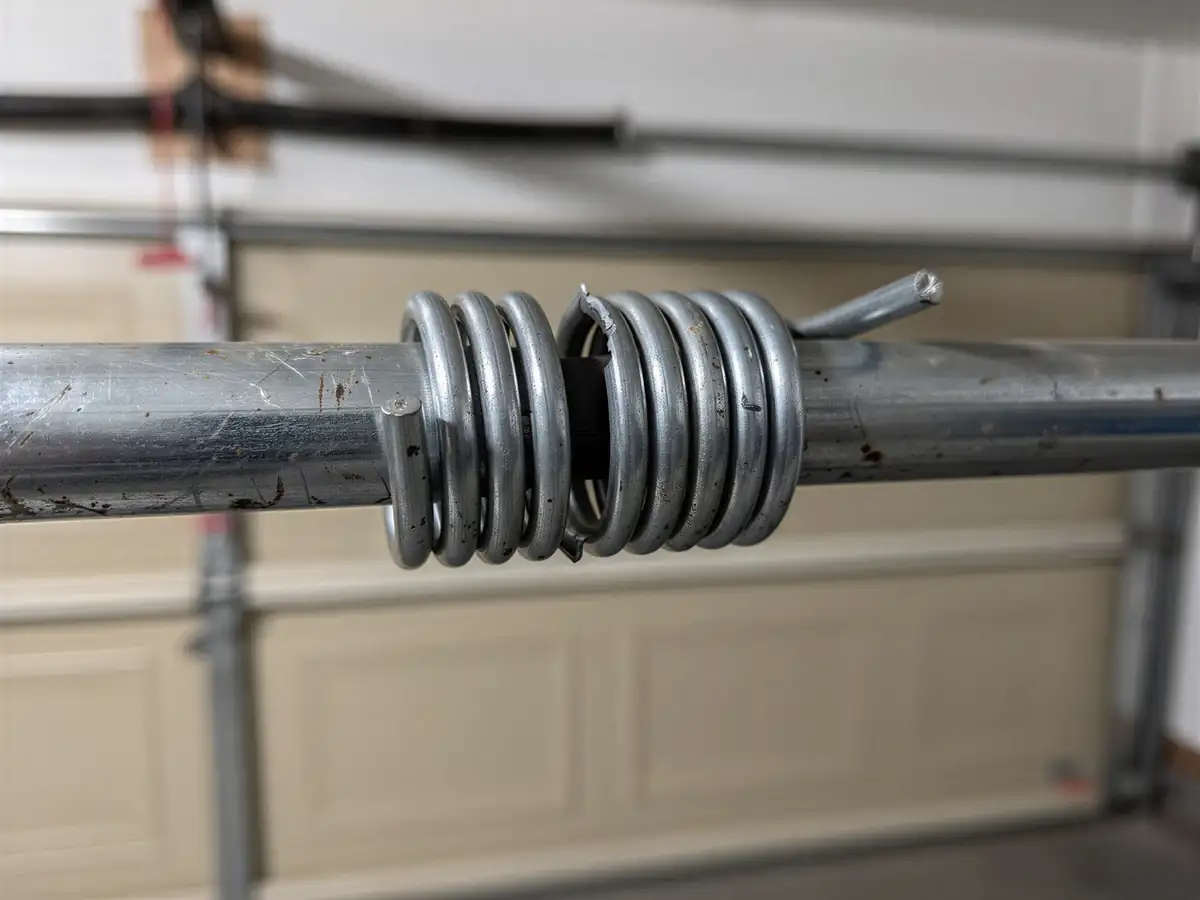
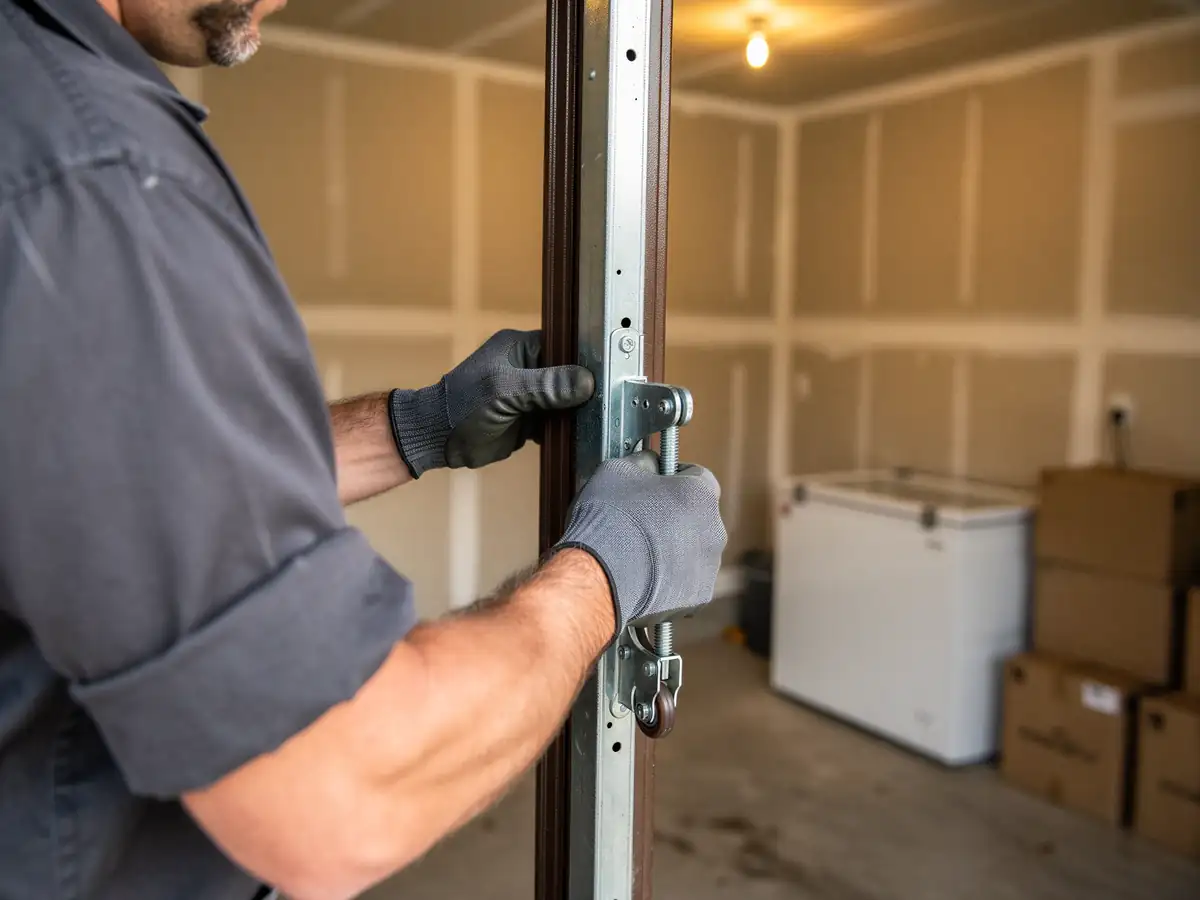
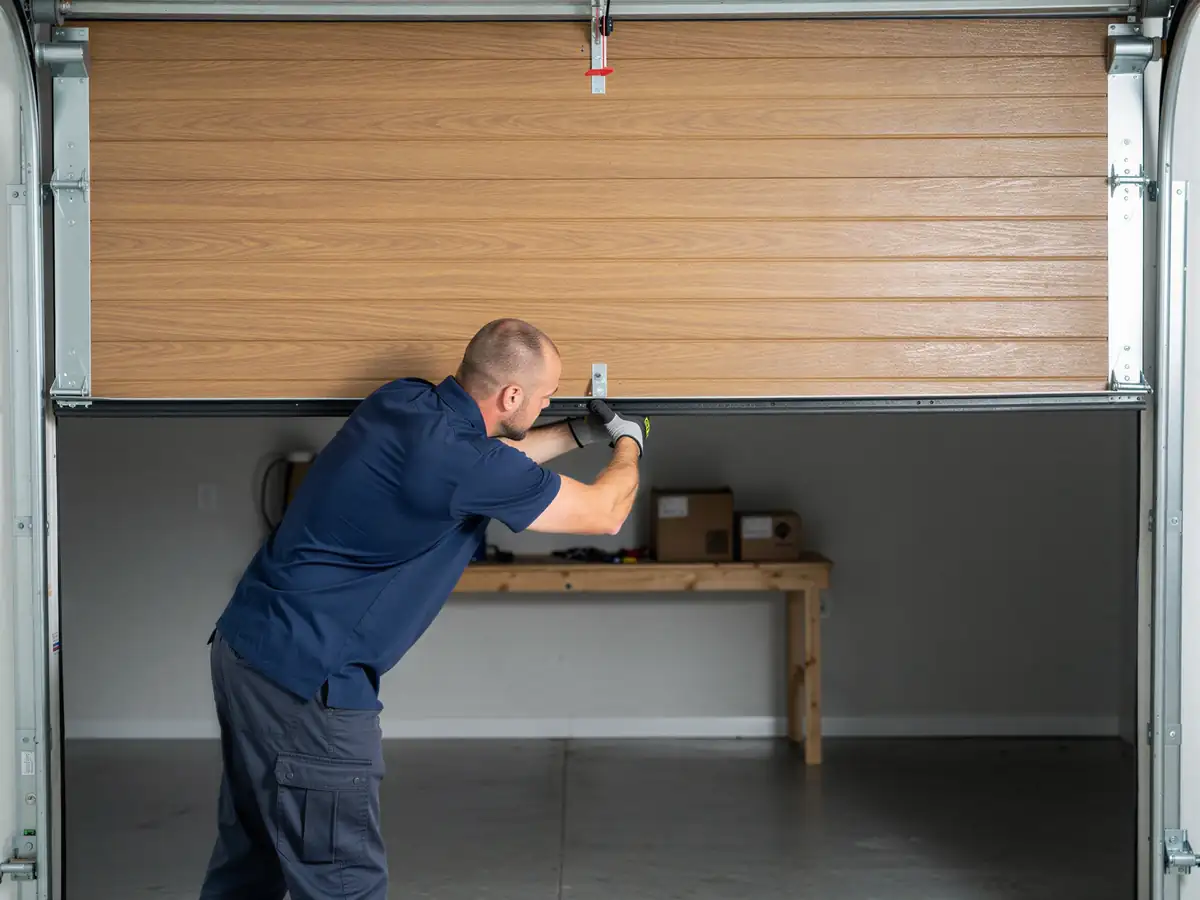
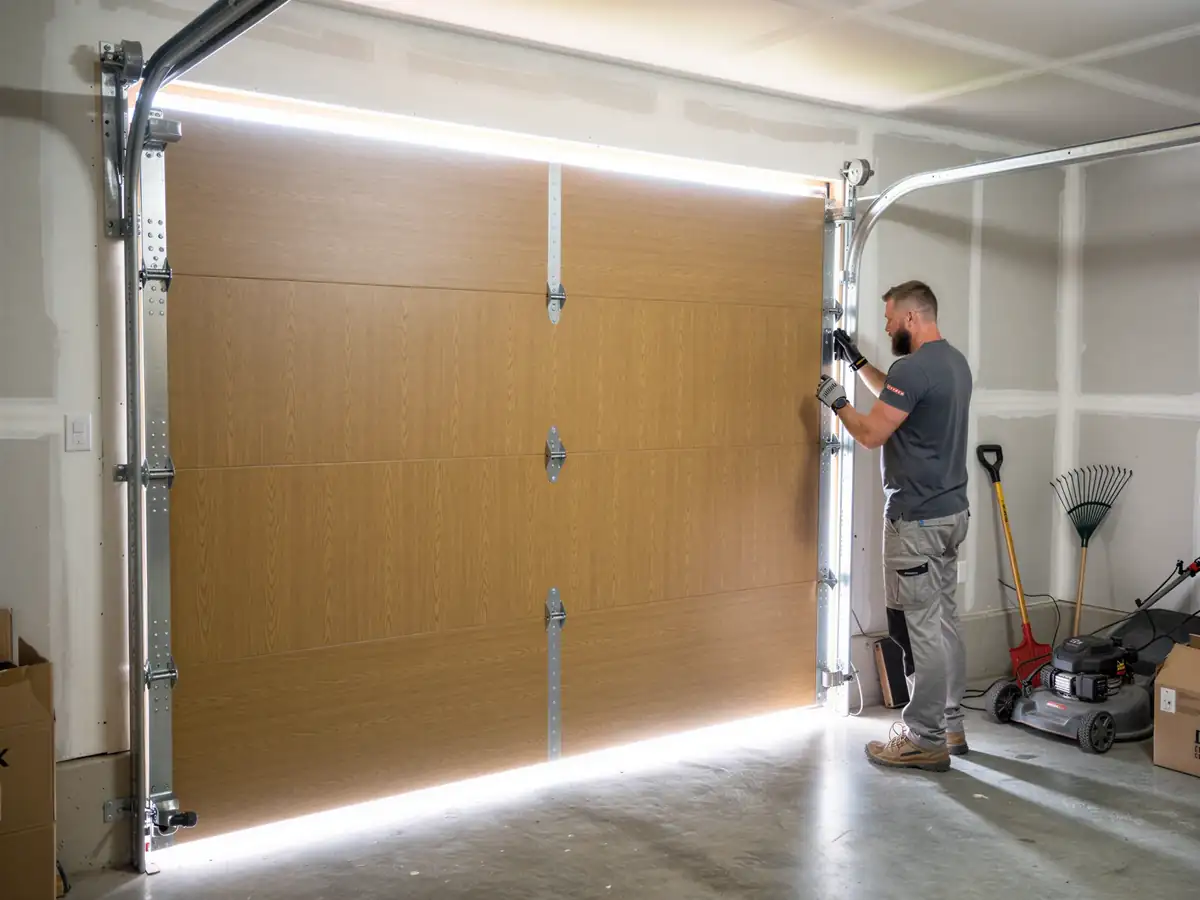
Installing a new door on a house built around 1956 starts with the opening itself, not the door. We check jamb square, header height, and whether the existing track mounts are still usable or need to be pulled and reset - original hardware from that build year is almost never a direct match for a current stock door's mounting points. Where the framing has shifted, we shim and reset rather than force a door to fit crooked framing, because a door hung slightly out of square will wear its rollers and cables faster no matter how new it is. We also check the opener circuit if one exists; houses from this era sometimes have an opener added decades after the house, run off wiring that wasn't sized for it. One limitation worth saying plainly: if the opening itself is out of standard dimensions, we can't always finish in one visit - a custom-width section sometimes has to be special-ordered, and we tell you that up front rather than after the fact.