Why This Fails Locally
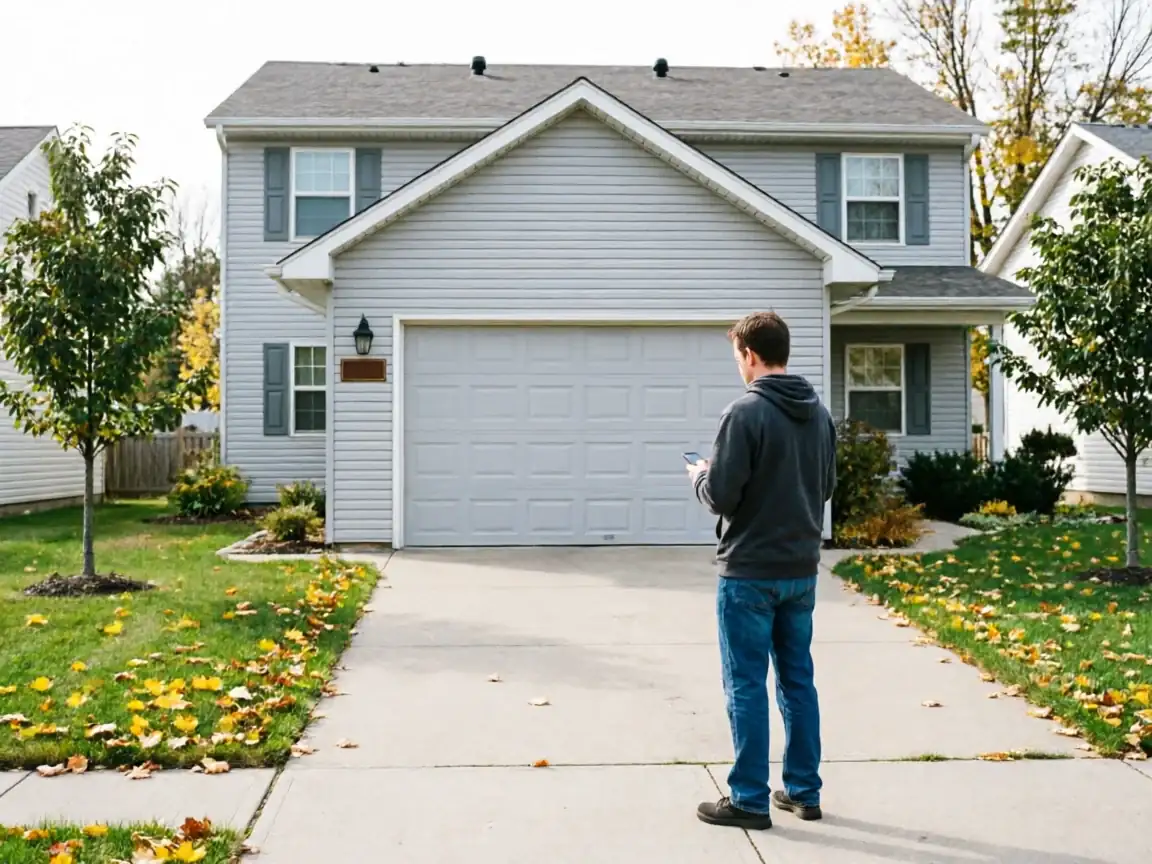
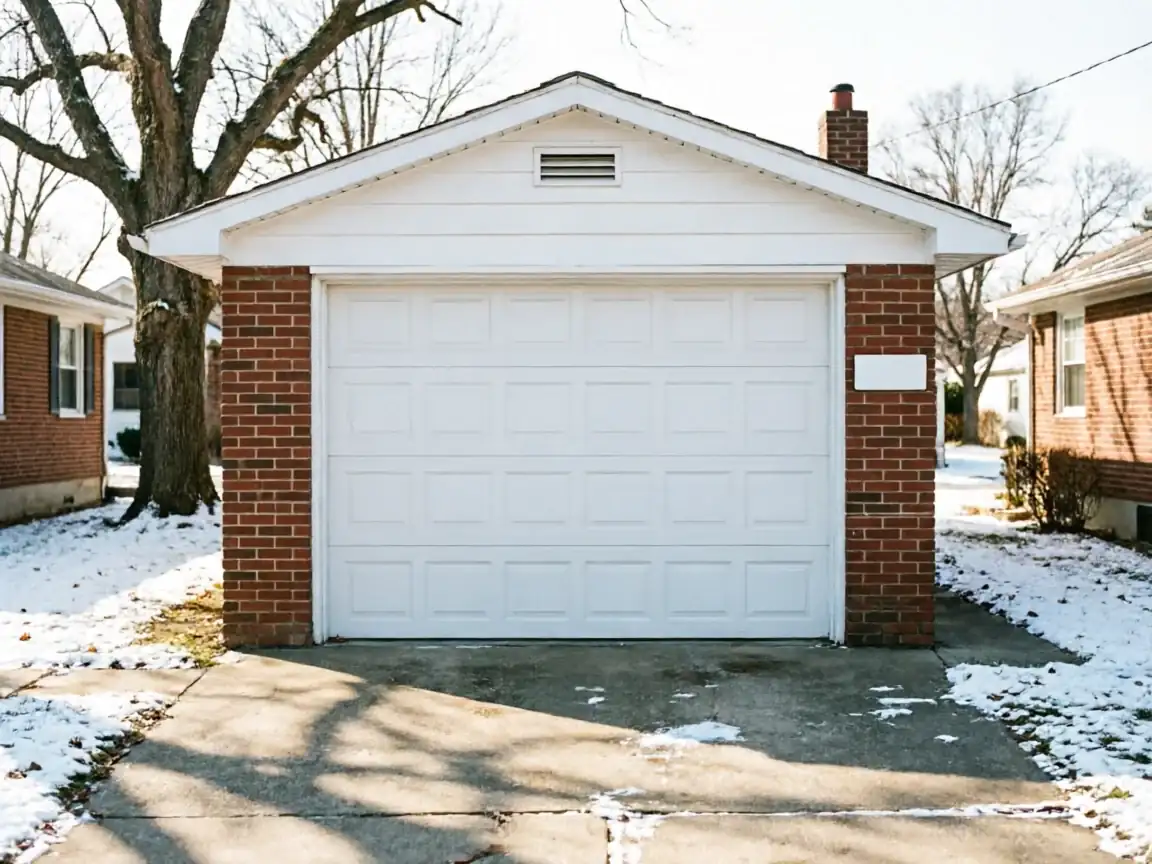
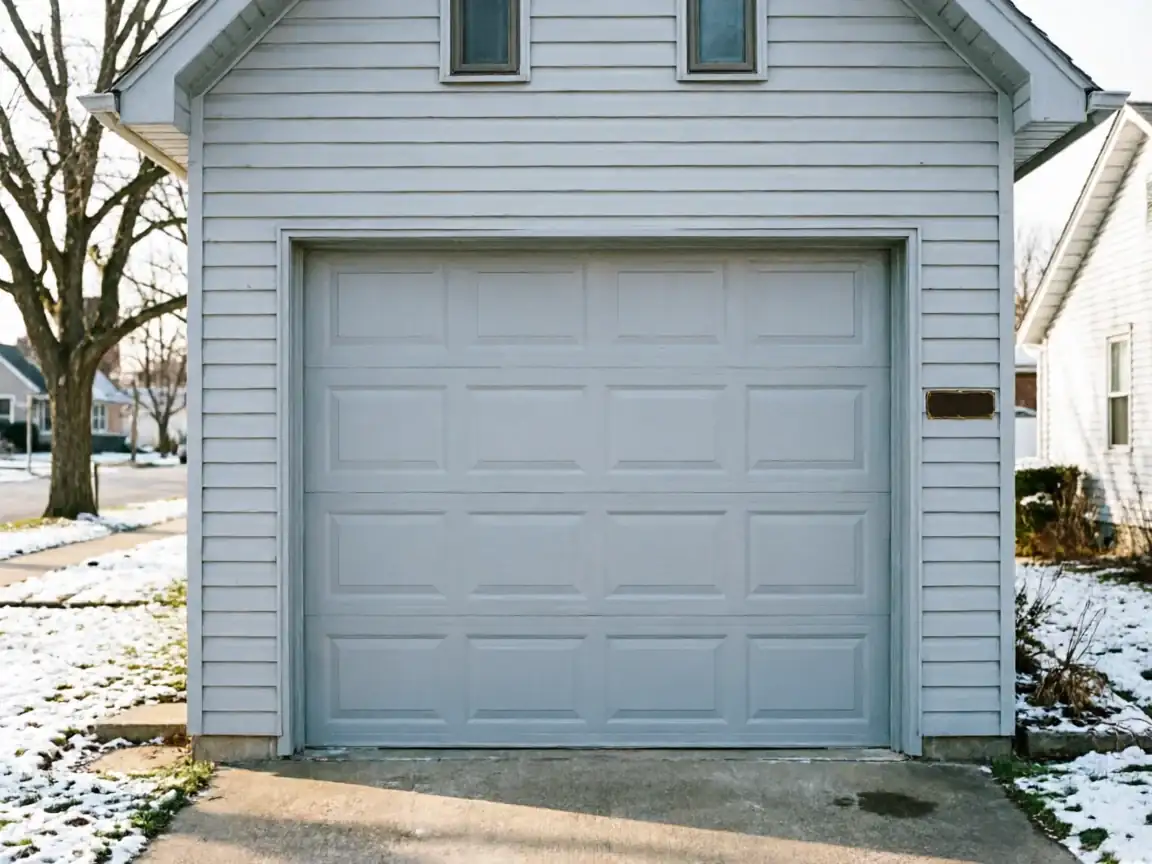
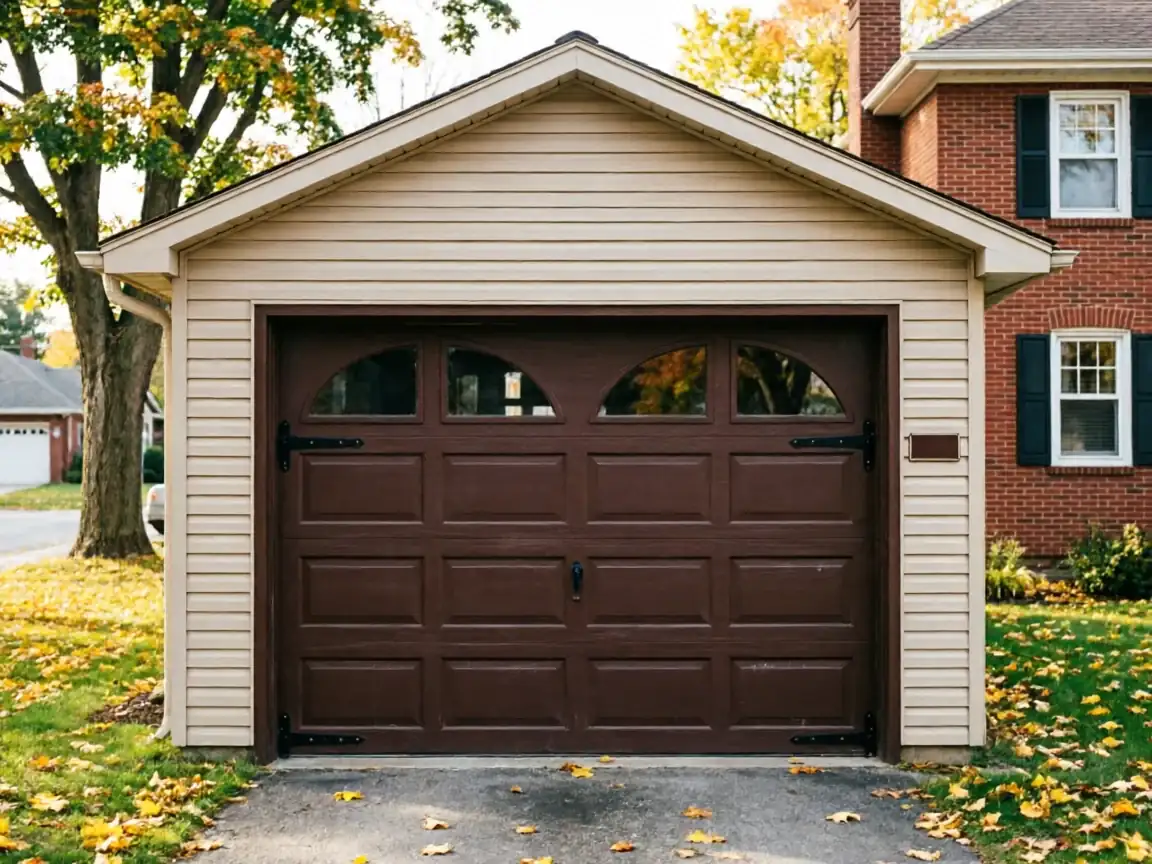
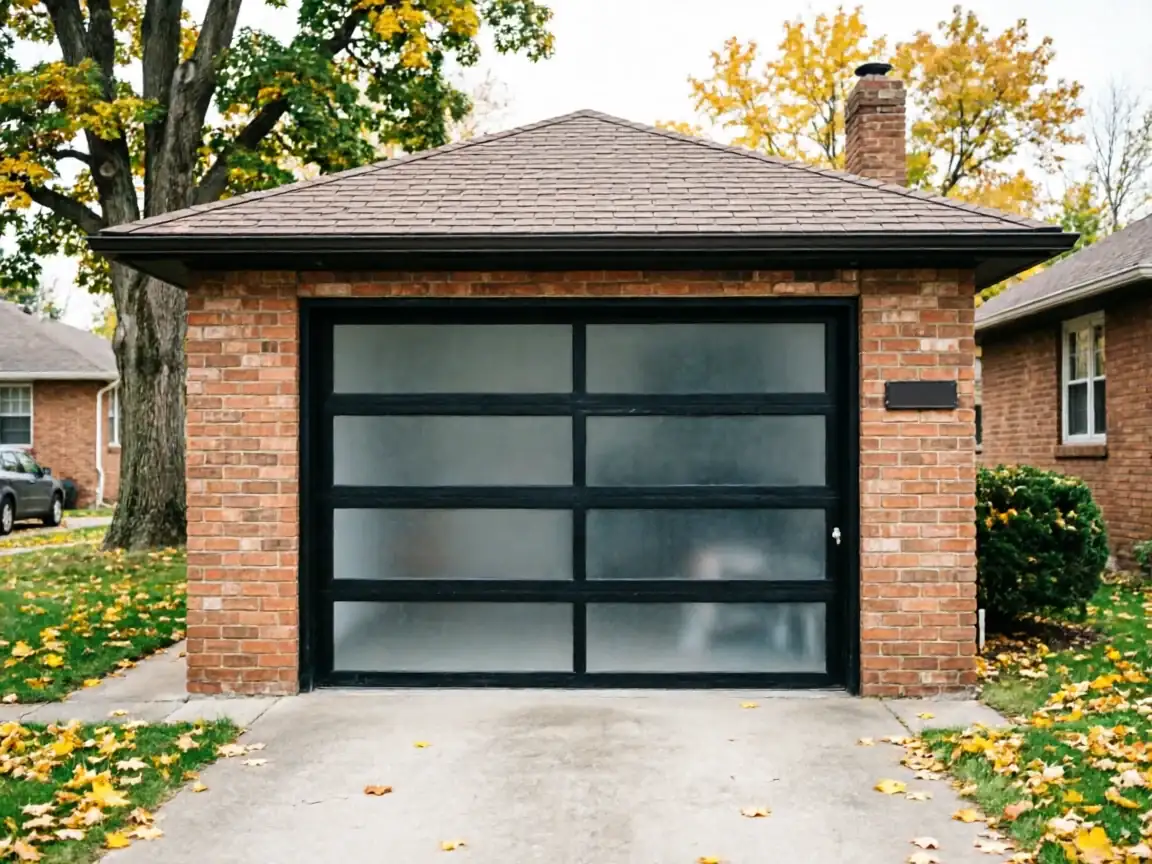
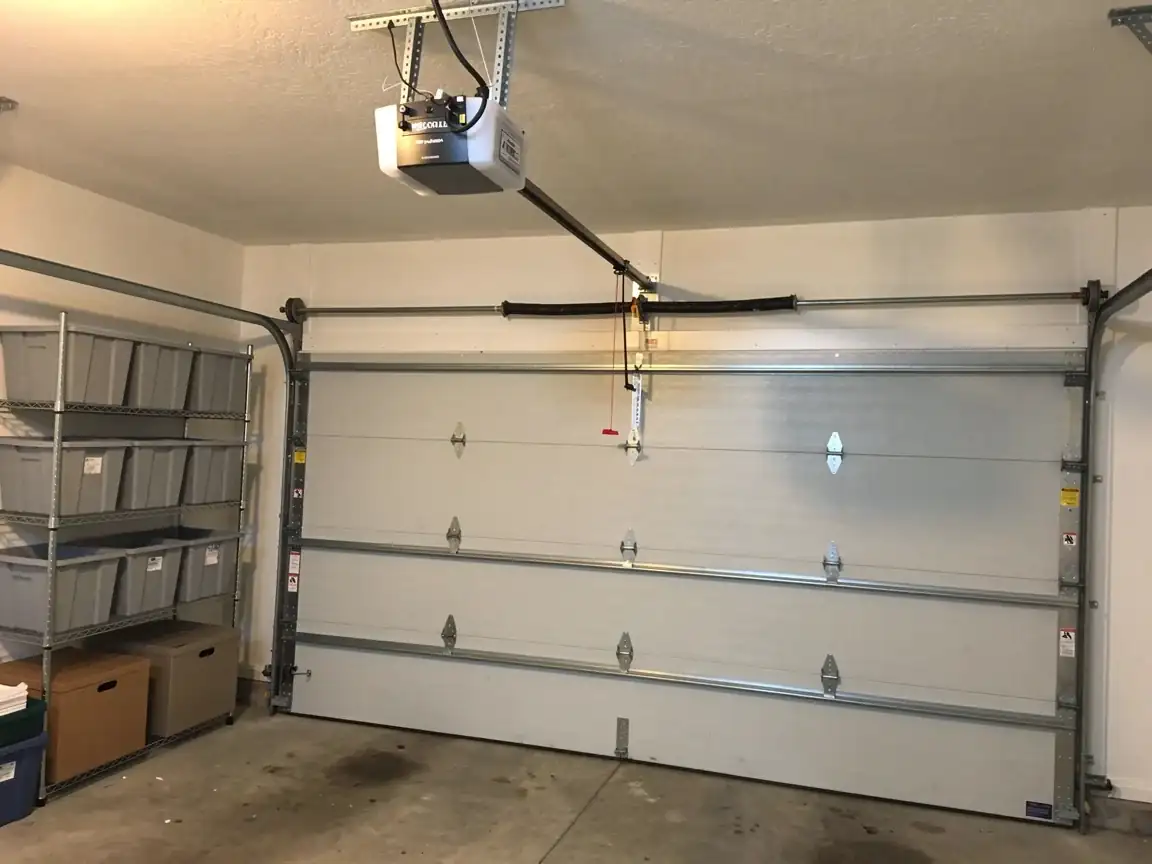
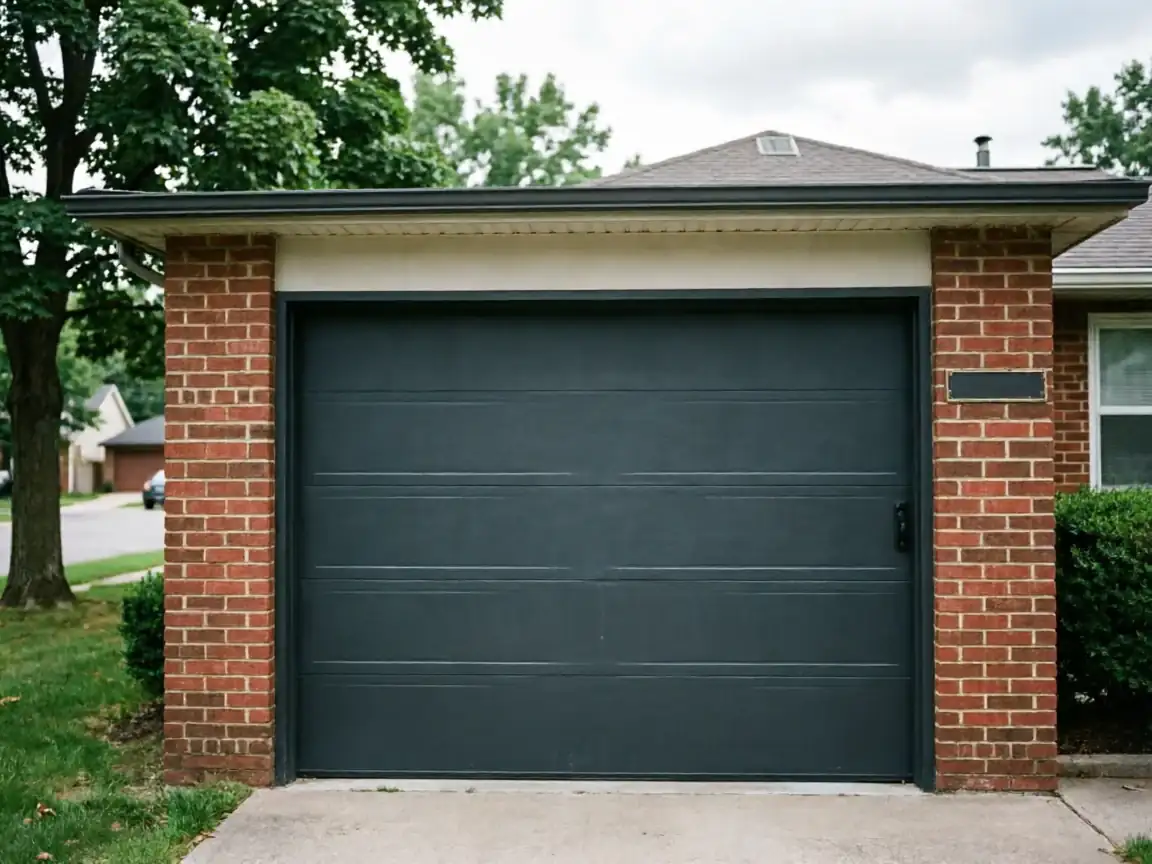
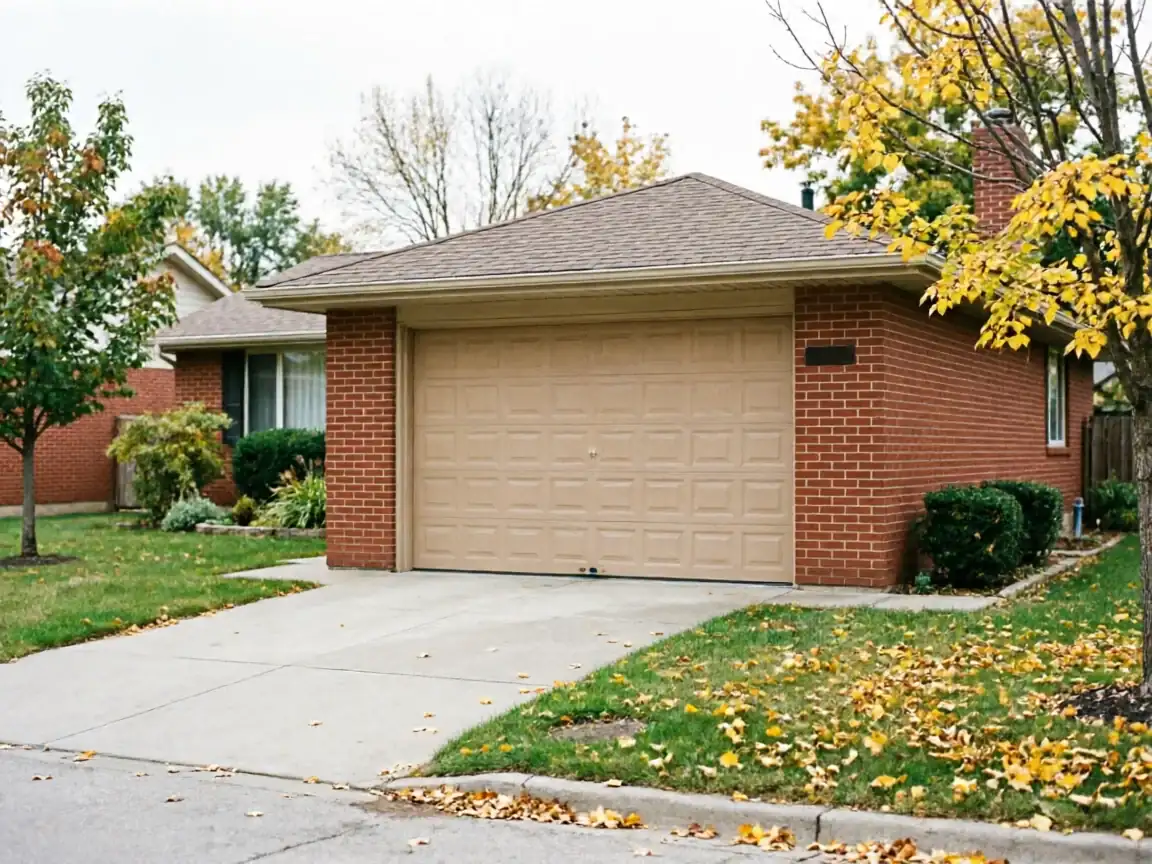
Albion counts 2,339 households, a small slice of the roughly 14,232 across the territory we cover out of Jackson. A town this size doesn't generate a lot of call volume, but the calls that do come in tend to cluster around the same problem: doors that are older than what we see closer to Jackson. The median home here was built around 1940, a good six years ahead of the 1954 median for the wider service area, and the broader area's housing stock already runs mostly pre-1960. That age gap matters. A door installed when these houses were new is a single-layer steel or wood panel on a narrow track, often without any insulation layer at all, hung on hardware nobody has stocked new parts for in decades. When a door like that finally gives out, it's rarely a quick fix. The track is sized for a panel width that current standard doors don't match, the jamb has settled out of square over eighty-plus years, and the opener bracket, if there is one, was added later and doesn't line up with new mounting points. Swapping in a new door isn't dropping a replacement into the same slot. It's closer to a small carpentry job with a door attached to it.
Time on the Job
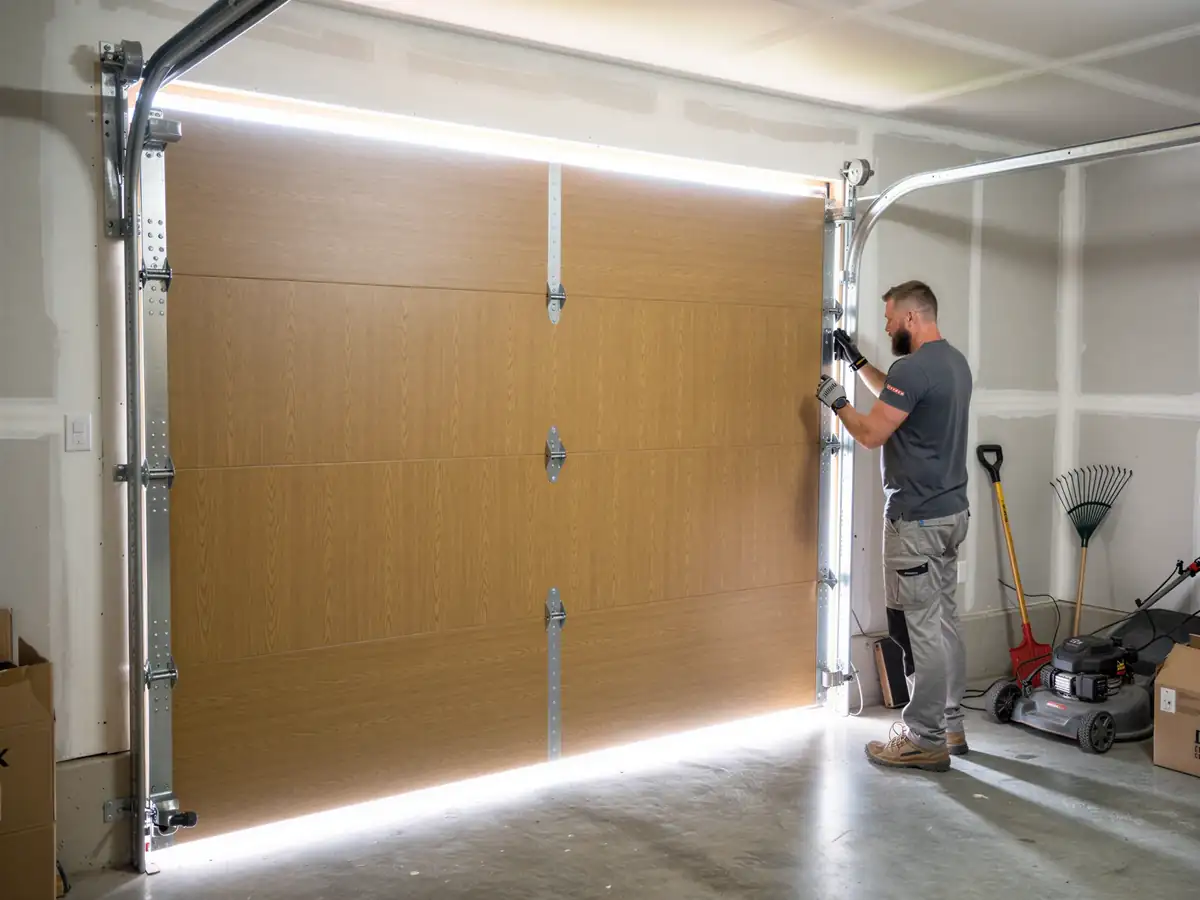
Albion sits 18 miles from Jackson, which is the farthest routine stop for a crew that also covers Vandercook Lake, Michigan Center, Parma, and the other communities in the territory. That distance doesn't change what a door install takes once we're on site, but it does mean the drive eats into the scheduling window, and it's part of why we book Albion jobs rather than treat them as drop-ins. On a clean opening with no structural surprises, a single door install is still a same-visit job. Where the jamb needs rework or the opening has to be reframed to fit a modern door, we'll tell you that going in, because it usually means a second visit once the carpentry is done and the frame has settled.
The Complications
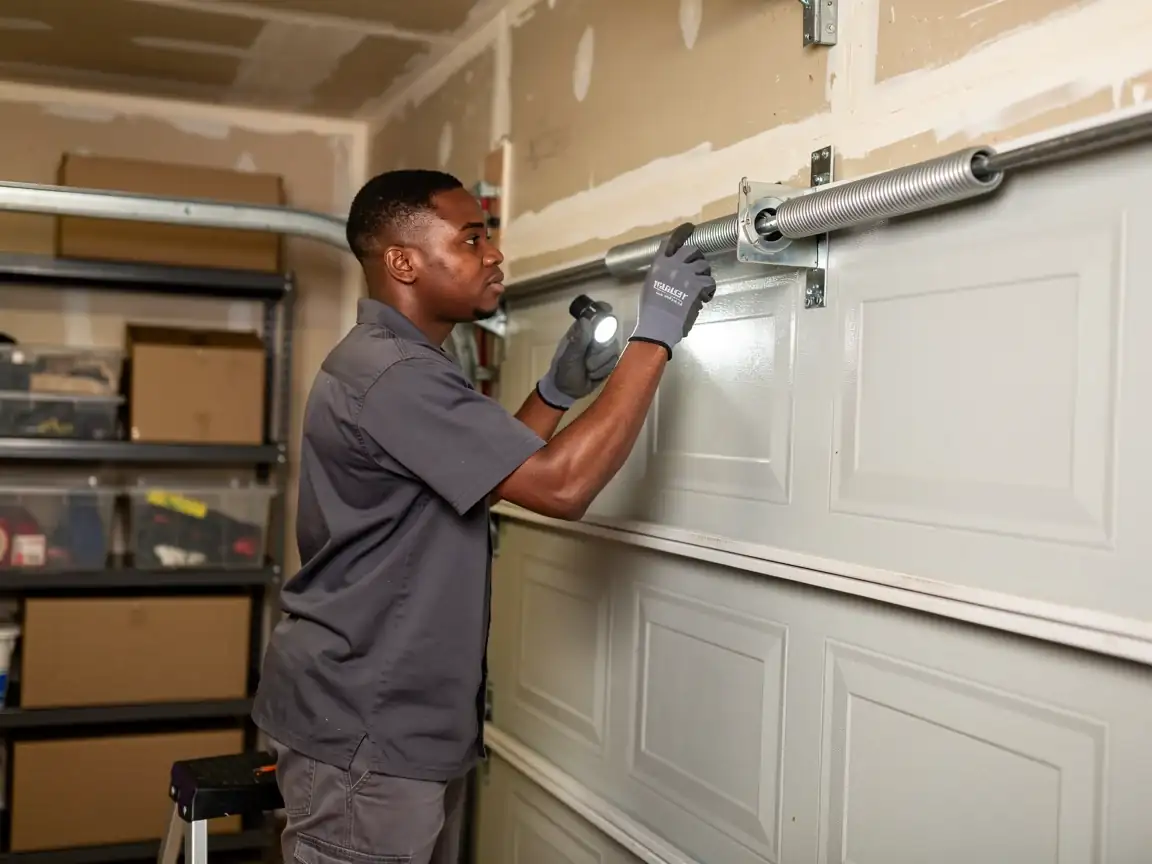
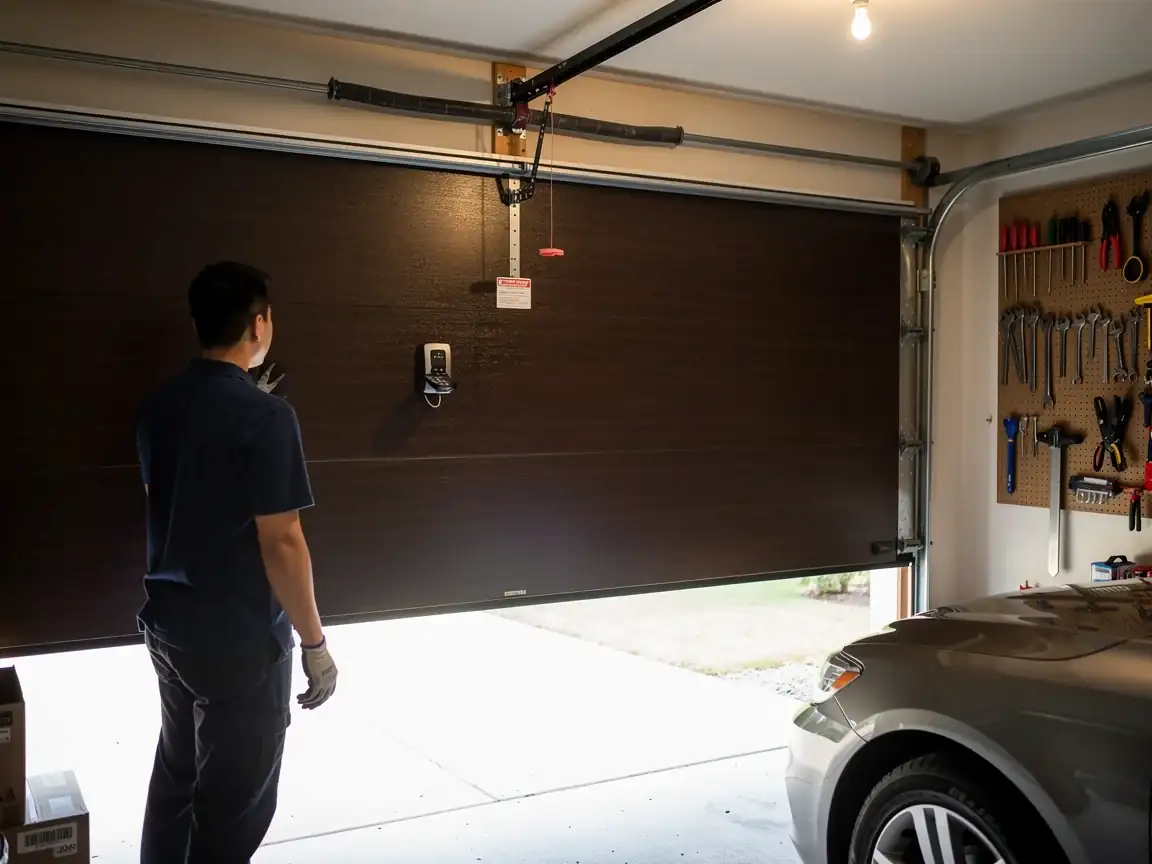
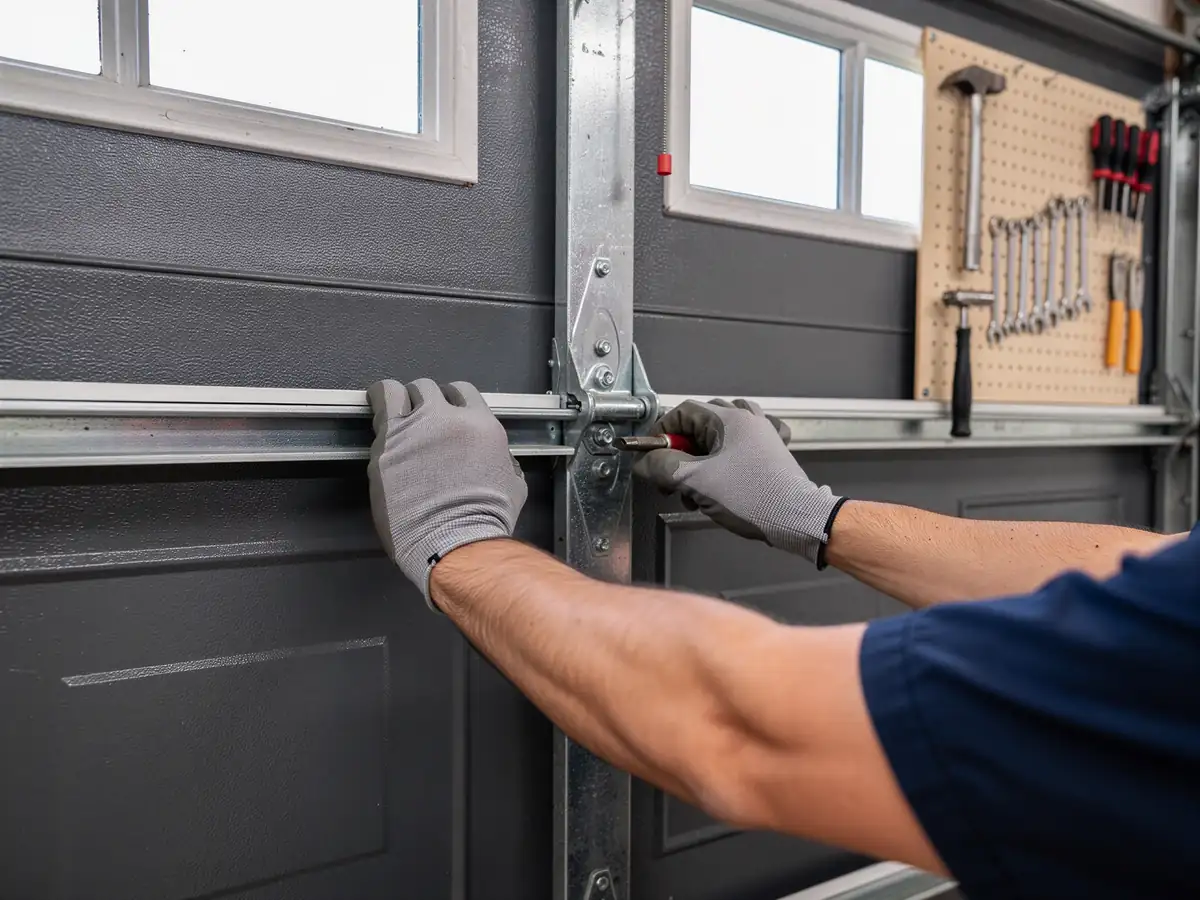
The honest limitation first: if your opening is badly out of square or the header's rotted, we're not going to force a standard door into it just to finish the job in one trip. That's a bad install and it comes back on both of us. On houses from this era, the complications we actually run into are narrow openings built for doors that don't match today's standard widths, jambs that have shifted enough that a new door won't seal evenly without shimming or rebuilding the stop, and wiring for an opener that predates any of the safety-sensor requirements now standard on new units. The area sits in the same severe cold climate band as the rest of the territory, so an insulated door is worth discussing even on a detached garage, since the temperature swing inside an uninsulated steel door in winter is enough to crack old caulk and loosen fasteners within a season or two.